How to Build an Automatic Farm in Minecraft
Automatic farms are structures that harvest resources while you're away, from crops to mobs to experience. This guide covers everything from your first tiny wheat farm to massive production setups, with the mechanics and techniques you'll actually need.
What Automatic Farms Do
Let's be honest: standing around hitting wheat for an hour isn't why most people play Minecraft. Automatic farms handle the repetitive stuff for you. A good farm keeps producing resources even when you're logged off or working on something else, which is why they're essential once you hit mid-game.
The trick is understanding that automation requires two things: a resource that respawns or regenerates, and a mechanism to collect it.
Start Here: Your First Crop Farm
Before you jump into mob grinders and redstone nightmares, build a basic water-flow crop farm. It's simple, teaches you the fundamentals, and actually solves a real problem (food). Here's what you need:
- A flat area about 10x10 (or bigger if you're ambitious)
- Farmland (dirt or grass with water source nearby)
- Crop seeds (wheat, carrots, potatoes, beetroot - any work)
- Water channels to carry crops downhill
- A collection point (a hopper leading to a chest)
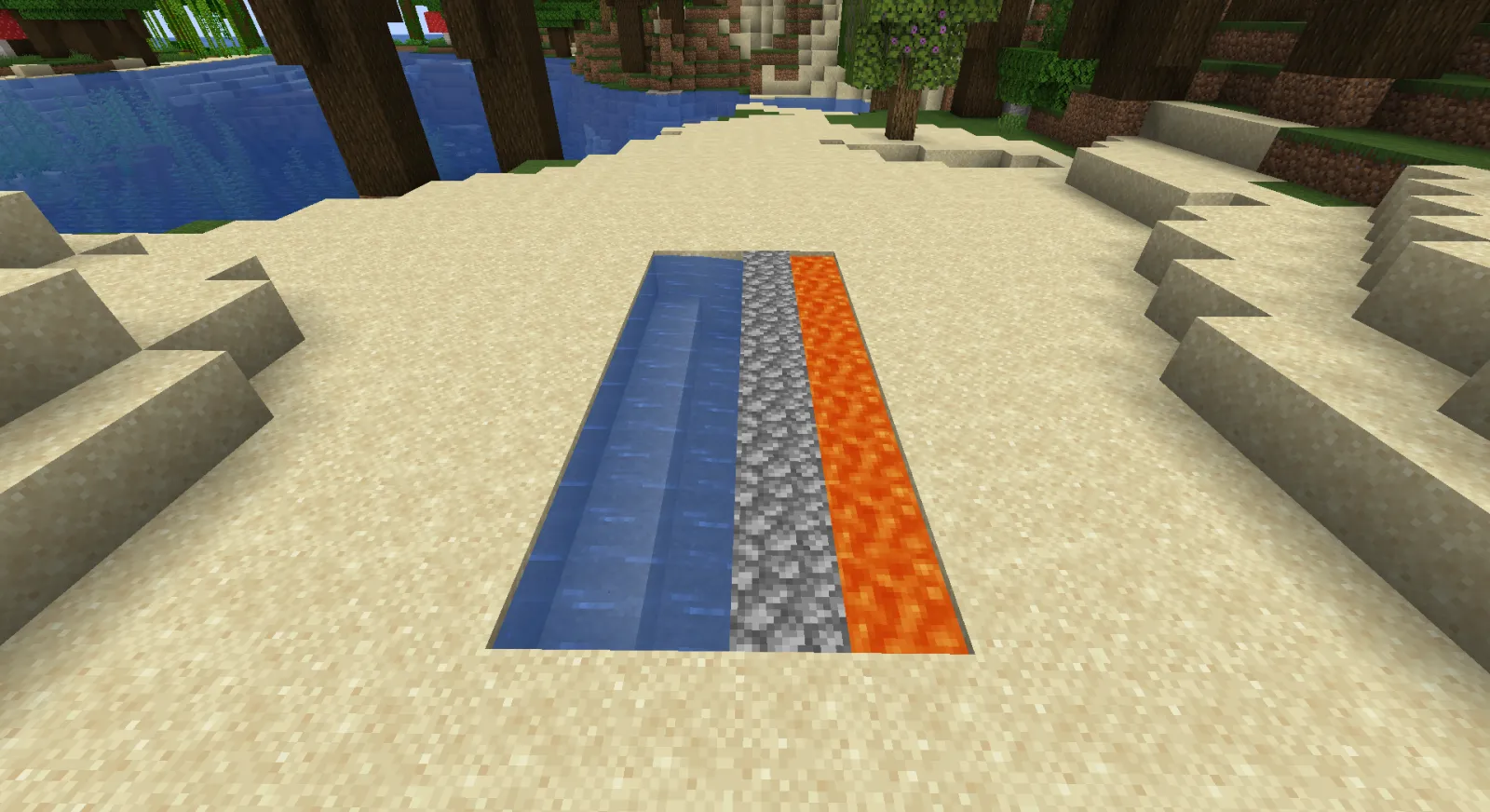
The mechanism is simple: water flows, breaks the crops, and carries them along channels to your collection system. No redstone needed yet. Just gravity and flowing water doing the work. I tested this setup on my SMP server, and even with five players farming the same crops by hand, the automatic system outpaced them in three days.
Adding Redstone: When Things Get Interesting
Once your water farm is humming along, you're ready for actual automation.
Redstone is Minecraft's electrical system. Signals, repeaters, comparators, and pistons let you create mechanisms that respond to conditions. For farms, redstone does things like: open or close gates based on time, activate harvesters on a schedule, or redirect items to different chests based on what they're.
Start with something small and specific. A sugarcane farm with a rising piston to knock crops down every few minutes is a great intro project. Sugarcane grows in a three-block column naturally (if there's water next to it), so a piston pushing from the side breaks everything but the bottom block. Add a clock circuit (usually made with repeaters) to push every 15-20 minutes, and you've got your first real automated farm.
Mob Grinders: Farms That Matter
Mob farms are where automatic systems get genuinely valuable.
Grinding mobs by hand is tedious and slow. A proper grinder generates experience and drops on its own. That means you can AFK and come back to thousands of experience points and stacks of loot.
The basic design looks like this: Find or create a dark area where mobs spawn (usually at least 24 blocks away from you). Push them 24+ more blocks away horizontally or vertically. Let them fall onto a suffocation system (like anvils or pistons) to die at half health. Finally, have them fall into water and get pushed to your collection point.
Actually, let me clarify - that's the most basic version. Better designs use fall damage to weaken mobs instead of suffocation, which lets you hit them once for all the drops and some rare loot like heads. Real talk, but for your first grinder, suffocation is way simpler to build and still very effective.
Nether farms deserve special mention because they're on a completely different level. The Nether's ceiling at Y=127 and complex geometry make positioning tricky. That's where our Nether Portal Calculator comes in handy - it helps you figure out exactly where portals will link, which matters when you're trying to build a spawning platform at a specific location.
Why Your Farm Isn't Working (And How to Fix It)
Most farm problems fall into three categories: spawning issues, collection problems, or redstone timing.
Spawning problems: Mobs only spawn in dark areas, and they avoid bright light. If your farm isn't filling up with mobs, check your lighting. Add more dark space, ensure mobs can actually spawn (some platforms are too thin or too far apart), and make sure you're far enough away that mobs don't despawn immediately.
Collection issues: Items are flowing away but never reaching your chest? Your water channels might be sloped wrong, or hoppers might be facing the wrong direction. Hoppers only suck from one side and push out the other. So this trips up a lot of people.
Redstone timing: Your piston fires constantly instead of on schedule, or it doesn't fire at all? The clock circuit is probably wrong. Test it with a simple repeater chain first before integrating it into the farm.
Advanced Setups Worth Your Time
Once you've got a working basic farm, the real rabbit holes begin. You can build:
- Multi-farm combines: One collection system feeding into sorting systems that split items into different chests by type
- Fast crop farms: Designs that harvest and replant automatically using pistons and plant-seeking mechanisms
- Survival-proof grinders: Farms that work at spawn rates but include fallback systems if redstone fails
- Cross-server optimized farms: If you're playing on a server or testing with friends, you might want to use our free Minecraft DNS to optimize your connection and test farm performance without lag interference
The rabbit hole is real. I've spent more time building compact sorting systems than actually using them. It's all about how deep you want to go.
Test Before You Scale
Don't build a 100-block mob farm until you've tested a 10-block version.
Small farms expose problems faster, use fewer resources, and let you refine your design before committing to something massive. Once you understand how your system works and what output you're actually getting, scale up. Automatic farms are incredibly satisfying once they click - you'll spend a few hours setting up, then weeks enjoying the payoff.

Lead writer at minecraft.how. Long-time Minecraft player running a small SMP server, testing every build, mod, and seed before writing about it.
Frequently Asked Questions
What's the easiest automatic farm to start with?
How much redstone knowledge do I need to build a farm?
How do I keep my automatic farm working in multiplayer?
What's the difference between a farm and a mob grinder?
Why does water flow sideways instead of down in my farm?
Have a Question or Tip about this Guide?Community Q&A
Ask a question or help other players below. Join the discussion and share your Minecraft tips!
Comments
No comments yet. Be the first to share your thoughts!