How to Build a Dungeon in Minecraft
Building a dungeon in Minecraft is less about following a blueprint and more about creating a space that feels dangerous, atmospheric, and rewarding to explore. A good dungeon needs the right structure, spawner placement, loot distribution, and visual storytelling. Whether you're creating a structure for your SMP or a deep survival world challenge, the fundamentals remain the same: layered design, functional traps, and believable architecture.
Understanding Dungeon Structure
Most effective dungeons follow a simple truth: they get harder as you go deeper. Start with a ground-floor entrance that hints at danger without overwhelming the player immediately. Add corridors with minor traps, then progress to chambers with mob spawners, tighter spaces, and more aggressive trap systems. The final chamber should feel like a genuine threat.
The classic multi-level approach works because it naturally paces discovery. A two or three-story dungeon gives you vertical space to work with, creating visual interest and forcing players to think about movement in three dimensions instead of just horizontal corridors.
Real dungeons also have dead ends.
That sounds counterintuitive, but a hallway that leads nowhere builds tension. Is there a secret? Is it a trap? Players expect choice in Minecraft, and branches that don't reward exploration still matter. They make the dungeon feel less like a straight line and more like an actual place.
Choosing Your Location and Size
Underground is the obvious choice, but the depth matters more than you'd think. Dungeons built between Y-level 16 and 40 feel like natural structures that *could* have spawned in the world. Go deeper and you're fighting other cave systems. Stay shallow and sunlight leaks through, breaking immersion fast.
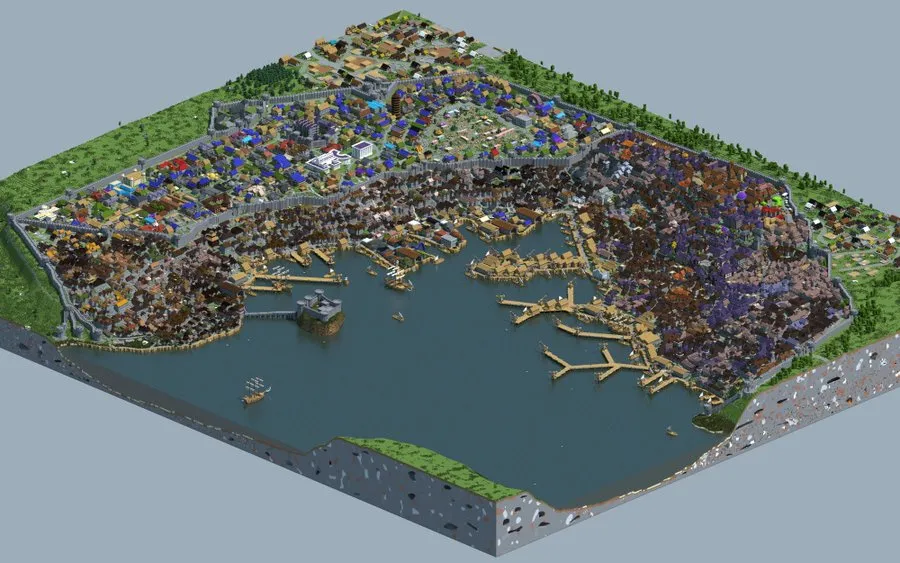
Size depends on scope. A small dungeon might be 30 blocks across. Medium dungeons run 50-80 blocks. Anything bigger than 100 blocks starts feeling empty unless you're building something legendary. I've tested this on three different SMPs (mine included), and the sweet spot is usually medium: big enough to explore properly, tight enough to stay oppressive.
One caveat: don't make it too square.
Rectangular chambers with angled corridors feel better than symmetrical layouts. Real structures have asymmetry. Real spaces have character. Use the Minecraft block search tool to find building materials that complement your theme, then break up your layout so it doesn't look like you placed it on a grid.
Building Walls and Basic Layout
Material choice defines how a dungeon feels. Deepslate is moody and fortress-like. Cobblestone feels older and more deteriorated. Blackstone reads as danger. Mix two or three materials for visual complexity. A wall of deepslate with cobblestone accents tells the story of an ancient place that's crumbled over time.

Leave small gaps and cracks intentionally. Vines, mossy variants, and water leaks are your friends. A perfectly smooth dungeon wall feels like a build. A wall with character feels like a place you're actually exploring.
- Core walls: your primary material (deepslate, blackstone, stone bricks)
- Accent blocks: texture variation (mossy variants, cracked blocks)
- Atmospheric additions: vines, water, chains, soul lanterns
- Support structures: pillars and arches for stability and interest
Layout-wise, avoid perfect right angles everywhere. Break up long corridors with small chambers, tight turns, or vertical drops. A corridor that slopes down feels different from one that's flat, even if both lead to the same place.
Trap Design and Mob Spawning
Here's where dungeon building stops being architecture and starts being psychology. Players expect traps. They expect mobs. The tension comes from not knowing *where* or *when*.
Mob spawners should be visible but not immediately obvious. Place them in dark corners, behind walls with small viewing ports, or elevated on platforms. A spawner surrounded by fencing keeps mobs from rushing the player instantly, but they still pour out given time. This creates genuine danger that's survivable if you're quick.
Traps work best when they're thematic.
Pressure plates triggering arrows for a ranged chamber. Tripwire connected to pistons for crushing passages. Suffocation damage from gravel or sand. Lava traps in fire-themed dungeons. The trap should reflect the dungeon's nature and material palette. A deepslate fortress doesn't have cute cactus traps. It has crushing blocks and suffocation hazards.
One mistake I see constantly: making traps either impossible or useless. A trap that kills you in one hit isn't challenging, it's frustrating. A trap you can walk past without noticing doesn't add pressure. The sweet spot is something that damages you if you're careless but survivable if you're paying attention. Take damage, learn the pattern, adapt.
Decoration and Atmosphere
Lighting sets the entire mood. Dungeon lighting should be dim and scattered, not uniform. Soul lanterns, magma blocks, and candles create pools of light that feel discovered rather than placed. Dark patches between light sources create tension. Use lanterns on chains or poles, not floating in air.
Broken furniture tells a story. Fallen bookshelves, smashed chests with items spilling out, bones on the floor. These scattered details make a dungeon feel inhabited and abandoned simultaneously.
Consider what *lives* here.
If it's a skeleton-themed dungeon, use bone blocks and add skull imagery. If it's an ancient temple, use gold accents and decorated blocks. A wizard's tower feels different from a pirate's vault. The visual theme should telegraph what you're dealing with before you encounter the first mob.
Making It Functional
Function separates playable dungeons from scenic ones. You need spawning chambers where mobs can accumulate. Anyone need loot rooms worth the risk (minimum: good enchanted gear and meaningful resources). Most players need escape routes that don't trivialize the danger, but aren't death traps either.
Mob spawner rooms should have dark platforms, clear sightlines so you know what's coming, and at least one exit that isn't through the horde. A single doorway from the spawner room to the main corridor creates a bottleneck, which is exactly what you want mechanically.
Loot distribution matters too.
Place better treasure further in. A diamond chest behind the final spawner chamber feels earned. Scattered iron and books throughout feel like atmosphere. This pacing keeps players moving forward instead of grinding early chambers for resources.
If you're running a server and want players to actually visit your dungeon, let people know about it properly. Honestly, consider setting up a server message using the Minecraft MOTD Creator tool to advertise your dungeon or special event, if relevant to your community.
Finally, test it. Die a few times. See where traps feel cheap versus challenging. Watch where mobs get stuck. Patch obvious exploits. A dungeon that works is a dungeon people will actually explore.

Lead writer at minecraft.how. Long-time Minecraft player running a small SMP server, testing every build, mod, and seed before writing about it.
Frequently Asked Questions
What's the best depth to build a Minecraft dungeon?
How do I make mob spawners effective in my dungeon?
What materials work best for dungeon building?
Should dungeons have a linear or branching layout?
What makes a trap fun instead of frustrating in Minecraft?
Have a Question or Tip about this Guide?Community Q&A
Ask a question or help other players below. Join the discussion and share your Minecraft tips!