Cave Exploration Guide: Finding the Best Minecraft Loot
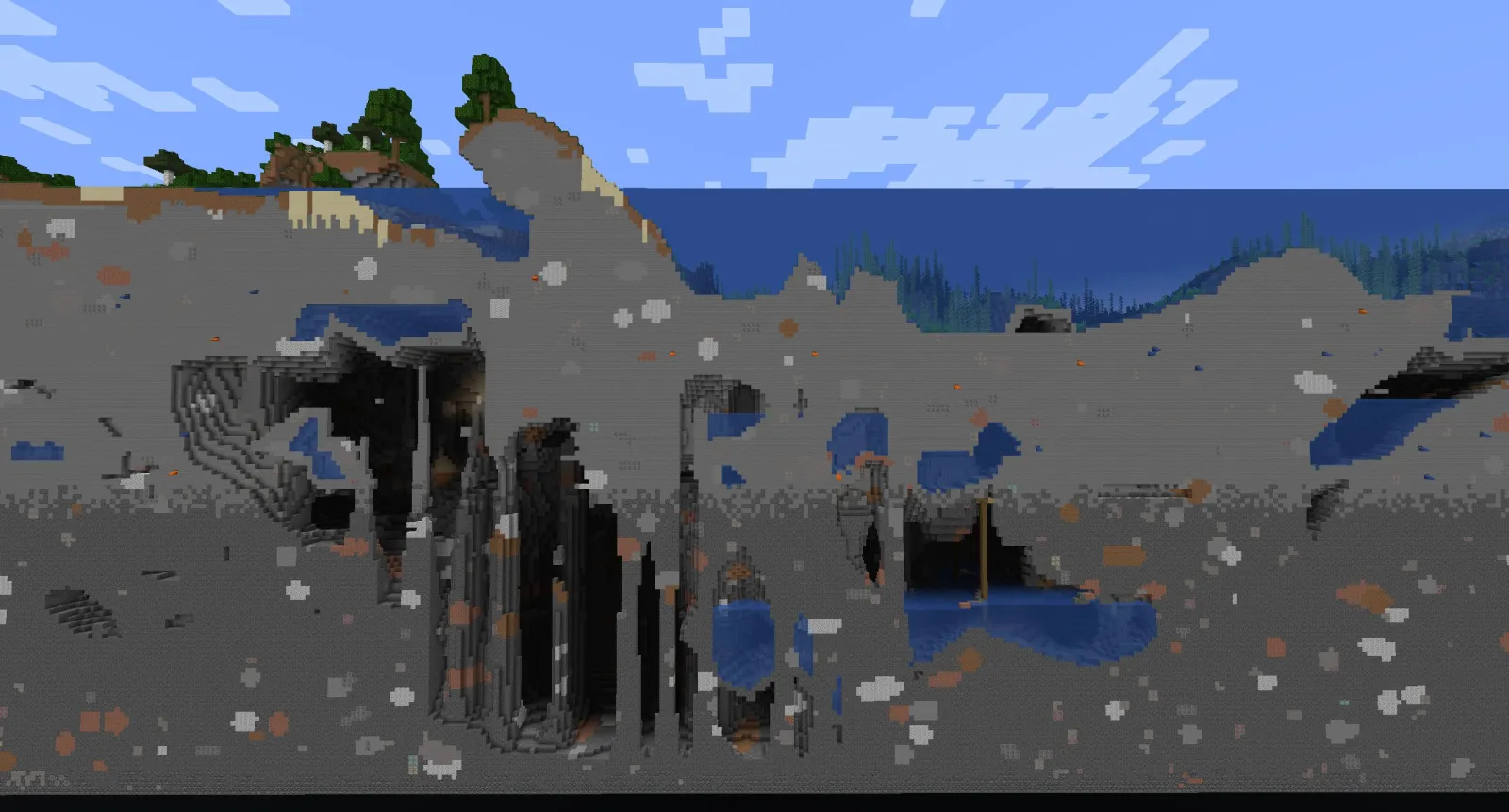
The best cave loot in Minecraft depends on which biome you're exploring and how deep you're willing to go. Deep Dark caves hold ancient debris and sculk blocks. Lush caves offer glow berries and moss for building. Dripstone caves have copper and amethyst geodes. Learn where to find each treasure type and how to mine them safely.
Where to Find the Best Cave Biomes
Different cave biomes have different rewards, and honestly, I've spent way too much time mapping them out on my own server just to figure out the patterns. Let me save you that trouble.
The Lush Cave biome is probably the most visually interesting. You'll find glow berries (great for light sources and brewing), dripleaf plants, and axolotls if you're into aquatic pets. These caves spawn between Y 0 and Y 64, so they're middle-depth and relatively easy to reach without too much excavation.
Deep Dark caves are where things get serious. These are rare and dangerous, but they hold the most valuable early-game treasures: ancient debris, which you need to craft netherite gear. Sculk blocks are also exclusive here, and they're useful for redstone contraptions and decoration. Fair warning: Wardens spawn here, and they're absolutely brutal. You'll want full iron armor at minimum, maybe better.
Dripstone caves offer copper ore and amethyst geodes. Copper is visually cool but not essential unless you're building decorative projects. Amethyst, though? Amethyst blocks and clusters are fantastic for creating crystal-like structures and can be processed into amethyst shards.
Then there's the obvious stuff: regular stone caves at any depth will always have coal, iron, gold, and the occasional diamond if you dig deep enough. Nothing fancy, but foundational. If you're just starting out, regular caves between Y -20 and Y 0 are your best bet.
Mining Deep Dark Caves and Ancient Debris
Ancient debris is the endgame ore that every serious player chases. It spawns exclusively between Y -64 and Y 0, with Deep Dark caves being the most direct route. Most players focus on the Deep Dark because it's more accessible than setting up a Nether portal early on.
Deep Dark caves have one brutal downside: Wardens. These massive blind creatures hunt by sound. They're not hostile on sight like zombies, but if you make enough noise, they'll track you relentlessly and deal massive damage. Here's my approach when caving in Deep Dark: strip mining works, but it's terrifying because every block you break generates vibrations. Sneaking helps reduce sound. Using a Silk Touch pickaxe on sculk blocks prevents vibration entirely, which is clutch.
Pro tip (actually, this saved my life): bring a recovery item. If a Warden shows up and you're trapped, having a respawn anchor or emergency bed can mean the difference between losing your gear and a total wipe. I've had some ugly deaths down there.
The sculk blocks themselves deserve mention. Sculk sensors detect vibrations and trigger sculk shriekers. Sculk shriekers summon Wardens if triggered too many times. It's like the cave itself is hunting you. Weirdly thematic. You can harvest sculk blocks and shriekers with a Silk Touch tool, which is essential if you want to bring any home for building.
Lush and Dripstone Caves for Steady Profits
If Deep Dark feels too intense, Lush caves are the comfort food of cave exploration. You get decent drops without existential dread.
Glow berries are everywhere here. They're edible, light up caves naturally, and they're essential for brewing. Grab a few stacks if you find them. Dripleaf blocks are great for aesthetic builds and have some redstone applications too.
Dripstone caves are where copper and amethyst shine. Amethyst geodes are massive underground structures filled with amethyst clusters. You can mine them with a pickaxe, and each cluster yields an amethyst shard. Collect enough shards and you can craft an amethyst block, which is ornamental but absolutely gorgeous. Copper ore is less immediately useful, but it oxidizes into beautiful green patina over time, making it ideal for decorative builds.
Small note: amethyst geodes require a stone pickaxe or better to mine efficiently. Iron works fine too. Without the right tool, you'll break the blocks without getting drops, which is frustrating.
Essential Tools and Gear Setup
Right tool for the job matters here. Here's the thing, you'll want:
- Iron pickaxe minimum (diamond if you already have one, but iron is fine for getting started)
- Food (steak is best; pork chops or bread work)
- Torches or glow berries for light
- Armor (iron, diamond, or netherite depending on your world progress)
- Water bucket (life-saving for lava emergencies)
Actually, I should clarify: armor durability matters. Caves do way more damage than surface mining because you're taking fall damage, drowning risks, and mob encounters more often. Bring a crafting table if you're going on a long expedition. You can repair tools and armor on the fly. A water bucket is underrated. Falls into lava are common in caves, and a water bucket saves your life nine times out of ten.
If you're playing on a multiplayer server, coordination helps. You could use the Server Properties Generator to adjust difficulty settings for your crew's preferred cave experience, which is especially useful if your group has mixed skill levels.
Finding Specific Loot and Rare Blocks
Diamonds spawn most frequently between Y -64 and Y 0. The current Java release (26.2) didn't change the diamond mechanics, so mining strategies from previous versions still work. Strip mining at Y -59 is still optimal if you're being patient and methodical.
Sculk blocks are exclusive to Deep Dark. If you want building materials from there, you need ancient cities, which are structures found in Deep Dark caves. They're rare but worth exploring because they contain deep dark oak wood, sculk blocks, and valuable loot chests.
Copper ore spawns in Dripstone caves and regular caves. Iron, coal, gold follow the standard spawning rules. Gold ore is mostly decoration unless you're doing redstone work or need the block aesthetic. Glow berries are everywhere in Lush caves. Moss blocks (also Lush cave exclusive) are excellent for terraforming because they're renewable and look natural.
Here's something that catches people off guard: amethyst shards from geodes aren't stackable in the same way ore stacks. You're carrying a lot of weight for the inventory space. Plan your routes if you're hunting major geode deposits.
Avoiding Death Underground
Cave systems aren't just mines, they're death traps if you're not careful. Mobs spawn in dark corners. Creepers are especially aggressive in enclosed spaces because explosions bounce off cave walls, making them way more dangerous than on the surface.
Lava pools are everywhere in caves. A single mistake, and your best gear is lost. I've had to recover from some pretty embarrassing deaths where I walked straight into a lava lake because I wasn't paying attention.
Falling is the silent killer. Caves have irregular terrain, sudden drops, and narrow passages. Sprint-jumping while looking down is how you die here. Slow down, use ladders or water buckets strategically, and don't try to parkour your way through a cave system.
Drowning is possible in underwater cave sections. Lush caves often have water features. Bring water breathing potions if you're planning to explore submerged areas, or just avoid them until you're better equipped. For aesthetic builds after looting, check out the Browse Minecraft Skins gallery to grab a caving-themed skin. Might sound silly, but mining gear aesthetic is apparently a thing people care about, and the gallery has 150,000+ skins to choose from.
Managing Your Loot and Planning Future Runs
So you've cleared out the caves, your inventory's full, and you're heading home. That's when you've to actually manage what you've got.
Organize your loot immediately. Diamonds and ancient debris go in your vault. Copper and amethyst can be sorted by project, if you know what you're building. Raw ore (if you're in the 1.17+ version system) needs smelting, which takes time but gives you usable metal bars and access to enchanting material.
If you're playing on a decent seed, consider mapping your caves. On our seed library, the "Pink and White" seed (seed 5063885805507972583) has some beautiful cave systems worth exploring. Knowing where your best caves are saves time on future runs. One last thing: caves don't permanently respawn their loot. If you come back to a cave you've already cleared, expect to find new mobs there, but the ore is gone. It's not a permanent looting zone.

Lead writer at minecraft.how. Long-time Minecraft player running a small SMP server, testing every build, mod, and seed before writing about it.
Frequently Asked Questions
What's the safest cave biome for beginners?
How do I avoid Wardens in the Deep Dark?
What tools do I need to mine amethyst clusters?
Do caves respawn their loot after I've explored them?
What Y-level should I mine at to find diamonds?
Have a Question or Tip about this Guide?Community Q&A
Ask a question or help other players below. Join the discussion and share your Minecraft tips!
Comments
No comments yet. Be the first to share your thoughts!