Minecraft Breeding Guide: All Animals and How to Breed Them
Most animals in Minecraft can be bred with the right food and a bit of patience. You need two animals of the same type, the proper breeding item (like wheat for sheep), and some space. Whether you're building a livestock farm or collecting rare mobs, breeding is the most efficient way to multiply your resources without endless hunting.
Why Breeding Matters
Breeding is probably the most efficient way to build up resources without constantly hunting new animals. Instead of chasing down sheep for wool or cows for leather, you can have them multiply naturally. I've spent probably too many hours optimizing animal farms on my SMP, and I can tell you that a good breeding setup saves massive amounts of time once it's rolling.
Beyond pure resource gathering, breeding opens up some interesting possibilities. Want specific colored sheep for a building project? You can breed them together and get different wool combinations. Trying to get certain horse stats for speedrunning? Selective breeding over generations actually works. There's also the satisfaction factor (and let's be real, it's oddly entertaining watching animals behave like they're in a tiny civilization).
How Breeding Works
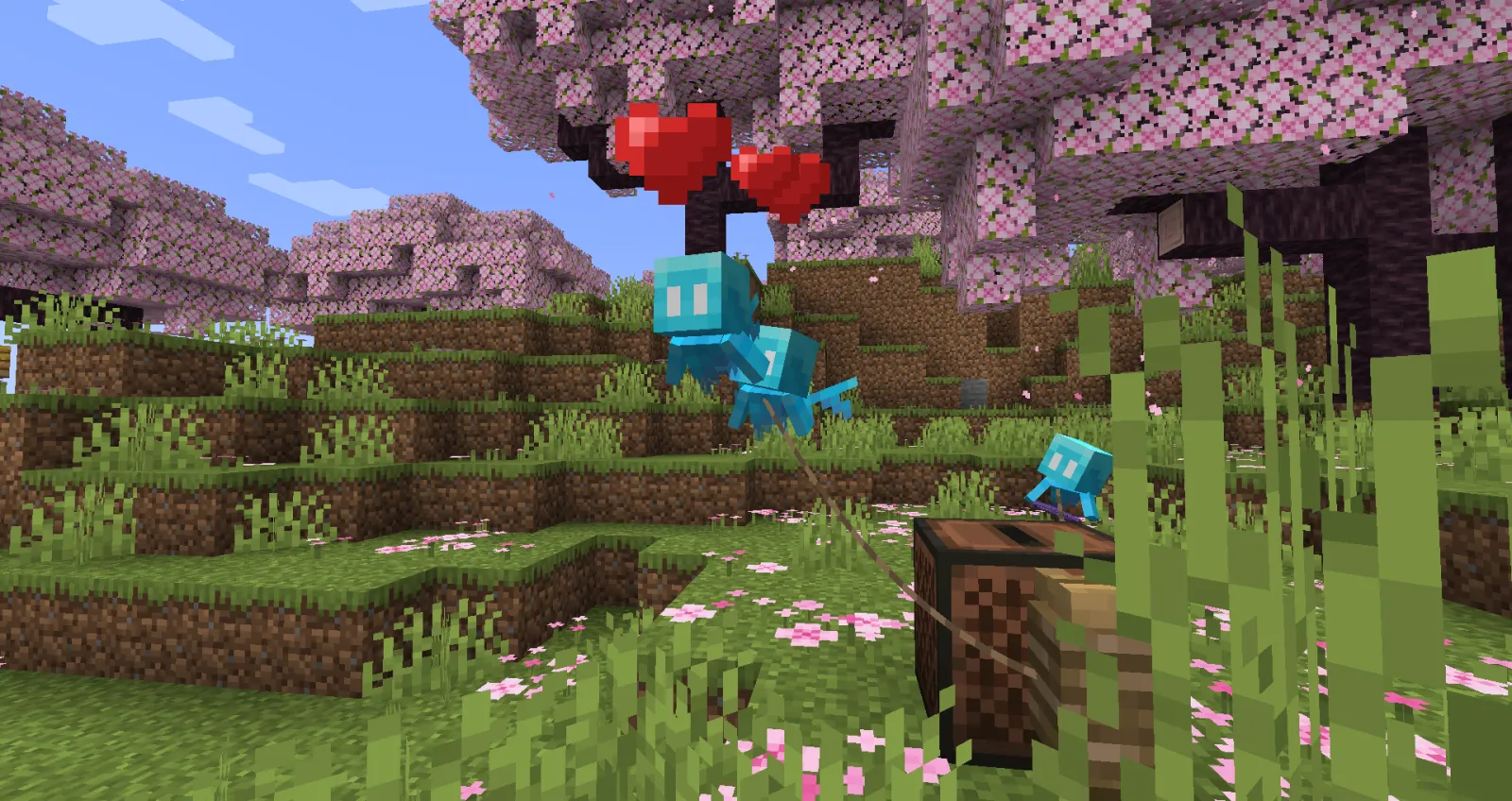
Here's the basic mechanic. Get two animals of the same species in close proximity, feed each one the proper food item, and hearts appear above their heads. A baby animal spawns after a few seconds. That's it.
The food requirements vary by animal type. Sheep, cows, and mooshrooms want wheat. Pigs want carrots, potatoes, or beetroot (they're not picky eaters). Getting these resources is usually the real limiting factor, not the animals themselves. Early on, you'll spend more time farming wheat than waiting for animals to breed.
Animals have a breeding cooldown of about 5 minutes after they produce offspring. This sounds annoying but actually helps prevent overcrowding. Build your farm design around this instead of fighting it.
Baby animals take 20 minutes of in-game time to mature into adults. You can speed this up by feeding them the same breeding food, but there's a limit before they're full and won't eat anymore. Plan accordingly if you're trying to scale quickly.
Livestock Breeding: Sheep, Cows, and Pigs
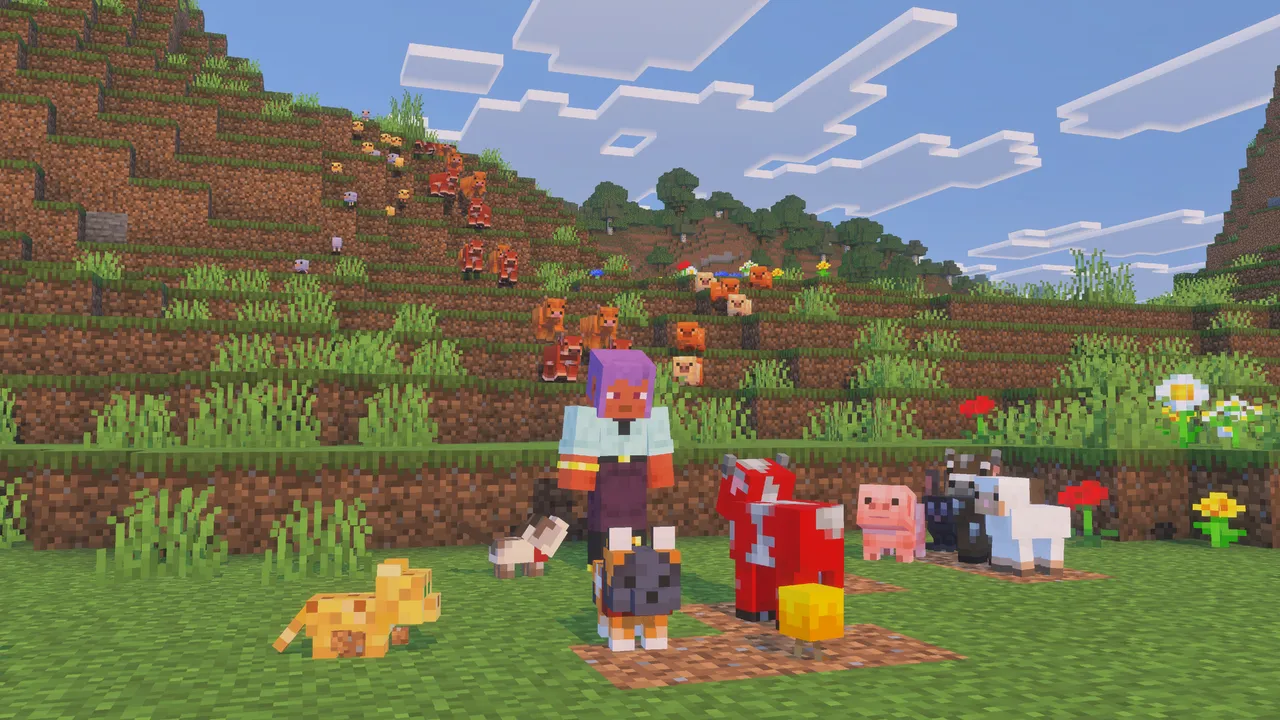
Sheep, cows, and pigs are the foundation of early-game animal farming. All three (except pigs) breed with wheat. If you're on a fresh world, establishing wheat crops is your first agricultural priority. Pigs are the outlier, wanting carrots, potatoes, or beetroot instead.
Sheep give wool and mutton. If you're doing building projects and need specific wool colors, breeding matters here. Breed two sheep of the same color together and you get a baby matching one parent color most of the time. If you need pink wool or lime for a specific build, selective breeding gets you there faster than running around the world.
Cows and mooshrooms breed identically but produce different drops. Regular cows give leather and beef. Mooshrooms (the red and brown variants in mushroom biomes) give mushroom stew when you milk them with a bowl, which is better food-per-resource than regular meat. If you find a mushroom biome, dragging a pair back to your base is worth the effort.
Pigs breed with carrots, potatoes, or beetroot and drop pork and leather. Not the most exciting option, but they breed quickly if you've crop farms set up. Chickens breed with any seeds: wheat, melon, pumpkin, doesn't matter. Chickens are fast breeders and give eggs and meat, making them perfect for early-game food production.
Getting started with breeding
If you're desperate for resources early on, breed chickens first. They breed with seeds (which come from punching grass), and eggs are efficient, stackable food. Move to cows and sheep once you have proper wheat farming running.
Horses, Donkeys, Llamas, and Mules
Horses breed with golden carrots or golden apples. Llamas want wheat or hyphae. These are more resource-intensive to breed because the breeding items are harder to get, but they're worth the investment if you want specific mounts.
Horse breeding is genuinely interesting because of hidden stats. Each horse has values for speed, jump height, and health. When you breed two horses, the baby inherits from both parents but can also roll better or worse stats than either of them. If you want a ridiculously fast mount for speedrunning, selective breeding over generations actually works and gets you better results than random horses.
Donkeys breed with golden carrots or apples the same way horses do. They're slower than horses but can carry chests, which is useful for mobile storage. Mules are weird because they're not bred the traditional way. Put a horse and donkey together and they create a mule, but it's not actual breeding. If you need mules, keep that horse-donkey pair around.
Specialized Breeding: Axolotls, Turtles, Frogs, and More
Axolotls breed with tropical fish. It's less about resources and more about genetics. You can get rarer color variants through selective breeding, which matters if you're building an aquatic display or just want specific aesthetics.
Turtles are unconventional. They don't breed with food directly. Feed them seagrass near sand, they lay eggs on that sand, and the eggs hatch naturally over time. And this is more passive than active breeding, which changes your farm design completely.
Frogs eat small dripleaves. Two frogs plus dripleaves near a water block triggers breeding. Baby frogs start as tadpoles and grow into adults. The interesting part is that frog color depends on which biome the tadpole grows in, so you can control variants by placing tadpoles in different biomes.
Bees don't breed traditionally. They pollinate flowers and produce honey instead. The mechanics are different but equally important if you're setting up apiaries.
Villagers technically aren't animals but they "breed" in a sense. Give them food and beds in proximity, they increase naturally. This is useful for maintaining trading populations or building breeding chambers for specific professions.
Building an Actual Animal Farm
Space matters more than you'd think. Animals need room to navigate properly. Cramming them into 1x1 spaces technically works but feels wrong and can cause pathfinding issues.
Start with pens that are at least 3x3 blocks. This gives animals space to exist without being wasteful about your build. Use fences and gates to keep them contained. If you're going purely for efficiency and don't care about aesthetics, water streams work great for herding and corralling large groups.
Separate species by pen. Mixing animals wastes food because you'll accidentally breed wrong pairs. Use different building materials for visual separation and you've got something less boring than flat dirt. If you're customizing your character's appearance for a multiplayer farm showcase, our skin creator tool lets you build something unique before heading to your farm.
Lighting is critical. Dark spaces prevent hostile mobs from spawning near your farm, which is essential for safety. Use torches, lanterns, or glow berries liberally around your breeding areas.
Food hopper systems work if you're building at scale. Dispenser and hopper chains can automatically release breeding food, but honestly, hand-feeding is fine for small to medium operations. Save the redstone complexity for when you really need it.
Before You Build Big
Breeding farms take up space and resources. Don't overcommit until you actually know what you need. I've built massive cow farms that produced leather faster than I could use it. Start smaller and scale based on your actual resource demands.
On multiplayer servers, coordinate with your friends. Here's the thing, you don't all need separate sheep farms. Maybe one person focuses on wool, another on meat, another on horses. It's more efficient and keeps your server from becoming a sea of pens. Check out our skin gallery if you want to stand out on your server while you're farming.
Version 26.2 includes all these animals and breeding mechanics without major changes from earlier versions, so whether you're on the latest release or an older snapshot, these fundamentals stay consistent.
The real secret to efficient breeding is patience and planning. Build small, expand when needed, and don't waste time optimizing what you don't actually use.

Lead writer at minecraft.how. Long-time Minecraft player running a small SMP server, testing every build, mod, and seed before writing about it.
Frequently Asked Questions
What food do you use to breed each animal in Minecraft?
How long does it take for a baby animal to grow into an adult?
Can you breed different animal species together?
How often can the same two animals breed again?
Can you control what color baby animals will be?
Have a Question or Tip about this Guide?Community Q&A
Ask a question or help other players below. Join the discussion and share your Minecraft tips!
Comments
No comments yet. Be the first to share your thoughts!