Minecraft Farms in 2026: Best Builds, Rates, and Mistakes
Minecraft farms in 2026 are still the fastest way to turn survival from grindy to fun: automate food, iron, XP, and key mob drops first, then scale into specialized builds. If you follow spawn rules and chunk loading basics, even simple designs produce ridiculous value for the effort.
You can beat the Ender Dragon without farms. Most players can also hand-mine every block for your mega base. Folks who try this can also walk to the airport. Technically possible, emotionally questionable.
Minecraft farms that are worth building first
If you're asking what to build first, don't overthink it. Start with farms that remove daily chores, not farms that look good in YouTube thumbnails. My early-game priority is always food, then iron, then XP, then one hostile mob farm for gunpowder. That order keeps momentum high and death spirals low.
And yes, villagers are still absurdly strong. A basic villager crop setup plus a composter loop gives steady carrots or potatoes with almost no maintenance. Add a smoker array nearby and you've got efficient food plus trading fuel. On one SMP reset, I skipped this and tried fishing for food because I felt 'old-school.' Lasted two days, then I crawled back to villager automation.
Iron farm timing matters more than design complexity. A tiny iron farm with correct villager-zombie sightline logic outperforms a pretty build with bad cell spacing. Build ugly first, decorate later. Your anvil addiction will thank you.
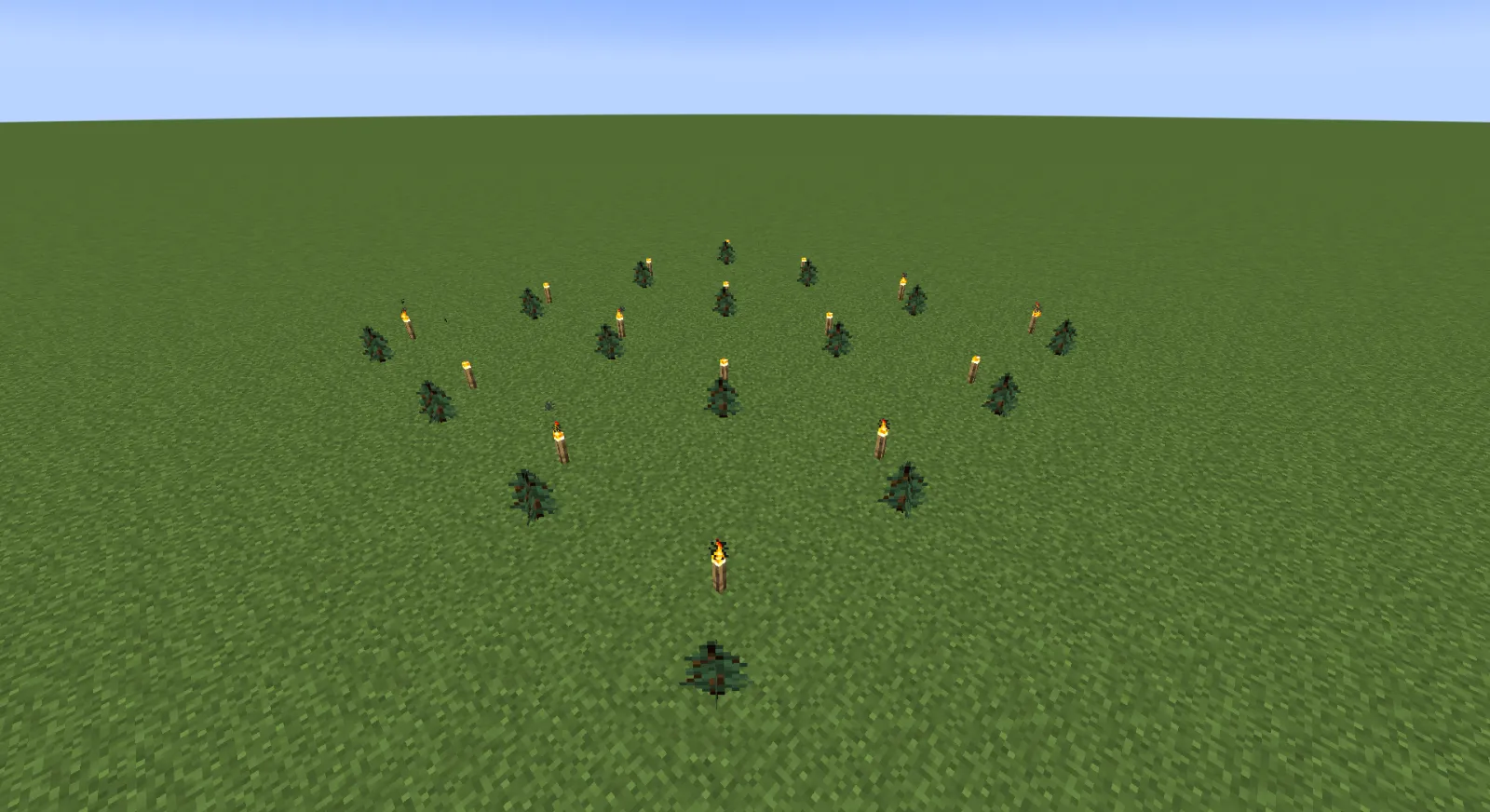
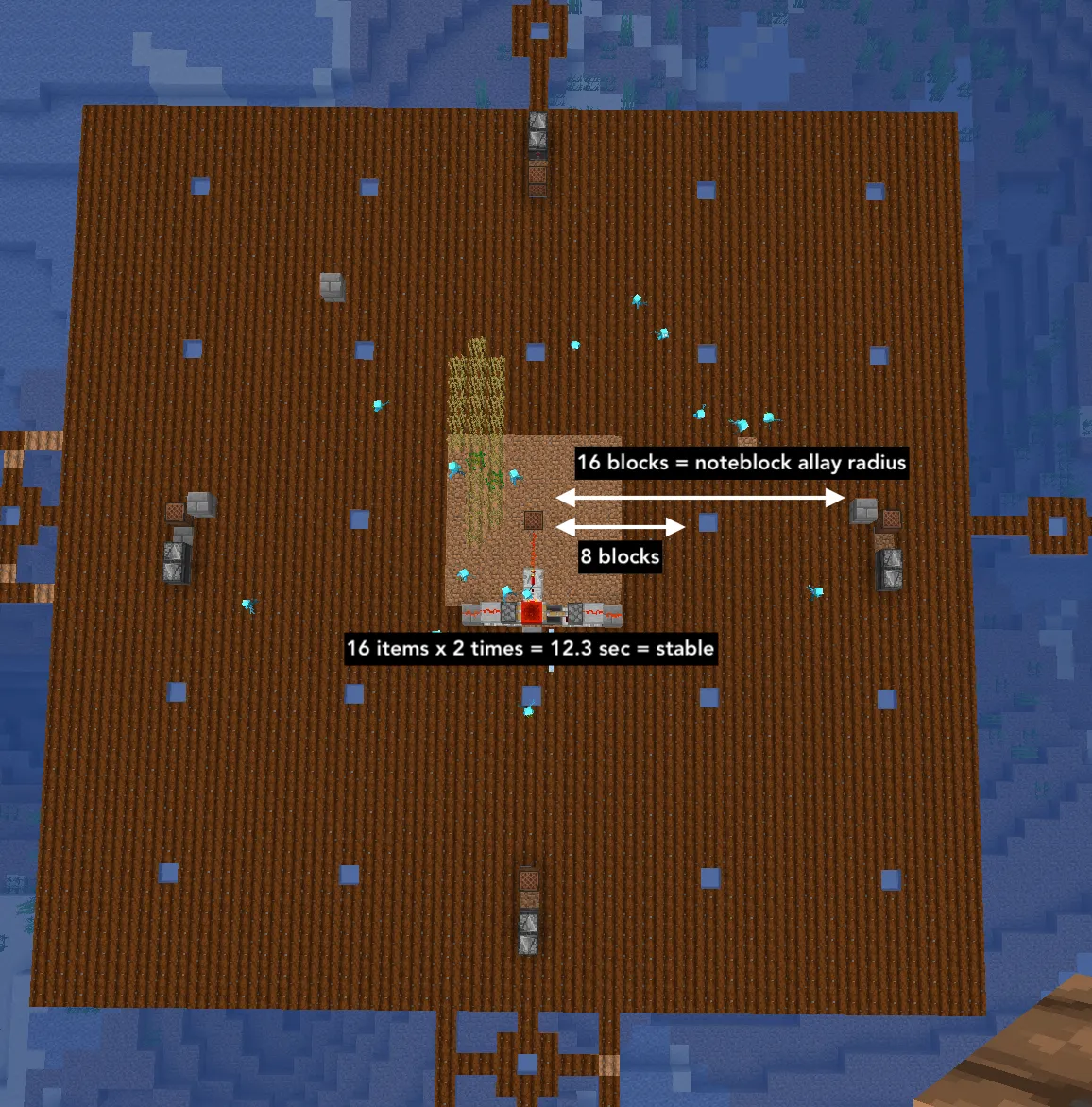
Mob farms are where players waste time. People copy a massive perimeter design before they own enough torches to light their own staircase. For most worlds, a compact platform-based hostile farm over an ocean works fine as your first gunpowder source. Is it max efficiency? No. Does it keep your elytra rockets flowing? Yes.
One quick style tangent: if you're doing AFK sessions in third-person for screenshots, grab a skin you actually like. I used this FarmSweat Minecraft Skin for farming-themed builds on a community server and somehow everyone assumed I knew redstone better than I do. Cosmetic confidence buff, zero gameplay stats.
How minecraft farms work in 2026
Most farm advice fails because it skips the boring mechanics. Farms are systems. Systems only work when spawn rules, simulation distance, mob caps, and item collection timing all agree with each other.
Here's the short version that saves hours:
- Spawn conditions: correct block type, light level, and valid space are non-negotiable.
- Mob cap pressure: caves and surface mobs steal your spawns, so location and spawnproofing matter.
- Kill and collection loop: if mobs/items don't clear quickly, your rates collapse.
- Chunk behavior: farms stop if key components unload, especially on larger worlds.
So, should you always perimeter your farm? Usually no. Perimeters are amazing for high-end projects, but they're a late-game optimization, not a requirement for useful output. I see players spend ten hours digging and then burn out before building the actual mechanism. Build first, optimize second.
Version timing also matters this year. PCGamesN reported in March 2026 that Minecraft's smaller quarterly drops continue, with 1.26.1 expected around March 2026 under the Tiny Takeover theme. That doesn't automatically break farms, but drop cycles can change mob behavior, loot tables, or edge-case redstone interactions. Test your core modules after updates, especially villager and mob logic.
One sentence that saves worlds: keep your farm modules modular. If one mechanic changes, you replace a chamber, not the entire structure.
Best minecraft farms by stage of survival
Players ask for a single 'best farm list,' but stage matters more than raw rates. A perfect end-game farm guide is useless when you still sleep in a dirt box with one torch and hope.

Early game (first 3-6 hours)
Focus on low-material returns:
- Manual-to-semi auto crop farm with water flush lanes
- Simple chicken cooker or cow breeder pen
- Sugar cane observer-piston strip
- Starter hostile mob tower above ocean or flat area
These aren't glamorous, but they unlock books, food security, and early rockets fast. I prefer sugar cane early over bamboo for one reason: paper feeds your enchant/trading pipeline immediately.
Mid game (diamond gear, Nether access, villagers online)
This is where automation starts to snowball:
- Iron farm (villager + zombie core)
- Villager trading hall with crop support
- Better mob farm tuned for gunpowder and bones
- Basic gold farm if you're using bartering heavily
But don't place every farm at your base center. Spread noisy systems a bit to avoid lag spikes and pathfinding overhead in one chunk cluster. My pick here's one utility district per biome edge, connected with ice boat paths or nether links. Boring infrastructure, huge quality-of-life.
Late game (elytra, beacon, technical projects)
Now chase scale and specialty output:
- Raid farm for emeralds, totems, redstone, and witch drops
- Wither skeleton farm for skulls and beacon supply
- Tree farm modules if your build style burns through logs
- Auto sorter backbone tied to all farm outputs
Raid farms are still borderline economy-breaking on most SMPs. Some servers nerf them, and honestly, I get why. If one player prints infinite emeralds in an afternoon, your village trading economy turns into performance art.
Actually, slight correction for Bedrock players: some Java raid farm assumptions about spawn control and stacking don't transfer cleanly. You can still get strong rates, just don't copy-paste Java expectations and then blame your villager.
Java vs Bedrock farm differences you can't ignore
Let's settle this politely: Java and Bedrock are both good, but farm behavior isn't identical. Pretending they're will waste your weekend.

Java usually has stronger support for advanced technical farms, tighter community documentation, and more predictable redstone edge-case behavior. Bedrock can run very efficient farms too, but mob spawning, simulation distance defaults, and trident killer style mechanics create different best practices. If your tutorial doesn't explicitly say edition and version, treat it as suspect.
And platform performance is relevant. The Loadout reported in June 2024 that Mojang began testing a native PS5 version. Better console optimization means more stable sessions for larger bases and farm districts, especially as update complexity increases. Still, better frame pacing won't fix bad farm logic. Lag can expose weak designs, not cause them.
Quick checklist before copying any blueprint:
- Confirm edition, patch, and creator's test environment.
- Match simulation distance and render assumptions.
- Verify collection and storage throughput, not just spawn platform size.
- Run a 15-minute AFK test before decorating.
Fifteen minutes now saves five rebuilds later.
Common minecraft farm mistakes and easy fixes
Most broken farms fail for predictable reasons. Good news, fixes are usually simple once you stop guessing.
Mistake 1: Building too close to caves and not spawnproofing.
Fix: light nearby caves, slab key surfaces, or relocate over an ocean. Spawn competition kills rates quietly.
Mistake 2: Oversizing collection systems.
Fix: start with one reliable kill chamber and validated hopper flow. Extra layers don't help if items despawn in a clogged line.
Mistake 3: Ignoring entity cramming and pathfinding load.
Fix: cap holding cells, shorten path routes, and remove unnecessary AI-heavy zones near your farm district.
Mistake 4: Trusting old tutorials blindly.
Fix: check publish date, comments, and version notes. If people report breakage after a recent drop, believe them.
Mistake 5: Chasing perfect rates too early.
Fix: pick 'enough' output first. A decent farm online today beats a theoretical max farm you'll build next month.
My rule is simple: one farm should solve one pain point. If the project has eight goals, split it into modules. You'll troubleshoot faster, upgrade cleaner, and avoid that midnight moment where nothing works and every villager looks mildly disappointed in you.
So what should you do this week? Build one practical farm, test it, then iterate. That's how survival worlds stop feeling like chores and start feeling like engineering playgrounds.

Lead writer at minecraft.how. Long-time Minecraft player running a small SMP server, testing every build, mod, and seed before writing about it.
Frequently Asked Questions
What farm gives the best overall value first in a new survival world?
How far should I build a mob farm from my base?
Do Minecraft updates usually break farms completely?
Are Java farm tutorials safe to use on Bedrock?
What's the easiest way to reduce lag from multiple farms?
Have a Question or Tip about this Guide?Community Q&A
Ask a question or help other players below. Join the discussion and share your Minecraft tips!
Comments
No comments yet. Be the first to share your thoughts!