How to Spawn, Breed, and Farm Horses in Minecraft
Horses spawn naturally in plains and savanna biomes throughout Minecraft 26.1.2, and you can breed them by feeding tamed horses golden apples or golden carrots. They drop leather and sometimes saddles when killed, making farms viable for sustained supplies. If you want a reliable source of saddles and leather without hunting wild horses constantly, a breeding farm is your best bet.
Where Horses Spawn
Finding your first horse requires knowing where to look. They spawn only in plains and savanna biomes, usually in groups of 2 to 6. You won't find them in forests, mountains, or deserts, so if you're spawning into a world and haven't located a plains biome yet, you've got some exploration ahead. That said, plains are pretty common, so it rarely takes long.
Horses need grass blocks to spawn on, which means they'll appear on surfaces where the ground is actually exposed. They won't spawn in caves or underground, and they're picky about lighting conditions. Spawning happens at light level 9 or higher during day cycles mostly, though they can appear at night too. The key is that grass needs to be present and accessible.
One thing I've noticed testing on my own server: horses seem to favor the flatter terrain in plains over the rolling hills. You'll see clusters on open flatland more often than scattered across uneven ground. If you're setting up a farm later, keep that in mind.
Taming and Breeding Mechanics
Getting a wild horse to obey you requires patience. You can't just hand-feed a horse and expect it to cooperate like you're bribing a cat with fish. Instead, you mount the horse repeatedly by right-clicking until it stops bucking you off. It typically takes 5 to 10 attempts before a horse is fully tame, though some are stubborn. You'll see red hearts pop up when it finally accepts you.
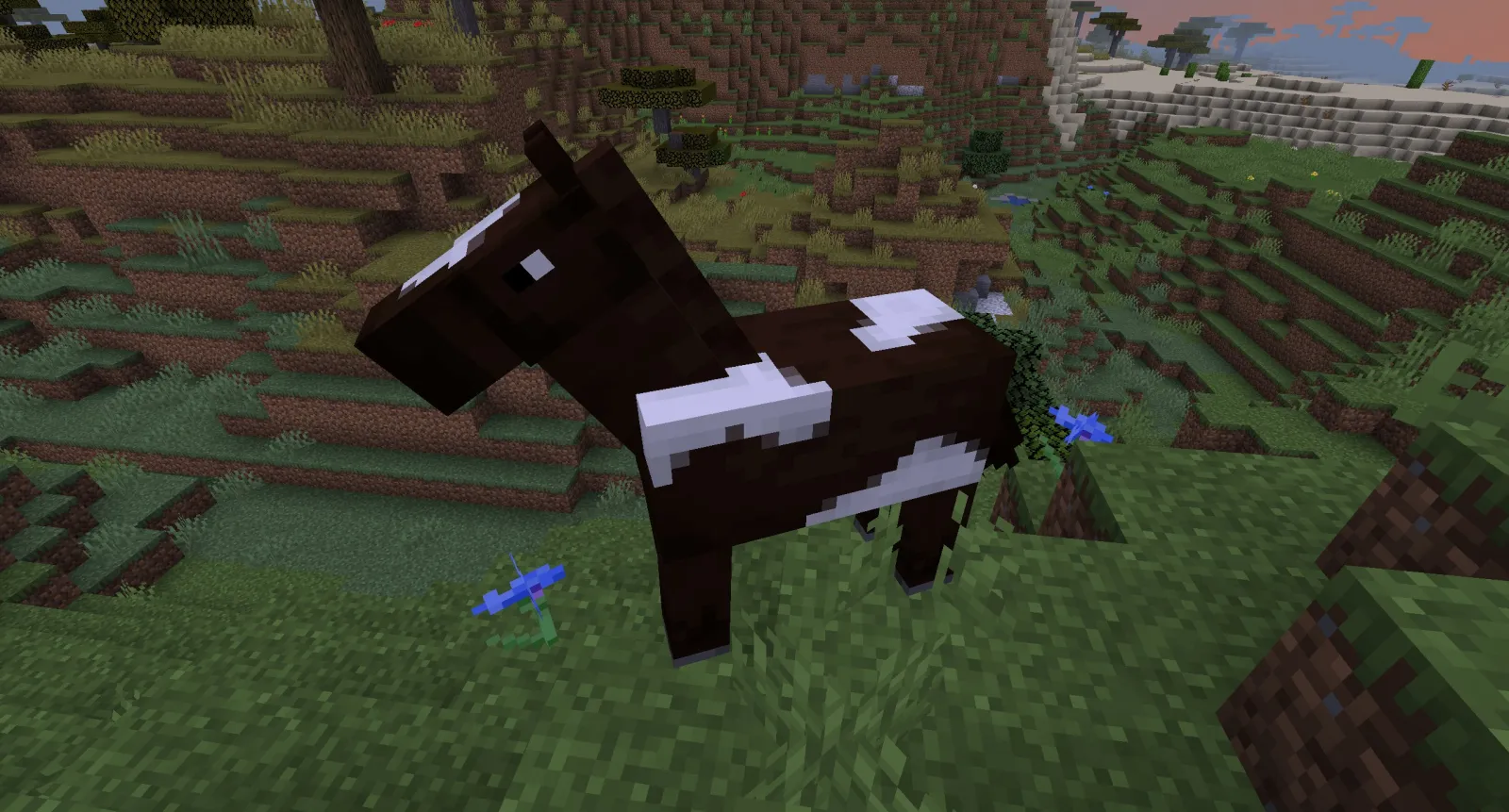
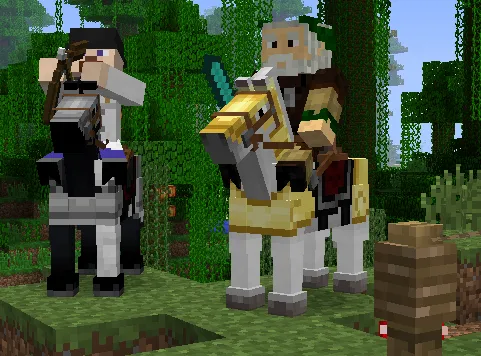
Once tamed, equip a saddle from your inventory. Horses don't come with saddles pre-attached, so you need to find one in loot or craft one. With a saddle equipped, you can control the horse with WASD movement and spacebar to jump. The jump height varies by horse quality (which you'll see visually in their health bar appearance), and they jump anywhere from 4 to 10 blocks high depending on genetics.
Breeding is where things get interesting. Feed a tamed horse either a golden apple or golden carrot, and you'll trigger breeding mode. Both horses need to be in love mode (visible by hearts), then they'll produce a foal within moments. The baby horse inherits traits from both parents, including speed and jump height. I've bred some genuinely fast horses by being selective over several generations, which is way more efficient than trying to tame every wild horse you find.
Understanding Horse Drops and Loot
Dead horses drop a handful of useful materials.

When you kill a horse, it always drops 1-3 pieces of leather. That's not new for early-game since leather's easy to come by, but if you're setting up a large farm, the passive income is real. Leather can be crafted into armor for basic protection or turned into item frames and armor stands for decoration.
The big drop is saddles. Not every horse carries a saddle when it dies, so the drop rate is roughly 12.5% per horse. That might sound low, but when you're farming dozens of horses, you accumulate saddles quickly without ever touching a mineshaft or stronghold. If you're outfitting players on a server, that's invaluable.
Setting Up an Efficient Horse Farm
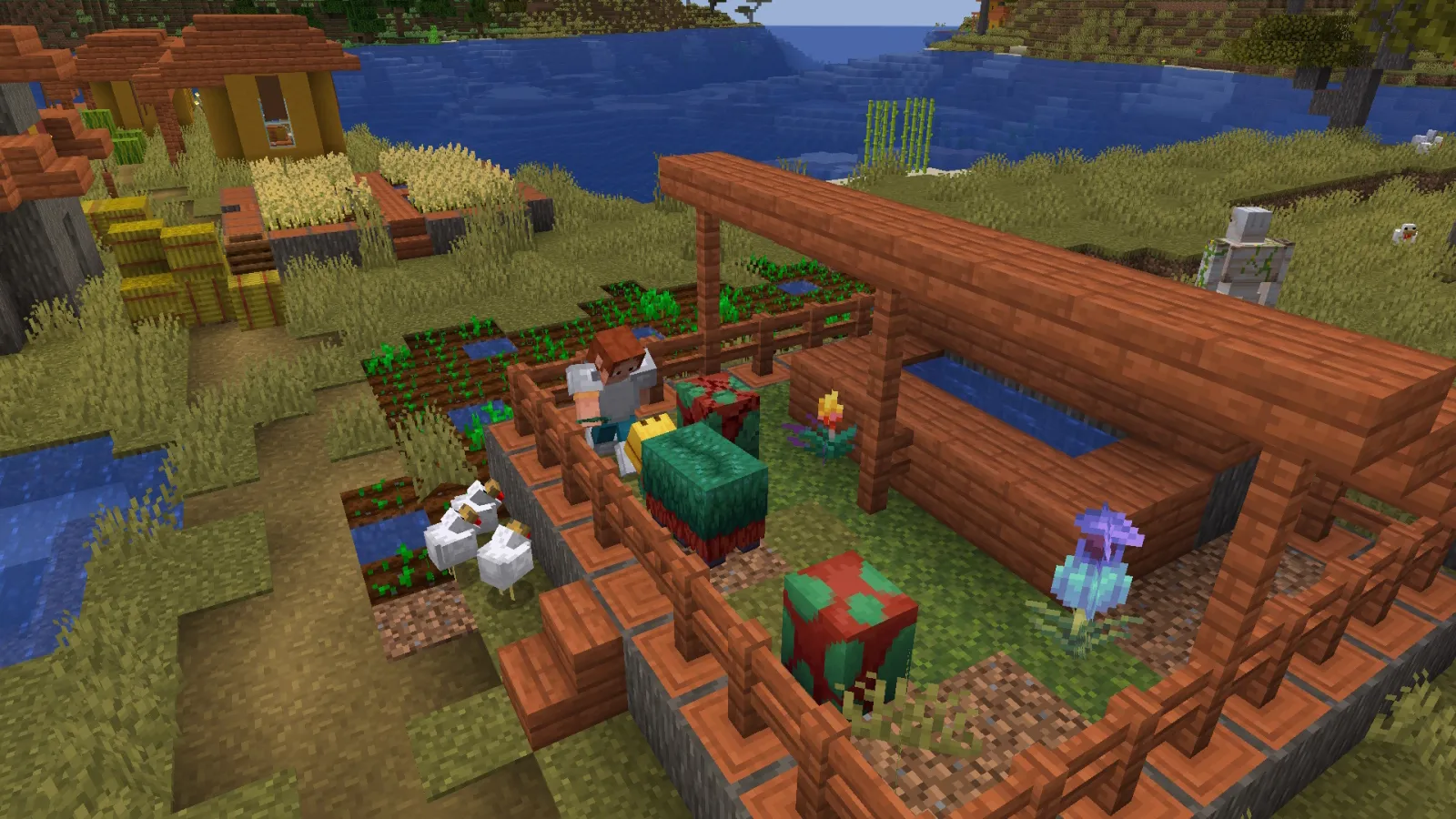
A basic horse farm is straightforward but requires some planning. Start by creating an enclosed area with grass blocks where horses naturally spawn. A 50x50 pen works fine for a small-scale setup. Make sure there's adequate light (at least 9 light level) and keep the grass blocks exposed. Walls should be at least 2 blocks tall to prevent escapes, though honestly horses are lazy enough that they rarely try.
The tricky part is separating breeding pairs from the rest of the herd. I use a secondary pen with a gate system. Once you've got a couple of quality horses isolated, feed them golden apples or carrots. Baby horses take about 20 minutes to mature, so after the first round, you can continuously cycle foals into a breeding pen while culling lower-stat horses back into the main herd.
For larger operations, add a third section for holding saddle-bearing horses that you want to preserve. That way you can cull the non-saddle horses for drops without losing your genetic stock. If you're managing a bunch of horses with different speeds and jump heights, using a Minecraft text generator to label them with name tags keeps things organized. You can color-code names by genetics or speed tier, which sounds geeky but saves hours of confusion.
Feeding the herd doesn't require a automated system. Horses eat hay bales or can graze on grass, so as long as your pen has grass regeneration (use bone meal or place tall grass), they won't starve. In my experience, a passive farm actually works better than constant attention.
Practical Uses Beyond Transportation
Most players think horses are just for faster travel, but there's more utility here. Horses with high jump stats can clear 5-block gaps, making them exceptional for parkour-style exploration across difficult terrain. If you're exploring and need to cross a ravine fast, a high-jump horse beats sprinting and jumping on foot.

Saddle drops from your farm also mean you have spares for players on multiplayer servers, which builds goodwill. Here's the thing, i've seen communities where the player with the best horse farm becomes genuinely important because saddles are the bottleneck for accessibility in early-game multiplayer.
There's also breeding for pure efficiency. Speed-bred horses move noticeably faster than random wild spawns. If you're planning cross-map travel routes and want reliability, breeding several generations of fast horses creates a meaningful speed advantage. Combine that with proper route planning using tools like the Nether portal calculator to identify shortcut routes, and you've got a seriously optimized travel setup.
Wrapping Up the Essentials
Horse farming is one of those things that feels small at first until you realize how useful a steady saddle supply actually is. The initial time investment in finding a plains biome and taming a couple of horses pays off quickly.
Start small with one breeding pair, let them produce a few foals, then scale up once you understand the mechanics. Don't overthink it. And honestly, if you're on a server with 20 players and you're the only one with a horse farm, you're suddenly very popular.

Lead writer at minecraft.how. Long-time Minecraft player running a small SMP server, testing every build, mod, and seed before writing about it.
Frequently Asked Questions
What biomes do horses spawn in?
How many attempts does it take to tame a horse?
What's the best way to breed horses efficiently?
Do all horses drop saddles when killed?
What size should my horse farm be?
Have a Question or Tip about this Guide?Community Q&A
Ask a question or help other players below. Join the discussion and share your Minecraft tips!
Comments
No comments yet. Be the first to share your thoughts!