Netherite in Minecraft: Everything You Should Know
Netherite is the highest-tier crafting material in Minecraft, found exclusively in the Nether and used to create the game's most durable armor and tools. To get it, you'll need to mine ancient debris deep underground, smelt it into netherite scraps, then combine those scraps with gold ingots and diamond gear at a smithing table. It's the endgame material that separates casual players from serious survivors.
What is Netherite Exactly?
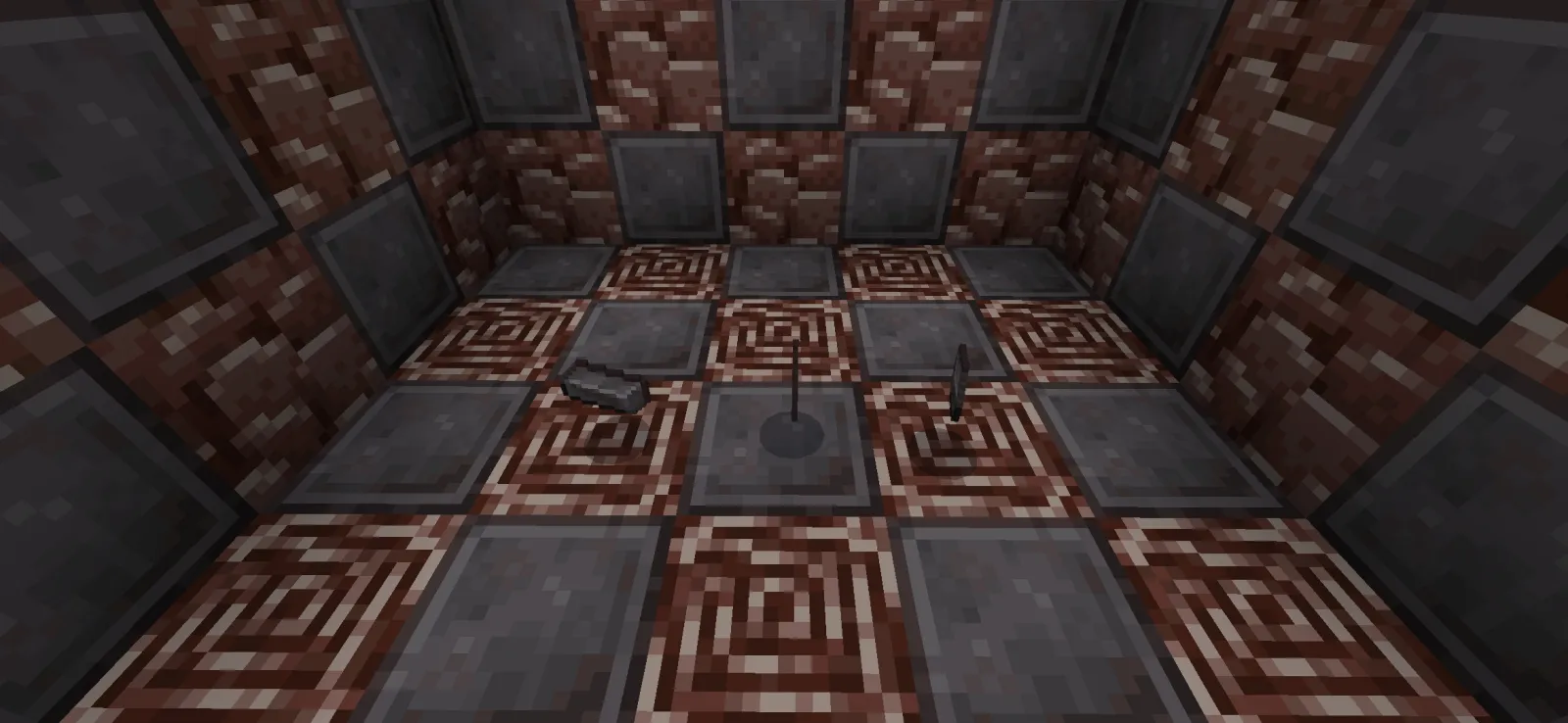
So here's the thing about netherite: it's not just diamond-but-better. It's the material Mojang added in 1.16 to give players something genuinely worth the risk of getting into the Nether's most dangerous depths. The ore itself shows up as small dark cubes of ancient debris, and unlike most ores, it doesn't drop as ore when you mine it. Instead, you get the raw material, which you then have to smelt in a furnace or blast furnace.
What makes netherite special?
- It has the highest durability of any tool or armor in vanilla Minecraft
- Tools made from netherite don't break and disappear in lava (they're immune to fire damage)
- It can float in lava, so if your pickaxe falls into a lava pool, you can actually retrieve it
- Armor gets knockback resistance, meaning you won't get knocked back as far by hits
The knockback resistance is honestly underrated. Anyone who's fought the Wither or a bunch of piglins knows how annoying it's to get pushed around. With full netherite armor, you stay planted.
Finding Netherite: The Hunt Begins
Ancient debris spawns only in the Nether, and only between Y-levels -64 and 21 in modern versions. But here's the catch: it's rare. We're talking maybe one or two blocks per chunk if you're lucky. Most players focus their search between Y-levels -16 and -64, where spawn rates are highest.
You need a diamond pickaxe minimum to mine it.
Iron won't work. Wood, stone, gold, netherite (once you've it) will all work, but only diamond or netherite pickaxes can actually extract the ore and drop the resource. This is one of those annoying restrictions that makes sense game-design-wise but has probably cost a few players hours of frustrated mining.
The most efficient way to hunt ancient debris is branch mining: dig long tunnels at your target Y-level, then dig side tunnels every few blocks. Some players prefer the "blast mining" technique, where you use TNT to clear out large areas faster (though you risk destroying the ancient debris in the process, so be careful). I tested both on my SMP server, and honestly, patient branch mining at Y-level -64 gets results faster than you'd think.
One practical tip: bring a lot of food and some water buckets. The Nether is hostile, and one ghast blast at the wrong moment can send you flying into lava. Also, mark your portal location. You don't want to be wandering lost in the Nether at low health.
Mining and Smelting the Raw Material
Once you've found ancient debris, mining it takes longer than most blocks. Don't panic; this is normal. It's a deliberate slowdown to make the material feel precious. Break a few pieces and head back to your base.
Now comes the smelting step, which trips up some newer players. You can't just throw the raw material in a crafting table. Instead, you need to:
- Put the ancient debris in a furnace or blast furnace along with any fuel (coal, charcoal, wood, etc.)
- Wait for it to smelt into netherite scraps (each ancient debris block makes one netherite scrap)
- Collect your scraps once smelting finishes
That's the first part done. But netherite scraps aren't the finished product. Far from it, actually.
Crafting Netherite Gear at the Smithing Table
Here's where most players get confused. You can't just dump scraps and gold in a crafting table and make netherite gear from scratch. Instead, you're "upgrading" existing diamond gear into netherite.
The process requires a smithing table. If you don't have one, craft it: one diamond block and four iron ingots in the shape of a crafting table (diamond on top, iron around it).
To upgrade an item, you need:
- One piece of diamond gear (helmet, chestplate, leggings, boots, sword, pickaxe, axe, shovel, or hoe)
- One netherite ingot (made from four netherite scraps plus four gold ingots, in a 2x2 pattern in a crafting table)
Drop both the diamond item and the netherite ingot into the smithing table's slots, and out pops the netherite version. It keeps all the enchantments from the diamond gear, plus gains the netherite-specific benefits like fire immunity and knockback resistance for armor.
And yes, you have to do this for each piece individually. Want full netherite armor plus a sword, pickaxe, and axe? That's six smithing operations, six netherite ingots, and 24 gold ingots total. It adds up fast.
Netherite vs. Diamond: Why the Upgrade Matters
You might be wondering: is it really that much better than diamond?
The durability difference is significant. A diamond pickaxe lasts 1,561 blocks. A netherite pickaxe lasts 2,031 blocks. It's a roughly 30% increase. Over the life of your gear, that's real. Tools don't break when mining stone or dirt, but when you're grinding through deep slate or digging a large tunnel, every extra use counts.
The fire immunity is game-changing in the Nether.
Drop your netherite armor in lava? Pick it up later. Drop your diamond armor in lava? Gone forever (unless you're wearing it and eat a water bucket). The Nether is full of lava lakes, so this protection isn't theoretical. I've personally saved my pickaxe more than once by it floating to the surface while I swam out of a pool.
Knockback resistance on armor is subtle but real. Standing your ground against piglins, ghasts, or the Wither becomes noticeably easier. You're not getting shoved around as much, which means you spend more time attacking and less time repositioning.
Diamond is still excellent gear, and honestly, for most survival playthroughs, diamond is more than sufficient. Look, netherite is the luxury item you chase when you're past the early-game struggle.
Best Uses and Strategy
Not all netherite gear is equally valuable. Prioritize what you upgrade based on what you actually use. On our server, most players upgrade the pickaxe first (you're mining constantly), then the sword (boss fights and dangerous exploration), then armor for protection.
Netherite's mining speed is identical to diamond's, by the way. Don't expect your pickaxe to work faster. The upgrade is purely about durability and the lava-safety feature. If you've got enchantments like Efficiency V on your diamond pickaxe, your netherite version will keep those exact enchantments, so you're not starting from scratch.
For PvP on multiplayer servers (check our server status checker to find active communities), netherite armor's knockback resistance is invaluable. It genuinely changes combat dynamics. A player in full netherite armor is noticeably harder to combo or knock around.
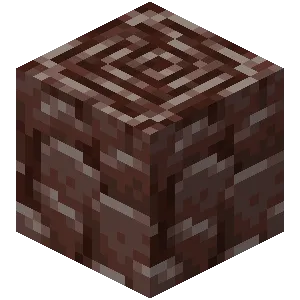
If you're wondering what other netherite blocks exist beyond the gear itself, netherite blocks are purely decorative. You can craft nine netherite ingots into a netherite block and place it for decor, but there's no functional reason to do so beyond aesthetics.
A Final Reality Check
Getting to full netherite doesn't happen overnight. You're looking at a solid few hours of Nether mining, smelting, crafting gold ingots, and smithing. But that's sort of the point. It's the carrot at the end of the survival stick, the marker of "okay, I've beaten this game's resource challenges."
And once you've got it? Your gear feels genuinely powerful. Tools don't break mid-project. Armor actually protects you. Falling into lava stops being a death sentence. It's one of those upgrades where the hype matches reality.
If you want to search for netherite blocks or visualize what you're looking for, our block search tool has all the technical details on ancient debris and netherite blocks.

Lead writer at minecraft.how. Long-time Minecraft player running a small SMP server, testing every build, mod, and seed before writing about it.
Frequently Asked Questions
Where exactly do I find netherite in Minecraft?
What pickaxe do I need to mine ancient debris?
How do I craft netherite items?
Is netherite armor worth the effort compared to diamond?
How many netherite ingots do I need for full armor and tools?
Have a Question or Tip about this Guide?Community Q&A
Ask a question or help other players below. Join the discussion and share your Minecraft tips!
Comments
No comments yet. Be the first to share your thoughts!