SimpleCloud-Legacy: Why You Shouldn't Use It (And What To Do Instead)
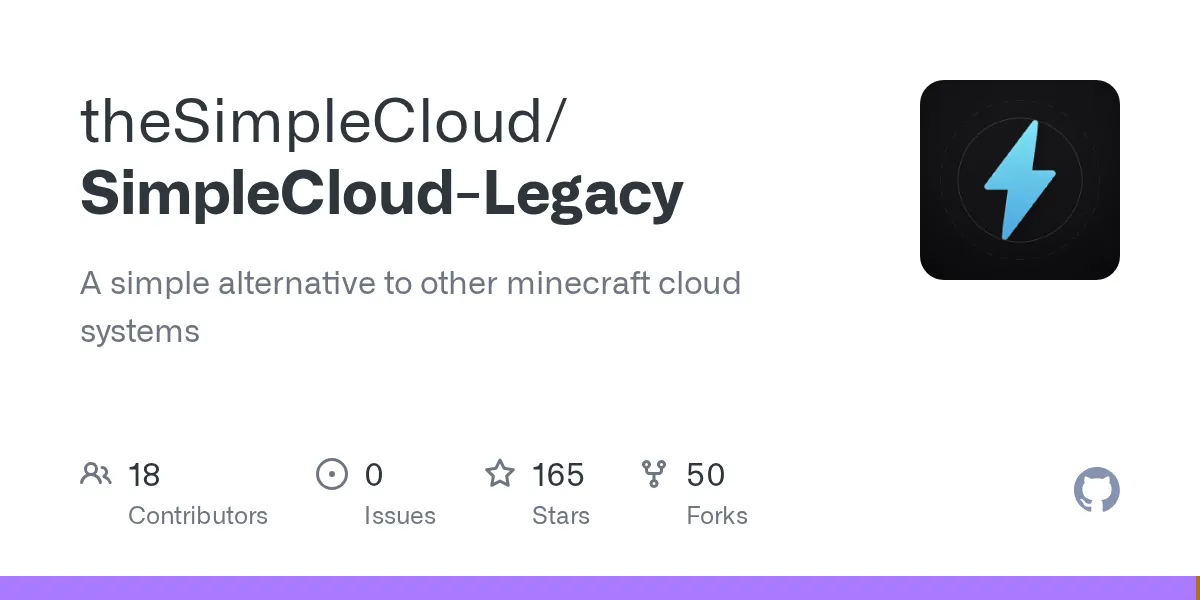
SimpleCloud-Legacy (theSimpleCloud/SimpleCloud-Legacy)
A simple alternative to other minecraft cloud systems
If you're searching for SimpleCloud, you've probably stumbled onto the legacy version on GitHub. Here's the thing: you almost certainly don't want this one. It's discontinued, unmaintained, and the project's own README tells you to use something else. But if you're curious about the history behind Minecraft server management tools, or you're digging into how cloud systems work, there's actually something worth understanding here.
What SimpleCloud-Legacy Is
SimpleCloud started as an alternative to the heavier-weight Minecraft cloud systems floating around. Built in Kotlin with 165 GitHub stars, it was designed to be simpler than the bloat most server managers carried. The legacy version represents the original codebase before the project pivoted to its current incarnation.
This isn't a mod, a plugin, or a client mod. It's infrastructure-level software - the kind of thing you'd run on a dedicated machine to manage multiple Minecraft server instances across a network. Think of it like having one control panel that spawns, monitors, and shuts down your game servers on demand.
Why This Version Is Dead (And When It Died)
The repository carries a hard warning right at the top: discontinued, no longer maintained. That last release (v2.8.1) included a hotfix for Minecraft versions below 1.21.1, but beyond that, active development stopped. This project's maintainers decided to rebuild from scratch with a new architecture, which became the current SimpleCloud.
You might wonder why they didn't just patch the legacy version. Server management tools get complicated fast. Architectural decisions that made sense in 2023 or 2024 become technical debt when you're running at scale or dealing with new Minecraft versions. A rewrite often wins over endless patches.
So Why Does This Article Exist?
Fair question. The honest answer: sometimes understanding why a tool got abandoned teaches you something useful about Minecraft server infrastructure. If you're learning how these systems work, or you're evaluating what SimpleCloud became, the legacy version offers historical context. But that's pretty much it.
And because honestly, anyone searching "SimpleCloud Minecraft" or "Minecraft cloud system" in 2026 deserves to know which version is actually maintained and worth their time.
The Right Choice: Current SimpleCloud
SimpleCloud's maintainers rebuilt from the ground up, and if you're actually looking to manage Minecraft servers in a cloud setup, that's what you want. It's actively developed, supports current Minecraft versions, and has actual documentation behind it. The README for the legacy version literally points you there:
- Website
- Documentation
- Current GitHub repository
- Dashboard
If you're managing a serious server setup, that's where you spend your attention.
When You Might Look At The Legacy Code
There are a few narrow cases where the old repo matters:
- You're running ancient SimpleCloud instances and need the original docs (they're archived in the repo as LEGACY_DOCUMENTATION.md)
- You're studying Kotlin and want to see how a real Minecraft tool was structured
- You're researching the evolution of Minecraft server management and curious how the architecture changed
Beyond that? You're not going to install this. Not for production, not for learning the current version (because it's outdated), not for anything practical in 2026.
How Minecraft Server Management Evolved
SimpleCloud's jump from legacy to rewrite is pretty typical. Early Minecraft server tools were often monolithic - one codebase doing everything from spawning servers to managing player data. Here's the thing, as the ecosystem matured, teams realized you could split concerns: orchestration layer, configuration, monitoring, networking, all separate pieces that talk to each other. That's usually what a rewrite chases.
If you're curious what matters in a modern server management tool, look at what SimpleCloud rebuilt around: containerization support, cleaner APIs, better observability. The legacy version worked, but it was built before a lot of those patterns became standard.
Alternative Server Management Tools Worth Your Time
If you're looking for ways to manage multiple Minecraft servers, there are actively-maintained options worth exploring. The minecraft.how server list tracks hundreds of community-run instances, many using different infrastructure approaches. Some network admins build custom solutions, others use containerization, others lean on existing cloud platforms.
SimpleCloud (current version) handles the orchestration side. But depending on what you're actually trying to do - from running a small friend group to hosting a larger network - the right tool might be different. Don't let a GitHub star count decide for you.

Lead writer at minecraft.how. Long-time Minecraft player running a small SMP server, testing every build, mod, and seed before writing about it.
Frequently Asked Questions
Is SimpleCloud-Legacy still usable in 2026?
What's the difference between SimpleCloud-Legacy and the current version?
Can I install SimpleCloud-Legacy from the GitHub releases?
What language is SimpleCloud-Legacy written in?
Where should I go if I want an actual Minecraft cloud server system?
Have a Question or Tip about this Guide?Community Q&A
Ask a question or help other players below. Join the discussion and share your Minecraft tips!