How to Build a Cohesive Minecraft Network with ValioBungee
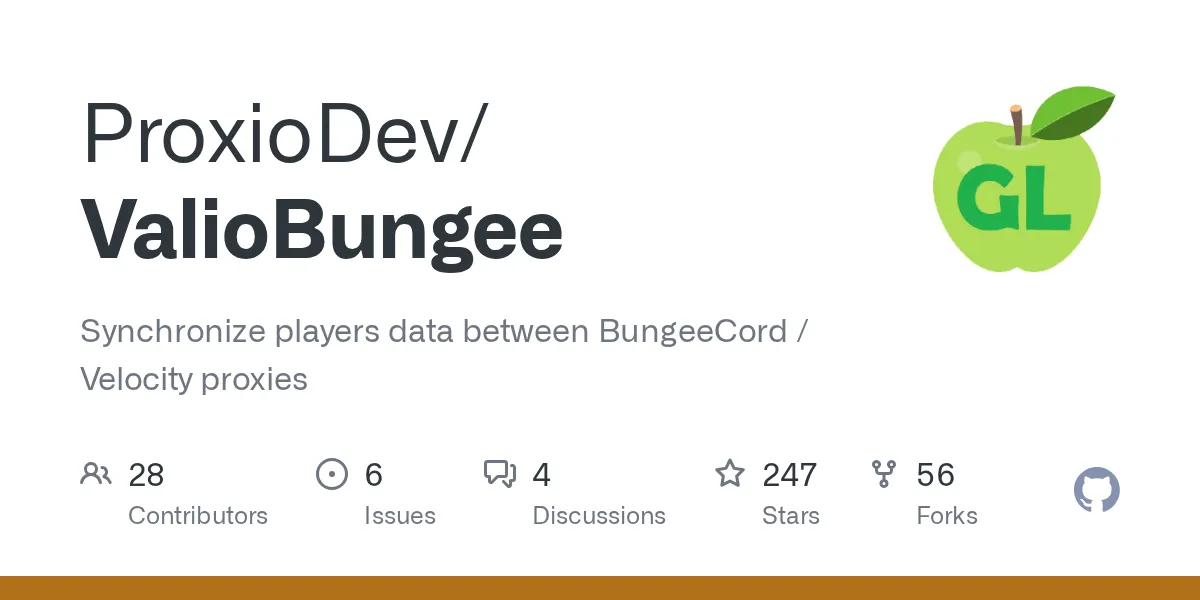
ValioBungee (ProxioDev/ValioBungee)
Synchronize players data between BungeeCord / Velocity proxies
Running a Minecraft network across multiple servers sounds great until you realize players expect to carry their data everywhere. If your friend joins with 50 emeralds and switches to a different proxy server, they shouldn't lose them. That's what ValioBungee solves - it keeps player data synchronized across all your BungeeCord and Velocity instances using Redis.
What's ValioBungee?
ValioBungee is a fork of the long-abandoned RedisBungee project, updated and maintained by ProxioDev. It's a Java plugin that syncs player information (inventory, location, experience, and custom data) across multiple proxy servers through a central Redis database. If you're running a distributed Minecraft network, this plugin bridges the gap between independent proxy instances so players experience a smooth network no matter which server they connect to.
The original RedisBungee hasn't been updated in years, and the creator moved on. Rather than let server admins scramble with outdated code, ProxioDev revived the project as ValioBungee (the name change was necessary due to trademark restrictions, though the internals remain largely the same). It's a genuinely useful example of community maintenance - someone saw a problem and fixed it.
Why You'd Need This
Most single-server Minecraft setups don't need this. It's when you start building a proper network that things get complicated. Say you're running a hub server and three game servers (survival, creative, pvp). Players should be able to jump between them without losing progress.
BungeeCord and Velocity already handle getting players from the proxy to individual servers, but they don't share data about who's online, what items they're holding, or custom data your plugins have stored. ValioBungee fills that gap. But it uses Redis as a shared data layer, so all your proxies can ask "is player Bob online?" and get the same answer regardless of which proxy answers.
Common use cases include:
- Networks with multiple hub/lobby servers where players should see who's online across the whole network
- Hub-and-spoke architectures where players join a hub first, then pick which game server to play on
- Custom cosmetics or ranks that should follow players between servers
- Shared leaderboards or statistics
- Preventing duplicate logins if a player connects to multiple proxies simultaneously
You don't need this if you're running a single server or a small proxy network. If you're operating at scale or want your network to feel like one cohesive system instead of separate servers, it becomes valuable.
Getting Started with ValioBungee
First, you'll need a running Redis server. If you don't have one, that's your actual first step (not part of ValioBungee itself). Then, grab the plugin.
Download the latest release from GitHub:
wget https://github.com/ProxioDev/ValioBungee/releases/download/0.12.6/RedisBungee-Proxy-Bungee-0.12.6-all.jarMove it to your BungeeCord plugins folder:
mv RedisBungee-Proxy-Bungee-0.12.6-all.jar /path/to/bungeecord/plugins/Restart BungeeCord. It'll generate a configuration file with defaults. Edit config.yml (usually in the plugins/RedisBungee folder) to point to your Redis server:
redis:
 host: localhost
 port: 6379
Restart again, and the plugin starts syncing player data. Simple in theory, but there's a recent gotcha worth knowing about (see the troubleshooting section below).
How It Works
ValioBungee uses a Java Redis client called Jedis to connect to Redis and store player information. When a player joins, the proxy publishes their data to Redis. Other proxies subscribe to these updates, so they know who's connected across the entire network.
You can query this data through the RedisBungeeAPI. If you're developing a plugin that needs to know "is player X online right now across the entire network?" instead of just on this server, that's what the API is for. Behind the scenes, it's storing player names, UUIDs, and connection state. Custom plugins can store their own data too, which is why it's useful for things like shared cosmetics or network-wide achievements.
Known Issues and Quirks
Here's where ValioBungee gets interesting (and slightly frustrating).
The Adventure API relocation issue: Version 0.12.6 was released as a hotfix specifically because BungeeCord and ValioBungee were using different versions of the Adventure text library, causing conflicts. If you're using Adventure API in your plugins that also use RedisBungeeAPI, you'll need to recompile them after updating. This is annoying, but it's a real problem with Java dependency management and not unique to this project.
Older plugins expecting the old API: The maintainer notes that version 0.13.0 (coming soon) will include a compatibility layer for plugins written for the original RedisBungee. If you're sitting on old plugins, you might hit this, but it's being addressed.
Redis connectivity: If Redis goes down, your proxies can't sync. But this isn't ValioBungee's fault, but it's worth knowing. You should monitor your Redis instance separately.
Configuration varies by use case: There's a wiki with setup instructions, but buried in the details are context-specific decisions about what data to sync and how to handle conflicts. It's not a one-size-fits-all plugin.
Comparing to Alternatives
ValioBungee isn't the only way to sync player data across proxies. Custom solutions exist, but they require development work and ongoing maintenance. Built-in proxy features in Velocity and BungeeCord have some player tracking, but it's limited to immediate network awareness without persistent data sync. Other Redis-based solutions are out there, but ValioBungee is actively maintained and has real community weight behind it. For most networks, it's the practical choice without requiring you to build infrastructure from scratch.
Making Your Network Feel Cohesive
Once ValioBungee is running, your network starts to feel like a single system. Players see their friends online, rankings follow them between servers, and custom items don't get lost when they switch servers. That cohesion matters more than you'd think.
If you've ever played on a poorly-connected network where you lose items when changing servers or your rank resets, you know how jarring it's. ValioBungee removes that friction. As you build out your network, you might want to browse Minecraft skins to find cosmetics to offer your players, or check out the free DNS tool if you're setting up custom domains for your network.
ProxioDev/ValioBungee - EPL-1.0, ★247
Lead writer at minecraft.how. Long-time Minecraft player running a small SMP server, testing every build, mod, and seed before writing about it.
Frequently Asked Questions
What license is ValioBungee released under?
Can I use ValioBungee with Velocity instead of BungeeCord?
What happens if my Redis server goes offline?
Do I need to know Java to use ValioBungee?
How does ValioBungee compare to writing a custom sync layer?
Have a Question or Tip about this Guide?Community Q&A
Ask a question or help other players below. Join the discussion and share your Minecraft tips!