Iron Golem Guide: Spawning, Farm Design and Drops

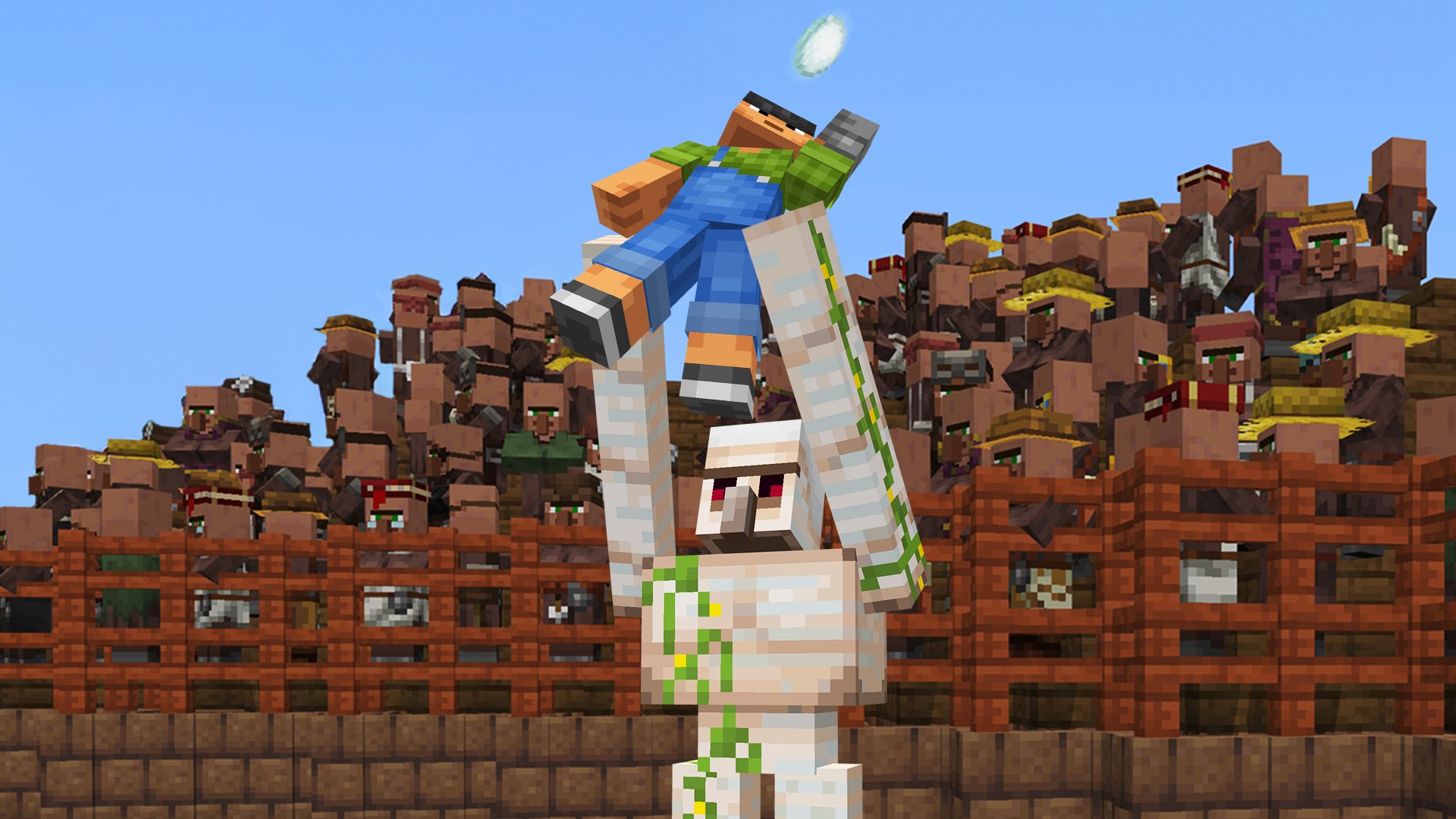
Iron golems spawn when you place iron blocks in a T-shape configuration and top it with a carved pumpkin. They're one of the best renewable resources in Minecraft, dropping iron ingots and poppies consistently. A well-designed farm can produce thousands of ingots per hour in version 26.1.2.
How Iron Golems Spawn
The spawning mechanic is surprisingly simple once you know what you're doing. You need four iron blocks arranged like this: three blocks horizontal on top, one block underneath the center. Then place a carved pumpkin on the center block. Here's the thing, boom. You've got an iron golem.
But there's a catch (there's always a catch). The iron golem doesn't spawn instantly. A pumpkin has to be placed last, and the game checks for certain conditions:
- The golem needs at least a 3x3x3 space to spawn in
- There can't be a solid block above the pumpkin
- Lighting doesn't matter for spawning, unlike other mobs
- The blocks need to form in the right order, though the game is flexible about timing
Most farms use this mechanic repeatedly, stacking multiple spawning platforms on top of each other. Villager presence actually encourages iron golems to spawn naturally, which is why village-based farms work so well. Village golems will stick around as long as they're close to enough villagers.
Building Your First Iron Golem Farm
Start small. Seriously. I've seen people jump into massive 20-layer farms and give up halfway through redstone troubleshooting. A simple single-layer farm with five or six spawning platforms teaches you the fundamentals without burning you out.
The basic design works like this: each spawning platform has enough room for iron blocks and a pumpkin. Beneath that sits a killing mechanism (usually fall damage or suffocation). Below the killing zone, you need a collection area with hoppers feeding into storage.
Fall damage is the easiest route for beginners. Drop golems about 30 blocks and they'll die from fall damage, leaving their drops intact. Water breaks the fall differently depending on depth, so test it before committing to a full build. Actually, let me clarify that: water damage reduces fall damage, so you need enough distance. Typically 40+ blocks works reliably.
Multi-layer farms multiply production. Stack five layers and you've got five times the output of a single-layer farm. But each layer needs proper loading to prevent lag issues. If you're running a multiplayer server, consider using the Minecraft Server Status Checker to monitor performance while testing your farm under load.
Water channels and hoppers handle collection. Route everything through a single funnel point leading to chests or barrels. Hopper minecarts work too if you want to route items across long distances, but they're slower than direct hopper chains.
What Iron Golems Drop
Each golem drops between 3-5 iron ingots. That might sound low until you realize a decent farm spawns golems constantly.
They also drop 0-2 poppies per kill. These are mostly useless unless you're building a flower farm, but they stack up in storage. Sell them to wandering traders or compost them if you're into redstone contraptions.
The iron is where the real value sits. A moderately efficient farm produces enough iron to fully equip yourself in diamond tools plus netherite, then have thousands left over. By late game, iron genuinely becomes the bottleneck resource, not diamonds. Most players aim for farms that produce 100+ ingots per hour, which is totally doable with a basic design.
Optimizing Your Farm for Maximum Efficiency
Several tweaks push production higher. First, make sure your spawning platforms have zero nearby dark areas where other mobs can spawn. So this sounds obvious, but strays and other creatures eating spawn attempts wastes enormous efficiency. Light everything around your farm.
Second, golems care about villager proximity. Pack villagers into a small area within the farm. They don't need to move or work. Just exist. Their presence encourages golem spawning nearby. I'd recommend one villager per two or three layers, though honestly, even oversaturating with villagers doesn't hurt.
Third, loading speed matters. Golems only spawn in loaded chunks. If you're not actively watching your farm, it's producing nothing. Most players use an AFK spot directly above or beside the farm to keep chunks loaded while they go make coffee.
Entity cramming helps with collection. Pack golems close together before the killing mechanism, and the damage effects trigger faster. Don't go crazy though. Too many mobs in one spot causes lag spikes that actually slow production.
For multiplayer setups where you want to manage farm access carefully, the Minecraft Whitelist Creator helps you control which players can access your server and potentially use the farm.
Common Mistakes That Wreck Production
Most farms underperform because of simple oversights.
Not removing the pumpkin between spawns is honestly the worst. Some designs reuse the same pumpkin, which breaks the spawning checks. Place the pumpkin, let the golem spawn, retract the pumpkin, repeat. Designs using pistons to place and remove pumpkins work perfectly.
Insufficient killing mechanisms rank second. Golems are tanky. Fall damage needs to be precise. Too shallow and they survive with barely any health (then despawn if you're not careful). Suffocation from pistons is more reliable if you get the timing right, but it's also more redstone-heavy.
Overcomplicated collection systems. Hoppers work. Hoppers with minecarts work. Double-chests with hoppers feeding into them work. Don't overthink it. I've seen farms with item sorters that took three times longer to build than the spawning mechanism itself.
Bad platform spacing causes mobs to spawn on wrong levels. Make sure platforms sit far enough apart that golems definitely spawn on the intended layer, not on some intermediate platform you forgot about.
Chunk loading issues kill production silently. If you're only getting 10 ingots per hour from what should be a 100 ingots per hour farm, the chunks probably aren't loaded. Test by standing in front of a spawning platform for ten minutes and counting golems. If it's way below expected, something's wrong with your setup or loading.
Farm Designs for Every Skill Level
Beginners should build a single-layer platform with drop damage collection. Takes about 30 minutes and produces decent yields.
Intermediate players can stack layers, add hopper systems, and incorporate a few villagers. This jumps production significantly with only modest complexity increase.
Advanced builds integrate piston-based spawning control, automatic pumpkin placement and removal, and even automatic sorting systems. These produce more, but they're genuinely complex. Make sure you understand redstone before committing to a month-long build project.
The 2x2 compact design works great for tight spaces. Limits throughput compared to sprawling farms, but saves space. The 10x10 open platform design maximizes output per layer. Neither is objectively better. Pick what fits your base.
Whatever you build, test it at a small scale first. Build two layers, let it run for an hour, calculate the hourly rate. If it's significantly below what you expected, troubleshoot before expanding.