Amethyst in Minecraft: Complete Guide to Finding and Using

Amethyst is a decorative purple mineral found exclusively in amethyst geodes deep underground. It's purely aesthetic with no crafting recipes or practical function in vanilla Minecraft, but it's become essential for builders wanting authentic purple coloring. You'll need a stone pickaxe or better to harvest it, and geodes spawn between Y-level 0 and 64 in cave systems throughout your world in Minecraft Java 26.1.2.
What's Amethyst in Minecraft?
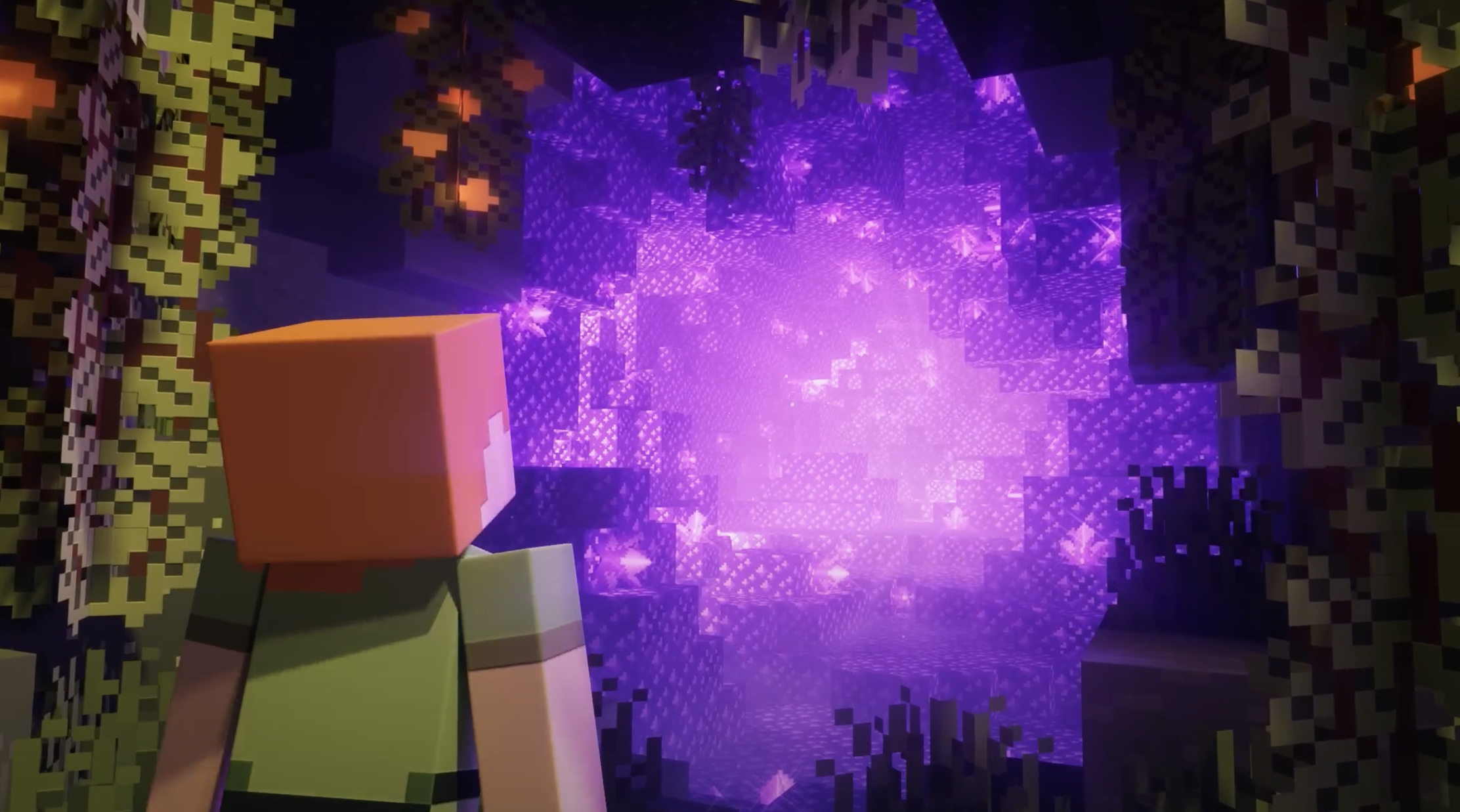
Amethyst blocks come in four growth stages representing a crystal's development. You've got small buds that barely protrude from the cave wall, medium buds showing more definition, large buds that look almost ready, and finally full clusters that sparkle brilliantly. The pale purple coloring is unmistakable - it's distinct enough from other blocks that you'll spot it immediately once you know what to look for.
Here's what makes amethyst unique: it's completely useless from a survival mechanics perspective.
No crafting recipes. No enchanting materials. No combat applications. Honestly, and that's exactly why builders love it - it forces you to think about aesthetics instead of just grinding for power upgrades. The block was introduced in version 1.17 (Caves & Cliffs) back in 2021, and it fundamentally changed how people build with purple themes. Before amethyst, purple options were limited to purple concrete, purpur blocks, or purple wool. Amethyst offered something new: crystalline, translucent-ish blocks that catch light differently.
Where Amethyst Geodes Generate
Amethyst geodes are the only source of amethyst blocks in vanilla survival Minecraft. These structures appear randomly in cave systems between Y-level 0 and 64 in Java Edition 26.1.2.
The geodes themselves are pretty large. Usually they take up a significant chunk of cave space, made of calcite (cream-colored stone) on the outside with amethyst crystals forming the interior. When you break through the calcite shell, you'll find yourself in a hollow geode chamber lined with amethyst at various growth stages.
Geodes aren't particularly rare, but they're not everywhere either. Finding them is more about exploration than luck - you've got to actually go into caves and explore them thoroughly. If you're planning extended mining expeditions, verifying your server connection matters. Our Minecraft Server Status Checker ensures your connection stays stable during long cave diving sessions.
Mining Amethyst the Right Way
Your pickaxe choice matters here. Wooden pickaxes won't work - you need stone-level tools minimum.
- Stone pickaxe: Meets minimum requirements with adequate mining speed
- Iron pickaxe: Practical choice with noticeable speed improvement
- Diamond pickaxe: Mines faster still, though most players find iron sufficient
- Netherite pickaxe: Fastest option, honestly overkill for decorative blocks
Here's the critical thing that trips up new players: small buds, medium buds, and large buds don't drop anything when mined. They just break. Only fully-developed clusters actually drop blocks when broken. So if you're trying to maximize amethyst collection, you need discipline - break only the full clusters and leave the younger buds alone to grow.
Bone meal accelerates growth.
If you're impatient, right-click a bud with bone meal and it instantly progresses to the next stage. This trick works for any crop-like block, including amethyst, which is useful if you want to set up a small farm near your base.
Building With Amethyst
Amethyst is essentially furniture for your builds. It doesn't do anything except look good, which is exactly what makes it valuable. Fantasy builds benefit enormously from amethyst accents - think purple-trimmed towers, geode-inspired chambers, enchanted libraries with purple crystal shelving. The pale purple coordinates perfectly with warped wood, purple concrete, and purpur blocks. Mixing these materials creates genuinely sophisticated builds rather than looking like you threw random colors together.
The translucent quality of amethyst clusters becomes apparent when you place light sources nearby or behind them. Soul lanterns, candles, or even glowstone can turn amethyst into luminous decorative features. Building a wizard's tower practically demands amethyst clusters as magical-looking lighting fixtures.
If you're customizing your character to match your builds, our Minecraft Skin Creator can help you design a skin that complements your amethyst color scheme. A matching purple outfit makes showcasing your builds feel complete.
Farming Multiple Geodes
Planning a major project that demands tons of amethyst? Single-geode mining won't cut it. Your best approach is systematic cave exploration with marking and mapping. Locate several geodes, then create efficient mining routes connecting them. Some hardcore builders even construct underground highways between geode locations, making harvest runs quick and efficient.
Don't expect geodes to respawn.
Once you've harvested a geode completely, it stays harvested. The good news is there are plenty of geodes out there, so finding new patches is usually just a matter of exploring deeper and checking more cave systems.
Amethyst vs. Other Purple Blocks
Minecraft actually has several purple options: purple concrete, purple wool, purpur blocks, warped wood with purple tones, and of course amethyst. Each serves different aesthetic purposes. Amethyst is unique because of its crystalline appearance and the way it interacts with light. Purpur blocks look more stone-like and industrial. Purple concrete is... well, it's concrete. Warped wood has organic qualities. They're tools for different aesthetics, and good builders use them strategically based on what they're trying to achieve.
The geode look specifically demands amethyst though.
You can't recreate that crystalline cave formation with alternative materials. And honestly, if you're building anything with even slight purple theming, amethyst adds sophistication that other blocks struggle to match.