Minecraft Biome Maps: A Complete Guide to 2026
A Minecraft biome map displays where every biome type spawns in your world, making it simple to find the exact terrain you're seeking. With Minecraft's 2026 updates adding the new Ice Caves biome and expanding world diversity, knowing how to read and use these maps has become essential for both builders and explorers.
What Are Minecraft Biome Maps?
Biome maps are visual, top-down representations of your world's biome distribution. They work by reading your world seed and rendering where Minecraft's biome algorithm places each terrain type. Different colors mark different biomes, making it instantly obvious where to find forests, deserts, oceans, and everything in between.
The core advantage is clarity. Rather than wandering for hours hoping you'll stumble into a specific biome, a biome map shows you its exact location and distance. You can then plan an efficient route, teleport directly there, or build infrastructure to reach it faster.
Biome maps reflect your exact world. Honestly, every Minecraft world generates biome distribution the same way when given the same seed, so a biome map created from your seed is guaranteed accurate for your world. This predictability is what makes planning feasible.
Ice Caves: The New Underground Biome of 2026
Minecraft's October 2026 update (Game Drop 4) introduced a dangerous new biome: the Ice Caves. This frozen underground region spawns beneath colder overground areas, bringing both new visual variety and fresh survival challenges to cave exploration.
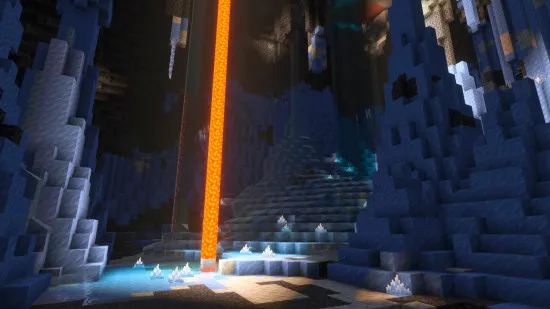
What makes Ice Caves visually distinct is their terrain composition: Packed Ice and Calcite blocks form the primary structure, with Snow patches scattered across the ground creating a crystalline, frozen appearance. Unlike other underground areas, Ice Caves contain no natural Dirt or Granite, fundamentally changing how you'd navigate and build within them.
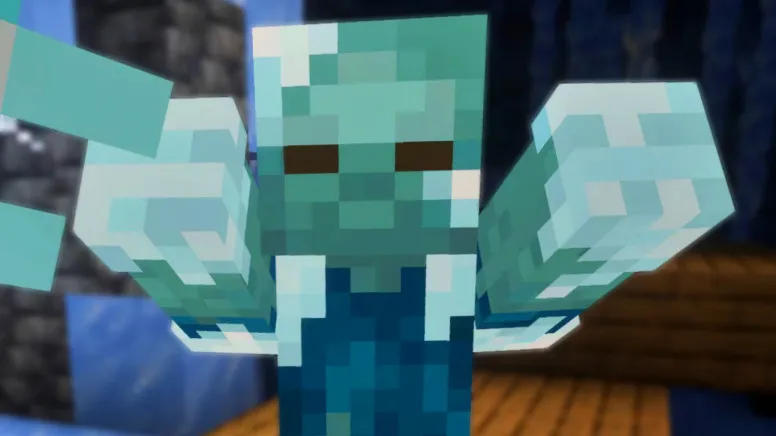
The biome isn't just atmospheric. Frostbite Zombies (a new variant unique to Ice Caves) patrol the area alongside environmental hazards like Ice Balls and deadly Icicles. Players who survive these threats can harvest valuable ore deposits and craft new items: the Freezing Potion and Freezing Arrows, adding fresh tactical options to underground combat.
For explorers checking their biome maps in 2026, spotting Ice Caves near a base means a new supply chain and completely novel underground construction possibilities. The thermal mechanics of ice create visual and structural opportunities that other cave biomes simply don't offer.
Tools for Viewing Biome Maps
Several resources exist for visualizing your world's biome distribution. Minecraft.how's own seed library includes 45 hand-tested seeds with pre-generated biome maps, letting you preview biome layouts before loading a world.
Our community's current favorite is the "Pink and White" seed (5063885805507972583, version 1.21), prized for its striking biome combination and visual appeal.
Pink and White Seed - minecraft.how Seed Library
Most players use external biome map generators, which take a world seed as input and render the biome distribution algorithmically. Since these generators use the same seed algorithm as Minecraft itself, their output matches your actual world precisely. The advantage of external tools is real-time visualization and the ability to explore a seed before committing to a world.
Using Biome Maps for Building and Exploration
Once you've identified a biome on your map, the next challenge is reaching it efficiently. Raw distance matters, but terrain difficulty matters more; walking 1000 blocks through mountains takes longer than flying 2000 blocks across ocean.
Study your biome map and plan a route that minimizes difficult terrain. Mark waypoints, build nether highways for rapid transit, or use elytra routes if you're prepared for them. Advanced planners will annotate their maps with multiple colored markers: one color for resource runs, another for future base locations, another for rare biome combinations worth preserving.
Building in a specific biome becomes intentional rather than accidental once you've a map. Want a swamp witch farm? Find the swamp first. Planning an ice palace? Locate your Ice Caves. Seeking that perfect spruce forest for a cabin? Mark it on your map and navigate deliberately.
Planning Your Builds Around Biome Layout
Biome placement shapes your entire world's infrastructure. Base location, resource farming, transportation routes, and aesthetic cohesion all hinge on knowing where biomes sit relative to each other.
Experienced builders use biome maps to identify rare combinations: two biomes touching in ways that create visual interest, or multiple complementary biomes clustered together. These clusters become destination zones, with main bases, outposts, and specialty farms distributed throughout the region. A single biome might hold your mining operation, while a neighboring forest becomes your lumber and animal farm hub.
A biome map transforms the vastness of Minecraft's procedurally generated world from overwhelming to navigable. Suddenly, a world that could span 60 million blocks in each direction becomes a series of planned destinations rather than an endless, directionless expanse.
Ice Caves and Your 2026 Exploration
The addition of Ice Caves in 2026 has reinvigorated biome map usage, even among experienced players with established worlds. Finding Ice Caves on your map opens new gameplay: unique mobs, new materials, distinct architecture styles, and fresh combat mechanics all in one biome.
New players should start by identifying a biome that matches their building aesthetic. Do you want to build a cozy woodland cottage? Find a forest or dark oak forest. Prefer grand stone structures? Plains or roofed forests offer the right visual environment.
Advanced explorers can hunt for Ice Caves specifically, planning expeditions to gather Freezing materials and experience the unique underground environment. Older worlds gain fresh content without needing a complete reset or chunk re-generation, and biome maps make locating these new regions straightforward rather than hoping luck leads you to one.

Lead writer at minecraft.how. Long-time Minecraft player running a small SMP server, testing every build, mod, and seed before writing about it.
Frequently Asked Questions
What exactly is a Minecraft biome map, and how does it work?
What is the new Ice Caves biome, and where can I find it?
How do I use a biome map to plan my next Minecraft project?
Where can I find biome maps for my Minecraft world?
Why should I care about biome maps if I'm a casual player?
Have a Question or Tip about this Guide?Community Q&A
Ask a question or help other players below. Join the discussion and share your Minecraft tips!