Minecraft Server Communities in 2026: What Actually Matters
Minecraft server communities in 2026 are bigger, stricter, and way more personality-driven than they were two years ago. The biggest shifts are creator-led micro-servers, faster EU hosting expectations, tighter moderation, and seasonal content loops that keep players returning instead of vanishing after a weekend.
Creator-led servers are now full social ecosystems
The old model was simple: open server, add ranks, hope for donations. That still exists, but the communities growing fastest now feel more like social clubs with game modes attached. A YouTuber, streamer, or even a niche build team gives people a reason to stay beyond progression.
I tested this on three very different servers this winter: a polished SMP with lore arcs, a chaotic minigame network, and a small EU creative city server with 200-ish active members. The one with the strongest identity won on retention, even though it had fewer plugins and a very basic shop system. People stayed because they felt recognized, not because they could buy a glowing pickaxe.
And yes, this has a downside. Communities orbit personalities, so when that person disappears for two weeks, activity can fall off a cliff.
Still, the upside is huge. Creator-led communities are better at setting tone, enforcing culture, and attracting players who actually like each other. Ask yourself: do players remember your economy plugin, or do they remember your Friday events and Discord voice chaos?
A lot of admins still underestimate this. They spend months tuning balance values but skip community rituals. Bad trade.
What works in 2026 is building repeatable social moments:
- Weekly server events with a fixed schedule in local time zones
- Short-form updates in Discord so inactive players can rejoin fast
- Player spotlights, build showcases, and transparent moderator notes
- Lore or seasonal arcs that reset stakes without wiping identity
None of this is flashy. It just works.
Seed culture, world design, and seasonal resets drive retention
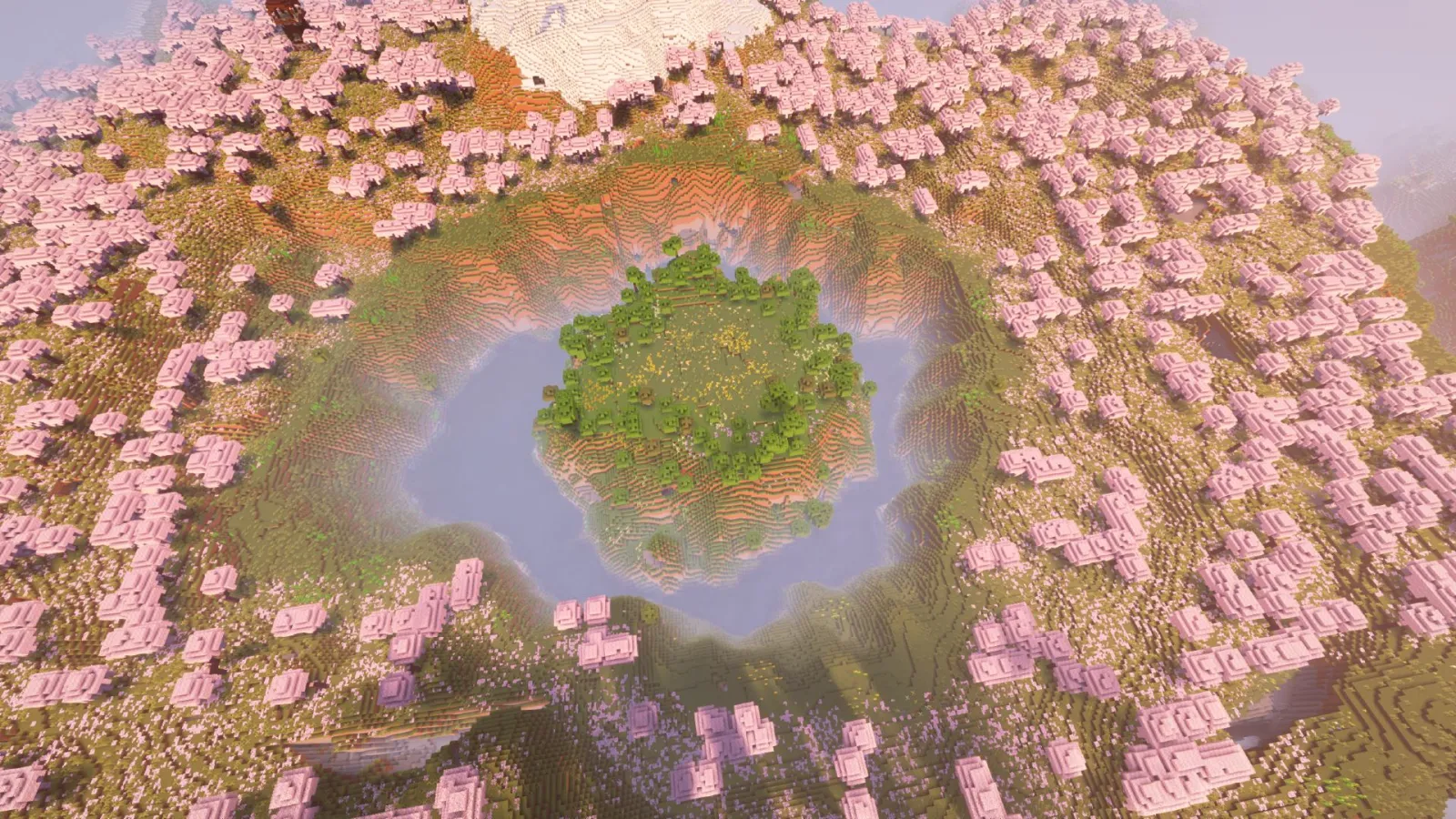
Seed-sharing has gone from niche Reddit thing to mainstream community fuel. PCGamesN reported updated 1.21.11 seed picks in March 2026, and that kind of list gets reused constantly by server owners for new seasons, themed starts, and challenge weekends. Players now join with expectations about terrain quality from day one.
Quick tangent: if your spawn is ugly, players assume the rest of the server is lazy. Harsh, but true.
Seasonal resets are also more strategic now. It used to be all-or-nothing wipes every few months. In 2026, better communities separate progression from identity. They might reset resource worlds and keep town hubs, or rotate challenge maps while preserving player galleries and stats. Actually, that isn't quite universal for Bedrock-focused communities, some still prefer full wipes because cross-platform tooling can be limited.
Either way, world planning has become community design. Good servers intentionally pair seed structure with social loops:
- Launch with a map that creates fast early encounters (villages, high-traffic terrain)
- Run a short first-week objective so new players collaborate quickly
- Introduce a mid-season twist like faction diplomacy, a build expo, or region unlocks
- Close the season with visible legacy rewards that carry into the next cycle
That last step matters more than most admins think. Players can accept resets if their story still exists somewhere.
Why this trend feels stronger in EU communities
EU player groups are fragmented across languages, so shared goals and map landmarks do extra work. A great spawn or challenge region becomes a common reference point when your chat includes English, German, French, Polish, and Spanish in the same hour. Visual communication wins when text gets messy.
I've seen this play out during build competitions where half the players never spoke directly, but still coordinated through signs, map markers, and Discord reactions. Weirdly wholesome.
EU hosting expectations got serious, and players notice instantly
Latency tolerance is lower now. A few years back, many EU players quietly accepted 90ms if the server was fun. In 2026, plenty of communities treat sub-40ms as baseline and complain loudly when routing gets inconsistent during peak hours.
Fair enough.
Server owners are adapting by treating infrastructure as community trust, not background plumbing. The common setup is now regional hosting in places like Frankfurt, Amsterdam, or Warsaw, plus clearer uptime communication and fast rollback playbooks for bad updates. A technical stack itself is less interesting to players than how honestly admins communicate when things break.
And things always break.
One pattern I like: public incident posts that explain what happened, what got restored, and what changes were made. No drama, no blame theater, just facts. That style tends to calm communities faster than defensive moderator chat.
EU legal and privacy expectations also shape decisions. Discord verification, age-gated spaces, and data handling policies aren't optional polish anymore for bigger communities. I'm not your lawyer, obviously, but community leaders are paying more attention to this than they did in 2024.
Moderation is stricter now, and most healthy communities prefer it
The old internet fantasy was no rules, pure freedom, and everyone magically behaving. We know how that ends.
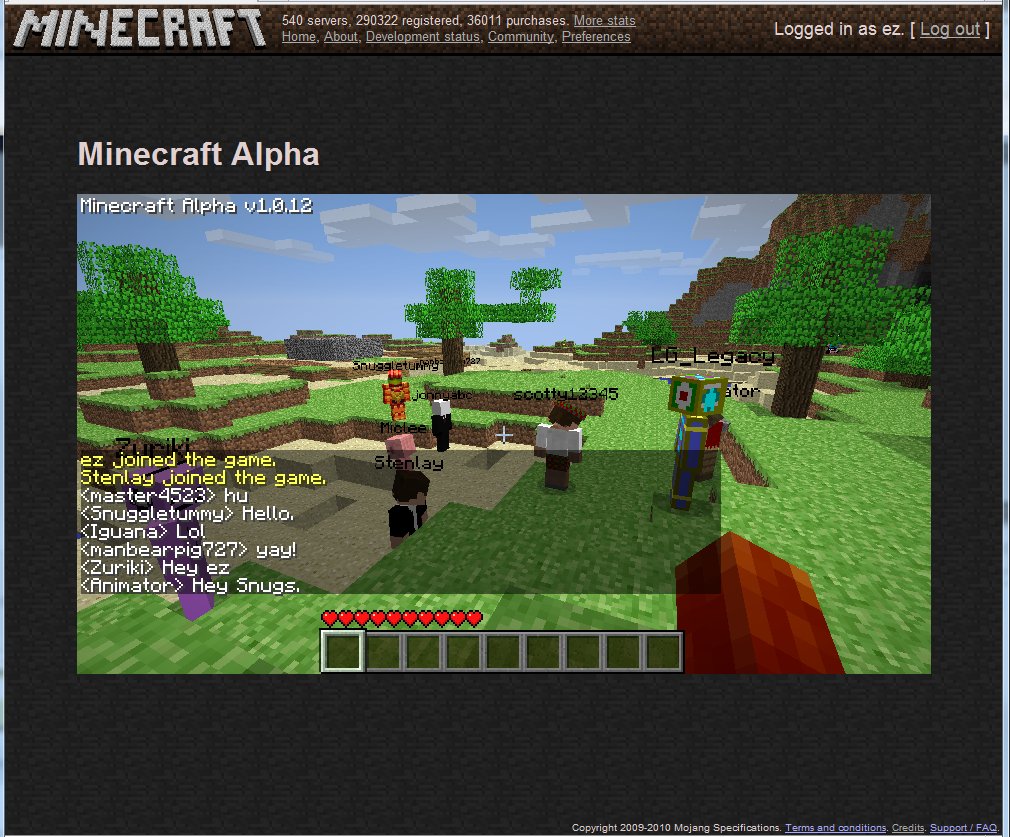
In 2026, successful Minecraft server communities usually run layered moderation: automated anti-cheat, clear social rules, active human staff, and documented appeal paths. Players complain about false positives (they should), but they also leave fast if chat becomes a dumpster fire.
My pick here's boring but effective: strict behavior standards, moderate language filters, aggressive alt-account checks around ban waves, and transparent appeals. Not harsh for the sake of harsh, just predictable enforcement. People can handle rules they understand.
Over on Reddit and Discord feedback threads, the same frustration keeps popping up: inconsistent moderation is worse than strict moderation. If one player gets muted for insults while another gets a wink and a warning for the same thing, trust evaporates.
So communities that are growing tend to publish moderation logic in plain language, then stick to it. No mystery punishments. No staff inside jokes that only veterans understand. No silent deletions with zero explanation.
What players want from staff teams
- Fast response during griefing or harassment incidents
- Public rules that aren't written like legal puzzles
- Appeals handled by someone who wasn't part of the original conflict
- Evidence-based actions, not moderator mood swings
Dry observation: every admin says they do this already, and half of them absolutely don't.
Smaller niche communities are beating mega-hubs on loyalty
Mega-networks still dominate raw traffic, but niche communities are winning on depth. Players increasingly choose servers with a clear promise: hardcore survival with real scarcity, architecture-first creative worlds, roleplay with competent lore moderation, or vanilla-plus SMP with minimal monetization pressure.
That clarity helps people self-select quickly. Fewer random joins, better fit, less churn.
I joined a mid-size EU vanilla-plus server recently where the owner refused pay-to-win perks, limited economy inflation, and forced seasonal town planning meetings (yes, meetings, in Minecraft). Sounds nerdy because it's nerdy. It also had one of the most stable player cores I've seen this year.
Money strategy has shifted too. Communities are leaning harder into cosmetic support models, memberships with social perks, and creator collaborations instead of hard power sales. The Minecraft Wiki lists version and gameplay differences that keep cross-play balancing tricky, and that has pushed many admins to avoid pay-for-advantage mechanics that are hard to tune fairly across client types.
But not every small server survives. Niche only works if the niche is understandable in ten seconds. If your server pitch needs four paragraphs, you've already lost half your audience.
Big trend summary, plain and simple: communities with a strong identity, consistent moderation, EU-aware infrastructure, and smart seasonal design are pulling ahead in 2026. The rest are still trying to fix churn with another crate key bundle.

Lead writer at minecraft.how. Long-time Minecraft player running a small SMP server, testing every build, mod, and seed before writing about it.
Frequently Asked Questions
Are large Minecraft networks still worth joining in 2026?
How often should a community server reset its world now?
What matters more for EU players, features or ping?
Is strict moderation bad for community growth?
What is the best monetization approach for long-term trust?
Have a Question or Tip about this Guide?Community Q&A
Ask a question or help other players below. Join the discussion and share your Minecraft tips!
Comments
No comments yet. Be the first to share your thoughts!