Minecraft Strider Guide: Spawning, Taming, Drops, and Farming
Striders are lava-walking Nether mobs that make crossing the Nether's deadliest terrain manageable. You'll find them naturally spawning on lava surfaces in the Nether, and once saddled, they're your fastest transport option for magma lakes and lava rivers. They drop string and occasionally saddles, making them worth hunting if you need quick gear for a respawn.
Where Striders Spawn in the Nether
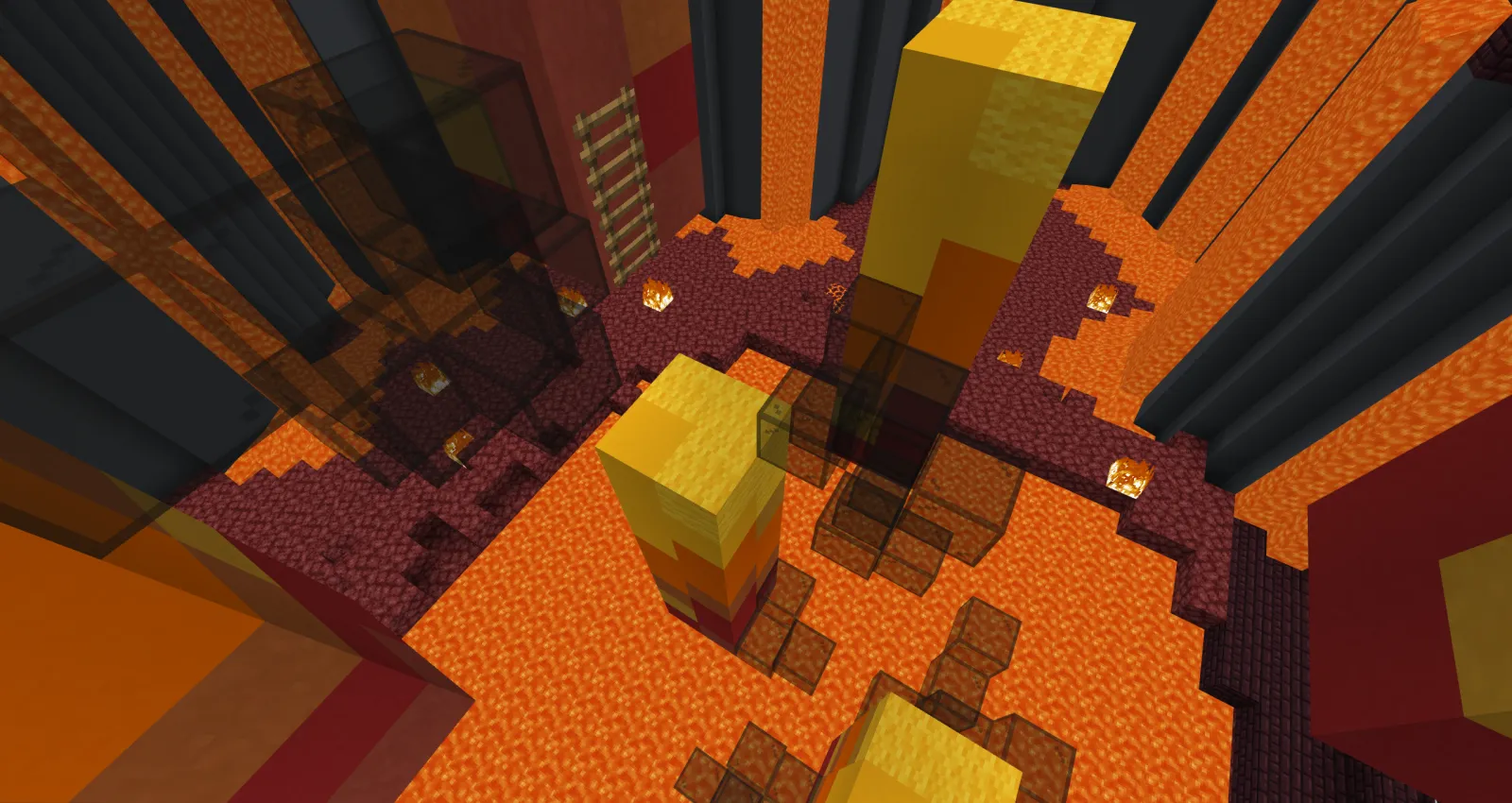
Striders generate on lava surface blocks across most Nether biomes. You'll see them most frequently in Basalt Deltas, Crimson Forests, and around the edge of Lava Seas. The key word here is surface - they spawn on top of lava, not in it. Real talk, i've spent way too much time diving lava lakes looking for them before realizing they're just chilling above the surface.
They can't spawn in Peaceful mode, so you'll need at least Easy difficulty. Also, they'll only generate in newly generated or loaded chunks, so if your base has been loaded for months, you're not going to find fresh striders nearby without exploring far out.
Finding them gets easier if you're willing to travel.
Strider Spawning Mechanics and Why They Matter
Unlike most mobs, striders have specific spawn requirements tied to lava. They need at least two air blocks above a lava surface to spawn, which is why you'll rarely see them underground or in narrow lava channels. Those spawn with a small pack size - usually 1 to 4, though I've seen as many as 6 hanging around lava beaches. They're jockey mobs too, meaning they can occasionally spawn riding baby striders, though that's rare enough that I've only seen it twice across dozens of playthroughs.
Strider spawning stops happening when they reach the mob cap, so if you're running a server or multiplayer world with lots of farms, you might need to clear out other mobs to get more striders to appear. Actually, that's not quite accurate for striders specifically - they're not aggressive, so mob cap concerns are less critical than with hostile mobs.
How to Tame and Ride a Strider
Getting a strider mount is dead simple. Grab a saddle and warped fungus on a stick, find a strider, and place the saddle on it. Done. No heart particles, no taming counter, no feeding required. Striders accept saddles immediately and you're ready to ride.
The warped fungus on a stick is the control system. Holding it in your hand while riding directs the strider's movement, similar to how you'd use a carrot on a stick with a pig. Striders are surprisingly fast on lava - faster than swimming through it anyway - and they won't take damage from the lava beneath them. You will, though, so don't accidentally fall off into the lava surrounding your strider path.
Pro tip: keep a backup saddle and fungus stick in your inventory when crossing the Nether. Striders sometimes despawn if you go too far, and you'll want to remount quickly if you need to keep moving.
What Striders Drop and Why You Should Care
Striders drop 2-4 string when killed by a player or tamed wolf. That's their primary loot, and honestly it's not why you'll be farming them. String has better sources (spiders, cave webs, fishing), so strider string is more of a bonus than a goal. When they die, they also occasionally drop a saddle, though the percentage is low enough that you shouldn't rely on it for saddle farming.
The real reason to have striders available is transportation and exploration, not resource farming.
Setting Up an Efficient Strider Farm
A proper strider farm works on spawn platform logic. You want to build a large flat area above lava where striders naturally spawn, then funnel them to a collection point. Most strider farms I've tested involve a few key layers: a spawn platform made of non-flammable blocks like blackstone or nether brick, a collection channel that leads mobs toward a drop or compactor, and either a kill zone or holding pen depending on what you want to do with them.
The simplest design uses the fact that striders will naturally walk toward lava sources. You can build a platform over a lava sea, light it properly for spawning (dark enough that hostile mobs could spawn too, but striders ignore the darkness), and let them collect naturally. Push them into a 2-block-tall corridor that funnels them to a central area where you can sort them out - either kill them for string or keep them for riding.
I built one on my server a while back that ran for about three months before I switched focus to other projects. It produced enough string to make it worthwhile, though I was mostly using it as a backup saddle source when teammates kept losing theirs in the lava. Running multiple hopper-based collection systems under the farm floor worked well for automation, though strider farms don't produce anywhere near the throughput of spider or skeleton farms if you're chasing numbers.
If you're hosting a server and want your community to have easy Nether access, setting up a public strider farm is a solid move. Check out our Free Minecraft DNS tools to make sure your server's accessible to everyone looking to use it. You might also want to set up server voting if you're building community engagement, which is where our Minecraft Votifier Tester comes in handy for verifying your voting infrastructure works properly.
Transportation vs Farming: Which One Matters
Real talk: most players care about striders for transportation way more than farming. A single saddled strider cuts your Nether traverse time down significantly. You can navigate lava lakes without needing boats or water buckets, and you're invulnerable to the lava while riding. For speedrunning or just exploring safely, it's hard to beat.
Setting up a farm makes sense only if you're on a server where multiple players share one strider, or if you're specifically after consistent saddle supplies. For single-player worlds, finding 2-3 striders and saddling them is usually enough forever. The resource cost of a farm isn't worth it for one person unless you're the type who likes building infrastructure for its own sake.
I fall into that category, so naturally I've built more strider farms than I needed.
Worth your time? If you spend time in the Nether, absolutely. If you never venture past the nearest nether portal, skip it.
Lead writer at minecraft.how. Long-time Minecraft player running a small SMP server, testing every build, mod, and seed before writing about it.
Frequently Asked Questions
Can striders spawn on land or only in lava?
What's the difference between a strider and a boat in the Nether?
How often do striders drop saddles when killed?
Do striders despawn like other mobs?
What version of Minecraft introduced striders?
Have a Question or Tip about this Guide?Community Q&A
Ask a question or help other players below. Join the discussion and share your Minecraft tips!
Comments
No comments yet. Be the first to share your thoughts!