Minecraft Survival Checklist 2026: Essential Tips & Strategy
2026 is shaping up to be a wild year for Minecraft survival. Between the updates rolling out and new generation hardware finally getting native support, there's never been a better time to start fresh or dive deeper. So what actually matters when you're setting up a new world? Let's cut through the noise and cover what you actually need to know.
Pick Your Seed (Or Don't, But You Should)
Starting a new survival world feels like it should be simple. You spawn, you punch trees, you build a house. But the first actual decision is whether you're using a seed or rolling random.
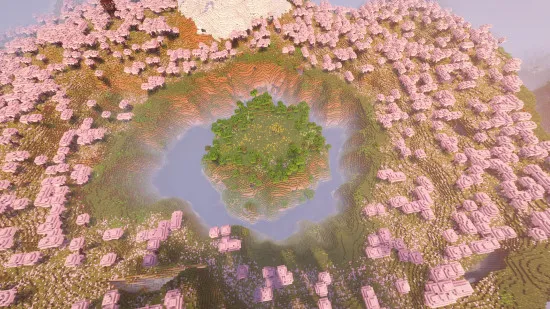
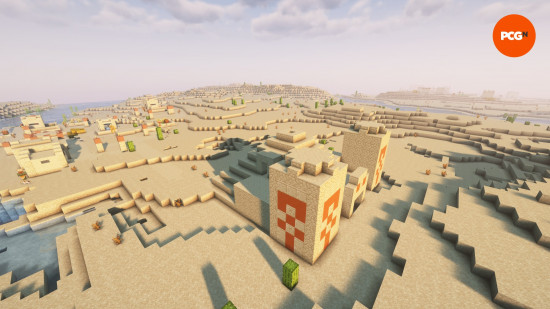
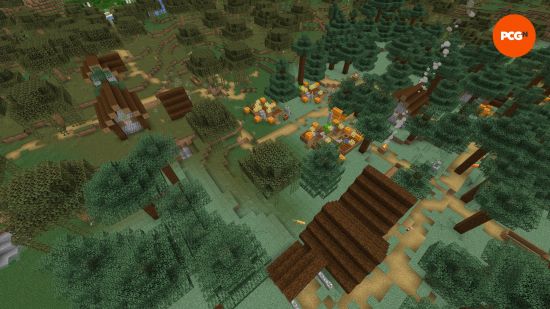
Here's the thing: a good seed saves you hours. PCGamesN updated their seed list for 1.21.11, and they're finding world layouts that pack villages, temples, and useful biomes all within a couple hundred blocks of spawn. The Ultimate Desert Seed (486362209) has four villages and two desert temples close enough that you can see them from your starting point.
But honestly? If you're playing for the gameplay loop and not obsessing over efficiency, random is fine too. The best seed is the one you're actually excited to play in. Don't get stuck on Reddit for two hours comparing coordinates when you could already be mining.
Early Game: The First 30 Minutes Matter
Your opening moves set the pace for everything after.
Build your shelter first, before nightfall. I know it sounds obvious, but I've watched too many survival streamers try to gather more resources right up until dark. You want four walls, a door, and a ceiling. Wood and dirt work fine. Safety beats optimization on night one.
Once you're inside, craft a crafting table and a furnace. Get some coal or make charcoal from logs. Light up your shelter so mobs don't spawn inside. Then spend the next couple of hours gathering stone and wood. Don't dig straight down (yes, people still need to be told this). Branch mining happens later.
Your early tools should be stone, not wood. Upgrade to iron before you even think about diamonds. This isn't a shortcut thing, it's just the progression that actually works.
Understanding What You're Building Toward
A lot of new players build an ugly starter house and then get discouraged when they realize they want something better. That's not a survival failure, but thinking about your base layout early helps.
Do you want a single massive base or a series of outposts? Are you going for a specific build style like Lockdown Life's modern survival aesthetic, or something more practical and stripped down? This shapes your material gathering differently.
You don't need to decide everything now. But having a rough vision prevents the "well, I've already got this massive hole in the ground" syndrome where you end up building around your mistakes instead of planning ahead.
Mining and Resources: The Real Progression Loop
Mining is where survival actually gets going. Iron, diamonds, copper, all the materials that let you do cool stuff.
Mine between Y-levels 48 and -64 for diamonds in 1.21. Strip mining still works, but the new ore distribution means canyons and caves can be just as efficient if you're willing to explore a bit more carefully. Bring plenty of food, torches, and don't explore caves solo if you're still learning how fall damage works.
Iron spawns everywhere. Get comfortable finding it, smelting it, and making tools. A fully iron base is actually viable if you enjoy the aesthetic. Some players swear that iron-only survivals are more interesting than jumping straight to diamond everything.
Copper's new in the last couple of years and honestly? It's pretty. Lightning rods, decorated blocks, building possibilities. Don't sleep on it just because it doesn't go on your sword.
Mobs, Combat, and When to Upgrade Your Gear
Survival isn't just resource gathering. You're also managing threats.
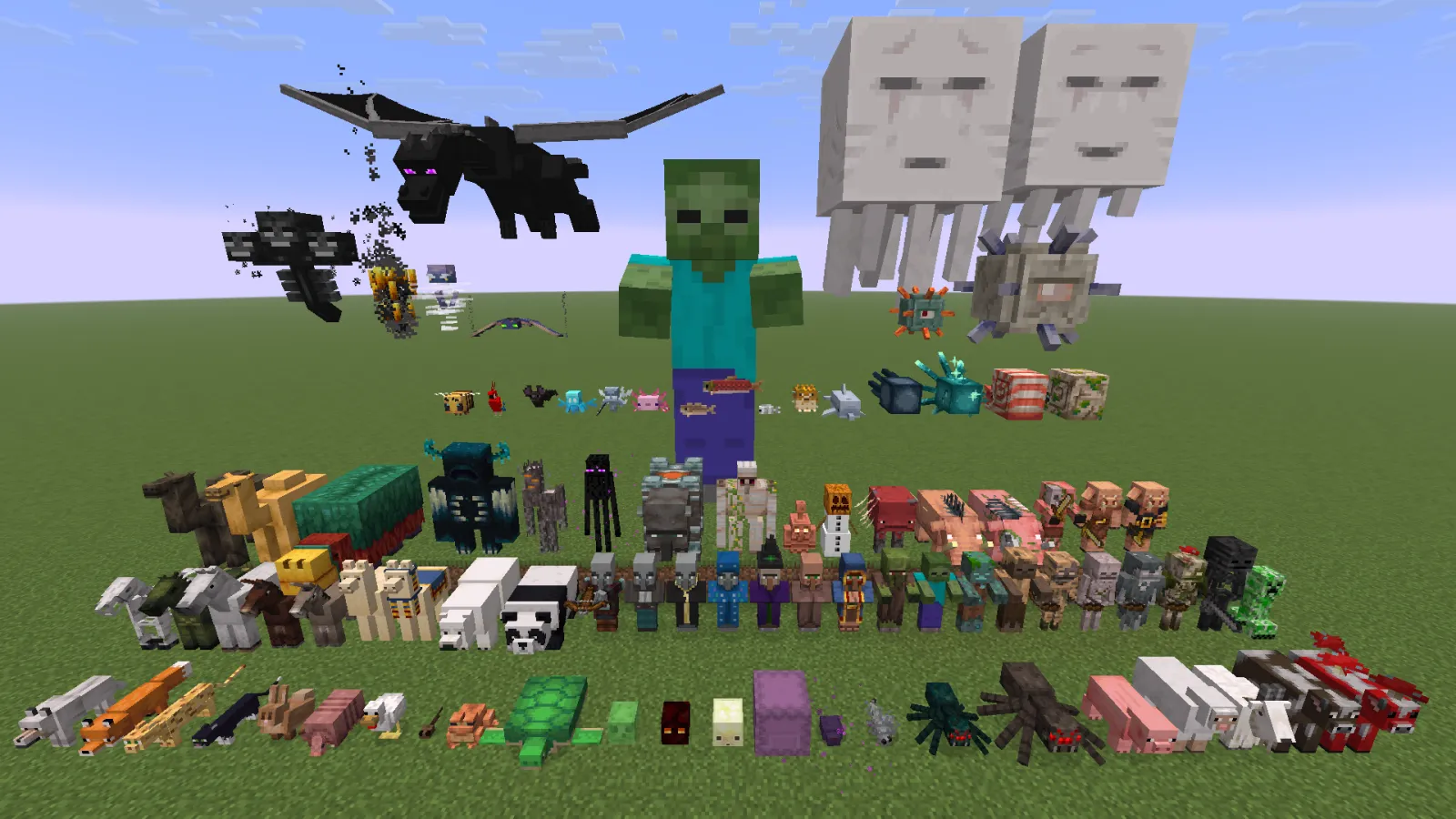
Creepers will blow up your stuff. Skeletons will snipe you from range. Endermen will teleport away right when you think you've got them. Getting better at combat means better armor progression, better positioning, and knowing when to retreat and heal.
Chain and iron armor are your reliable early-game options. Netherite takes forever to grind for, so don't stress if you're still in iron for the first 50+ hours. And yeah, respiration on your helmet keeps you breathing underwater longer, but that's a quality-of-life upgrade, not survival-critical.
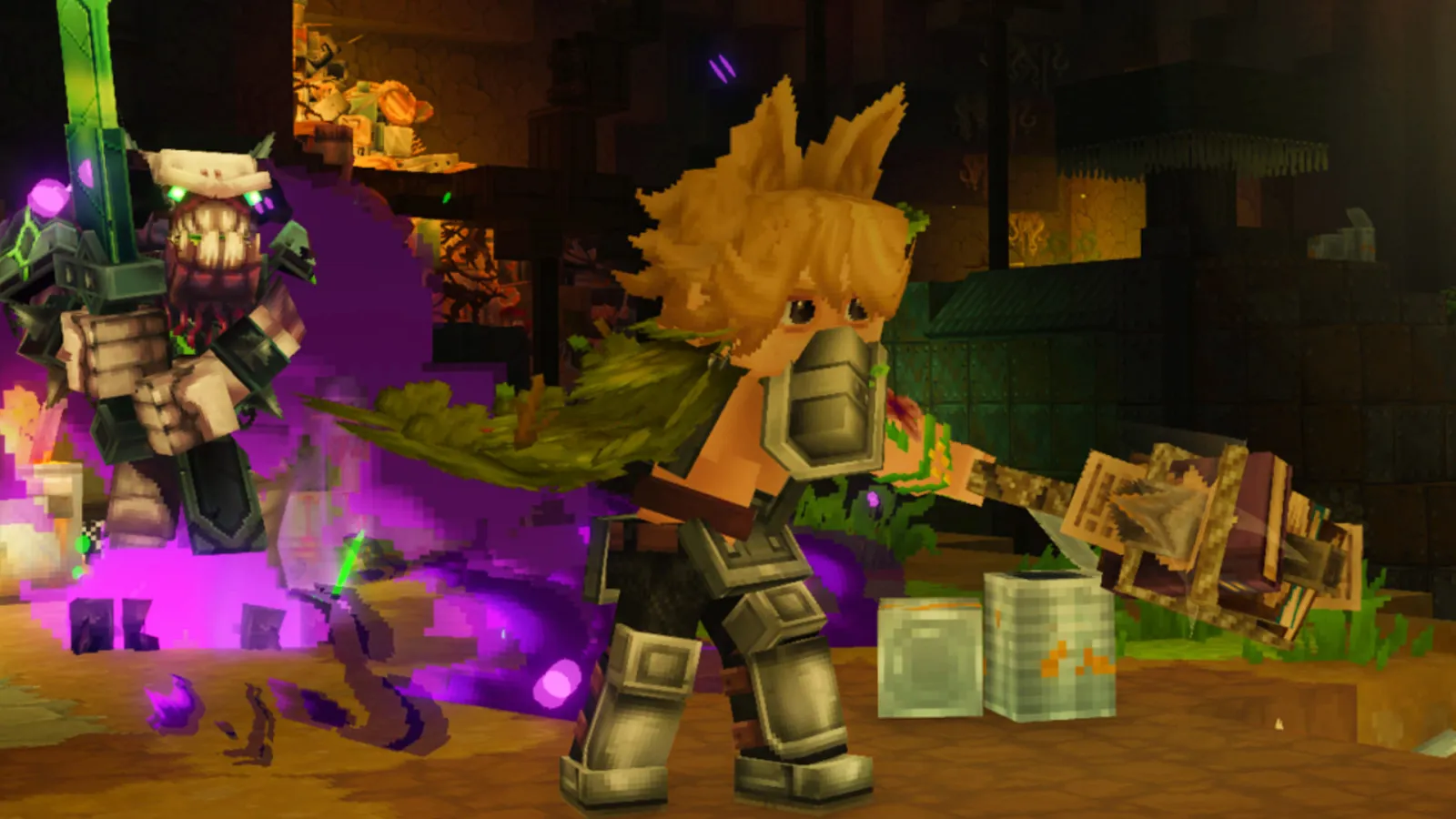
If you want that survival warrior look, check out Zeus_survival or SurvivalBeast3 for some skin inspiration. The aesthetic actually matters when you're staring at your character for hundreds of hours.
The Nether: When You're Ready
The Nether is a whole progression tier. You need diamond or iron pickaxe to get obsidian, obsidian to build a portal, guts to walk into lava dimension.
Don't go unprepared. Bring water (yes, water works for some things in the Nether, but not lava), food, multiple pickaxes, and a solid exit strategy. The first trip is scouting. Get a feel for the layout, grab some nether quartz maybe, don't fight a ghast. Second trip, go for ancient debris if you want netherite gear. Third trip, you can actually explore.
Piglins will trade with you if you wear gold armor. That's not essential for survival but it opens up some quality-of-life stuff that makes the long haul easier.
Long-Term Survival: What Keeps You Playing
After the first month or two, survival stops being about just staying alive. It's about what you build and what you want to achieve.
Some players focus on massive building projects. Others push combat challenges. Some set up mob farms and automation. The beauty of 2026 survival is that you can actually do all of those things in the same world without it feeling disjointed.
Building a full farm system, setting up perimeter mining, creating a shopping district if you're on multiplayer, getting your enchanting setup dialed in. These are the things that make long-term survival engaging. The checklist stuff is just the foundation.
And if you're playing on a server with other people, having a consistent base location and a reliable supply of materials is how you become the reliable person everyone wants to build with. That's where the game actually shines.
The Platform Question
Java survives (pun intended) as the modding and technical powerhouse. Bedrock plays smoother on lower-end hardware and actually exists on console now. PlayStation 5 finally got native support, which means stable 60fps survival on current-gen hardware for the first time.
If you're new, the version barely matters. Play what you've got access to. The survival loop is identical. One minor differences in block behavior and mob spawning aren't going to break your experience.
Actually, wait, I should mention: Bedrock does some things differently with item names and some crafting recipes. If you're copying strategies from a Java video onto Bedrock, double-check. Most stuff is the same, but sometimes it's not, and that's more annoying than any survival challenge.
Final Checklist: Before You Dive In
Build your shelter on day one. Get stone tools before iron. Find a good mining level and start gathering diamonds. Don't burn yourself out trying to perfect everything immediately. Survival is long, and the joy is in the progression.
Invest in a good skin that makes you feel pumped to play. Yeah, it's cosmetic, but checking out Catalina2026 or MASTERxSURVIVAL shows how important that little visual motivation actually is. You're going to see that character a lot.
Keep water and torches on you. Mark your spawn point. Don't dig straight down. Have an escape plan before you fight your first Warden. Get comfortable with the control scheme.
And honestly, don't stress the meta. 2026 Minecraft survival is accessible and rewarding at every level. Whether you're playing for three hours a month or streaming forty-hour speedrun attempts, the fundamentals stay the same. Start simple, stay alive, build something cool. That's it.

Lead writer at minecraft.how. Long-time Minecraft player running a small SMP server, testing every build, mod, and seed before writing about it.
Frequently Asked Questions
What's the best seed for Minecraft survival in 2026?
What Y-level should I mine for diamonds in 2026?
How long does it take to reach netherite in survival mode?
Should I play Java or Bedrock for survival in 2026?
What should I do first in a new Minecraft survival world?
Have a Question or Tip about this Guide?Community Q&A
Ask a question or help other players below. Join the discussion and share your Minecraft tips!