Poplar Trees and Shelf Mushrooms: Building the Modern Way
Poplar Trees and Shelf Mushrooms are two new building blocks that, honestly, shouldn't work as well as they do together. The pale wood pairs beautifully with the rich, organic mushroom shapes for modern builds that feel both clean and creative.
Poplar Trees: A Whole New Aesthetic
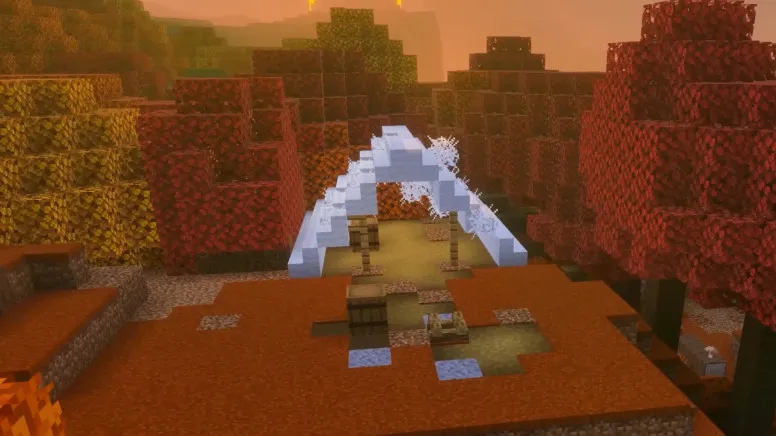
Mojang finally introduced Poplar Trees in Game Drop Three, available now in Java 26.2, and they're the first major wood type in years that immediately clicked for modern architecture. The color is this off-gray, almost washed-out tone that sounds boring when you read about it on a wiki page, but in-game it's genuinely gorgeous. You'll find them in the Dappled Forest biome, which spawns near cold regions, and once you chop down a few trees and start working with the wood, you'll understand why builders are already obsessed with the material.
The leaf colors vary between red, orange, and yellow depending on which tree generates in your world - something Mojang specifically designed to capture that fall aesthetic without being overly seasonal. And here's the thing that makes this interesting: even though they're autumn-toned leaves, the wood itself doesn't scream "October." It works year-round in builds, which is exactly what you need if you're building contemporary architecture rather than something explicitly themed. That versatility is why the combo with Shelf Mushrooms clicks so hard.
Understanding Shelf Mushrooms
Shelf Mushrooms aren't new to Minecraft, but they've been quietly sitting in the game waiting for the right wood type to pair them with. They grow naturally on dead logs and trees, giving them that organic, weathered quality that most building blocks can't capture. Think of them as nature's built-in trim work - pre-made details that look intentional because, well, they grew that way.
The blocks have a chunky, three-dimensional quality that actually creates visual interest next to Poplar's flatter, more minimalist surfaces. Combine them together and you get genuine contrast: smooth meets textured, pale meets earthy tones, modern meets organic. It's the kind of pairing that seems obvious after someone explains it, but nobody was really doing it systematically before.
The Design Principles Behind the Combo
Here's where the actual craft happens. Poplar Trees provide a clean architectural base - walls, roofs, doors, window frames, whatever structural element you need. Shelf Mushrooms then add the detail layers that make those structural elements feel intentional rather than naked: window trim, decorative accents, supporting beams that don't feel forced or overdone.
The pale wood is visually recessive, which means Shelf Mushroom details don't get visually swallowed. I tested this approach on my SMP server last week, and honestly, I'm still experimenting with variations because the more you build with them, the more applications appear. You get modern architecture with an organic, almost Arts-and-Crafts twist - which is genuinely difficult to pull off in Minecraft's rigid grid system.
Building Ideas to Get You Started
Modern homes work best. Poplar walls with pale-wood roofs and Shelf Mushroom trim around doors and windows create a contemporary cabin aesthetic without feeling forced. The mushroom blocks read as "designed detail" rather than decoration.
Garden structures are surprisingly good. Pergolas made from poplar wood posts with Shelf Mushroom blocks as climbing accents (they don't function as vines, but they look intentional enough). Planters, raised garden beds, outdoor seating areas - all of these materials complement earthy landscaping beautifully.
Bridges and pathways benefit from the contrast too. When you build connective architecture, using pale poplar beams and mushroom-block railings or support posts makes it feel engineered rather than naturally overgrown. But that distinction matters when you're separating different areas of a build.
If you're thinking about adding signage to your structures - which you absolutely should if you're building something architectural - the Minecraft Text Generator lets you preview custom text in-game before committing actual blocks. This saves time and materials when you're experimenting with layouts and trying to get the aesthetic just right.
Where to Find Poplar Trees and How to Get Started
Poplar Trees exist right now in Java 26.2 and are available in the latest Bedrock preview. Target the Dappled Forest biome specifically - it spawns near mountainous and taiga regions, so if you're exploring a fresh world and see those cold biomes, search nearby for the orange and red-tinged forest.
Speed up your search with /locate biome minecraft:dappled_forest if you're on a server that allows commands. Once you've got trees in sight, chop down some Poplar Wood, collect the naturally-spawning Shelf Mushrooms that grow on dead logs, and you've got your entire building palette ready. Honestly, the gathering phase takes maybe ten minutes if you know what you're looking for.
One thing I should mention: Shelf Mushrooms don't spawn everywhere equally. They're most common in specific biome types, so if you're playing older worlds and trying to use them extensively, you might need to explore fresh chunks near the Dappled Forest specifically. It's not a hard limit, just a concentration thing that affects availability.
Why This Matters for Minecraft Building
Minecraft's building-block library has been fragmented for years. We've had wood types that felt cohesive within their own families, but cross-palette combinations were always a puzzle. Trying to blend different wood types with natural blocks often felt clashing rather than intentional.
Poplar and Shelf Mushrooms solve that friction because they're designed as a visual system rather than individual blocks. When Mojang introduced them together in Game Drop Three, they clearly thought about how they'd interact in actual builds.
Testing this on your server is worth considering.
If you run a community server, fresh blocks always generate interest and give your players something visually distinct to experiment with. Make sure your server shows up properly in community discovery though. The Minecraft Votifier Tester helps confirm your voting infrastructure is working correctly - if your votifier is misconfigured, players won't be able to vote you up on listing sites, and you'll lose visibility to potential community members. That seems like a small detail, but proper infrastructure matters when you're trying to grow.
Worth It?
Poplar Trees and Shelf Mushrooms aren't individually revolutionary. Separately they're just more building blocks in an already massive palette. Together, though, they fill a genuine design gap that existed before Game Drop Three. Modern architecture suddenly has a natural home in Minecraft alongside survival builds.
Grab the latest Java version or test the Bedrock preview, find a Dappled Forest biome, and spend an evening experimenting. You'll either understand immediately or you won't, but the feedback from builders is overwhelmingly positive. Go build something interesting. The blocks are ready.

Lead writer at minecraft.how. Long-time Minecraft player running a small SMP server, testing every build, mod, and seed before writing about it.
Frequently Asked Questions
Where do I find Poplar Trees in Minecraft?
Do Shelf Mushrooms spawn on Poplar Trees?
What building styles work best with this combo?
Can I use this combo in single-player or only multiplayer?
Why does this combo work better than other wood and block pairings?
Have a Question or Tip about this Guide?Community Q&A
Ask a question or help other players below. Join the discussion and share your Minecraft tips!