Getting Started with Pumpkin: The Rust-Built Minecraft Server
Pumpkin (Pumpkin-MC/Pumpkin)
Empowering everyone to host fast and efficient Minecraft servers.
When you think "Minecraft server," you're probably picturing Java chewing through RAM while you're trying to run a vanilla survival world. Pumpkin flips that on its head. It's a Minecraft server written entirely in Rust, designed to be faster and more efficient while still supporting the Minecraft you know.
What This Project Does
Pumpkin is an alternative Minecraft server implementation. Instead of running the official Java server or something like Paper, you'd run Pumpkin and connect with your regular Minecraft client. It speaks the Minecraft protocol fluently - both Java and Bedrock editions, which is a big deal if you're trying to unify a player base across platforms.
The whole thing is built on Rust, which means it's compiled to native machine code rather than running through a virtual machine. That translates to tighter resource usage and better multi-threading support. In theory, your server does more with less.
But here's the honest part: Pumpkin is still under heavy development. It's not a drop-in replacement you'd throw at production tomorrow. It's a project worth watching and experimenting with, especially if you're curious about where Minecraft infrastructure might head.
Why You Might Use It
Let's be realistic about who this is for.
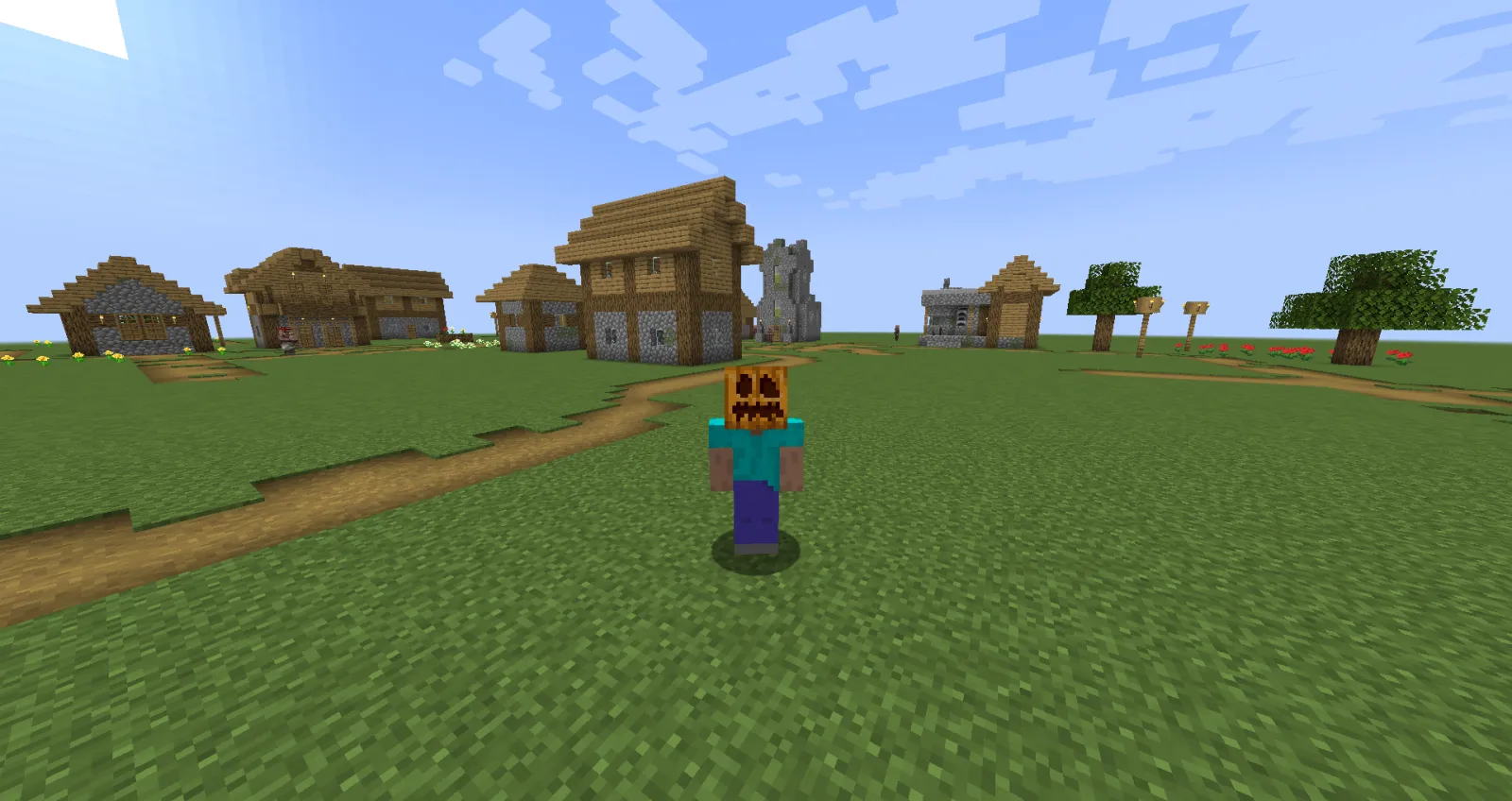
If you're running a massive public server with thousands of concurrent players, you probably want proven software. Pumpkin's not there yet. But if you're experimenting, hosting a small private network, or just curious about how Minecraft servers work under the hood, Pumpkin is genuinely interesting. The Rust approach opens doors that traditional Java servers can't easily walk through - better performance, lower CPU overhead, potential for custom behavior without Java's constraints.
You'd also use it if you care about the technical story. Rust forces safer code patterns than C++, which matters when you're building something people trust with their game worlds. And the multi-threading story is cleaner than Java's garbage collection headaches.
Getting It Running
Installation depends on your platform. The project's documentation walks you through it, but the general flow is: clone the repo, build with Rust's Cargo package manager, configure with a TOML file, and launch.
git clone https://github.com/Pumpkin-MC/Pumpkin.git
cd Pumpkin
cargo build --release
The configuration happens in TOML, which is more readable than Java properties files. You define server behavior, network settings, and features you want to enable or disable - the flexibility angle the project emphasizes.
If you're coming from vanilla server properties, the TOML structure will feel familiar, though organized differently. For reference on how traditional Minecraft configuration works, the Server Properties Generator can help you understand what those settings do before you translate them to Pumpkin's format.
Performance and Compatibility
Performance is where Pumpkin flexes. Rust's performance characteristics are genuinely different from Java. You get:
- Lower memory footprint - No garbage collector pauses, more predictable resource usage
- Better multi-threading - Rust's borrow checker ensures thread-safe code without the overhead Java carries
- Faster chunk loading - The project specifically highlights chunk management as optimized
- Configurable features - Disable systems you don't need and free up those resources
On compatibility, Pumpkin supports the latest Java edition (version 26.1.2 as of early 2026) and Bedrock, which is a genuine advantage if you want cross-platform play. But that said, it doesn't implement every feature of vanilla yet. Combat, some entity AI, and certain redstone mechanics are still in progress.
The world generation, player mechanics, inventory system, and most core systems work. Teleporting, hunger, experience, mob spawning - all there. But if you're running a heavily redstone-dependent server or need advanced mob behavior, you might hit rough edges.
What's Still Missing
This is the important part that separates "cool project" from "ready to use."
Advancements aren't implemented yet. Villager AI is a work in progress. Custom entity AI behavior exists but isn't complete. Plugins are planned but not here. Redstone (beyond basic mechanics) is on the roadmap. The issue tracker lists specific features tracked across Protocol, World, Player, Entities, and Server domains, and some of them are frankly extensive - chunk generation, entity-specific AI, and full command support are ongoing work.
That doesn't mean it's broken or unusable. So it means you need to match your use case to what's implemented. A survival server? Probably fine. A technical server relying on complex redstone? Not yet. A creative mode only server? Actually a solid fit.
When to Consider Alternatives
Paper is the obvious comparison - it's the most popular high-performance Java server, with plugin support and tons of battle-tested optimization. It's production-ready, has a massive ecosystem, and honestly, unless you specifically want the Rust angle, Paper wins.
Spigot works if you want a more vanilla-like experience with moderate customization. Bukkit if you're digging into history. Fabric if you want mods instead of a custom server at all.
And then there's Velocity or BungeeCord if you're thinking about proxy-based networks. Pumpkin supports both, which is good architecture design on their part.
The real question: does the Rust performance story justify the development lag? For most people, no. For people experimenting or interested in infrastructure, absolutely.
If you're curious about how Minecraft servers handle specific mechanics, Pumpkin's codebase is also readable Rust - way clearer than diving into obfuscated Java bytecode. And if you're interested in block mechanics and testing specific behaviors, the Block Search tool can help you verify what you're testing against in vanilla.

Lead writer at minecraft.how. Long-time Minecraft player running a small SMP server, testing every build, mod, and seed before writing about it.
Frequently Asked Questions
Is Pumpkin ready for production servers?
Does Pumpkin support plugins like Paper or Spigot?
What Minecraft versions does Pumpkin support?
Can I convert my existing server to Pumpkin?
How does Pumpkin compare to Paper or Spigot?
Have a Question or Tip about this Guide?Community Q&A
Ask a question or help other players below. Join the discussion and share your Minecraft tips!