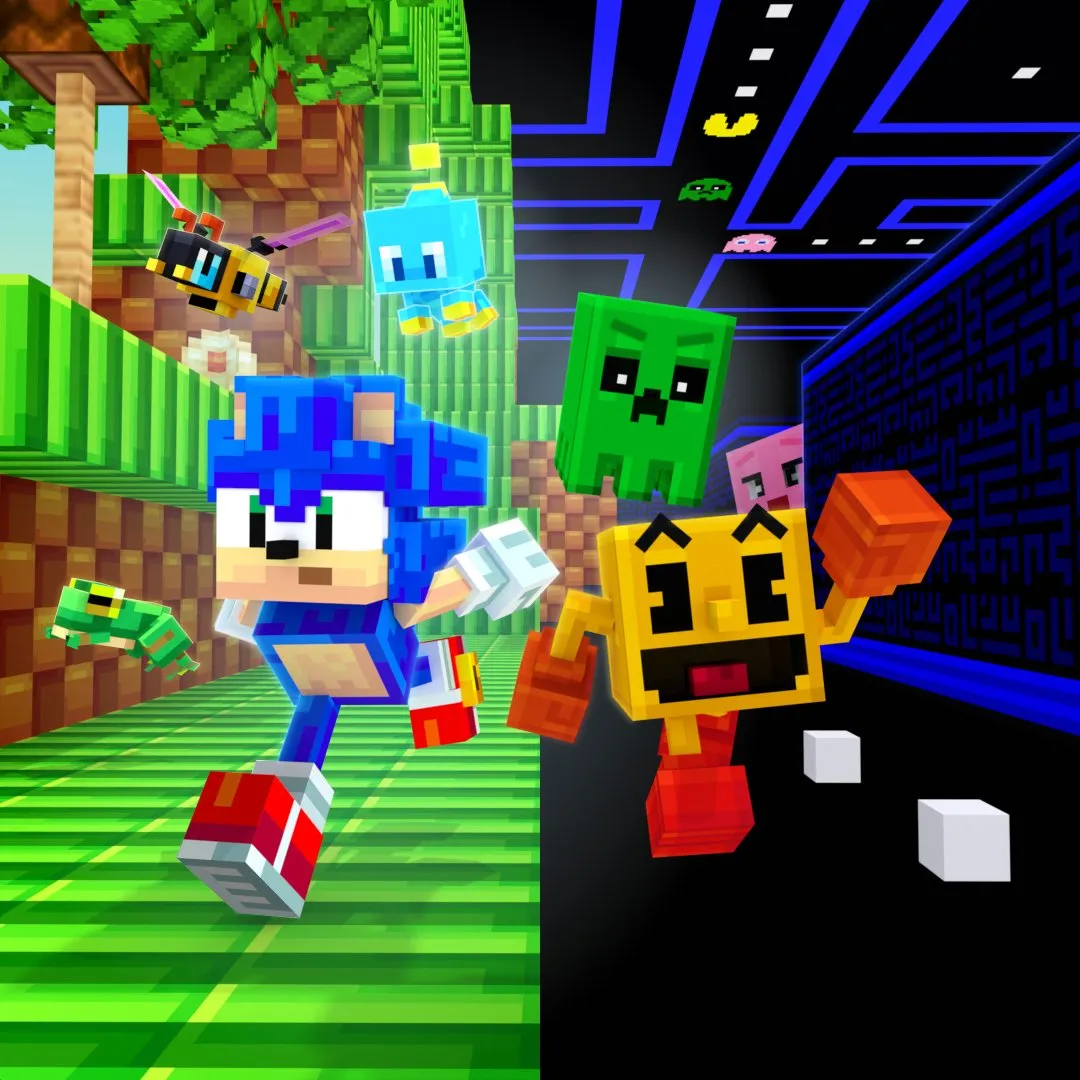
Worlds Made for Speed by Tubbo: Maps Built to Race
Tubbo's worlds made for speed are exactly what they sound like: Minecraft maps built around going fast. Parkour gauntlets, racing tracks, speedrun-style obstacle runs. No sprawling survival grind, no hour-long builds. You drop in, you move, and the clock is usually watching. That's the whole pitch, and it works.
So why do these maps click with so many players? Speed forces a different kind of focus. You're not managing hunger or mining for hours. You're reading a course, finding the line, and shaving seconds.
What "made for speed" means here
A speed world isn't one specific thing. It's a design philosophy. Every block is placed to push you forward, not to look pretty (though some of them do look great). Think of it as the difference between a hiking trail and a running track. One wanders. The other has a finish line.
Tubbo's content has always leaned into momentum and chaos, so the "speed worlds" label fits the kind of fast, reaction-heavy play his audience already loves. Whether that's tight parkour, a downhill ice-boat course, or a redstone-timed dash, the common thread is simple: keep the player moving and keep the stakes clear.
And clarity matters more than you'd think. A good speed map tells you where to go at a glance. Bad ones leave you guessing, which kills the flow instantly.
The kinds of speed worlds you'll run into
There's more variety here than people expect. I've messed around with most of these formats, and they each scratch a slightly different itch.
Parkour courses
The classic. Jump from block to block, don't fall, beat your previous time. The best ones layer in trickier jumps as you go (neo jumps, ladder skips, the dreaded headhitter sections) so the difficulty ramps instead of spiking. I once spent an embarrassing forty minutes on a single four-block jump. Worth it when I finally landed it.
Racing maps
Boats on ice, minecart rails, or just flat-out sprinting with speed potions. Racing worlds shine in multiplayer because beating a friend by half a second is its own reward. Ice-boat racing in particular feels fantastic once you learn how the surface grips (blue ice is faster than packed ice, and the difference is huge).
Speedrun and obstacle runs
These borrow from actual Minecraft speedrunning. Get from point A to point B as fast as possible, often with combat, puzzles, or environmental hazards in the way. Tubbo-style chaos lives here. Lava, TNT, and a timer that doesn't care about your feelings.
Why these worlds keep getting better
Modern Minecraft just makes speed maps easier to build and smoother to play. Recent updates have improved how command blocks handle timers and checkpoints, and the current Java release (26.1.2 as of this writing) runs these maps without the chunk-loading hiccups that used to ruin a clean run.
That's a real change. A few years back, a fast course could stutter the moment you crossed into a new chunk, and you'd lose the run to a frame drop instead of a missed jump. Less of that now.
Map makers have also gotten clever. Over on Reddit, builders regularly share datapacks that auto-reset your position and track splits. That means a homemade speed world can feel as polished as something off a big server. Actually, let me walk that back slightly: the polish depends heavily on the creator. Some community maps are rough. But the tools are there for anyone who wants to put in the time.
Setting up your own speed world
You've got two routes. Play someone else's map, or build your own. Both are easy enough that you don't need to be a redstone wizard.
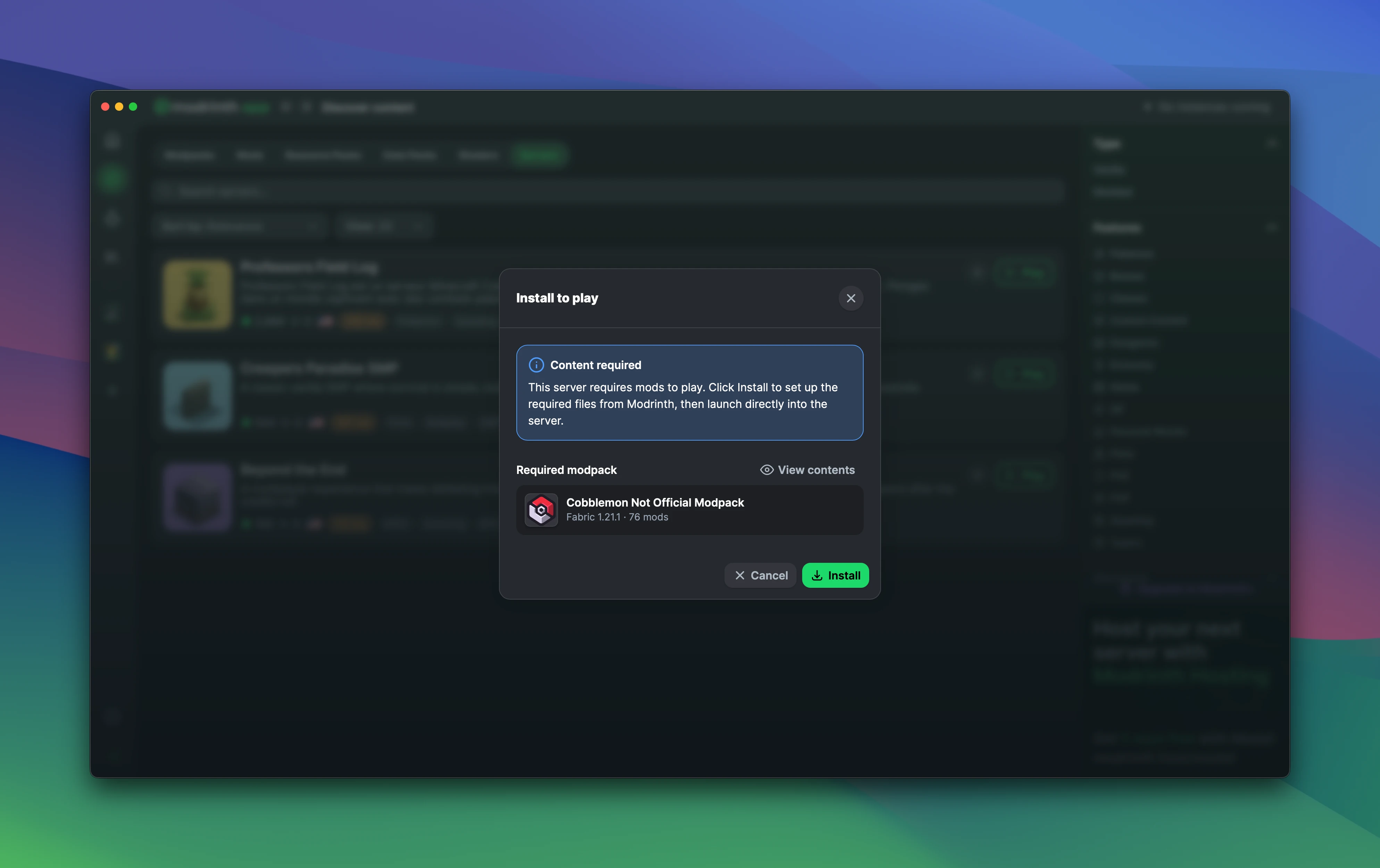
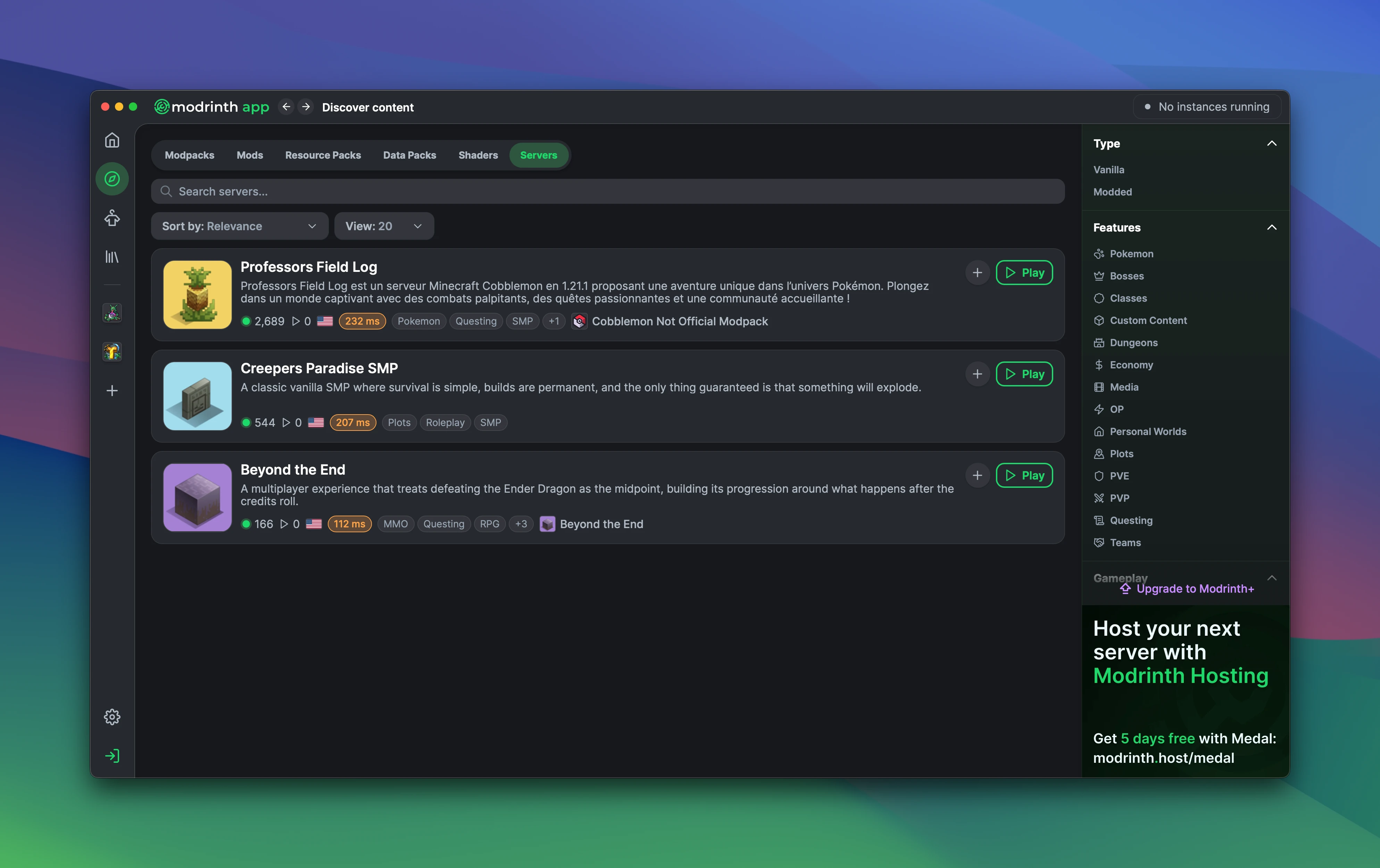
If you just want to play, the fastest path is finding a server that already hosts speed and parkour content. A good Minecraft server list will sort minigame and parkour servers for you, so you're not joining random IPs and hoping for the best. Filter by game type, check the player count, jump in.
Want friends to join your own world? You'll need a way for them to connect. Rather than handing out a string of numbers nobody can remember, grab a free Minecraft DNS address and point it at your server. Then it's just "join speedworld.example" instead of reciting an IP over voice chat. Small thing. Saves a lot of hassle.
For building, start small. A single parkour line teaches you spacing and timing before you commit to a full course. Use command blocks for the timer and a couple of pressure plates for start and finish. That's a working speed map in about twenty minutes.
- Pick a theme first: a tower climb plays very differently from a flat sprint.
- Mark the path clearly: colored wool or concrete reads better than guesswork.
- Test every jump yourself: if you can't do it consistently, neither can your players.
- Add a reset button: nobody wants to walk back to the start after a fall.
My take: are speed worlds worth your time?
Yes, with one honest caveat. Speed maps are some of the most replayable content in Minecraft because the goal is always "beat your last time," and that loop never really gets old. I've gone back to the same parkour course a dozen times just to trim two seconds.
But they're not for everyone. Here's the thing, if you play Minecraft to relax and build slowly, a timer breathing down your neck is the opposite of fun. That's fair. Speed worlds are a flavor, not the whole meal.
For anyone who likes a challenge with a clear win condition, though? Hard to beat. The Tubbo-style energy (fast, a little chaotic, very competitive) translates perfectly into map form, and the community keeps churning out fresh courses every week.
Ever rage-quit a four-block jump and immediately load back in? Then you already get it. That's the appeal in one sentence.
Before you dive in
Grab a map, set up a clean way for friends to connect, and give yourself permission to fail the first ten runs. Speed worlds reward repetition, not talent. The seconds come off eventually, and that moment when a run finally clicks is the best feeling Minecraft has to offer that doesn't involve finding diamonds.

Lead writer at minecraft.how. Long-time Minecraft player running a small SMP server, testing every build, mod, and seed before writing about it.
Frequently Asked Questions
What is a Minecraft speed world?
Do I need mods to play speed maps?
How do I make my own speed course?
Can I play speed worlds with friends?
What Minecraft version is best for speed maps?
Have a Question or Tip about this Guide?Community Q&A
Ask a question or help other players below. Join the discussion and share your Minecraft tips!