Building a Nether Fortress: Design and Placement
Nether Fortresses are the only structure in vanilla Minecraft that naturally spawns blaze mobs, which means they're your legitimate source of blaze rods. Building a purpose-designed fortress gives you control over spawning mechanics, farming efficiency, and defense. Whether you're starting from scratch or repurposing an existing structure, here's what you need to know to build one that actually works.
What You're Building
Vanilla Nether Fortresses don't spawn overnight, obviously. The game generates them naturally, but they're scattered and chaotic. What most players want isn't just finding one - it's creating a custom fortress designed around farming efficiency. That means choosing a location, planning your layout, and adding the infrastructure to turn a spawn room into a functional mob grinder.
The real advantage? Look, control.
Spawn platforms, fall distances, collection channels, xp farm integration - none of that exists in a natural fortress. You're creating your own system where blazes spawn predictably and funnel exactly where you want them. On my SMP server, the difference between a haphazard natural fortress and a designed farm is about 5x faster blaze rod collection.
Finding the Right Location
Where you build matters more than most guides admit. Nether Fortresses don't generate randomly across the entire Nether. They spawn only in specific strips along the Z-axis, creating patterns you can predict. Your first job is scouting to find a strip with enough open space to build.
The coordinates matter. Use our Nether Portal Calculator to convert your Overworld position to Nether coordinates. This saves hours of wandering and helps you pinpoint fortress strips quickly.
What you're actually looking for:
- A space at least 50-100 blocks from existing fortress structures (if building custom sections rather than modifying)
- Ground level between Y 50 and Y 75 (reasonable visibility, manageable building height)
- Room to build defensive perimeters without getting harassed constantly
- Access to or sight of a spawner room for farm centerpiece
Height sounds trivial until you're taking fireball spam from ghasts stationed above your build site. Position yourself with natural cover, or accept you'll need substantial defensive walls. Your choice, but I'd rather not rebuild after a ghast raid.
Materials and Basic Planning
Vanilla fortress blocks are blackstone, dark prismarine, and nether brick. If you want your build to feel integrated, match those materials. If aesthetics don't matter to you (and honestly, most SMP players skip that step), grab whatever looks good to you instead.
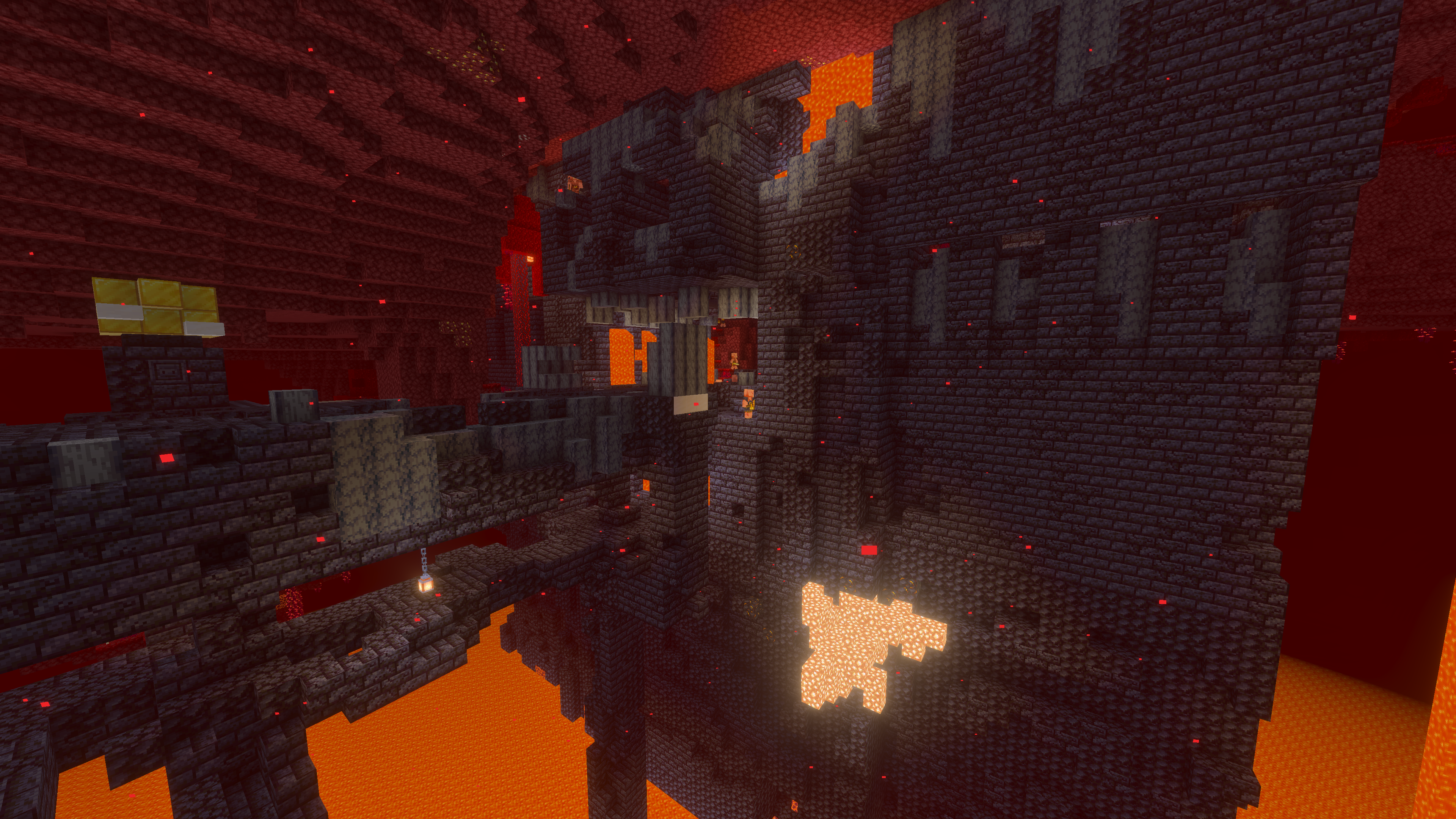
Core materials you'll need:
- Blackstone or nether brick (200-500 blocks depending on build scale)
- Dark prismarine (roofing and trim details)
- Obsidian or crying obsidian (blast-resistant reinforcement)
- Full-block hitbox materials for platforms and channels
- Dark blocks for light suppression (keep spawning confined)
Sketch your farm layout before placing anything. Actually commit to paper or build it in creative mode first. Blaze spawners work best with massive open areas above and below, but that space shrinks when you add collection channels. Planning prevents the frustration of discovering mid-build that your spawner sits in a stupid corner.
Designing the Spawning Platform
Here's where design becomes technical. Blazes spawn in light level 11 or lower, and they need an 8x8x8 safety zone around the spawner block. Most guides tell you to box it in, but that's lazy. Better designs use large open platforms with spawning areas arranged in strips, surrounded by dark blocks to suppress unwanted spawning elsewhere.
Water channels at floor level push mobs toward a central collection point. Stack your fall shafts - 30-40 blocks is the real target, not the 20-block drops you see in some tutorials. Blazes don't fall like regular mobs. They fly. A 30-block drop gets them low enough that one hit finishes most of them. Anything shorter and you're wasting time.
I got this wrong on my first try, actually. A 20-block fall does negligible damage to blazes. They flew back up and scattered everywhere. Forty blocks taught me that taller is better. The exact distance depends on whether you're using anvils, lava, or just counting on fall damage - but floor damage needs to be significant.
Add suffocation points or knockback if you want to be fancy. Most players just stack the fall high and call it done. Knock yourself out.
Defense and Multiplayer Considerations
The Nether isn't a peaceful farm zone. Ghasts throw fireballs. Hoglins wander around. Piglins get hostile when you mine gold nearby.
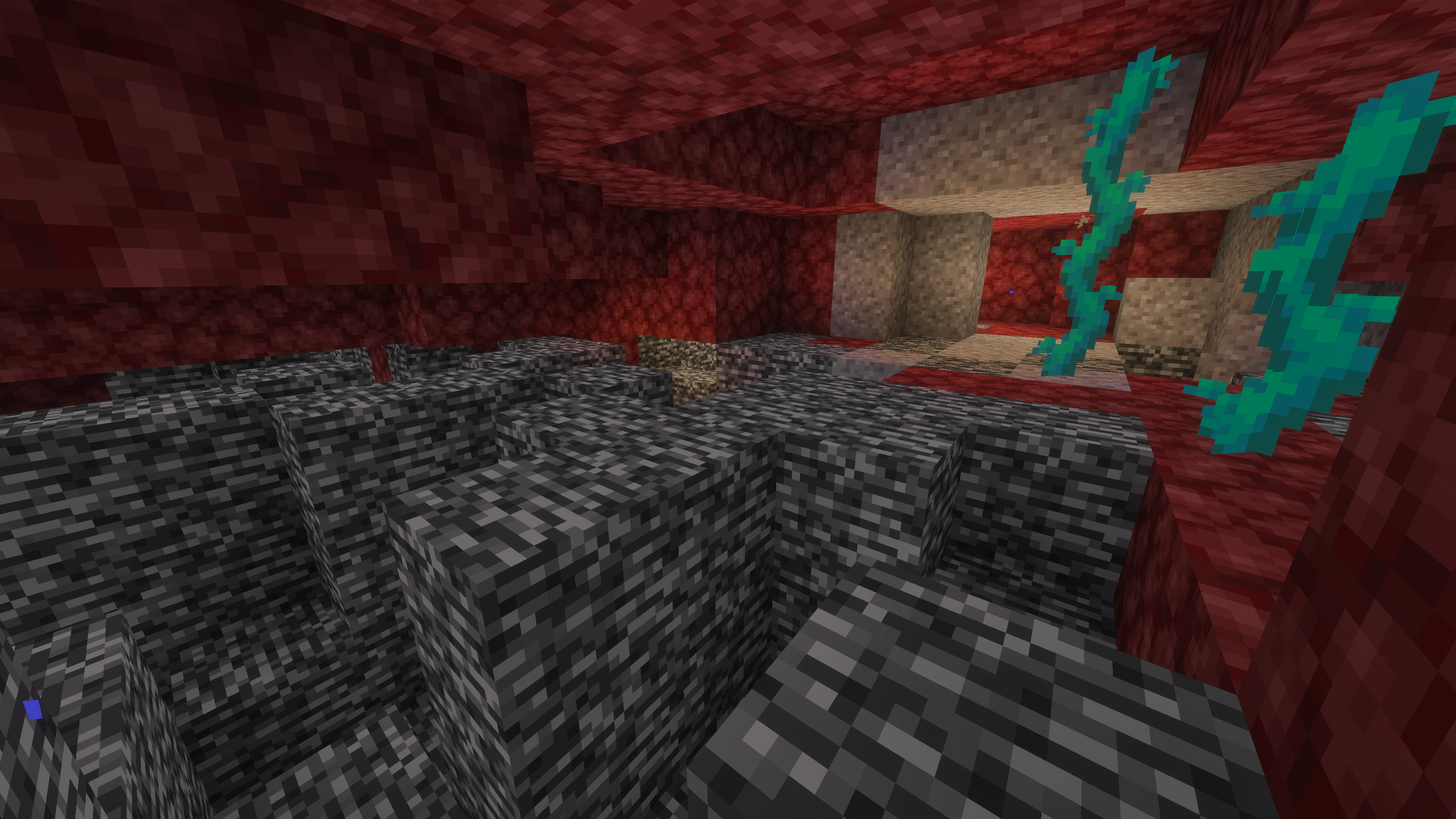
Build walls. Crying obsidian or blackstone with a soul sand roof works perfectly - ghasts can't break crying obsidian, and soul sand messes with their targeting. Your interior paths should be well-lit. Glow berries, lanterns, and soul lanterns keep personal routes safe while mob spawning continues inside your farm.
On multiplayer servers, fortress access creates conflicts. If you're building on a shared server and want to prevent chaos, consider restricting access. Our Minecraft Whitelist Creator can help manage permissions for farm buildings like this, keeping the farming space organized and preventing accidental griefs or inefficient mob interference.
Optimization and Final Setup
Once the core farm spawns blazes reliably, optimization begins. Add storage systems. Integrate hoppers and chests. Set up channels to sort blazes from other mobs if your design catches them. Some players automate smelting of blaze rods, though that requires specific block arrangements outside the farm itself.
Test your farm under real conditions. Spawn blazes and watch where they go. Do they cluster in unexpected spots? Does your collection system handle volume without backups? Does your light setup accidentally kill spawning in areas you wanted active?
Farm design is iterative. It's never perfect on day one.
Common fixes: Add more spawning platforms if output is too low. Darken areas that are suppressing unwanted spawning. Widen collection channels if blazes clog up. Speed up fall shafts if kill time is too slow. Every farm is different depending on your location, spawner placement, and how many players are using it simultaneously.
Mistakes That Waste Time
Building too close to existing fortress structures usually means multiple spawner rooms active at once, pulling mobs in different directions. Your farm becomes inefficient fast.
Under-sizing the fall shaft is probably the most common mistake. New players think 15-20 blocks is enough. It's not. Blazes are resistant to fall damage and they fly. Thirty-five blocks minimum.
Forgetting that ghasts and other hostile mobs will constantly attack your farm site. A minimal defensive perimeter sounds annoying to build, but not having one means constant interruptions while you're trying to farm.
Skipping light in your personal pathways makes the farm dangerous to use. You'll fall into your own grinder or get hit by a stray blaze constantly. Glow berries are cheap. Use them.
Finally, some players build the farm and then forget infrastructure. No chests. No hoppers. No organization. The blaze rods pile up on the floor and you're manually sorting through stacks of items. That defeats the point of automation entirely.

Lead writer at minecraft.how. Long-time Minecraft player running a small SMP server, testing every build, mod, and seed before writing about it.