Building the Perfect Minecraft Windmill
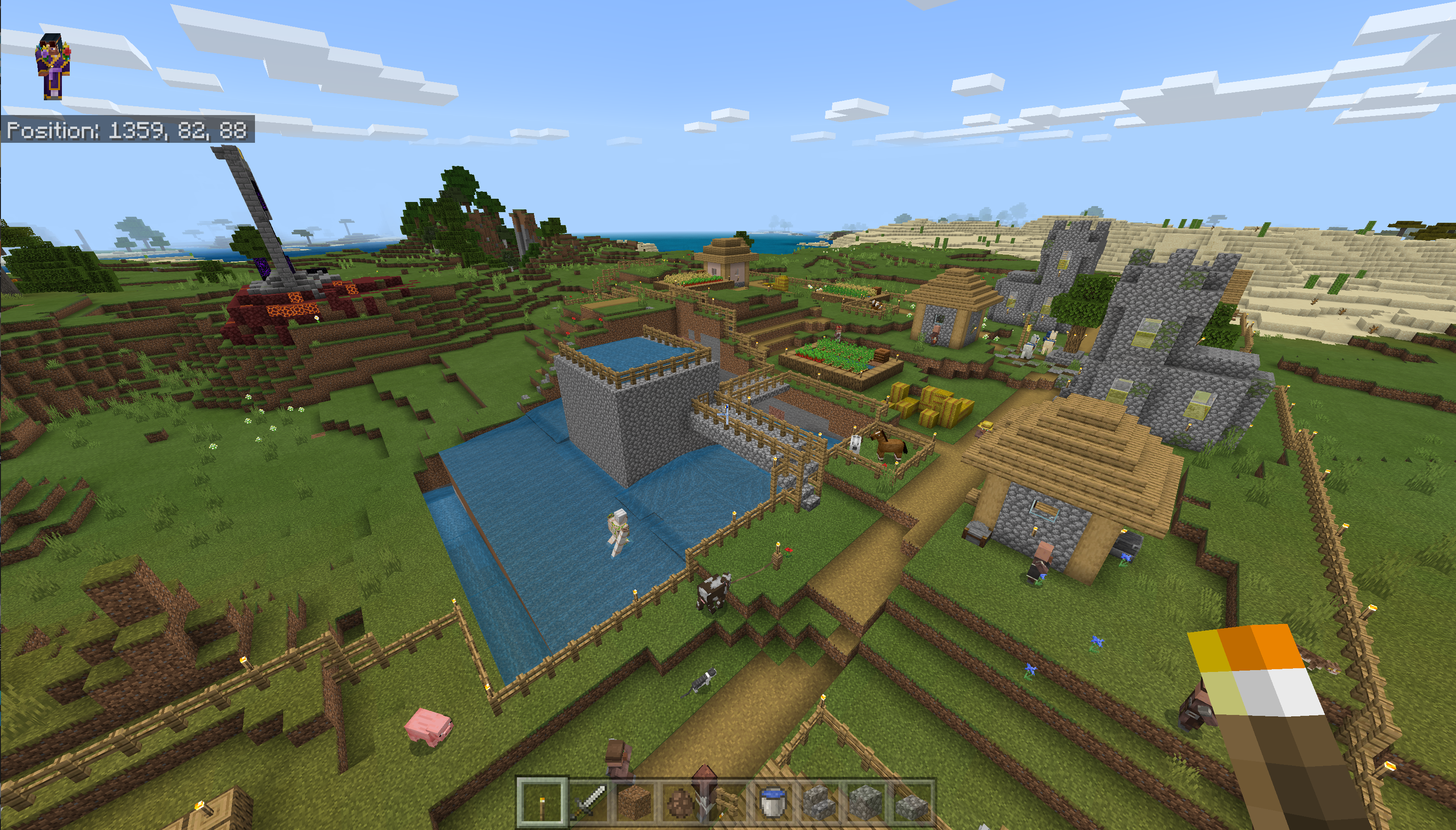
A Minecraft windmill is a decorative and functional build that combines aesthetics with purpose. Whether you're aiming for a rustic European village aesthetic or just want something that looks impressive, windmills work in almost any biome and add serious charm to your base.
Why Build a Windmill?
Honestly? They just look great.
If you've spent any time on a good SMP server (and I run one), you know that windmills become instant focal points. They work as grain mills, decoration, farms, or just cool centerpieces for a medieval area. I've seen windmills on servers like CraftMC, which has been consistently popular on our server list with 44 community votes this month, and they always draw players in. There's something about a well-built windmill that makes people stop and appreciate the effort.
The other reason windmills matter: they break up the monotony of rectangular houses and flat terrain. Minecraft survival worlds can feel samey after a while, and a properly built windmill changes the whole vibe of a location. You're not just placing blocks randomly anymore. You're creating a landmark.
Materials and Planning
Before you start placing blocks, decide what kind of windmill you want. Are you going for a Dutch-style tall structure? A compact mill for a small farm? Something that actually grinds materials or processes items? Your answer changes what you'll need. The most common approach uses wood (dark oak, spruce, or warped wood work best), stone or brick for the base, and trapdoors or stairs for the blades.
Gather these essentials: 200-400 wood blocks, 100-150 stone or brick blocks, 50+ trapdoors (or stairs), some decorative blocks, and optionally a few slime blocks and pistons if you want working blades. I'd also recommend having 30-40 different block types on hand for details and trim, since that's what separates a basic windmill from a memorable one.
Location matters more than you'd think. Pick high ground or open terrain so the windmill doesn't get blocked by trees or structures. EU players often prefer placing them near villages or farmland to make the build feel purposeful. If you're hosting or playing on a server and you're experiencing connection issues while building, our Free Minecraft DNS tool can help stabilize your connection. A laggy server ruins the building experience, and proper DNS settings make a real difference.
Building the Wooden Frame
Start with a circular or octagonal foundation. Octagonal is easier to build and looks more intentional.
Use stone or brick to create the base platform, about 12-16 blocks in diameter. Build walls upward in a cylinder or octagon shape, leaving them approximately 8-12 blocks tall. Honestly, the walls don't need to be solid. You can use stairs and slabs to create texture and save resources. Spruce wood is my pick for the main structure because it photographs well in most biomes and matches traditional windmill aesthetics perfectly, especially on newer servers running version 26.2.
Once the walls are up, create the roof. A pitched roof using stairs and slabs works best, angled inward toward a central point. Crown it with a small cupola or tower that'll hold your rotating blades. This is where the build starts feeling like an actual windmill instead of just a wooden cylinder.
Creating the Rotating Blades
Here's where it gets fun, and you've genuinely got options. The easiest method uses four trapdoors or stairs arranged in an X pattern, attached to a rotating block in the center. On Java Edition 26.2, you can build a working rotating mechanism using slime blocks with piston extenders, though it's time-consuming if you're not experienced with redstone. Connect everything to a redstone clock and your blades actually spin. Alternatively, if redstone isn't your thing, just make the blades look good with static positioning. Honest opinion: players won't judge you, and a beautiful stationary windmill still looks impressive.
If you do go the redstone route, hide all the mechanisms inside the cupola. Use observer blocks and pistons to create a clock that keeps the blades moving continuously. Make sure you're not creating lag problems, especially if you're running a server where players use tools like our Votifier Tester to check server health. A windmill build that tanks server performance defeats the purpose.
The blades themselves should be 4-6 blocks long from the center point.
Paint them a contrasting color from your main structure. White, light gray, or pale wood works well against dark wood frames. Add rotation variety by offsetting alternate blades slightly. When they spin, this offset makes the movement look far more organic and intentional rather than purely mechanical.
Interior Space and Functionality
What goes inside your windmill? That's entirely up to you and what you want the build to accomplish. Some players create actual grinding mechanics with hoppers and items moving through the interior like a real mill. Others use it as storage, a crafting station, or a private retreat. I've seen windmills on survival servers used as taverns, libraries, trading hubs, and even secret bases hidden inside.
Add a second floor using wooden platforms inside the main structure. This doubles your usable space and creates visual interest when players peer inside through windows.
Consider functionality alongside aesthetics. Windows, made with panes and glass, let light in and let players see the interior details. Trap doors and wooden doors on the main floor create natural entry points. A simple ladder or staircase in the center lets you reach upper levels and access blade mechanisms if you need maintenance later.
Finishing Touches That Matter
The difference between a good windmill and a great one comes down to surroundings. Build a small farm around the base. Wheat, carrots, potatoes, and beetroot create that authentic working-mill atmosphere instantly. Add silos using tall cylinders of wood or concrete, storage sheds, and maybe a small cottage nearby. Even just some wooden fencing and dirt paths leading to the windmill sell the whole concept to anyone visiting your world.
Landscaping elevates everything.
Paint the base with grass blocks and varied terrain types. Add vegetation variance. Moss blocks create a natural, overgrown look, while keeping it neat works better for functional mill areas. Use different wood types for trim and details because it breaks up visual monotony. If you're building in a plains biome, consider adding a water feature like a pond or stream, since windmills traditionally need water power and the aesthetic feels right.
Test your lighting at different times of day. Make sure the interior and exterior both look good in daylight and under torchlight. Add lanterns around the base and maybe inside visible windows. Glow from these creates atmospheric depth, especially if you're playing on a server where multiple players will see your build and judge your building skills.
The final step is standing back and taking screenshots. Place your windmill in the middle of your screen. Let it soak in. If it doesn't feel right, tweak the details. Add more plants, change the roof color, adjust the blade positioning. Building in Minecraft isn't just about technical execution. It's about creating something that makes you smile when you see it.

Lead writer at minecraft.how. Long-time Minecraft player running a small SMP server, testing every build, mod, and seed before writing about it.