Minecraft Iron Farms: Best Designs for 2026
Iron farms are the most efficient way to get infinite iron in vanilla Minecraft without endless manual grinding. Version 26.1.2 has the mechanics locked in solid, so whether you're building your first farm or upgrading an old one, you've got proven designs that work consistently.
How Iron Farms Work
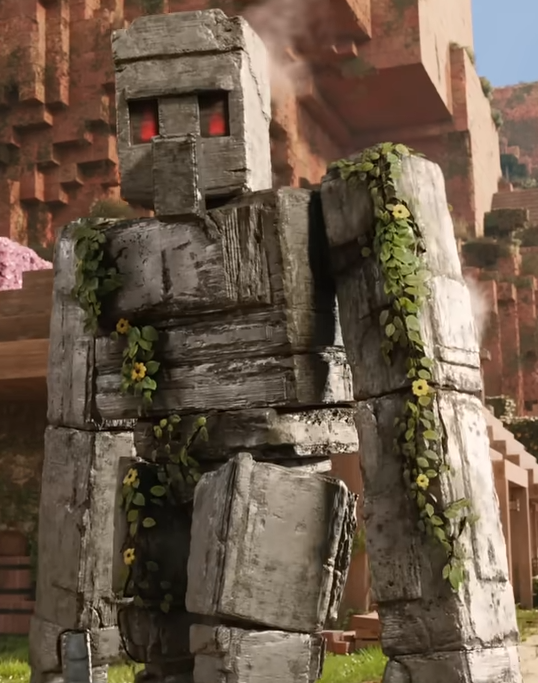
The core concept sounds simple: iron golems spawn near villagers, you get them into a kill chamber, they drop iron. But what actually triggers spawning is worth understanding, because it changes how you design everything.
Pure villager farms rely on golems spawning naturally around a crowd of villagers who have beds and job blocks nearby. Spawn rates are steady but slow - you're looking at maybe 30-50 iron per hour depending on setup. Spawner-based farms are faster because they introduce combat. Mobs pound on golems, the golems take damage, and damaged golems drop more iron when they die. This simple difference makes spawner farms roughly 3-4 times more productive.
Wait, I should clarify: golems drop iron regardless of damage. The real reason spawner farms are faster is throughput. You can funnel mobs constantly, kill golems quickly, and spawn new ones without waiting. The combat isn't magical, it's just efficient.
The Zombie Spawner Farm
Found a dungeon with a zombie spawner? Congratulations, you've basically got your farm blueprint ready.
The design is wonderfully straightforward. Look, let zombies spawn naturally from the spawner, channel them a few blocks away - typically 12-16 blocks horizontal distance - and have them attack an iron golem positioned just outside their reach. The golem takes damage, zombies keep spawning because they're busy fighting, and you collect iron drops. No redstone, no complicated hoppers. Just water channels, a damage chamber, and a collection area underneath.
Spawner farms are sensitive to light. The spawner itself ignores normal lighting rules, but mobs spawn faster in darkness. Most players cap their spawn platform with trapdoors or bottom slabs to keep light out. You can also use a spawner cage - just a box around the spawner to force everything into your designated spawn zone. And it prevents zombies from wandering off and keeps your kill rate predictable.
One thing that trips people up: golems regenerate health. If your damage output isn't constant, a golem will heal between hits and your farm grinds to a halt. You need enough zombies hitting it simultaneously that it never gets a break. Space-stuffing the spawn platform helps (more mobs = more constant aggression), and some designs use suffocation or lava to speed things up.
Drowned Spawners and Why They're Rarer
Drowned spawners work identically to zombie spawners, except you're dealing with underwater mechanics.
Finding one is the real challenge. Drowned spawners generate in ocean ruins, which are less common than dungeons. If you do find one, the farm setup is nearly identical: funnel drowned away from the spawner, drown them (or let a golem fight them), collect iron. The one genuine advantage is you can farm tridents as a side benefit. Drowned occasionally pick up tridents, and if you position collection carefully, you get both resources.
That said, trident farming has better-dedicated designs elsewhere. Building a drowned spawner farm purely for tridents is inefficient. But if the spawner's already there, capturing that secondary output takes almost no extra effort.
Pure Villager Farms for Spawner-Free Worlds
Not every world has a dungeon with a useful spawner nearby. Pure villager farms don't need anything except villagers, beds, and job blocks.
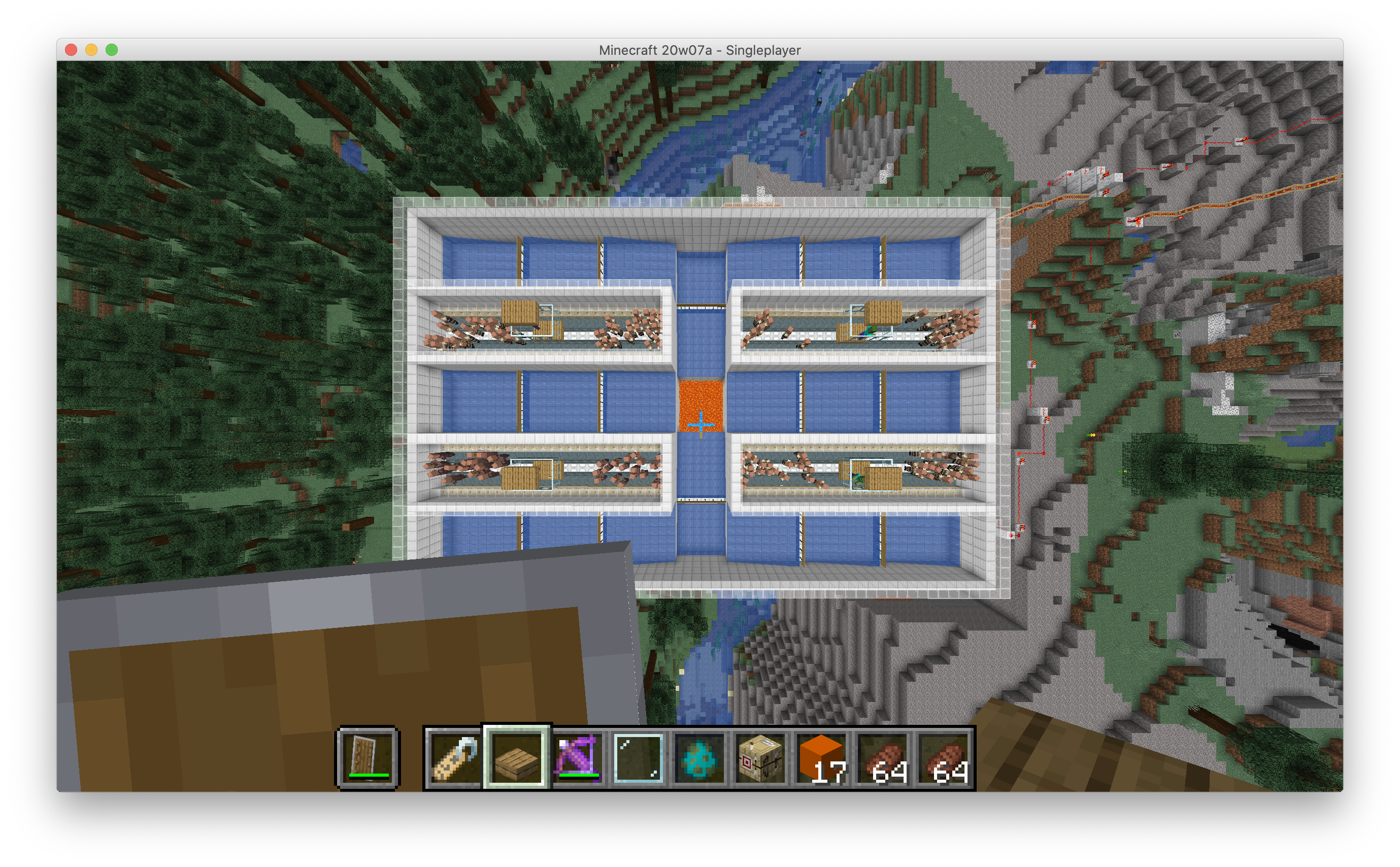
You gather roughly 10-20 villagers into a tight space - a 5x5 platform works - place beds below them and job blocks scattered around. Golems spawn in the air above the beds, naturally. Build a channel down and a kill chamber below (suffocation, lava, or a simple fall), and you've got a farm. Production is much slower than spawner designs, typically 30-50 iron per hour, but it requires zero redstone and doesn't depend on dungeon luck.
The math is straightforward: fewer mobs means fewer golem deaths per minute, which means less iron overall. But "less" is still plenty for a casual world. Most solo players never actually need more than a villager farm produces. The surplus accumulates quickly enough that iron stops being a bottleneck after a few hours of operation.
Multiplayer Realities and Server Farms
If you're playing on a server, before building a personal iron farm, check whether one already exists.
Many community servers run shared farms specifically so everyone benefits without duplicating infrastructure. Contributing to a community farm is always more efficient than building individually - one good farm serving 20 players is better than 20 mediocre farms. Check the Minecraft Server List for servers with established farming communities. Some servers explicitly encourage collaborative builds, and iron farms are a perfect first project for teamwork.
That said, some servers restrict iron farms to keep the economy balanced or prevent excessive mob spawning from tanking tick rates. Always check your server's rules before investing time. If farms are banned, ask admins if a community-run exception is possible. Most admins are reasonable about it.
High-Yield Multi-Spawner Designs
Once you're comfortable with a basic spawner farm, the optimization rabbit hole starts. Some players combine three, four, or even more spawners into a single contraption. A well-built three-spawner farm can push 400-500 iron per hour. Four spawners? You're looking at 600+.
These designs need serious redstone work. You're separating mob streams, timing golem spawns, managing death cycles, and merging outputs. Comparators measure hopper fullness, repeaters delay signals, and redstone lines coordinate everything. The complexity scales rapidly, and one mistake cascades through the whole system.
They're also server-intensive. Heavy mob farms can tank tick rates if you're not careful about spawn-suppression and mob removal. On single-player vanilla, this barely matters. On servers, especially multiplayer ones, admins sometimes cap how many golems can run simultaneously to protect performance. Again, check server rules.
Spacing, Lighting, and the Three Critical Mistakes
Most broken farms fail for one of three reasons.
First: golems are 2.7 blocks tall. Channels narrower than 3 blocks cause them to jam. They get stuck on edges, suffocate incorrectly, or refuse to move. Use 3.5-4 block height for breathing room. Second: darkness. Spawners ignore light levels, but you still want your spawn platform dark to keep mobs from burning in daylight, and dark to maximize spawn rate density. Trapdoors on top of your spawn platform cost nothing and make huge differences. Third: golem healing. If your kill rate isn't constant, golems regenerate between hits and your farm stalls. Feed them mobs consistently, or use suffocation and lava to speed the cycle.
Get those three right, and your farm runs forever.
Aesthetics and Making Your Farm Feel Intentional
Iron farms don't have to look like eyesores. Yes, the functional core is all water channels and hoppers and redstone. But you can hide all that.
Wrap it in a themed building - industrial steampunk, underground cavern, nether-inspired structure. Rooflines, terraforming, decorative blocks. Most people build their farms in hidden chambers anyway, so the exterior appearance doesn't matter. But if you're the type who integrates contraptions into your base aesthetic, farms are actually easier to dress up than you'd think. The spawn platform is the only part that needs to be exposed, and that's a small area.
If you're stuck on design inspiration, builder communities are everywhere. Check out what other players have created - sometimes the most complex builders also build the most beautiful farms. And if you're part of a multiplayer community with custom skins, browse Browse Minecraft Skins to see what the creative players in your circle are wearing. Their builds often carry design DNA into their farms too.
Which Design Should You Build
Spawner farms are 3-4 times faster. Pure villager farms work anywhere. Multi-spawner designs are for optimization obsessives.
Start with whatever you find first. If you discover a zombie spawner while caving, build a spawner farm immediately - it's worth the time. If you never find a suitable spawner, a villager farm is still absolutely sufficient and takes way less setup effort. Multi-spawner builds are for when you've already got a working farm and want to push production to crazy levels.
Iron is the one resource that actually feels infinite once you've got *any* functional farm running. The difference between 50 per hour and 400 per hour doesn't matter in casual play, because both accumulate faster than you'll ever use iron. Build whichever design fits your world, your style, and what you've found while exploring. You can't really lose.

Lead writer at minecraft.how. Long-time Minecraft player running a small SMP server, testing every build, mod, and seed before writing about it.