Magma Cube Farming Guide: Spawning, Drops, and Farm Design
Magma cubes are one of the Nether's most reliably farmable mobs, spawning in predictable locations and dropping magma cream - a surprisingly useful crafting ingredient. Building an efficient magma farm isn't overly complex, but it requires understanding their spawning mechanics and loot drops. Here's what you need to set up a farm that actually works.
Where Magma Cubes Spawn
You'll find magma cubes exclusively in the Nether. They spawn most frequently in two places: Nether fortresses and the Basalt Deltas biome. In fortresses, they appear on any opaque block at light level 7 or below - which basically means anywhere in there that's not brightly lit. I tested several farm locations on my SMP server, and the fortress spawning proved far more consistent for actually getting a steady stream of cubes.
The key mechanic here's mob spawning difficulty. Magma cubes require a Y-coordinate between 40 and 128 (as of version 26.2), though you can push that lower if you're willing to dig deeper. They avoid spawning near magma blocks half the time - a quirk that actually matters for farm design, since most players flood their farms with lava anyway.
- Spawn anywhere in Nether fortresses on dark surfaces
- Need Y 40-128 minimum height range
- Avoid light level 8 or above
- Magma blocks don't prevent spawning, but they reduce rates by roughly 50%
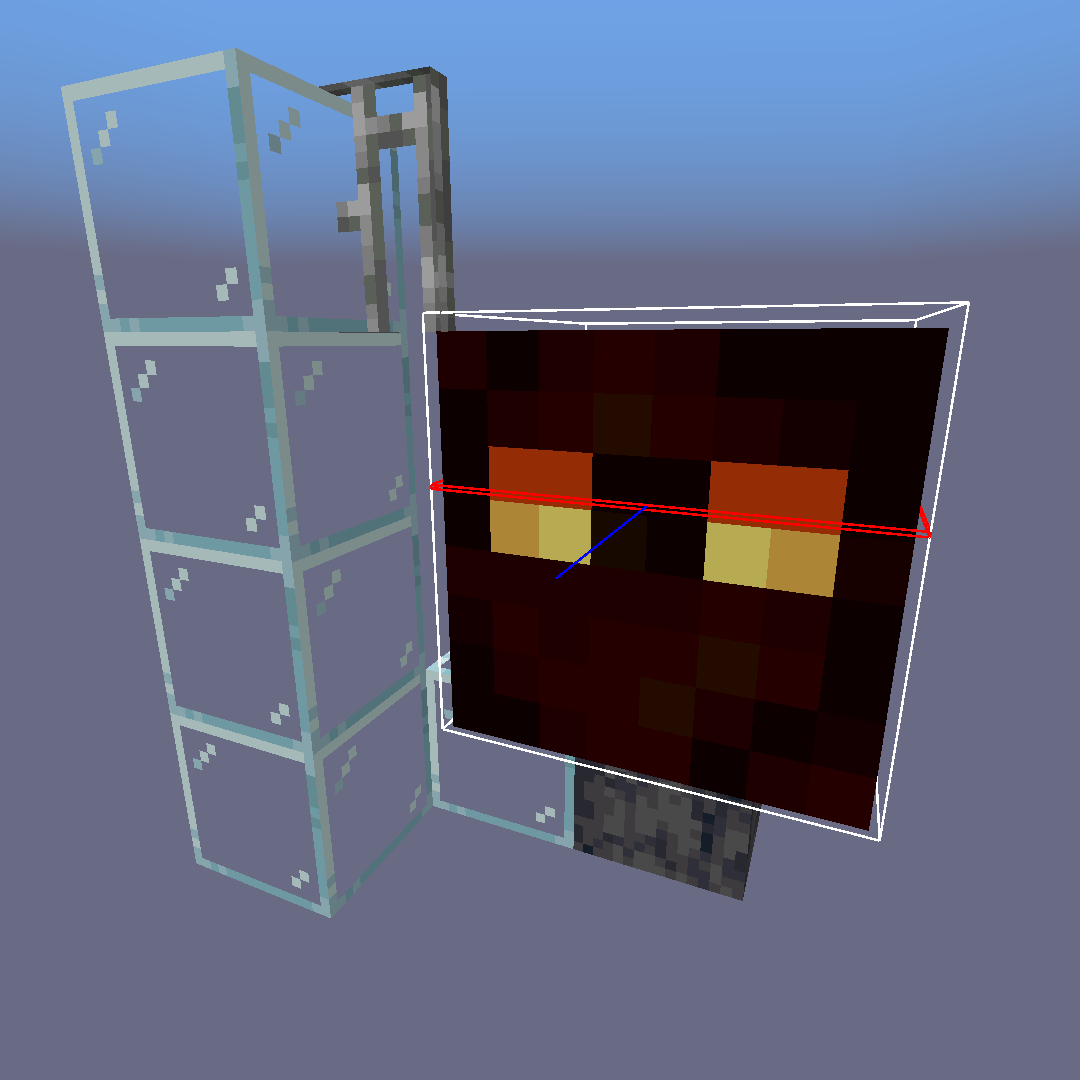
One thing that tripped me up initially: size matters. Magma cubes spawn in three sizes - small, medium, and large - with completely different spawn rates. Large cubes are rarest, which actually makes farming more rewarding since they're more valuable. You'll see mostly small ones in early-game farms, but a proper setup eventually pulls in enough medium and large variants to make it worth the setup time.
Understanding Magma Cube Drops
Here's what you're actually grinding for. Each magma cube drops magma cream when killed, but the quantity depends on size. Small cubes drop zero to two magma cream. Medium ones drop one to four. Real talk, large ones? One to four as well, but they appear less frequently. This is where the farm efficiency actually matters.
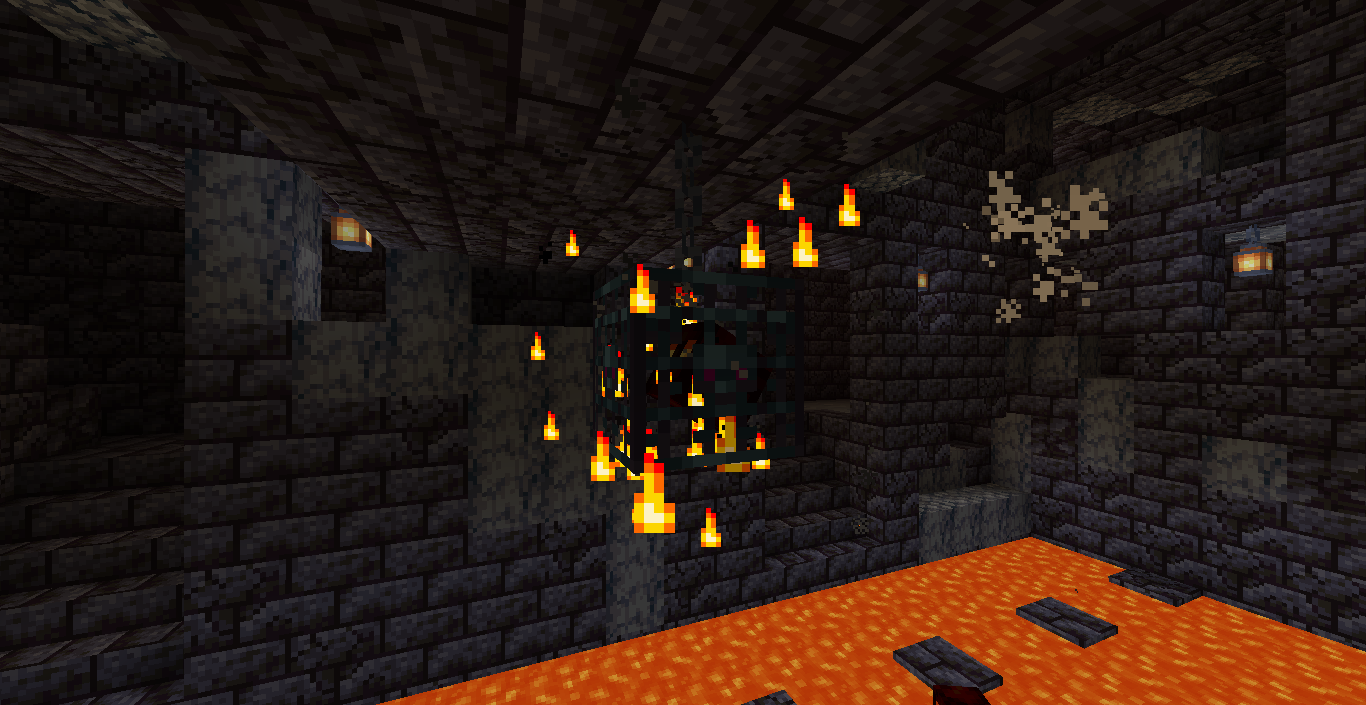
Magma cream is the real win here. You use it to craft fire resistance potions with awkward potions and magma cream (seems backwards, I know). Tons of players sleep on fire resistance potions until they're building in the Nether at scale and realize they've been taking way too much damage.
Beyond magma cream, each cube drops between 1 and 4 experience points. Nothing spectacular, but it adds up when your farm's running at full capacity. The experience farm angle genuinely matters less than the magma cream, though having a mob farm that also banks XP is never wasted.
Want to set up an efficient server for testing your farm mechanics? The Server Properties Generator makes configuring spawn rates and other properties painless if you're running your own test server.
Building Your First Magma Farm
Setting up a magma cube farm breaks down into a few core components: a spawning platform, a collection method, and a killing system. Let's handle each one.
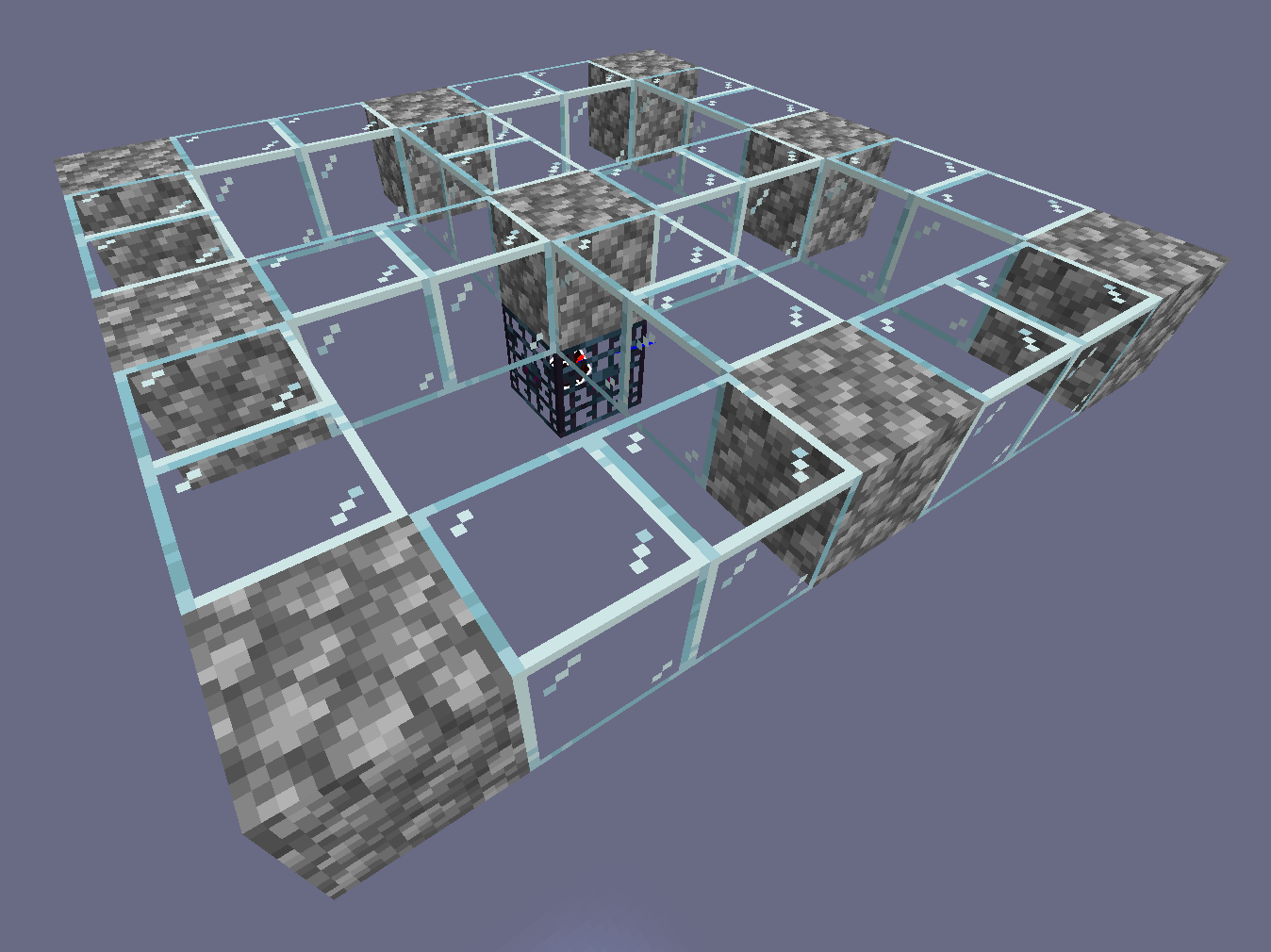
The spawning platform should be a flat, open area at least 20 blocks in any direction within a Nether fortress. Magma cubes need space to actually spawn - they won't appear on every available block. Your platform should use opaque, dark-colored blocks (dark oak works great, obsidian even better). Keep light levels as low as possible. I use soul lanterns on the periphery rather than filling the whole thing with light.
For collection, you want cubes falling into a central channel. Dig a trench down the middle of your platform, then slant it gradually downward. Water doesn't work in the Nether, so you'll rely on gravity. This is where the design gets slightly tricky but not impossible - aim for a slope that guides mobs downward without bouncing them off randomly.
From there, funneling to a kill chamber. You've options: suffocation damage, crushing, fall damage. Most players go with a 40-block drop into a suffocation block setup - simple, effective, no redstone required. The cubes take damage on the way down and finish in the suffocation space below. This approach gives you time to stand at collection point and gather drops at your pace.
Want to fine-tune server behavior? If you're running private servers, the Minecraft Votifier Tester helps ensure your server's voting system works smoothly - useful if you're inviting others to test your farm.
Optimizing for Maximum Efficiency
Here's where actual testing separates farms that feel okay from farms that feel effortless. First: spawn-proof literally everything outside your intended spawning area. Every dark spot magma cubes might appear in gets sealed, lit up, or claimed with slabs and trapdoors. This forces all spawns into your platform, which massively increases your farm's output.
Second, platform size matters more than most guides suggest. Aim for at least 15x15 of spawning surface. I initially built smaller (rookie mistake) and the farm felt sluggish. Expanding it doubled my output. That's not coincidence - bigger platforms simply spawn more cubes per tick.
Third, light level precision. Seven or below is the target. Anything above that and spawns dry up. I've seen people obsess over getting it to exactly 4 or 5, but honestly 7 works fine. The real gain comes from making sure you don't accidentally brighten things with nearby light sources.
Consider vertical farms instead of horizontal ones if you're in a fortress with height constraints. Stack multiple spawning layers, each with its own collection channel feeding down to a central killing floor. More complex to build, but dramatically higher yields in the same footprint.
One last optimization: chunk loading. If you're not standing on the farm, chunks stop loading and spawns stop. AFK farming requires either a presence or an auto-clicker setup with a loaded chunk, depending on your server rules. On my server, we accept the limitations of active farming (actually being present), which honestly makes the whole process more rewarding than idling.
Is Magma Farming Worth It
So here's the real question: do you actually need a magma cube farm? For survival players, magma cream and fire resistance potions matter if you're doing serious Nether work. Building a Nether base, exploring extensively, harvesting resources - all that's way less painful with fire resistance active. The farm setup takes maybe an hour if you know what you're doing, which pays itself back quickly.
For vanilla players on servers without enchanting tables and rapid advancement, magma farms feel optional. For anyone doing active Nether exploration, it's genuinely useful. Test one out for yourself.

Lead writer at minecraft.how. Long-time Minecraft player running a small SMP server, testing every build, mod, and seed before writing about it.