Minecraft Farmer-Anleitung: Dorfbewohner, Berufe, Handel und
Ein Minecraft-Farmer ist sowohl ein nützlicher Dorfbewohner-Beruf als auch eine großartige Survival-Rolle, wenn du Essen, Smaragde und ordentliche Feldfrüchte-Felder liebst. 2026 sind Farmer immer noch eine der einfachsten Dorfbewohner zum Einrichten und ehrlich gesagt eine der am wenigsten frustrierend zu verstehen.
Wenn du früh an stetige Smaragde kommen möchtest, ist ein Farmer normalerweise meine erste Wahl nach einem Bibliothekar. Weizen, Karotten, Kartoffeln, Kürbisse, Melonen, später goldene Karotten - es ist eine praktische kleine Wirtschaft. Und wenn dir Skins oder Roleplay wichtig sind, funktioniert die ganze rustikale Bauernhof-Atmosphäre immer noch absurd gut in fast jeder Spielwelt.
Minecraft Farmer Grundlagen: Was der Farmer macht
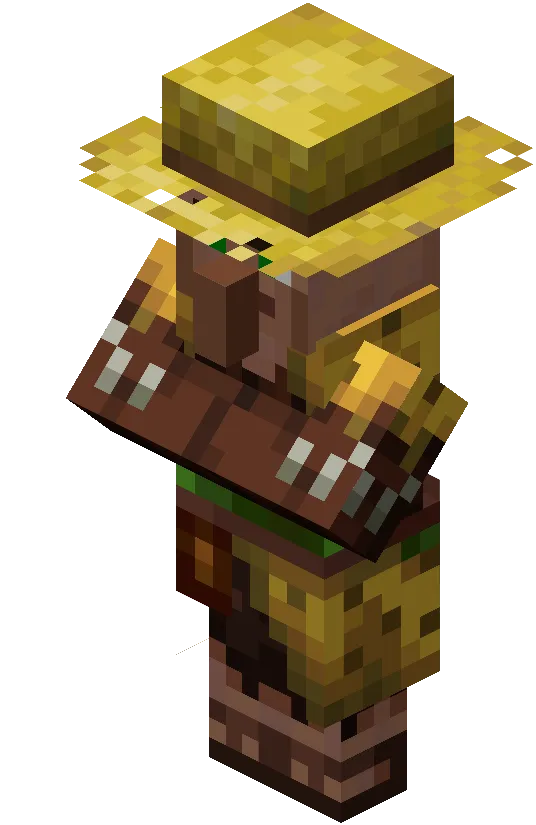
Der Farmer ist ein Dorfbewohner-Beruf, der den Kompostbehälter als seinen Job-Block nutzt. Platziere einen unbeschäftigten Dorfbewohner daneben, stelle sicher, dass er einen Weg dorthin hat, und wenn keine andere Werkstation seine Aufmerksamkeit beansprucht, hast du einen Farmer. Einfach genug. Naja, meistens. Dorfbewohner haben ein Talent dafür, einfache Systeme wie Verhandlungen mit einem Dickkopf wirken zu lassen.
Farmer kaufen häufige Feldfrüchte von dir und verkaufen dafür nützliche Lebensmittel. Das ist der Grund, warum sie im Survival so beliebt sind. Du brauchst keine seltene Beute, komplizierte Redstone oder eine Raid-Farm, um von ihnen zu profitieren. Du brauchst nur Erde, Wasser, Samen und ein wenig Geduld.
Sie funktionieren auch natürlich in Feldfrüchte-Feldern. Ein Farmer kann vollständig gewachsene Feldfrüchte ernten und wieder anpflanzen, was ihn sowohl in manuellen als auch in automatisierten Dorfbewohner-Farmen praktisch macht. Wenn du jemals einen dieser Brot-verteilenden Dorfbewohner-Züchter gebaut hast, hast du bereits Farmer-Verhalten genutzt, auch wenn der Dorfbewohner selbst eher verwirrt als qualifiziert aussah.
Wie man einen Dorfbewohner in einen Farmer verwandelt
- Platziere einen Kompostbehälter neben einem unbeschäftigten Dorfbewohner.
- Stelle sicher, dass der Dorfbewohner es physisch erreichen kann.
- Warte auf Arbeitszeiten während des In-Game-Tages.
- Überprüfe, dass kein anderer Dorfbewohner den Kompostbehälter bereits beansprucht hat.
- Sperre Handelsgeschäfte, indem du einmal handelst, wenn du diesen Dorfbewohner als Farmer behalten möchtest.
Das ist wichtig. Sobald du mit einem Dorfbewohner handelst, sind sein Beruf und seine Handelsangebote gesperrt. Wenn du bessere Anfangsangebote möchtest, starte neu, bevor du das erste Mal handelst, nicht danach.
Die besten Minecraft-Farmer-Handelsgeschäfte im Survival
Für die meisten Spieler ist der Grund, sich um einen Minecraft-Farmer zu kümmern, Smaragd-Einnahmen. Und das ist fair. Ein guter Farmer verwandelt riesige Feldfrüchte-Patches in echte Handelsmacht, was viel aufregender ist als eine Truhe voller Weizen, die du nie zu Brot backen wirst.
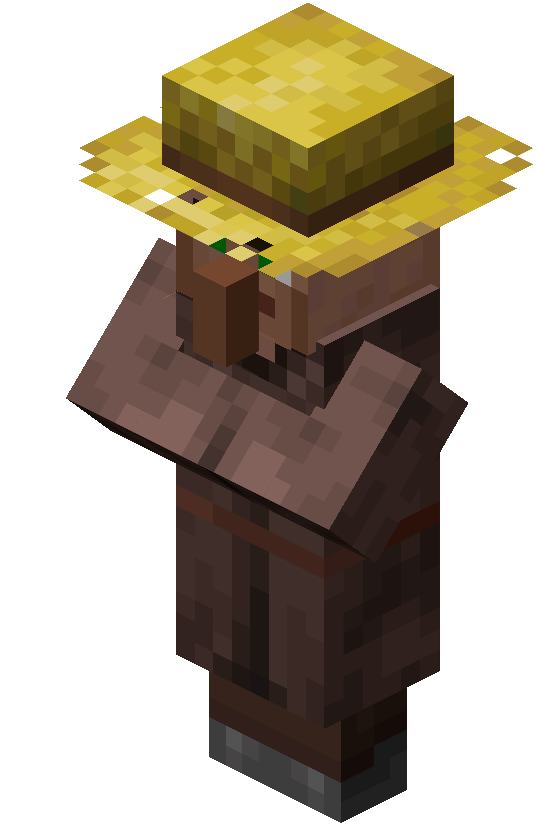
Die klassischen Früh-Spiel-Handelsgeschäfte sind Weizen, Karotten, Kartoffeln und Rüben. Kartoffeln und Karotten sind normalerweise die beste Option, weil sie sauber stapeln, schnell genug wachsen und nicht das separate Anpflanzen von Samen erfordern. Weizen funktioniert auch, erfordert aber mehr Klicks, und nach einer langen Ernte-Session beginnt deine Maus-Hand, formale Beschwerden einzureichen.
Kürbis- und Melonen-Handelsgeschäfte sind, wo es interessant wird. Sobald du Stiele und eine anständige Farm hast, können diese Handelsgeschäfte schnell Smaragde einbringen, besonders wenn du sie mit Dorfbewohner-Heilungs-Rabatten kombinierst oder dich einfach groß in Landwirtschaft investierst. Ich habe das auf einem Survival-Server mit Freunden getestet, wo unser "temporärer" Kürbis-Patch zu einem biom-großen Fehler wurde. Aber es hat sich gelohnt.
Auf höheren Levels können Farmer auch goldene Karotten und verdächtige Eintöpfe verkaufen. Goldene Karotten sind der eigentliche Preis. Sie gehören zu den besten Lebensmittelquellen im Spiel dank ihrer hohen Sättigung, und sie von Farmern zu kaufen ist oft leichter, als sie selbst in großen Mengen herzustellen.
Meine ungefähre Rangliste sieht so aus:
- Bester Früh-Handel: Karotten oder Kartoffeln
- Bester Mittel-Spiel-Handel: Kürbisse und Melonen
- Bestes vom Farmer verkauftes Item: goldene Karotten
- Am leichtesten zu vergessender Handel: Rüben, entschuldigt Rüben-Fans
Und ja, verdächtiger Eintopf kann Spaß machen. Aber die meisten Welten drehen sich nicht um verdächtigen Eintopf, unabhängig davon, was dieser eine äußerst engagierte Roleplay-Tavern-Server behauptet.
Wie Farmer in automatisierte Feldfrüchte-Farmen passen
Das ist der Punkt, an dem der Farmer aufhört, nur ein Händler zu sein, und anfängt, Infrastruktur zu werden.
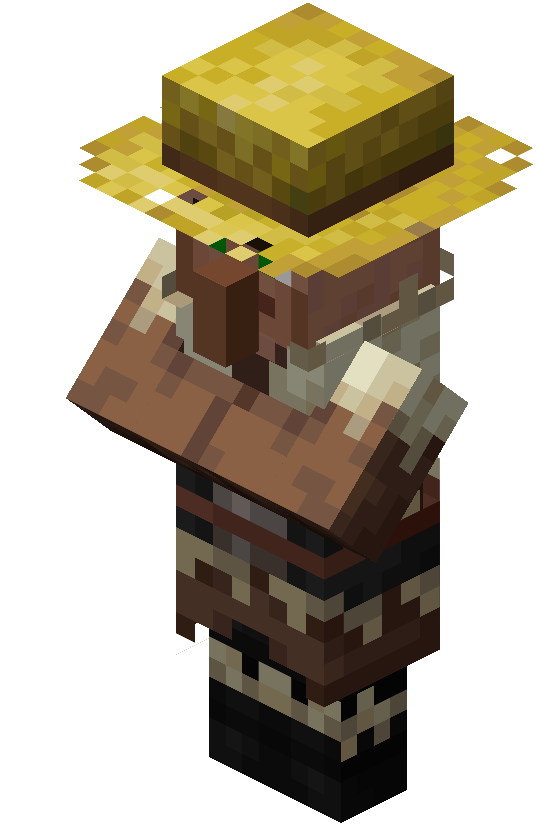
Farmer können Feldfrüchte ernten und versuchen, Essen mit anderen Dorfbewohnern zu teilen, was sie zum Schlüsselteil in mehreren automatischen Farm-Designs macht. Das grundlegende Muster ist einfach: Ein Farmer arbeitet auf einem Feld, sammelt Feldfrüchte und wirft das Essen entweder zu einem anderen Dorfbewohner oder es wird von einem Trichter-Wagen, Trichter oder Sammelsystem abgefangen. Aber dieses Design unterscheidet sich zwischen Java und Bedrock, und genaugenommen ist das nicht ganz korrekt, denn selbst innerhalb derselben Edition können Pfadfindungs-Eigenheiten und Patch-Änderungen die Zuverlässigkeit beeinflussen.
Behalte also realistische Erwartungen. Eine Dorfbewohner-Feldfrüchte-Farm ist effizient, aber nicht elegant. Du benutzt einen sehr entschlossenen NPC mit starkem Interesse an Weizen-basierter Arbeit und sehr schwachem Interesse an deinen persönlichen Deadlines.
Trotzdem funktioniert es. In Java Edition sind Farmer-betriebene Karotten- und Kartoffel-Farmen häufig, weil diese Feldfrüchte keine herumliegenden Samen im Inventar hinterlassen wie Weizen. Das bedeutet konsistenteres Ernte-Verhalten. Wenn dein Ziel Essen oder Züchter-Brennstoff ist, sind Karotten und Kartoffeln normalerweise der beste Weg. Für reine Smaragd-Produktion skalieren Melonen- und Kürbis-Farmen oft besser mit Redstone als mit Dorfbewohnern.
Bedrock-Spieler müssen ein wenig vorsichtiger sein, da sich das Dorfbewohner-Verhalten anders anfühlen kann als Java-Setups aus alten Tutorials. Ein Design, das in einem YouTube-Video perfekt funktioniert, kann in deiner Welt auseinanderfallen, weil ein Dorfbewohner von einer Werkstation zwanzig Blöcke entfernt abgelenkt wird und plötzlich ist deine "Automatisierung" nur noch ein Mann, der in einem Feld steht und Samen hält.
Tipps, die Zeit sparen
- Verwende Karotten oder Kartoffeln für Dorfbewohner-betriebene Farmen, wenn du weniger Inventar-Probleme möchtest.
- Halte Farmer mit ihren eigenen Kompostbehältern verbunden und entfernt von herumstehenden Job-Blöcken.
- Beleuchte die Farm richtig, damit das Wachstum konsistent bleibt.
- Umzäune oder mauere die Gegend, denn ein Zombie-Vorfall kann das ganze Setup ruinieren.
- Handel einmal mit dem Farmer, den du behalten möchtest, bevor du andere Dorfbewohner bewegst.
Minecraft Farmer Skins und Roleplay-Ideen
Nicht jeder Artikel über den Minecraft-Farmer muss aus Tabellen und Handel-Mathematik bestehen. Manchmal möchte man einfach, dass der eigene Charakter so aussieht, als würde er tatsächlich neben einer Windmühle passen.
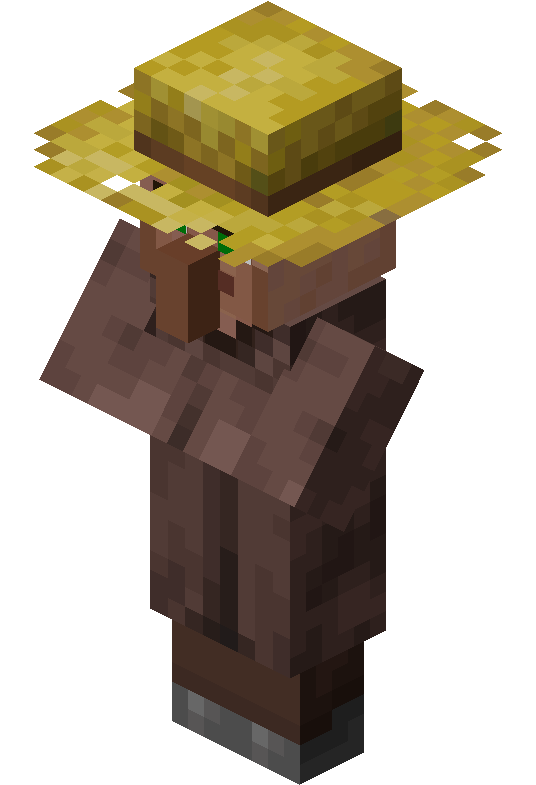
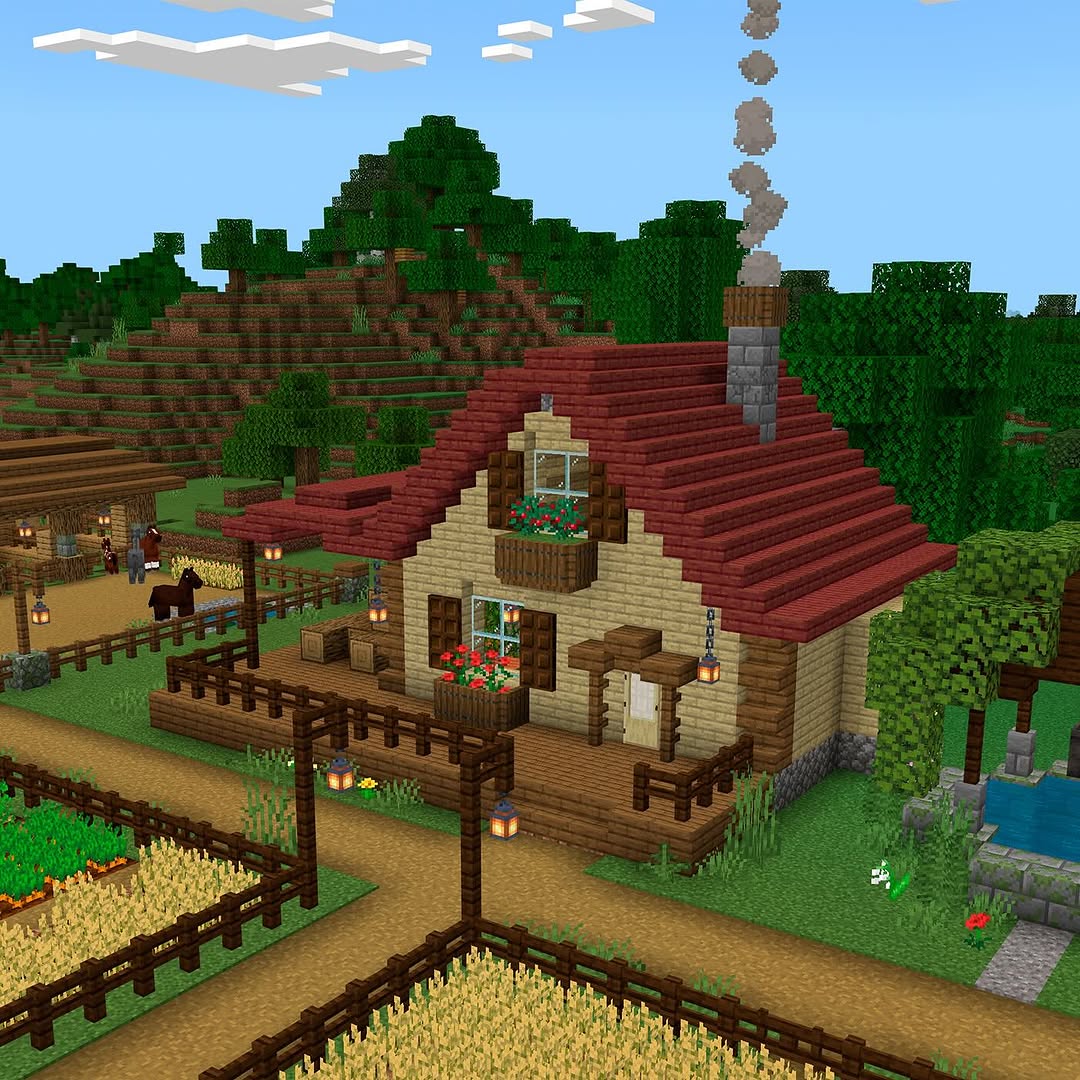
Minecraft Farmer Skins sind großartig für Dorf-Builds, SMP-Markt-Städte, Herbst-Maps und gemütliche Survival-Screenshots. Wenn du einen Feldfrüchte-Distrikt zusammenstellst, eine Weizen-Scheune oder eines dieser verdächtig hübschen Cottagecore-Bauernhöfe, das irgendwie industrielle Produktion unter der Erde verbirgt, hilft ein richtig gutes Skin, das Ganze zu verkaufen.
Einige solide Auswahlen von minecraft.how:
- farmer Minecraft Skin für einen klassischen, einfachen Dorf-Look
- Macdonaldsfarmer Minecraft Skin, wenn du eine verspielte, leicht chaotische Bauernhof-Atmosphäre magst
- The_Lemon_Farmer Minecraft Skin für etwas Helleres und Charaktergeladenes
- potatofarmer Minecraft Skin, wenn deine ganze Persönlichkeit jetzt Wurzelgemüse ist
- FarmerJoe22 Minecraft Skin für einen mehr named-character Stil auf SMPs
Meine Wahl ist die Kartoffel-Variante, rein weil die Konsequenz bewunderungswürdig ist. Wenn deine Basis sechs Hektar Kartoffeln und eine Dorfbewohner-Halle hinter der Scheune hat, kannst du genauso gut passend gekleidet sein.
Und Farmer Skins funktionieren über Farming hinaus. Sie sind gut für Händler, Gastwirte, Mühlenbesitzer, Dorf-Bürgermeister, sogar Apokalypse-Maps, wo jemand immer noch behauptet, dass die Rüben-Ernte zählt. Das ist Optimismus. Verstörend, aber Optimismus.
Minecraft Farmer in 2026: Updates, Plattformen und was sich geändert hat
Farmer selbst wurden 2026 nicht neu erfunden, aber das Spiel um sie herum verschiebt sich bei jedem Update ein wenig, was Bedeutung hat, wenn du langfristige Farmen baust oder plattformübergreifende Guides schreibst.
PCGamesN berichtete, dass Mojangs aktuelle Update-Kadenz sich zu kleineren regelmäßigen "Drops" geändert hat, ungefähr alle paar Monate. Minecraft 1.26.1 "Tiny Takeover" wird um März 2026 erwartet. Das bedeutet nicht, dass Farmer-Dorfbewohner überarbeitet werden, aber Farm-Verhaltens-Guides altern schneller. Kleine KI-Besonderheiten, Handelsausgleichsanpassungen, Block-Interaktionen und Pfadfindungs-Eigenheiten - das sind die stillen Killer für alte Tutorials.
Plattform-Unterschiede sind auch wichtig. 2024 bemerkte The Loadout, dass Mojang an einer nativen PS5-Version von Minecraft arbeitete. Für Spieler, die Dorfbewohner-Farmen auf Konsole bauen, ist Plattform-Unterstützung weniger für rohe Mechaniken und mehr für Stabilität, Ladezeiten und wie angenehm sich große Dörfer spielen. Jeder, der Boote voller Dorfbewohner über eine laggy Welt gezogen hat, weiß, dass "angenehm" viel Arbeit leistet.
Wenn du also 2026 eine Farmer-Anleitung liest, überprüfe drei Dinge, bevor du einen Build genau kopierst:
- Deine Edition, Java oder Bedrock
- Deine Plattform, besonders wenn du auf Konsole spielst
- Das Update-Datum des Tutorials, das du befolgst
Alte Dorfbewohner-Guides schlagen nicht immer laut fehl. Manchmal werden sie einfach komisch, was schlimmer ist.
Beste Art, einen Minecraft-Farmer jetzt zu nutzen
Wenn du die kürzeste nützliche Antwort möchtest, hier ist sie:
Verwende einen Farmer früh für Feldfrüchte-Handelsgeschäfte, füge dann nur weitere hinzu, wenn deine Welt sie tatsächlich braucht. Richte zuerst Karotten oder Kartoffeln ein, wechsle zu Kürbissen oder Melonen für höhere Smaragd-Ausbeute, und kaufe goldene Karotten, sobald der Dorfbewohner aufgelevelt ist. Wenn du automatisierst, halte das Design editions-spezifisch und rechne mit Troubleshooting. Wenn du Roleplay machst, geh voll in den Look, denn Farmer-Builds stechen immer noch optisch hervor.
Ich würde den Farmer nicht den stärksten Dorfbewohner im Spiel nennen. Bibliothekare sind immer noch lächerlich stark. Werkzeugschmiede und Rüstungsschmiede können enorm sein. Aber Farmer sind zuverlässig, billig zum Starten und überraschend flexibel. Das ist eine großartige Kombination im Survival.
Also ja, der Minecraft-Farmer lohnt sich 2026 immer noch. Für Essen, für Smaragde, für Dorf-Automatisierung und um deine Basis wie einen echten Ort fühlen zu lassen statt nur ein Loch mit Truhen. Wir alle hatten diese Basis, übrigens.
Quelle: Verwendete Referenzseite öffnen.

Lead writer at minecraft.how. Long-time Minecraft player running a small SMP server, testing every build, mod, and seed before writing about it.
Häufig gestellte Fragen
Wie wandle ich einen Dorfbewohner in einen Farmer um?
Was sind die besten Handelsgeschäfte mit einem Farmer im Früh-Spiel?
Welches Item verkauft ein Farmer am wertvollsten?
Können Farmer automatisch Feldfrüchte ernten?
Welche Feldfrüchte eignen sich für automatisierte Farmer-Farmen in Java Edition?
Wann werden die Handelsangebote eines Farmers gesperrt?
Kommentare
Noch keine Kommentare. Sei der Erste, der seine Gedanken teilt!