Minecraft Guide to Survival: What Matters in 2026

The best Minecraft guide to survival is simple: get wood fast, secure food, sleep before the first night, and don't chase diamonds until iron, a shield, and a safe base are already sorted. Surviving in 2026 is still about good habits, not heroic nonsense.
Minecraft guide to survival: your first 10 minutes
Most deaths come from a sloppy opening, not bad combat. I tested the same route on fresh Java seeds and a tiny Paper server with friends, and the players who survived longest were always the boring planners.
Day one route
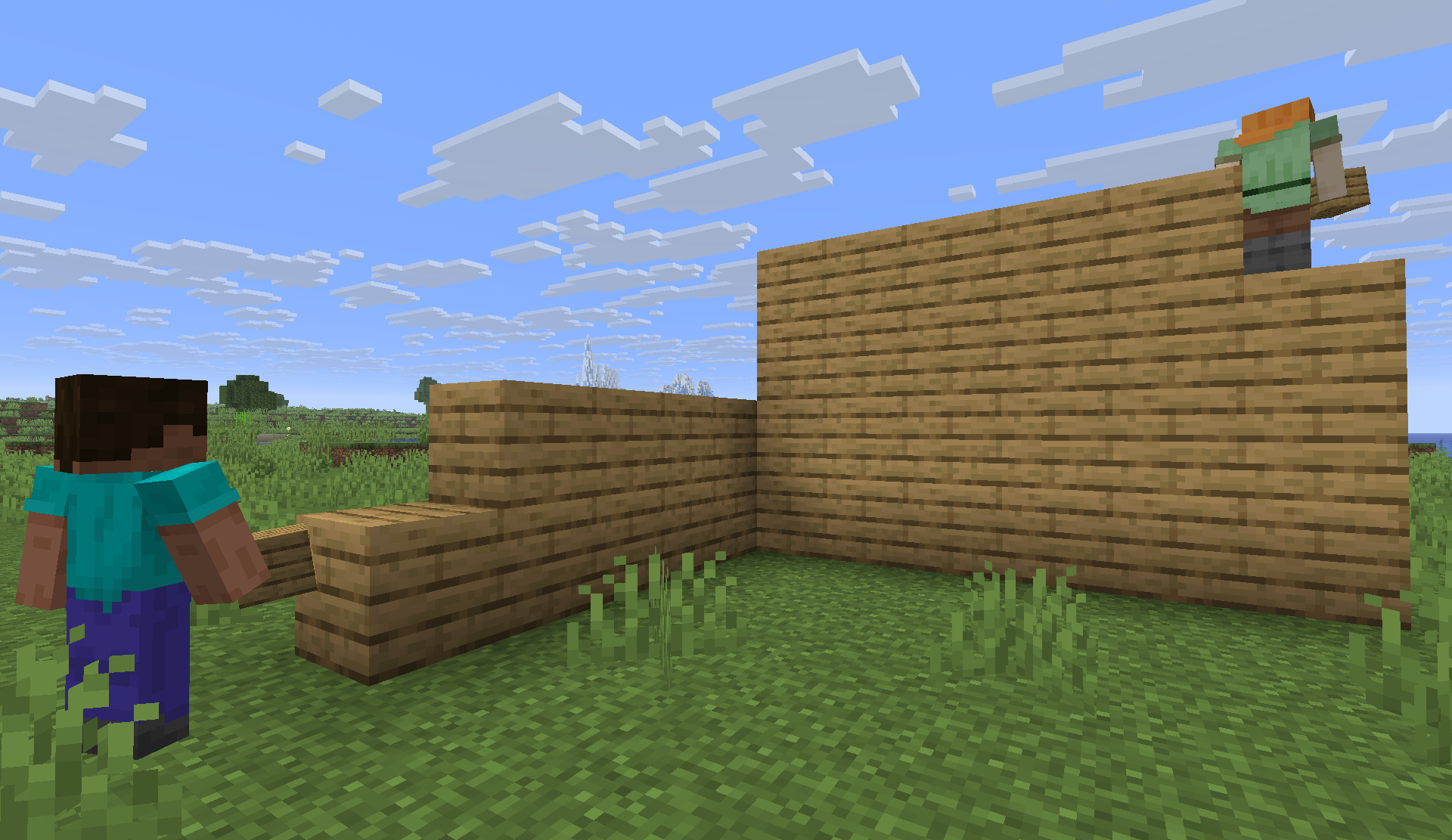
- Punch enough trees for 10 to 16 logs, then craft planks, sticks, and a crafting table.
- Grab at least 20 stone and upgrade right away to a stone pickaxe, stone axe, and either a sword or extra axe, depending on your edition and preference.
- Collect food immediately. Sheep, pigs, berries, village hay bales, anything that keeps your hunger bar from becoming a liability.
- Get light sorted. Coal is great, but charcoal works fine if the surface is being stingy.
- Place a bed before dark, or build a shelter before you start pretending you'll be fine.
Seed obsession wastes daylight. Unless you're speedrunning, your world isn't doomed because spawn looked annoying.
If you land near a village, raid it intelligently. Take bread, hay, and maybe a bed, but don't sprint straight into every house and forget the time. Sunset arrives faster than you think, especially when you're busy doing the classic Minecraft thing of saying 'just one more chest' five times in a row.
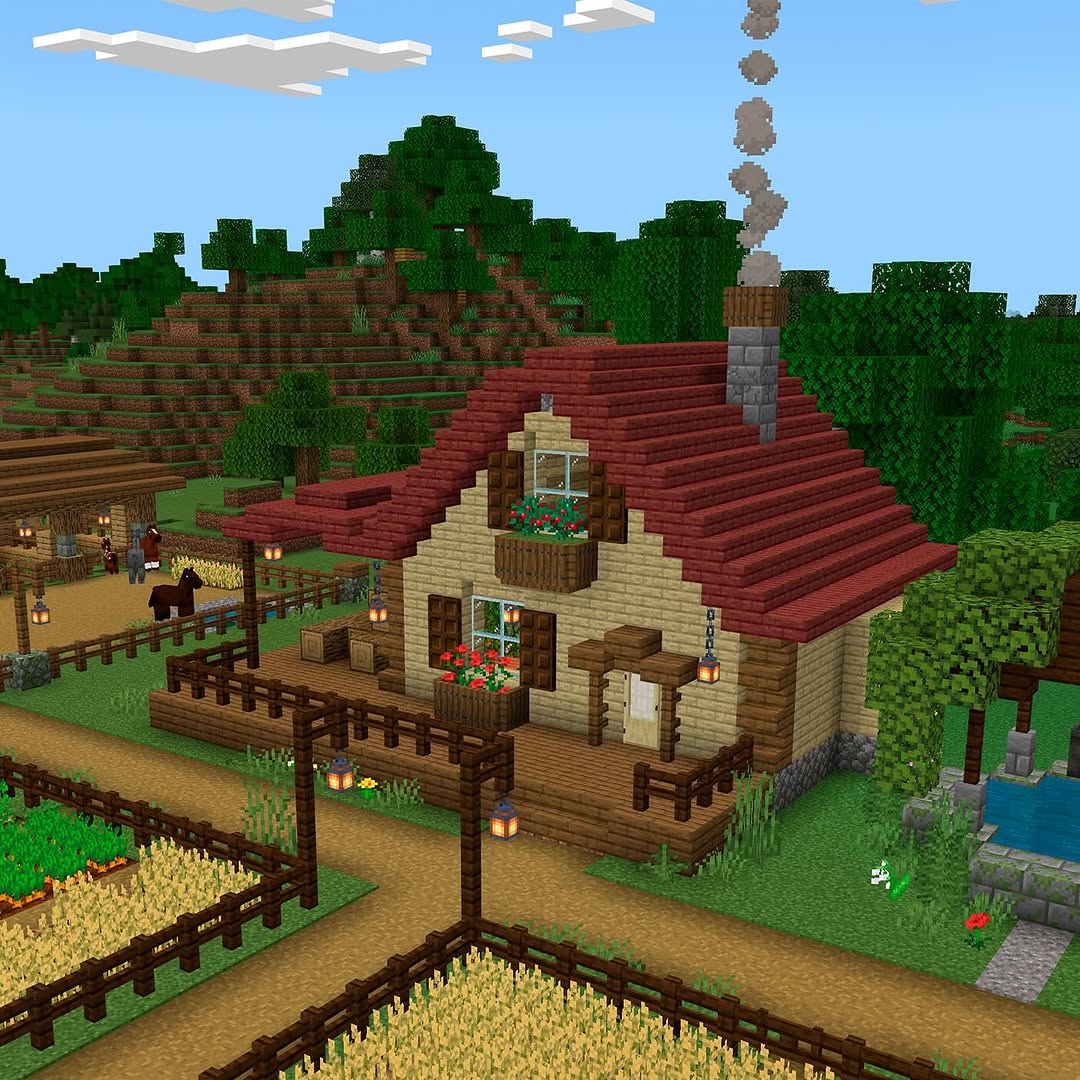
Your first shelter should be ugly and fast. A dirt box with a door, two torches, and a chest is better than an unfinished spruce cabin that left you outside at dusk. Fancy bases come later. Night one is about control, not aesthetics.
Best early-game base, tools, and food
Set up near three things: wood, water, and a cave you can leave easily. Flat land beside a river is still my favorite starter location because it gives you crops, easy travel, and enough space to see creepers before they remodel your front yard for free.
- Keep a bed, chest, furnace, and crafting table in one tight corner, so you're not spinning around like you're lost in your own hut.
- Store spare blocks and torches near the door, because panic-building is part of survival whether we admit it or not.
- Fence or wall the area around your base early, especially if you're on hard difficulty or a busy server.
Bucket first, shield second... actually, that's not quite right. Once iron is cooking, I craft the shield before almost anything because skeletons somehow become Olympic snipers the second your health is low.
Food matters more than players like to admit. Cooked mutton and steak are great, bread is brilliant if you spawn by a village, and baked potatoes are better than their reputation. Dried kelp is emergency food, not real food. And suspicious stew is fun in the same way a fireworks accident is fun, which is to say not reliably.
Don't overbuild too early. I've watched people spend their entire first session carving out a grand staircase, then die to the first cave trip because they still had stone tools and three porkchops.
How to survive hostile mobs in 1.21.11 and beyond
PCGamesN recently counted more than 80 unique vanilla mobs around 1.21.11. That sounds charming until three of them shove you off a ledge while a skeleton acts like it paid for aim assist.
Early survival is mostly about respecting a small group of real threats. Creepers punish distraction. Skeletons punish open ground. Baby zombies punish overconfidence. Witches are weirdly tanky for how rude they're. Endermen are manageable if you control the ceiling height, and drowned with tridents can ruin an otherwise normal shoreline trip in seconds.
Pick your fights
Fight on your terms. Use doorways, one-block gaps, shield angles, and height differences. If a mob can only reach your feet, you're already winning. If you're standing in a wide dark field trading hits because it feels quicker, you're doing content for the mob, not for yourself.
- Avoid trial chambers until you're geared and carrying extra food, blocks, and a ranged option. They're fun, but stone-tool optimism doesn't count as preparation.
- Skip deep water fights early unless you absolutely need something there. Drowned love awkward angles.
- Leave cave spider spawners alone until you can clear the space fast and safely.
- Sleep often. Phantoms are a tax on stubborn players.
Mojang may be busy making baby animals chunkier in current snapshots, which I fully support, but your survival world still lives or dies on lighting. Torch the path back home, light the outside of your base, and don't trust 'I think it's bright enough.'
And yes, keep blocks on your hotbar. Not because it feels tactical, but because Minecraft has a long tradition of turning one missing bridge block into a full obituary.
Mining, iron, and gear progression that works
Diamonds aren't the early goal, iron is. Iron gives you a shield, bucket, shears, an anvil path later, and the freedom to stop playing like every cave is a hostage situation. Full iron armor with good habits beats scattered diamond pieces with bad ones.
My usual order after the first iron haul is simple: shield, pickaxe, bucket, then armor. Some players do bucket first, and I get it, because water saves lives. But if skeletons or cave ambushes are your bigger problem, the shield pays back instantly.
Caving is faster than branch mining if you can handle the chaos. Branch mining is calmer and more consistent if you can't. I usually do both: surface cave until I've iron and coal, then dig lower once I can survive a lava surprise. For diamonds, mining around deep deepslate levels is still reliable, and big exposed caves are amazing if, and only if, you light them methodically.
Java and Bedrock feel a little different here. On Java, the debug info makes route planning easier. On Bedrock, actually, that's not quite right, it's more that I play more cautiously because the interface gives me less of that obsessive coordinate comfort. Same goal either way: leave breadcrumbs, keep food high, and never mine the last block in your staircase while standing on it.
Keep a backup kit at base. Extra iron tools, a shield, food, torches, and plain blocks. That chest saves worlds.
From diamonds to the Nether, then the End
You don't need full diamond gear to enter the Nether, but you do need discipline. My minimum is iron armor, a diamond pickaxe, a bow, stacks of blocks, plenty of food, flint and steel, and one piece of gold armor so piglins don't immediately treat you like a lunch coupon.
Portal checklist
- Bring cobblestone. Ghasts can't blow it up easily, and it gives you safe cover fast.
- Mark your portal coordinates before you wander. 'I'll remember' has buried many inventories.
- Carry extra obsidian or a fire source, because broken portals are funny only when they happen to someone else.
- Take a shield and blocks into fortresses, even if you think you're just 'having a quick look.'
Once you're there, blaze rods are the real progression gate. Ender pearls matter too, and the easiest route depends on your world. Hunting endermen works. Piglin bartering can speed things up. Neither method is glamorous when you're undergeared, so do the boring prep first and save yourself the corpse run.
Don't use beds in the Nether unless your plan includes exploding.
For the End, I like feather falling, a water bucket, slow falling potions if available, and at least one stack of throwaway blocks. Bring more arrows than you think you need. Also, clear your hotbar before the dragon fight. Half the battle isn't fumbling around with a boat, raw cod, and a random flower you forgot to dump three hours earlier.
Small survival upgrades most players ignore
Little systems keep worlds alive. Write down coordinates. Build safe staircases instead of parkour caves. Put chests near exits, not buried somewhere decorative. Start a wheat or potato farm early even if it looks unimpressive. Reliable food and reliable routes are the quiet backbone of long survival worlds.
Console players know this pain too. Back when Mojang talked about native PS5 support, the part I cared about wasn't marketing, it was smoother fights and less inventory fumbling when survival got messy.
And yes, cosmetics aren't survival tech, but they do make a world stick. I like starting fresh with a theme, whether that's the worn-down look of Lockdown Life - Modern Survival Character, the louder edge of SurvivalBeast3 Minecraft Skin, the mythic vibe of Zeus_survival Minecraft Skin, the grinder feel of survivalmaster99 Minecraft Skin, or the blunt confidence of MASTERxSURVIVAL Minecraft Skin. Silly? Maybe. But the worlds I keep always start with some tiny ritual like that.
Whatever skin you wear, the real upgrade is routine: sleep early, carry blocks, respect lava, and stop sprint-jumping into caves like you're being filmed.
That's the trick. Minecraft survival keeps changing around the edges, but the best worlds in 2026 are still built by players who prepare first and flex later.