Deepslateブロック、鉱石、完全ガイド
Deepslate is the dark, textured stone that generates deep underground, exclusively below Y-64 in Minecraft. You'll find it alongside special ore variants like deepslate coal and deepslate copper, plus unique decorative blocks. It's also where ancient debris spawns for netherite.
What's Deepslate and Where Does It Spawn?
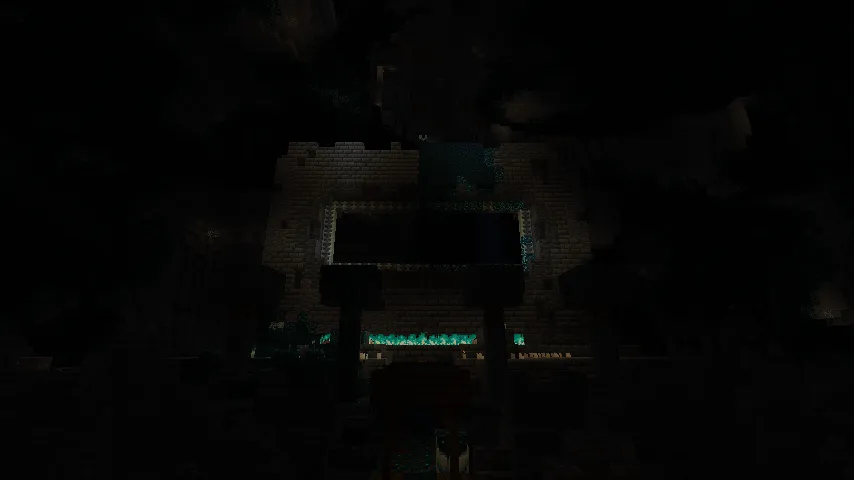
So you're digging down and suddenly the stone changes color. That's deepslate - your signal that you've hit the deep underground. The blocks have this grayscale, polished look with a lighter vein pattern running through them, which honestly looks way better than the regular stone we've been stacking for years.
Deepslate only generates from Y-64 and downward. Nothing above that level, so you need to commit to going deep if you want it. So this means you're pretty far from the surface when you hit deepslate, and you'll be dealing with more hostile mobs and trickier cave navigation.
The biomes don't matter here. You'll find deepslate in the same Y-range regardless of whether you're in a frozen peak or a lush cave. That's actually convenient - you're not hunting for a specific biome just to find it.
Mining Deepslate - Tools and Preparation
You can't break deepslate with your bare hands. Most players need a pickaxe, and honestly, stone pickaxe is the absolute minimum. It'll work, but it's slow. I tested this on my SMP a while back, and watching a stone pickaxe grind through deepslate for ten seconds made me want to scream.
Iron pickaxe is the sweet spot. Quick enough for reasonable mining speeds, and iron is abundant enough that you're not worried about durability. Diamond pickaxe? Sure, if you've got one. But it's overkill for pure deepslate mining.
Here's the thing though - deepslate takes longer to mine than regular stone.
That's just part of the game now. You'll need to accept it and move on. If you're mining deepslate deep underground, you've probably got good equipment anyway, which helps offset the slower break time.
You'll want a silk touch pickaxe if you're planning to move deepslate around creatively. This is especially true if you're gathering deepslate tiles or decorative variants - drop them without silk touch, and they turn into regular deepslate blocks, which is annoying to work with. Silk touch changes everything for decorative mining.
The other preparation is obvious: bring torches, food, and probably some blocks for escaping bad situations. Going below Y-0 is serious business. Cave systems get wild down there, and you don't want to be trapped without an escape route.
All the Deepslate Ore Types
This is where deepslate gets interesting. Almost every ore has a deepslate variant now.
Deepslate coal ore, deepslate iron ore, deepslate copper ore, deepslate lapis ore - you've seen the pattern. They all exist, and they all spawn in deepslate exclusively (well, mostly). Mining these gives you the same resources as their regular counterparts, so there's no bonus ore output or anything fancy. The real value is convenience - when you're already down there caving, you mine what's available without backtracking to the surface.
Diamond ore also has a deepslate variant, and it's genuinely valuable. Deepslate diamond ore is one of the rarest blocks in the game, which means finding one is legitimately exciting. I've had moments on my server where someone finds a deepslate diamond cluster and the whole group shows up to mine it together. It's the underground equivalent of striking gold.
Ancient debris, the block you absolutely need for netherite, spawns in deepslate primarily between Y-64 and Y-8 or so. This is probably the most important deepslate ore variant because it's the only reliable way to get netherite gear. No netherite, no endgame equipment. Deepslate is basically the gateway to the best tools and armor you can craft in survival mode.
Raw deepslate copper ore deserves a mention because copper is genuinely useful for waxing and decorative builds.
Building With Deepslate Blocks
Okay, here's why people actually care about deepslate beyond mining. The decorative variants are genuinely good for building, and they've changed how I approach underground bases.
Polished deepslate is smooth and clean, perfect for modern builds or sleek underground structures. Deepslate tiles have a more detailed pattern that works well for paths or accent walls. Deepslate bricks offer that textured, industrial look if you're going for something heavy or fortress-like. Each variant serves a different aesthetic purpose.
Raw deepslate itself - the block you mine directly - has those light veins which make it ideal for contrast work. Mixing raw deepslate with polished deepslate creates visual depth without being jarring or overwhelming.
I've used deepslate tiles for my underground base floor. The pattern actually helps mask irregularities in your floor plan, and they pair nicely with stone or blackstone if you're not committing to a full deepslate aesthetic. One practical benefits are just as good as the visual ones.
If you're into the whole medieval castle vibe, deepslate bricks are your best bet. They photograph well, they look substantial, and they feel intentional rather than random. Plus, they don't compete visually with other building blocks - they know their role and stick to it.
The color palette is monochromatic, so deepslate works great as a neutral base for any build. You can accent it with wood, concrete, or colored blocks without clashing. This is actually an advantage over something like blackstone, which has stronger color associations and can be harder to pair with other materials.
If you're planning a big build, gather deepslate in bulk.
The mines down there can yield thousands of blocks if you know where to look. I'm not saying strip-mine for deepslate - that's tedious and awful - but when you're caving below Y-64 anyway, fill your inventory on the way out. You'll thank yourself later when you're decorating your base and running short on materials.
Here's a pro tip: if you're building something dark and moody, try using the Minecraft text generator to create custom signs that fit your deepslate aesthetic. It takes about two minutes and adds personality to your build without looking out of place.
Deepslate vs Regular Stone
Regular stone is easier to mine. Full stop. Deepslate takes longer to break, requires better tools (iron minimum instead of stone), and it's only available in one narrow Y-range. Regular stone is everywhere. You hit Y-64 and suddenly your stone pickaxe becomes sub-optimal.
But deepslate looks better. The texture is more interesting, the color is darker, and it has character that vanilla stone lacks. For serious builders, this matters. For people just tunneling through looking for ores, it doesn't matter at all - you're just moving through it.
The real difference? Purpose.
You mine deepslate intentionally because you want its ores or its aesthetic. Regular stone is what you get when you're just moving through the world. Honestly, different tools for different jobs. If you're joining a server and looking for an active community with good building standards, check the Minecraft server list - a lot of the better survival servers have impressive underground bases that use deepslate creatively.
Ancient Debris and Deepslate
Let's be honest: most people go to Y-64 because of ancient debris. The deepslate itself is secondary. Ancient debris spawns in deepslate blocks, and this is your main path to netherite ingots. Without going deep, you're stuck with diamond gear, which is fine but not optimal.
Finding ancient debris requires patience and luck. It spawns rarely, even in deepslate. But this is intentional - netherite is meant to be the ultimate late-game material. Rushing to Y-64 and expecting to find tons of ancient debris will just frustrate you.
Use TNT mining, branch mining, or just caving.
All three work, but caving is honestly more fun because you're not just creating geometric tunnels. You're exploring, and exploration builds excitement. Plus, you're likely to find deepslate ores and maybe even the occasional ancient debris cluster if you're lucky. That's the game being rewarding.

Lead writer at minecraft.how. Long-time Minecraft player running a small SMP server, testing every build, mod, and seed before writing about it.
よくある質問
深層岩はどこで見つかりますか?
深層岩を採掘するにはどんなツールが必要ですか?
深層岩の鉱石にはどんな種類がありますか?
深層岩で建築するときのおすすめのバリエーションは?
深層岩を装飾用に持ち帰るにはどうすればいいですか?
深層岩はネザライトとどう関係していますか?
Have a Question or Tip about this Guide?Community Q&A
Ask a question or help other players below. Join the discussion and share your Minecraft tips!