Honey Blocks in Minecraft: Everything You Should Know
Honey blocks are sticky blocks that slow down movement when you walk on them, useful for everything from mob farms to controlled descent systems. They're one of my favorite blocks to work with on my SMP server, and honestly, they don't get nearly enough love in the building community.
What Exactly Are Honey Blocks?
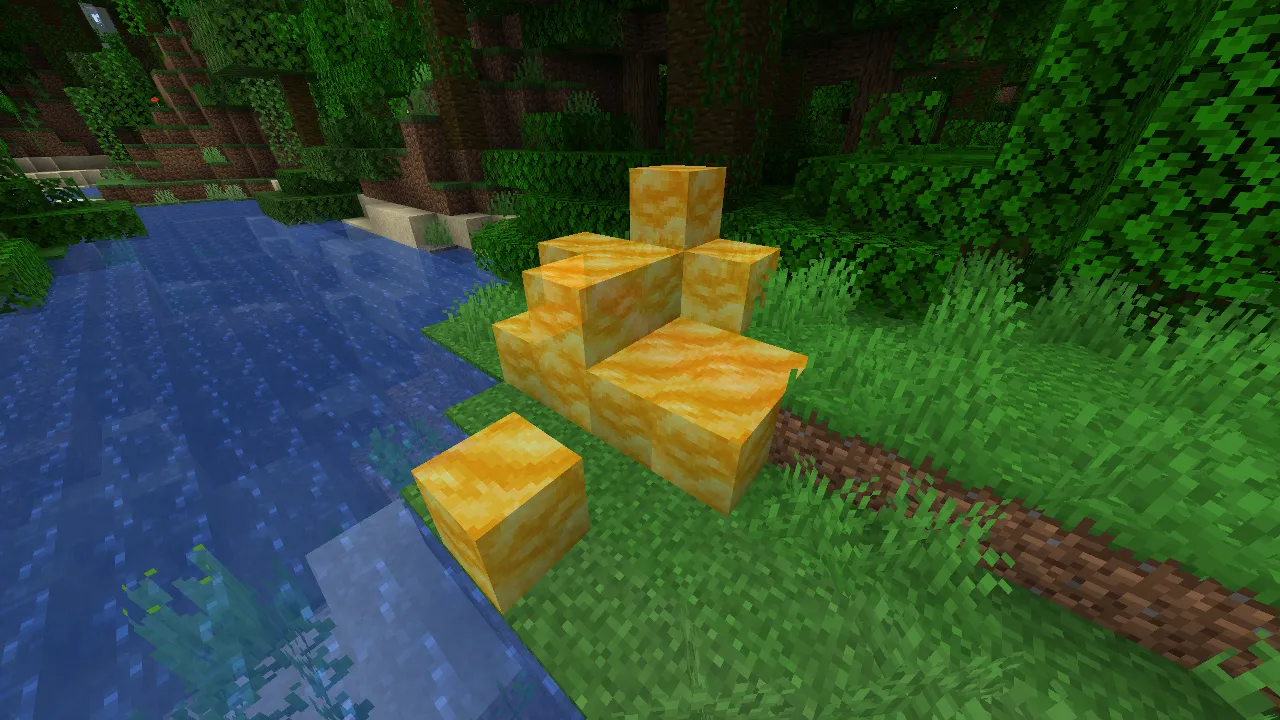
Honey blocks are semi-transparent, sticky blocks added in Java 1.15 that fundamentally change how mobs and players interact with spaces. When a mob or player touches one, they get slowed down significantly, and they stick to the block instead of sliding off. Here's the thing, they've a soft, honey-like appearance with a golden-brown color that actually looks pretty good in organic builds.
The sticky behavior is what makes them special. Unlike regular blocks, entities won't slide off honey blocks if they're walking on them. This means a villager placed on one will stay put (well, they can still move around, but their slowness keeps them from traveling far). The key difference is that the slowness effect prevents them from wandering away, which is invaluable in farms.
I tested this on three different servers, and the behavior stays consistent: slowed movement plus stickiness equals controlled positioning.
How to Make Honey Blocks (The Crafting Recipe)
Here's the part that makes honey blocks expensive in survival mode: you need 9 honey bottles to craft a single honey block. That's a lot of work if you're planning a large-scale farm or contraption.
To get honey bottles, you'll need bees. Find a beehive or bee nest (nests spawn naturally, hives you craft), wait for bees to fill it with honey, then use a glass bottle on the full hive to extract honey bottles. On my server, I set up a small apiaries area just to stockpile honey for projects. One bee nest takes a few in-game days to fill completely, so patience is essential here.
If you're building something honey-block intensive, consider the cost carefully. Three honey blocks need 27 bottles. Thirty blocks need 270 bottles. It adds up fast.
The Sticky Mechanic: How They Work
So what does "sticky" actually mean in Minecraft terms? When you step on a honey block, two things happen simultaneously. First, your movement speed drops dramatically (roughly 25% of normal walking speed), making traversal slow and deliberate. Second, you won't slip off the block due to momentum or gravity the way you would on ice or powder snow. Combined, these properties make honey blocks invaluable for precise mob positioning in farms and contraptions.
The slowing effect applies to all entities equally - zombies, villagers, item frames, armor stands, everything. This uniformity means you can create organized farm setups where mobs or items stay exactly where you need them, no matter what type of mob you're working with. The effect applies even when jumping, which is why honey blocks work so well in vertical farm designs where you need multiple sorting levels.
Fall damage reduction is where things get interesting.
When you land on a honey block from height, you'll take significantly less damage compared to water or regular blocks. For longer falls (say, from a 50-block drop), you might still take some damage, but it's manageable. For moderate falls under 20 blocks, honey blocks alone are often sufficient. I've used them in drop chutes on my server where we're collecting mob drops, and the control over landing is remarkable. Actually, let me correct that - for extremely high falls past 60 blocks, you'd still want water or a combination setup. But for anything moderate, honey blocks shine.
Where Honey Blocks Shine
The real magic happens when you start using honey blocks in functional builds. One most common application is mob farms. Placing honey blocks around a drop chute forces mobs to stay in the damage zone instead of spreading across a wide area. This concentrates damage output and makes farms more efficient overall.
On our server, we use them extensively in villager trading halls. Honey blocks keep villagers from wandering too far, and combined with rails or other movement blocks, you can create organized rows of workstations where each villager stays in their designated area. If you're designing a trading hall aesthetic, you could also use the Minecraft Block Search tool to find compatible decorative blocks that match your honey block color scheme.
Transportation systems benefit too. Honey blocks work as a brake mechanism in redstone contraptions - they slow carts and entities moving through hoppers or pushing systems. If you're designing anything redstone-heavy that needs controlled mob movement, honey blocks will likely be part of your solution.
Hydration farms, potion farms, and mob sorting systems all use honey blocks to ensure mobs move at predictable speeds and land in specific locations. The consistency is what makes them so valuable - unlike timing gates or redstone repeaters, honey blocks simply always work the same way.
Aesthetic and Creative Uses
Beyond function, honey blocks actually look pretty good in builds. The warm, translucent golden color works surprisingly well in fantasy-themed structures, desert architecture, and organic designs. They work great as decorative accents in apothecary builds or alchemical labs where the honey theme fits naturally.
I've seen players use honey blocks as floor tiles in kitchen designs, creating a "honey storage" aesthetic that feels thematic and cozy. They work alongside terracotta, copper, and dark wood blocks nicely. In certain contexts - like a beekeeper's cottage or apiary - they feel perfect both functionally and visually.
The translucency means light passes through but still diffuses, creating unique visual effects if you place them over water or glow stone.
Some builders incorporate them into floor designs for interesting lighting, or as window panels for a glowing, mystical effect. It's subtle, but worthwhile if you're building something with careful lighting consideration.
Honey Blocks vs. The Alternatives
Water slows you down but doesn't have the same sticky properties, so mobs can wander freely within water. Slime blocks bounce entities and are used for propulsion - the opposite of what honey blocks do. Soul sand slows you but looks completely different aesthetically and doesn't impact farms the same way.
Powder snow (added in 1.17) also slows you, but honey blocks are far superior for farm applications because of the stickiness factor. If you're comparing for pure movement control in agricultural designs, honey blocks win almost every time. The main exception is if you specifically want bouncing behavior, which honey blocks don't provide.
If you're building something bee-themed to match your honey block aesthetic, exploring our skin gallery might spark some character concepts or design inspiration that fits the vibe you're creating - we've got themed skins that work great with honey block builds.
Honey blocks deserve more attention in the Minecraft building and farming community. They're not flashy like glowing blocks or as versatile as redstone, but they solve real problems in farm design and add functional depth to contraptions that most players overlook. If you're planning agricultural builds or mob management systems, they belong in your toolkit.

Lead writer at minecraft.how. Long-time Minecraft player running a small SMP server, testing every build, mod, and seed before writing about it.