Minecraft 26.2 RC1: Your Complete Testing Guide
Minecraft 26.2 Release Candidate 1 is now available for testing. It's your first real look at what will become the next major update. If you want to help shape the final version or just see what's coming, here's what you need to know about jumping in early.
What's a Release Candidate, Anyway?
A release candidate isn't a regular snapshot. Well, technically RC1 is a snapshot, but it's different in what it means. Mojang uses RC builds as the final testing phase before a full release. Snapshots are experimental, sometimes chaotic, occasionally broken just to test something. RC1? That's essentially the version you're going to get, minus any last-minute hotfixes they find during this phase.
The main difference is stability and intention.
By this stage, most features are locked. Most bugs are known. Your job as a tester is different now - you're looking for the ones that slipped through, especially game-breaking stuff that only shows up in weird situations. (I've found bugs before that only happened when you combined three specific mods - those are the ones that matter here.) The community's feedback during RC1 directly shapes what goes into the final release.
Getting 26.2 RC1 Running
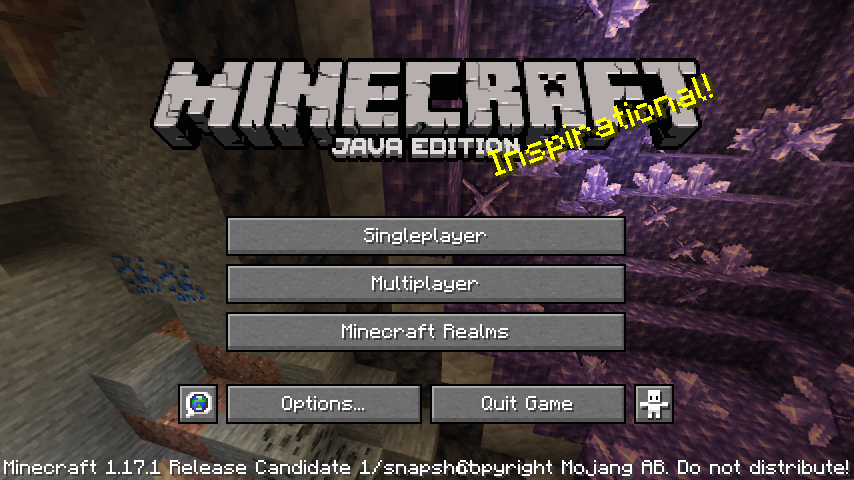
For Java Edition, the launcher process is straightforward. Open your Minecraft launcher, find the "Snapshots" tab, and enable experimental versions. You'll see 26.2-rc-1 in your version list. Install it like any other version.
But seriously - back up your worlds first.
I know it sounds obvious, but I've watched players lose weeks of work because they didn't. Create a copy of your.minecraft/saves folder before launching RC1. Use your launcher's export feature if you prefer. Takes two minutes, saves you from months of regret.
If you're testing solo, that's your main preparation done. Load a world, play normally, and report anything weird. The real complexity shows up when you move to multiplayer.
Testing on a Multiplayer Server
Running RC1 on a server is where the serious feedback happens. Your players will find bugs you never would in single-player. Honestly, they'll combine features in ways you didn't expect. They'll stress-test your infrastructure in ways that matter.
First step: check your plugin ecosystem. Not everything written for 26.1.2 will work immediately with RC1. Author response times vary wildly - some push RC1 builds within hours, others wait for the full release. Know your critical plugins and contact authors if you don't see RC1 builds yet.
When you're ready to set up your test server, use our whitelist creator tool to quickly assemble a clean player list. You can control exactly who gets access during RC testing, keeping feedback focused and problems manageable. It's way better than opening the server to random players and getting hit with connection issues from someone's ancient potato PC.
Server.properties should stay the same, but check your world files carefully. Back them up. Actually, I just said that for single-player, but it matters way more here - you're storing community progress.
What Needs Testing
You don't need to find every bug hiding in the code. Mojang's internal testers already did plenty of that. What they need is real-world, unscripted feedback from actual players in actual situations.
Load your world and play normally.
Build something. Mine. Run your mob farms. Use that crazy redstone contraption you've been tinkering with. The magic happens when you combine vanilla gameplay with everything else. It's the unexpected combinations that break things.
Performance testing matters hugely. Does your FPS feel different compared to 26.1.2? Is rendering smoother or choppier? Does lighting behave as expected? On older hardware especially, these details matter. That's the kind of feedback that prevents people with modest systems from getting stuck with an unplayable version.
Multiplayer-specific stuff deserves attention too. Does lag feel normal? Do blocks update when other players are around? Are player interactions smooth? These details are exactly why RC testing exists as a separate phase.
Known Risks and Limitations
Before you commit, understand what you're signing up for. RC1 might crash. Some features might not be fully polished. Game behavior could change between RC1 and the actual 26.2 release - that's literally the point of this testing phase.
Don't use RC1 as your primary world storage.
Seriously. Keep your survival world on 26.1.2 for now. RC1 is for testing, not for your permanent base and all your best gear. Use a separate world or server. If something breaks catastrophically, you still have your real progress intact.
If you find bugs, report them. The Minecraft Wiki and official bug tracker are where feedback goes. Check if something's already been reported - no point duplicating thousands of reports. If you find something new, post it with actual details: what you were doing, what happened, what you expected. "RC1 bad" helps nobody. "Running RC1 on 26.1.2 server causes players to disconnect when entering the nether" is actionable.
Server Admin Checklist
If you run a multiplayer server, RC1 deserves careful attention and a structured approach.
- Audit your critical plugins and contact authors about RC1 compatibility
- Set up a separate RC1 test server if possible, don't upgrade your live server yet
- Brief your players on timeline - they'll ask if they can join immediately
- Test your server list setup using our votifier tester tool to verify voting and connectivity still work
- Have a rollback plan - know how to revert to 26.1.2 quickly if needed
- Document your server configuration so you can spot any unexpected behavior
Plugin security and dependency chains matter too. If your anti-cheat plugin relies on specific server internals, RC1 might break it. If you're running a whitelist system that depends on authentication, test that thoroughly before opening to players. These interdependencies are invisible until they break.
Have backups of your server.properties, plugin configs, and world data. I've learned this the hard way - recovery from catastrophic RC1 issues takes minutes with good backups instead of hours or days of frustration.
Should You Test RC1?
If you're curious about what's coming next, if you want to contribute feedback, or if you just can't wait - test it. If you're risk-averse and prefer stability, stick with 26.1.2 for a few more weeks. Both are completely valid choices.
The RC phase exists specifically for testing at your own pace and in your own way. Feedback shapes the game. Your report of a weird bug with a specific reproduction path might prevent 100,000 players from hitting the same issue in the full release.
That's worth the time investment.

Lead writer at minecraft.how. Long-time Minecraft player running a small SMP server, testing every build, mod, and seed before writing about it.