マインクラフト実験機能:次に来るものは何か
Minecraft's experimental testing phases are moving faster than ever right now. Snapshots, console development, and community mods are all converging on what's next for the game. We're seeing rapid iteration on features before they reach stable releases, with everything from console ports to community innovations pushing the boundaries.
Understanding Minecraft's Experimental Pipeline
What actually counts as "experimental" in Minecraft? It's more than just snapshots, honestly. We've got testing phases happening across multiple platforms simultaneously. Console versions get their own experimental branches. Mods and community innovations often preview features months before official releases. And yes, players sometimes stumble onto features that aren't even meant to be public yet.
The current setup is pretty elegant if you think about it. Snapshot builds roll out on a regular cadence, letting Java players test features before they hit stable releases like 26.2. Each snapshot is essentially a sandbox for ideas. Some stick around, others get scrapped after community feedback proves them unpopular. It's exactly how game development should work.
Console editions have their own experimental modes now too. That's relatively new and honestly pretty important for players who don't care about switching platforms. PlayStation and Xbox can test features independently, making sure console-specific improvements land smoothly.
It's basically organized chaos that somehow works.
The Viral Mod Phenomenon
This is where things get genuinely interesting. Real talk, back in May 2026, a video dropped that changed Minecraft culture temporarily. The Verity mod phenomenon hit different - a helpful little yellow orb that became the center of a viral horror narrative built entirely by the community. That video accumulated over 20 million views in just a couple of months.
Here's what's wild: the modding community responded immediately. Multiple mods sprung up trying to capture that same atmospheric feeling. CurseForge got flooded with Verity recreations. One particular Bedrock Edition version, published in June by PnTMC, absolutely exploded - surpassing 4.9 million downloads in just under a month. For context, that's staggering velocity for a mod tied to a specific YouTube video.
That kind of adoption tells Mojang something important. Players are hungry for new experiences, new feelings in the game. When a mod hits that hard that fast, it signals demand for certain features or mechanics. The Verity creator, ThatMob, even officially supported three community implementations of their creation, which basically never happens.
This matters because innovation doesn't always come from Mojang's labs. Sometimes it comes from what players desperately want, and modders build it first. Then Mojang notices and considers official versions or similar features. The feedback loop isn't top-down anymore. It's crowdsourced.
Console Editions Getting Serious Attention
PlayStation 5 has been overdue for a native version, and testing started back in 2024. The experimental mode rolled out to prepare players for improvements. Native 4K 60fps support became possible once Mojang dedicated resources to true PS5 optimization instead of relying on backward compatibility.
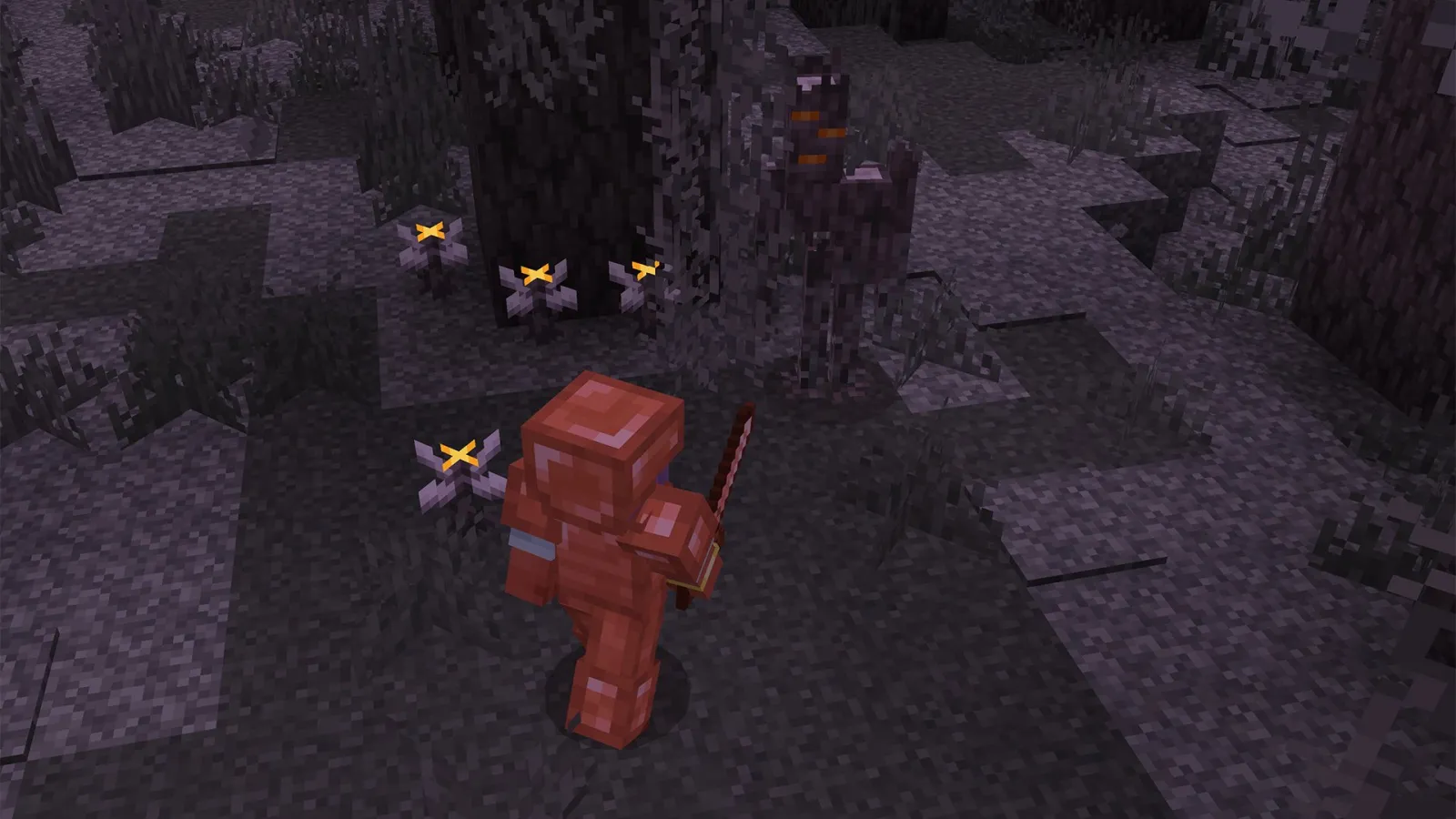
Xbox Series consoles already got their native treatment years ago. PlayStation needed the same level of attention, and they're finally getting it. When you're running native code instead of emulation or legacy configurations, everything runs smoother. Response times improve. Chunk loading accelerates. The whole experience tightens up.
What's interesting here is the pattern: Mojang's experimenting with how to handle multi-platform development more efficiently. Console-specific experimental builds let them test performance improvements without affecting Java or mobile players. It's good discipline.
Snapshot 26.3-snapshot-3: What's Testing Right Now
You're probably wondering what's actually in testing beyond those big platform initiatives.
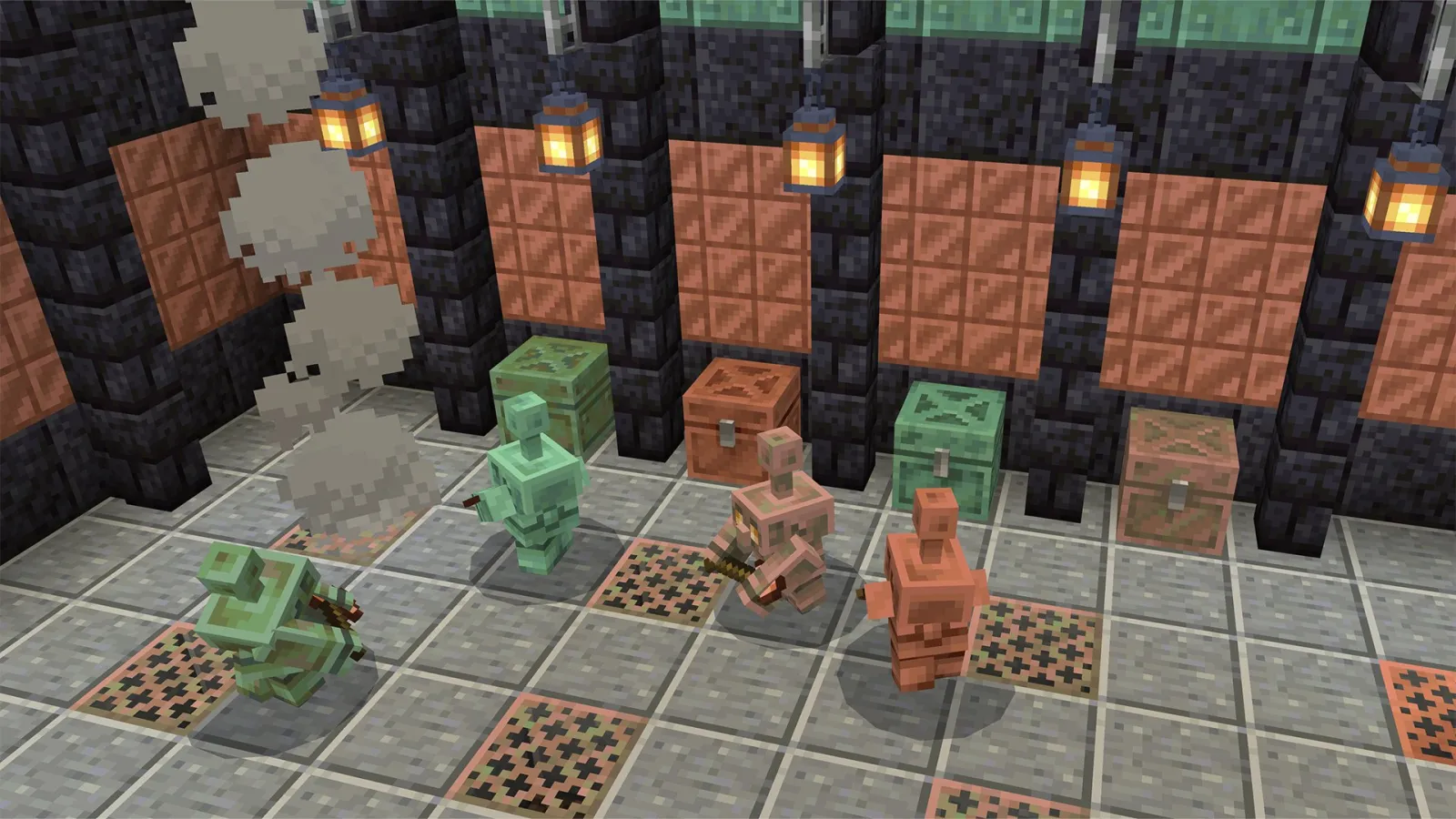
Snapshot 26.3-snapshot-3 is the active testing build. Yes, I know that version number sounds like Mojang's way of saying "we're still figuring this out," but that's actually what snapshots are for. They're intentionally unstable. Features get added, tested, adjusted, sometimes removed entirely based on community feedback. It's the most honest part of game development.
Between snapshots and full releases like 26.2, Mojang cycles through tons of iterations. Bug fixes, feature refinement, balance changes. The feedback loop is constant. Players report problems, developers fix them, new snapshots drop with those fixes included.
Want to test this stuff yourself? It's genuinely worth jumping into a snapshot world, especially if you're curious about what's coming. Just don't do it on your main survival world unless you're feeling particularly lucky. There's a reason they call them snapshots and not "stable builds."
What the Community Wants
The Minecraft community's been pretty vocal about gaps in vanilla Minecraft.
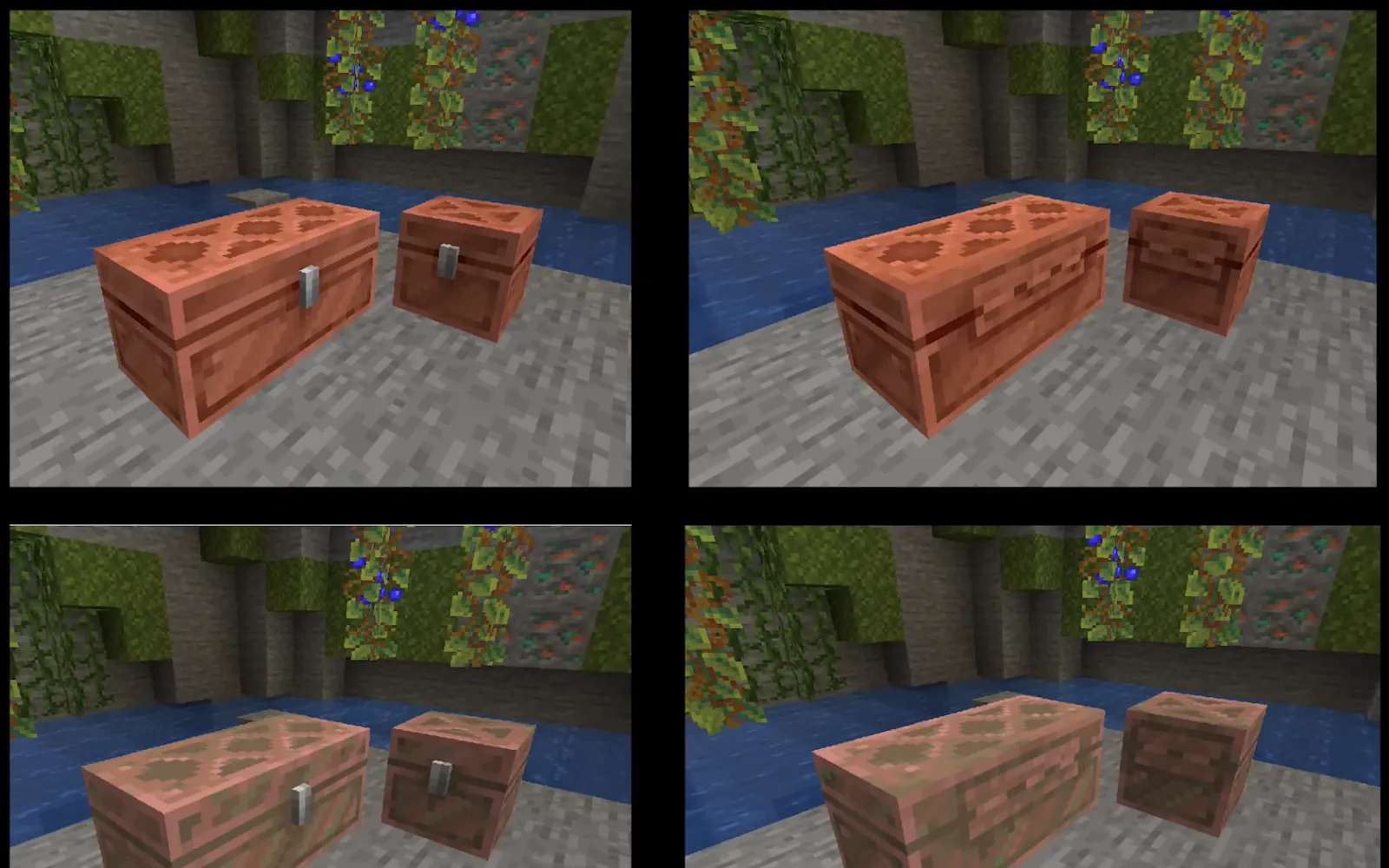
Better building tools keep coming up in feedback. Decorative blocks, furniture systems, kitchen equipment - there's genuine demand for quality-of-life stuff that doesn't necessarily change core gameplay but makes creative building more satisfying. The mod community has filled these gaps extensively for years, and Mojang knows it. They're watching.
Optimization keeps improving too. Server performance, chunk loading efficiency, memory usage, rendering improvements. These aren't flashy features, but they're what separates a smooth survival experience from a frustrating one. A well-optimized Minecraft runs better on everything from high-end rigs to cheaper laptops.
Biome improvements and cave generation continue to be popular topics across every major update. Each version seems to refine these systems further, adding more personality and variety to world generation. Players want exploration to feel rewarding, and that requires good biome design.
If you run your own server, you've probably wished for better server management tools. Performance monitoring, player management, automated backups - these are things server admins think about constantly. We've built tools like our Minecraft Whitelist Creator to help fill gaps that vanilla leaves open, and Mojang's continuously improving official server features to match what the community builds independently.
The Modding Community as R&D Department
Here's something people don't always realize: the modding ecosystem essentially functions as Mojang's free research and development department.
Mods test ideas at massive scale before official implementation. Popular mods become case studies. If a mod reaches millions of downloads, Mojang definitely pays attention. What problem was it solving? How did different player types respond? What unexpected uses emerged?
The Verity phenomenon is perfect evidence of this dynamic in action. That mod identified something players wanted - a new kind of immersion experience, a twist on the familiar survival loop, something unexpected and genuinely unsettling. Mojang saw the demand signal clearly through sheer download volume.
This is why supporting platforms like CurseForge and Modrinth matters for Minecraft's future. These platforms aren't competing with official development. They're expanding what's possible and showing where the community wants to go next. They're innovation incubators, essentially.
Preparing Your Server Infrastructure
If you're running a server, even a small one for friends, experimental features matter directly to your setup.
New features sometimes require updated server configurations. Updated server properties files. Occasionally, even a fresh world if you want to experience new biome generation properly without weird chunk border artifacts. Server administration gets more complex with each major feature set, but also more powerful.
If you're managing multiple servers or a larger community installation, infrastructure tools make these transitions smoother. Our Free Minecraft DNS helps manage server routing and failover without vendor lock-in, and it's something I've found invaluable for testing new versions across multiple environments.
Version management is where experimental testing matters most practically. You probably don't want to update a live production server immediately when a snapshot drops. But testing new versions in a separate staging environment first? That's professional. That's how you catch incompatibilities before they affect your actual players.
Experimental features often come with experimental bugs too.
What's Worth Paying Attention To
The console push isn't slowing down. Expect more platform optimization work and potentially better cross-platform feature parity over the next year or two. PlayStation catching up to Xbox isn't the end state - it's probably just the beginning of more aggressive console support across the industry.
Mod culture is only accelerating. With tools getting better and communities organizing more effectively, we're seeing innovation cycles that sometimes outpace official development. Mojang's genuinely smart to embrace this rather than fight it. The best games grow when communities have tools to build on them.
Performance and optimization will keep improving. That's less flashy than new blocks and mobs, but it's foundational to everything else. A game that runs poorly doesn't matter how many features it has.
Experimental features are ultimately where the real game development happens. Snapshots and testing branches are where your feedback actually shapes what makes it to stable releases. If you care about Minecraft's future, that's where you should be paying attention.

Lead writer at minecraft.how. Long-time Minecraft player running a small SMP server, testing every build, mod, and seed before writing about it.
Have a Question or Tip about this Guide?Community Q&A
Ask a question or help other players below. Join the discussion and share your Minecraft tips!
コメント
まだコメントはありません。最初にご意見を共有しましょう!