Minecraft Wolf Guide: Spawning, Drops and Farming
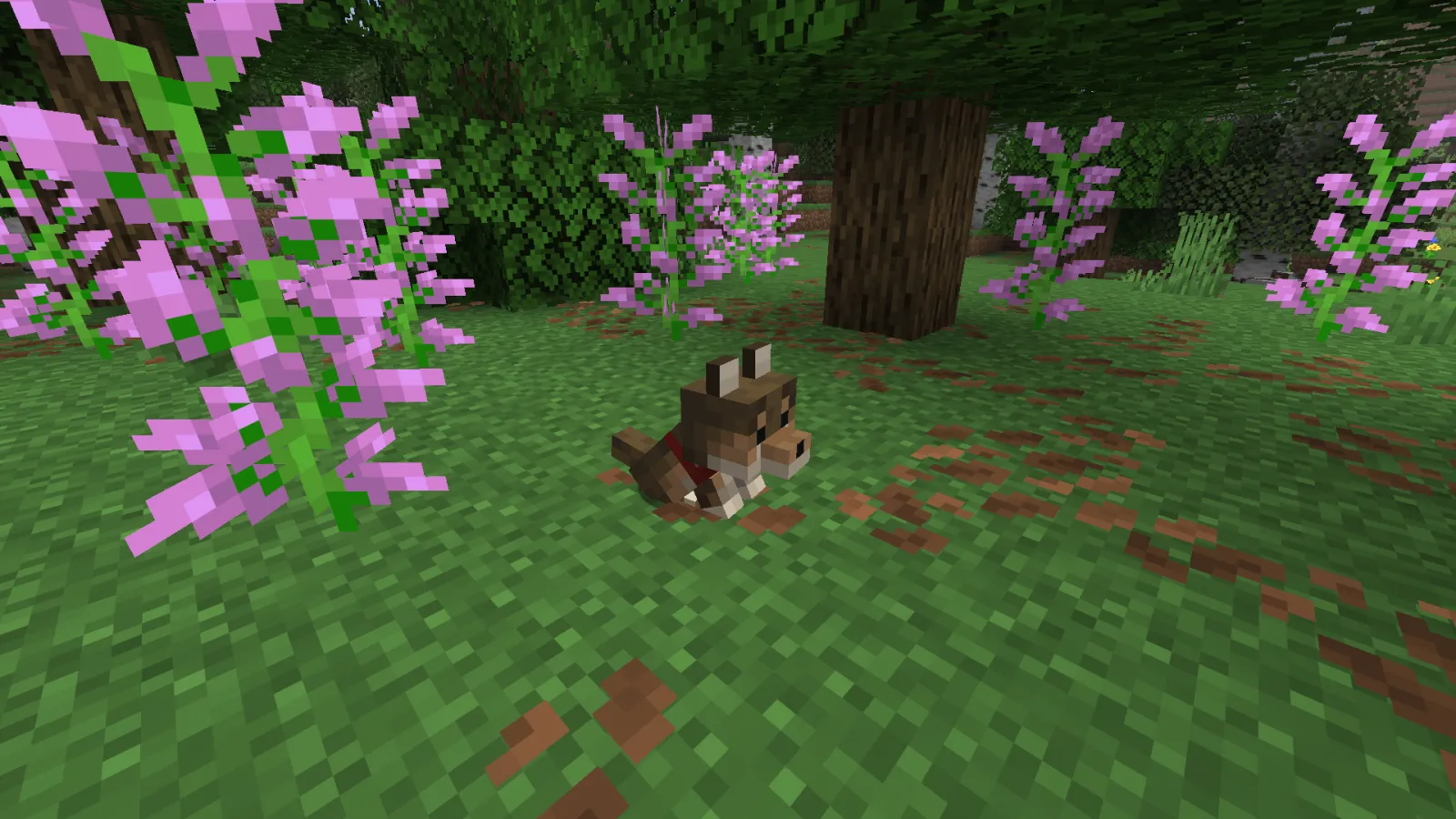
Wolves spawn naturally in forests and taigas when conditions are right, dropping experience points when killed. They don't give string or meat, so most players farm them for breeding and taming rather than resources. A basic wolf farm takes minimal space and effort to set up, making it practical even for early-game survival worlds.
How Wolves Spawn
Here's what I learned testing wolf spawns on my SMP server: they need solid ground blocks, a light level of at least 8, and the right biome. They appear in groups of up to eight, though I usually see packs of three to five. Unlike some mobs, they won't spawn on partial blocks or transparent surfaces, which catches people off guard when they try setting up farms on snow.
The light level requirement sounds strict until you realize how bright Minecraft actually gets during the day. Basically, if you can see clearly without torches, wolves can spawn there.
Biome matters more than anything else.
The Best Biomes for Wolf Spawning
Taiga is your target. Cold taiga, regular taiga, snowy taiga, birch forest, birch forest hills, and regular forests all work. Wolves show up nowhere else, period. Desert? Jungle? Badlands? You won't find a single wolf no matter how perfect the conditions are.
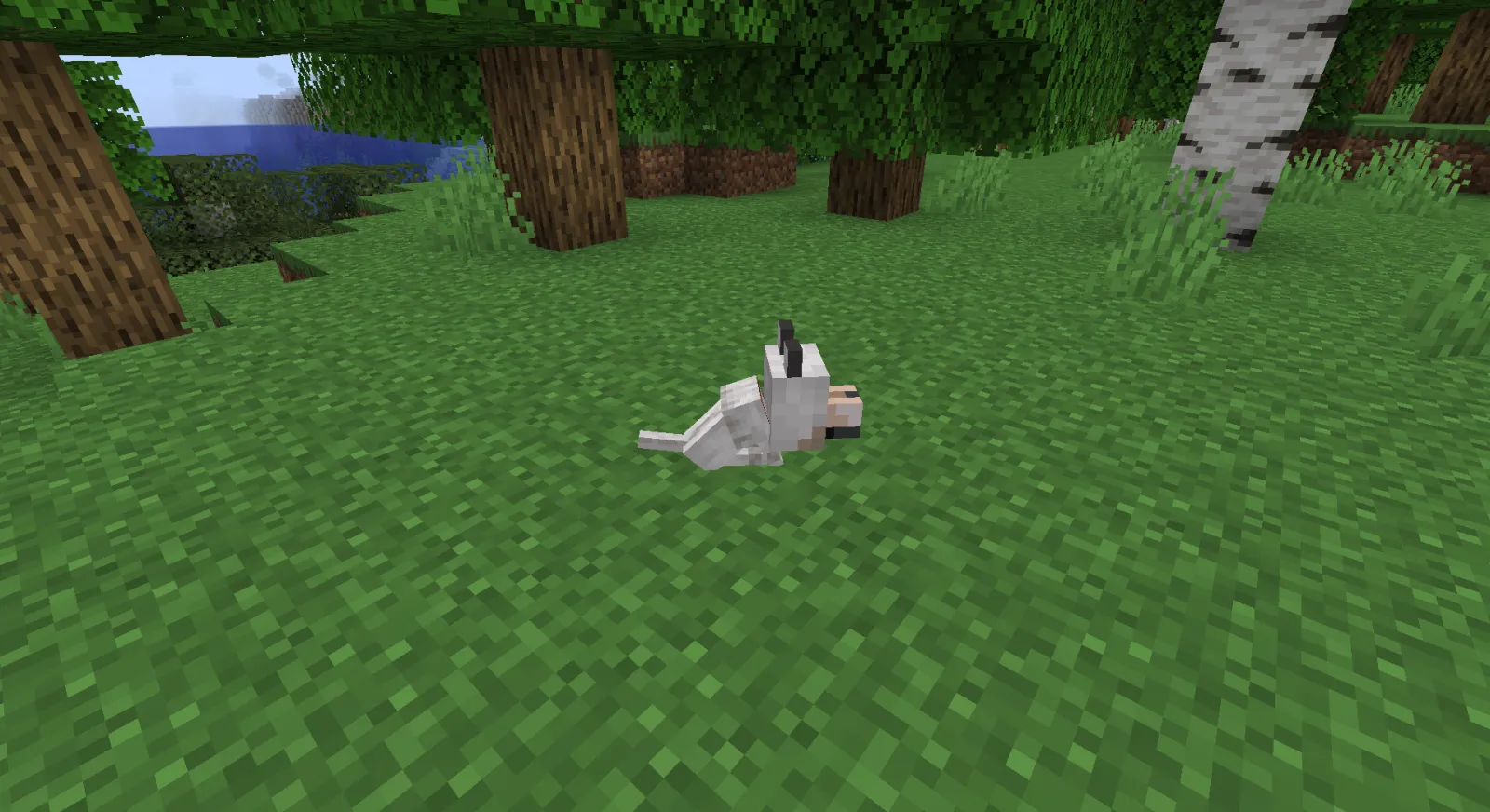
Taigas are honestly the ideal biome for wolf farming because the white background makes spotting them easy, and the terrain is usually flat enough to build a proper farm without too much terraforming. I've built three different wolf farms across different servers, and they've all been in taigas for this reason. Plus, snow looks cool with wolves in it.
If your base is nowhere near a taiga in 26.1.2, you've got options. You can relocate your farm geographically, or you can bring taiga blocks to your current location. Neither is ideal, but both work.
What Wolves Drop
This is where I need to set expectations straight: wolves drop 1-3 experience points when killed. Honestly, that's all. No string, no meat, nothing else.
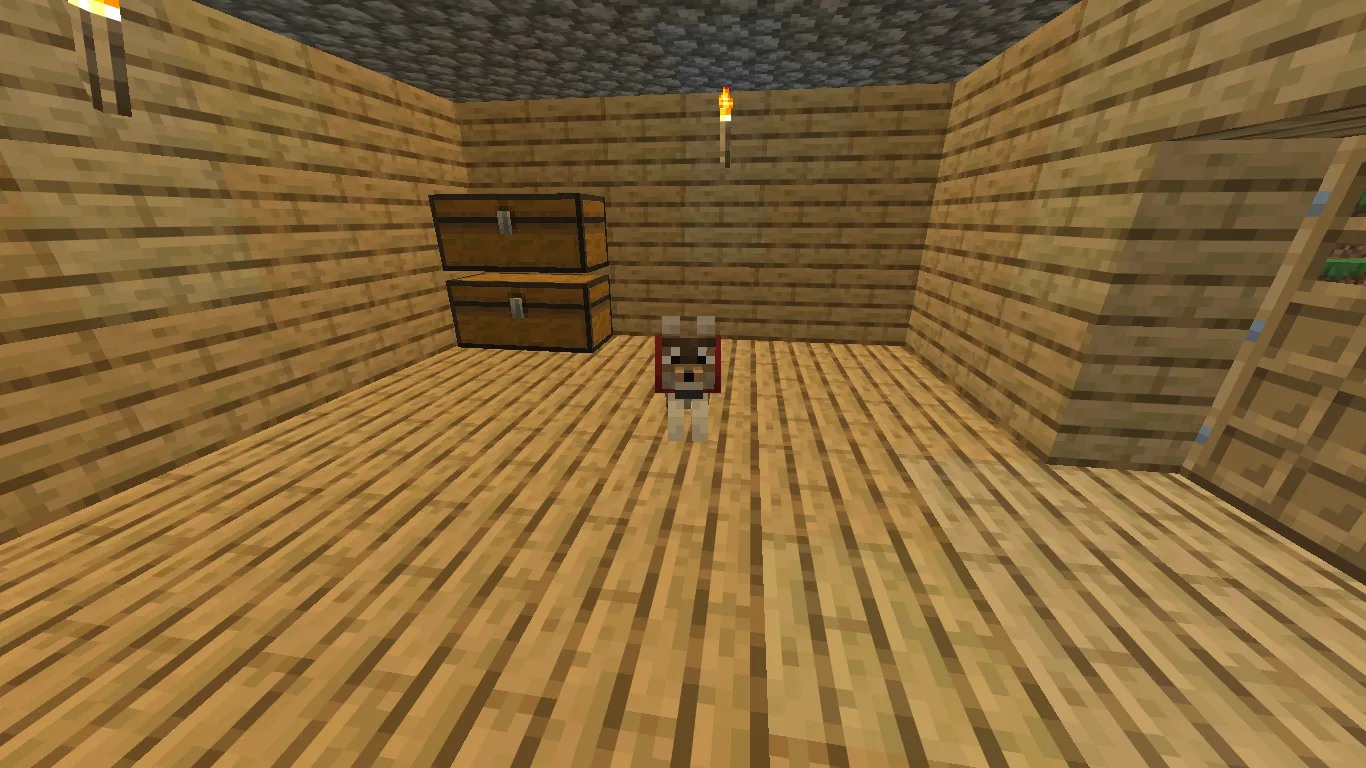
Most players don't bother farming wolves specifically for experience because better options exist (endermen, blazes, etc.). The real value is taming wolves for companions and pet defense. A tamed wolf fights mobs that hurt you, gives you a visual ally in your base, and honestly just feels cool. I've got at least a dozen tamed wolves on my server, and I use them for exploration constantly.
But let's be real: people farm wolves because you can breed them with bone meal into an army of pets, not for the drops.
Building Your First Wolf Farm
You need a clear area in a taiga biome, some dark space for controlled spawning at night, and a collection method. That's it.

The basic design involves creating a dark spawning chamber where wolves appear during nighttime, then routing them through a channel (usually water) to a kill zone. You can do this manually with a sword, or set up a simple fall damage system where they take damage and you finish them off. The manual approach is actually better if you want to control your farm's output rate and avoid killing wolves you want to keep.
- Spawning chamber: Dark floor in a taiga, 6-8 blocks wide
- Collection: Water channels or hopper systems
- Kill zone: Fall damage or manual combat area
- Controls: Lighting toggles to start and stop spawning
Pro setup: use hoppers feeding into a chest so you can watch drop rates and adjust spacing if needed. Nothing fancy required.
Breeding Wolves Into Your Farm
This is where things get interesting.

Feed two adult wolves bone meal while they're standing close, and they'll breed immediately. The pup takes about 20 real-world minutes to grow (or you can speed it with more bone meal). Now you've a scalable farm without hunting down more wild spawns. I've seen players on servers like CraftMC maintain massive wolf populations this way, feeding them through automatic dispensers loaded with bone meal.
Breeding lets you turn a basic spawn farm into a production operation. Space a handful of adult wolves in separate chambers, feed them bone meal in sequence, and collect pups into a growth area. Twenty minutes later, each pup is ready for taming, breeding, or the kill system.
The tradeoff is obvious: bone meal costs resources, pups don't generate experience until grown, and you need decent space. But scaling through breeding beats standing around in a taiga hoping for natural spawns.
Taming and Managing Your Wolves
Taming is trivial: right-click a wild wolf with bones (not bone meal). Their collar turns red, and they become your property. You can tame unlimited wolves, and there's genuinely no reason not to keep the ones you breed.
Once tamed, wolves follow you around and attack anything that harms you. They're surprisingly effective in the Nether and End if you bring a decent pack. I took five tamed wolves to the End on my server last season, and they made the dragon fight way easier than fighting solo.
Name your wolves with nametags so they don't despawn. If you want special characters or color codes in their names, the Minecraft Text Generator handles that without needing manual escape sequences. It's a small quality-of-life improvement that makes your farm feel more personal.
If you're running a server and setting up a shared wolf farm, you might want to use a Minecraft Whitelist Creator to manage access to the farm area specifically. Prevents other players from accidentally killing wolves you're breeding or disrupting your setup.
Tips for Efficient Wolf Operations
Toggle lighting to control spawning. Light up the area during the day so no wolves appear, then darken it at night to concentrate spawns. This gives you predictable farm timing and prevents accidental kills of wolves you wanted to keep.
Watch your spawn rates. If you're getting fewer than five wolves per night, your setup might be too small or the biome is too crowded with other mobs. Expand the spawning chamber or clear nearby caves to reduce competition. Some biomes spawn more naturally than others, even within taiga.
Actually, I should correct that: the biome doesn't vary internally. Taigas all spawn wolves equally. What varies is mob density when other spawnable blocks are nearby. Clear those out and your wolf spawn rate improves.
Keep your farm away from your main base if possible. Wolves get annoying in large numbers outside the farm context. I learned that the hard way after taming about thirty wolves and letting them roam my base. They got stuck everywhere and kept knocking things off ledges.
Finally, don't overthink it. Wolf farms are maybe the most forgiving farm type in Minecraft. They're not dangerous, they don't have complex mechanics, and even a badly designed one still works. Build something simple, test it overnight, and improve from there.

Lead writer at minecraft.how. Long-time Minecraft player running a small SMP server, testing every build, mod, and seed before writing about it.
よくある質問
What biomes do wolves spawn in Minecraft?
How do you breed wolves in Minecraft?
What do wolves drop when killed?
Can you tame wolves with string in Minecraft?
What light level do wolves need to spawn?
Have a Question or Tip about this Guide?Community Q&A
Ask a question or help other players below. Join the discussion and share your Minecraft tips!
コメント
まだコメントはありません。最初にご意見を共有しましょう!