How to Build a Jungle Base That Actually Works
Jungle bases demand planning. You'll need the right location, materials that work with dense foliage, and a solid design that doesn't collapse into chaos. I've built dozens of jungle bases on different servers, and the ones that actually survive aren't the flashy ones - they're the practical ones with good sight lines and careful material choices.
Why Jungle Biomes Make Great Bases
Honestly, jungle bases seem harder than they're. Once you work around the dense foliage and hostile mobs, you get amazing natural aesthetics that other biomes can't touch.
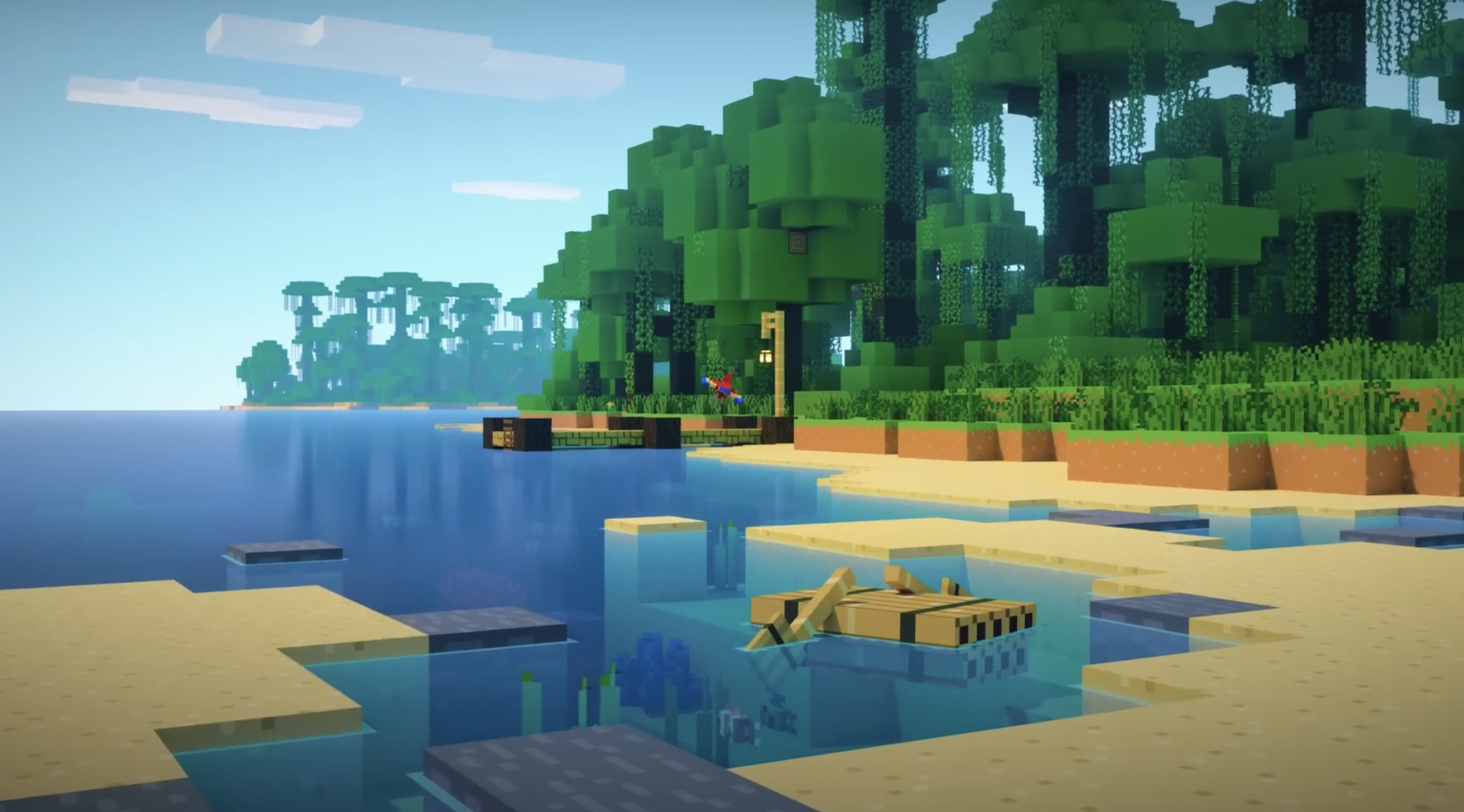
Jungles offer natural cover that desert or plains bases just don't have. Your builds blend into the landscape instead of sticking out like a sore thumb. Trees provide wood and shade. That means less time squinting at your screen. You'll also find melons, cocoa beans, and ocelots wandering around, which adds to the atmosphere.
The real advantage though is survival. If you're on a multiplayer server where griefing is possible, a well-hidden jungle base tucked under the canopy buys you protection. I learned this the hard way on a server that shall remain nameless - one jungle base lasted three times longer than my exposed mountain base before someone found it. Jungle biomes are naturally disorienting, which works in your favor if you've got sneaky neighbors. Plus, the vibe is incredible. There's something about building in a jungle that makes you feel like an explorer who actually earned their settlement.
Finding Your Perfect Jungle Location
Not all jungle tiles are created equal.
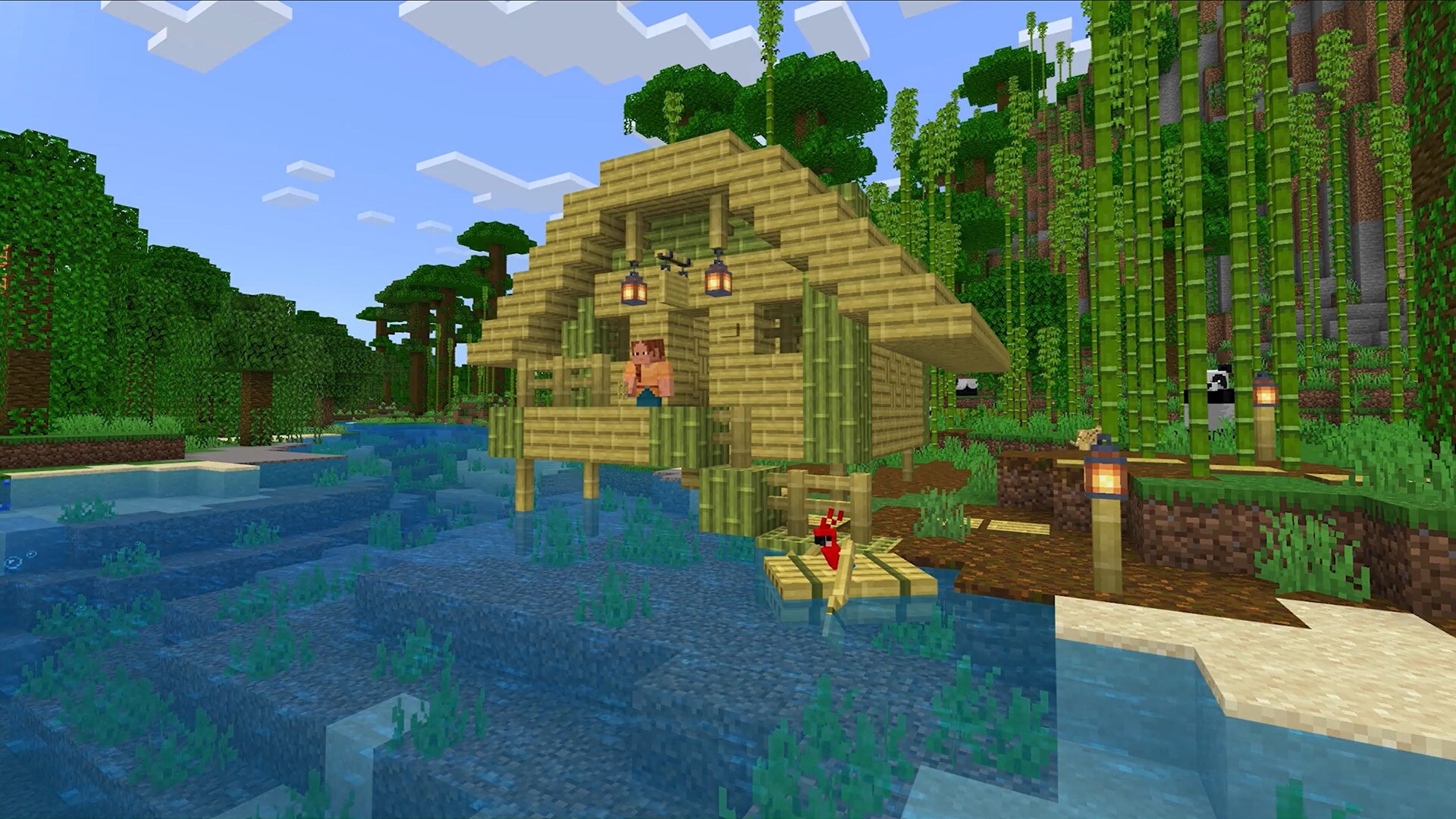
You'll want a clearing or a hillside where trees thin out slightly. Searching for flat ground is tempting, but honestly, slopes work better - they give you natural levels for different building sections. Avoid spots directly under massive trees unless you plan to build around them. I've tried, and clearing space under a 20-block-tall oak is genuinely miserable.
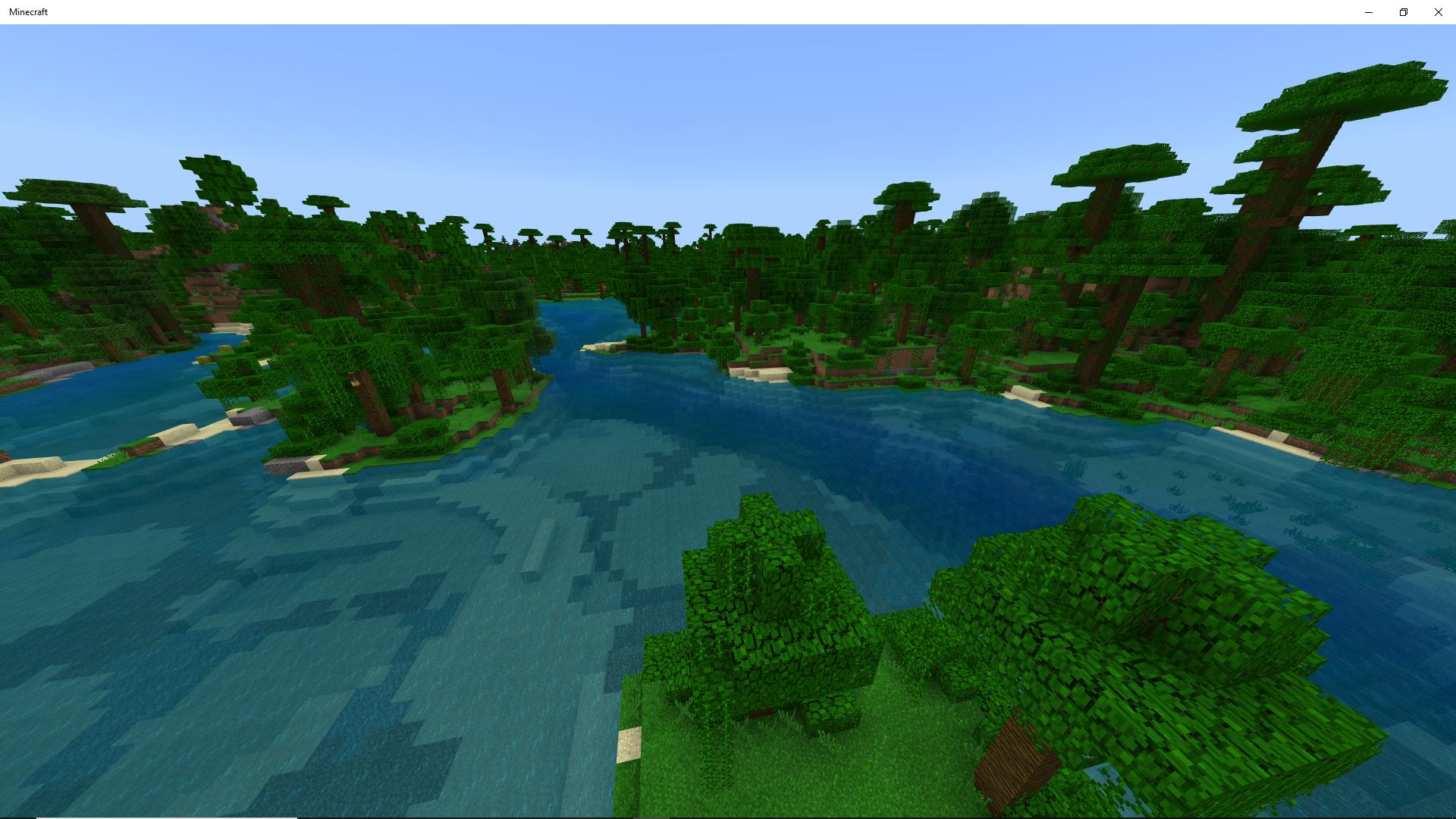
Water is your friend. A jungle biome with a river or small lake nearby makes irrigation and ambiance way easier.
When you find a spot you like, spend time there first. Build a little shelter, break some blocks, run around. Does it feel right? Can you see threats coming? Are there enough trees for materials but not so many that you can't move? I wasted a lot of time building in jungles that looked perfect on a map but felt cramped in-game. Proximity to a village is a bonus if you can find one - the jungles often have them hidden deep in the foliage, and having a trading hub nearby saves trips.
Materials That Work in Jungles
Jungle wood is your obvious choice, but it's not the only one. Real talk, dark oak, acacia, and even spruce complement jungle wood aesthetically. Mixing wood types prevents that 'monochrome base' feeling that happens when you use one block for everything.
Stone and deepslate add contrast. I learned this on my small SMP server - adding stone pillars and walls to a wood-heavy base stopped it from feeling like a tree fortress and gave it actual structure. Stripped logs are underrated for detailing. Azalea, hanging roots, and dripleaves from the lush cave mechanics work beautifully if you want to integrate cave elements into your design. Mud blocks are surprisingly good for paths and ground-level detail work, especially around water features.
Avoid blocks that fight the jungle theme. Nether brick and obsidian can work in context, but slap them down casually and your base looks generic. Actually, that's not quite right - a small obsidian detail room (storage or enchanting area) grounded in the theme works fine. What you're avoiding is jarring contrasts for no reason.
Designing a Layout That Works
This is where most jungle bases fail, honestly. People pile blocks on top of each other and call it done. A real layout has zones: sleeping area, storage, crafting, defense, and sometimes agriculture.

Vertical sprawl works better than horizontal in jungles. Use the tree trunks and foliage as natural separation between levels. Your sleeping quarters on one level, storage below, crafting area on another branch or platform. And this way, mobs can't see into everything at once, and your base feels less like a target. Build off existing tree trunks when possible - it saves time and looks infinitely more natural than a standalone structure.
Sight lines matter more than you'd think.
From your main entrance, you should be able to see threats approaching. Overhanging leaves might block some angles, but that's fine - the point is you're not completely blind. I've had to scrap bases because I couldn't see creepers or spiders until they were basically inside. Plan your doors and windows with defensibility in mind.
Dealing with Jungle Hazards
Jungles aren't hostile in the combat sense, but they present problems unique to dense vegetation. Vines everywhere slow you down, endermen teleport constantly, and hostile mobs spawn in the thick shadows.
Light up your base thoroughly. Yes, it's tedious with all the foliage, but it stops mobs spawning right on top of you. Use lanterns and campfires instead of torches - they look better integrated into a jungle aesthetic and don't scream 'artificial structure' as much. Glow berries work too if you can farm them from lush caves nearby.
Visibility is huge. Trim back foliage inside your build perimeter if you need to. Create intentional sight lines, even if they're narrow. It's a balance between atmosphere and safety.
Poisonous spiders and cave spiders might tunnel into your base if you build near caves. Check for cave systems first if you're in a deep jungle section. It only takes one surprise spawn to ruin a good build session. Seal cave openings near your base or fill them with blocks if safety is a priority.
Making Your Base Look Alive
Details save jungle bases from looking half-finished. Hanging vines (both natural and decorative), dripleaves, azalea flowers around the base of supports, and wood variances make the difference between 'efficient bunker' and 'I actually live here.'
Roofs are critical. A flat jungle base blends too well with the foliage and disappears. Add pitched roofs, awnings, or elevated platforms. Make it distinct enough that you can spot it from above or across a distance.
If you want to showcase your build in style, design a skin that matches your base aesthetic. You can create your own with our Minecraft skin creator tool, or browse our collection of free Minecraft skins for inspiration. A themed skin makes your gameplay photos and server interactions feel cohesive with your build.
Consider pathways and bridges. Vines and logs laid out intentionally look natural while keeping mobs from spawning directly on your walkways. A small decorative farm or garden gives your base purpose beyond survival. Lantern posts along paths add both safety and style. Small waterfalls and water features break up vertical spaces and add life.
Before You Start Building
Jungle bases take more work than a flat plains base. But I've never regretted building one. The payoff in atmosphere, concealment, and that genuine feeling of creating something that belongs in the world makes it worth the extra effort.
Start small and add details as you go. Don't stress about making it perfect immediately. Jungles reward patience more than most biomes. Give yourself room to expand later - that small starter base often becomes the core of something much cooler. And in Minecraft 26.1.2, jungle biomes have never looked better with all the new vegetation and cave mechanics available.

Lead writer at minecraft.how. Long-time Minecraft player running a small SMP server, testing every build, mod, and seed before writing about it.