LegacyLauncher: Играйте в консольные издания Minecraft на ПК
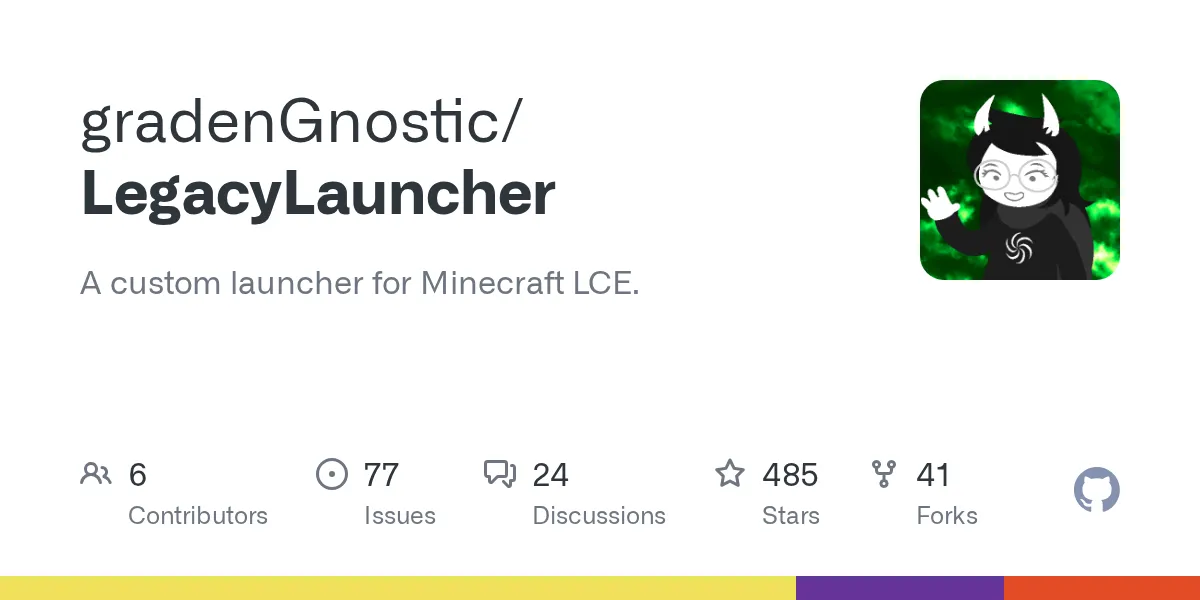
LegacyLauncher (gradenGnostic/LegacyLauncher)
Пользовательский лаунчер для Minecraft LCE.
Помните, как Minecraft на консолях казался отдельной игрой? Другой прогресс, эксклюзивные функции, тот странный сплит-скрин. Если вы ностальжируете по старым консольным изданиям и думали, что они ушли, LegacyLauncher меняет это. Это лаунчер, который делает запуск и управление наследием Minecraft на Windows и Linux невероятно простым, с автоматическими обновлениями, управлением профилями и настройками, чтобы сохранить интерес.
Почему Legacy Console Editions по-прежнему важны
История Minecraft на консолях странно фрагментирована. Legacy Console Editions (первоначально выпущенные для PlayStation, Xbox и Nintendo) были отдельными от Java и Bedrock, со своими системами прогресса, ограничениями карт и эксклюзивным контентом. Они казались чем-то особенным. Но производители консолей перешли на новые проекты, издания были удалены из магазинов, и вдруг, если вы хотели вернуться к ним, вы столкнулись с 벽ом.
Вот дело: некоторые игроки предпочитают старый консольный опыт. Возможно, прогресс казался плотнее, вам понравился сплит-скрин без хаоса открытого мультиплеера, или у вас были хорошие воспоминания, связанные с этой версией. Как бы то ни было, LegacyLauncher мостит этот разрыв. Это не о пиратстве или чем-то подозрительном. Это о сохранении доступа к версиям, которые больше не распространяются официально.
Запуск LegacyLauncher
Установка достаточно проста, чтобы не нуждаться в руководстве. Если вы на Windows, возьмите установщик с официальной страницы релизов GitHub, запустите, и всё готово. На Linux возьмите версию AppImage, которую можно скачать и сделать исполняемой одной командой.
Из исходников это требует почти никаких усилий:
git clone https://github.com/gradenGnostic/LegacyLauncher.git
cd LegacyLauncher
npm install
npm start
Окно лаунчера открывается сразу с ностальгической эстетикой Minecraft. Вы узнаете шрифты блоки и пиксельное искусство сразу. При первом запуске вы настроите репозиторий GitHub, содержащий ваши файлы игры. По умолчанию указано `smartcmd/MinecraftConsoles`, но лаунчер позволяет изменить это в меню «Опции», если вы знаете, что делаете.
Настройка профиля - это личное. Назовите персонажа, и лаунчер будет отслеживать время игры автоматически. Маленькая деталь, но она важна, когда вы пытаетесь воссоздать консольный опыт.
Выделяющиеся функции
Последнее основное обновление (v3.5.0) принесло действительно вдумчивые дополнения. Я пройду через те, которые действительно меняют способ использования.
Скриншоты и Галерея. Нажмите F2 во время игры, и лаунчер захватит момент. Новый модальный галерей позволяет просматривать скриншоты полного разрешения или удалять ненужные. Просто, но оно крючится на том же ощущении захвата моментов, которое делало консольный Minecraft забавным. Вы получаете функцию без необходимости копаться в сырых папках файлов.
Поддержка Steam Deck и контроллера - это где-то поддерживать разработчик действительно понял аудиторию. Это не просто «работает с контроллером». Включает в себя специальный режим UI для Steam Deck с более крупным текстом и оптимизированными макетами, плюс переключаемые подсказки кнопок (стиль Xbox vs стиль Nintendo). Честно говоря, играете на большом экране с контроллером, если это чувствуется правильно. Лаунчер даже отказался от общего слайдера громкости в пользу бара Minecraft со показанием процентов, и нажатия кнопок теперь запускают классический звуковой эффект Minecraft. Маленькая вещь, огромный вибра.
Пользовательские параметры запуска. Это функция для настройки. Вы можете задать имя пользователя в игре, настроить IP и порт для серверов, выбрать слой совместимости на Linux (Wine, Proton или прямое выполнение, если есть родные сборки), и даже запустить в режиме сервера для безобразового запуска. Это не покроет каждый крайний случай, но обрабатывает обычные вещи чисто.
Автоматические обновления загружают последние релизы из настроенного репозитория GitHub без прерывания вашей сессии. Запустите лаунчер, он проверит обновления, скачает новое, и вы готовы. Лучше, чем вручную искать новые версии.
Linux, Windows и слои совместимости
Пользователям Windows легко. Совместимость исполняемых файлов не является головоломкой на Windows.
Linux интереснее, поскольку консольные издания изначально были исполняемыми файлами Windows. Лаунчер справляется с этим, позволяя выбрать подход к совместимости: Wine (традиционный способ), Proton (улучшенный слой совместимости Steam), или родные исполняемые файлы Linux, если они доступны. Вам нужно будет установить Wine или Proton отдельно, но как только это сделано, лаунчер абстрагирует большинство конфигураций.
Если на Linux у вас ещё нет Wine, большинство менеджеров пакетов имеют его:
sudo apt install wine # Ubuntu/DebianProton требует установки Steam, но не требует запущенного процесса Steam. Лаунчер находит его и использует. Один нюанс: разрешения AppImage. Когда вы скачаете Linux AppImage, сделайте его исполняемым:
chmod +x LegacyLauncher-*.AppImageПропустите это, и оно просто сидит там. Сделайте это, и вы в порядке.
Честно говоря: Ограничения и подводные камни
Это не Java Edition, и это не будет чувствоваться как современный Minecraft. Вы запускаете исполняемые файлы, построенные для старых систем, иногда через слои совместимости. Производительность сильно зависит от вашего оборудования и консольного издания, которое вы запускаете. Не ожидайте 4K в 60 fps. Ожидайте playable, часто стабильный, иногда зажатый.
Настройка репозитория может запутать людей. Лаунчер указывает на репозиторий GitHub для релизов, но он ожидает конкретные имена исполняемых файлов. Если владелец репозитория переименует файлы или переорганизует их структуру, лаунчер не найдёт их. Меню «Опции» позволяет проверить имя исполняемого файла, а проверка исходного репозитория перед запуском спасает от разочарования.
Интеграция Discord Rich Presence звучит круто и в основном работает, но это одна из тех функций, которые ломаются молча, если Discord не запущен. Нет ошибки, просто не отображается. Не критично, но полезно знать.
На Linux, Wine и Proton добавляют слой абстракции, который иногда приводит к странному поведению вокруг масштабирования экрана, задержки ввода или аудио. Это не ошибки в самом LegacyLauncher, а артефакты запуска кода Windows на Linux. Терпение и готовность настраивать настройки помогает.
Когда LegacyLauncher имеет смысл
Вы - ностальгичный игрок, помнящий консольный Minecraft иначе, чем Java или Bedrock. Вы хотите чистый способ запустить эту версию без поиска исполняемых файлов в случайных папках. Большинство игроков любят идею отслеживания времени игры и профилей. Кто-то может даже иметь Steam Deck и хотеть играть с дивана с контроллером. В таких случаях этот лаунчер действительно улучшает опыт.
Вы не ищете платформу для моддинга или замену гибкости Java Edition. LegacyLauncher не это. Это фокусированный инструмент, делающий одну вещь: запуск наследий консольных версий чисто и поддержку их актуальности.
Создание сервера, работающего в фоновом режиме, возможно с опцией запуска сервера, хотя вам нужно будет сделать саму настройку сети самостоятельно. Лаунчер обрабатывает выполнение, не порт-форвардинг или правила брандмауэра. Говоря о серверах, если вы управляете сообщественным сервером и нуждаетесь в белом списке, Minecraft Whitelist Creator может помочь вам быстро управлять доступом. А если вы хотите отслеживать, работает ли ваш сервер и отвечает ли он, Minecraft Server Status Checker дает реальное время видимость.
Более широкий контекст
LegacyLauncher - открытый проект (лицензия MIT) с 485 звездами на GitHub и активным обслуживанием. Построен на Electron. Это означает, что это проект на JavaScript, скомпилированный в настольное приложение. Код читаем, отслеживатель проблем реагирует, и происходят запросы на слияние. Это не заброшенный проект. Он жив.
Обработчик явно играет в Minecraft и понимает, что игроки на самом деле хотят от лаунчера. Эта поддержка Steam Deck, функция скриншотов, Minecraft-стиль интерфейса, звуковые эффекты. Это не требования. Это полировка, которая имеет значение только если вы заботитесь об опыте.
Это идеально? Нет. Но это лаунчер, который нужно использовать, если вы хотите пересмотреть наследие консольных изданий без трения. И если вы кто-то, кто помнит консольный Minecraft с теплотой, это достаточно.
gradenGnostic/LegacyLauncher - MIT, ★ 485
Lead writer at minecraft.how. Long-time Minecraft player running a small SMP server, testing every build, mod, and seed before writing about it.
Have a Question or Tip about this Guide?Community Q&A
Ask a question or help other players below. Join the discussion and share your Minecraft tips!
Комментарии
Пока нет комментариев. Станьте первым, кто поделится своим мнением!