Исследование пещер в Minecraft: как найти лучшую добычу
Пещеры в Minecraft 26.1.2 - это абсолютные сокровищницы, если вы знаете, где искать. В глубине подземелья вы найдете алмазы, древние обломки, медь и редкие зачарованные книги, которые обычно требуют недель, чтобы получить. Трюк не в том, чтобы просто бродить с киркой и надеяться - это понимание, какие биомы порождают что, какие глубины важны, и как перемещаться, не умирая от кримера.
Почему исследование пещер лучше, чем ветвистая добыча
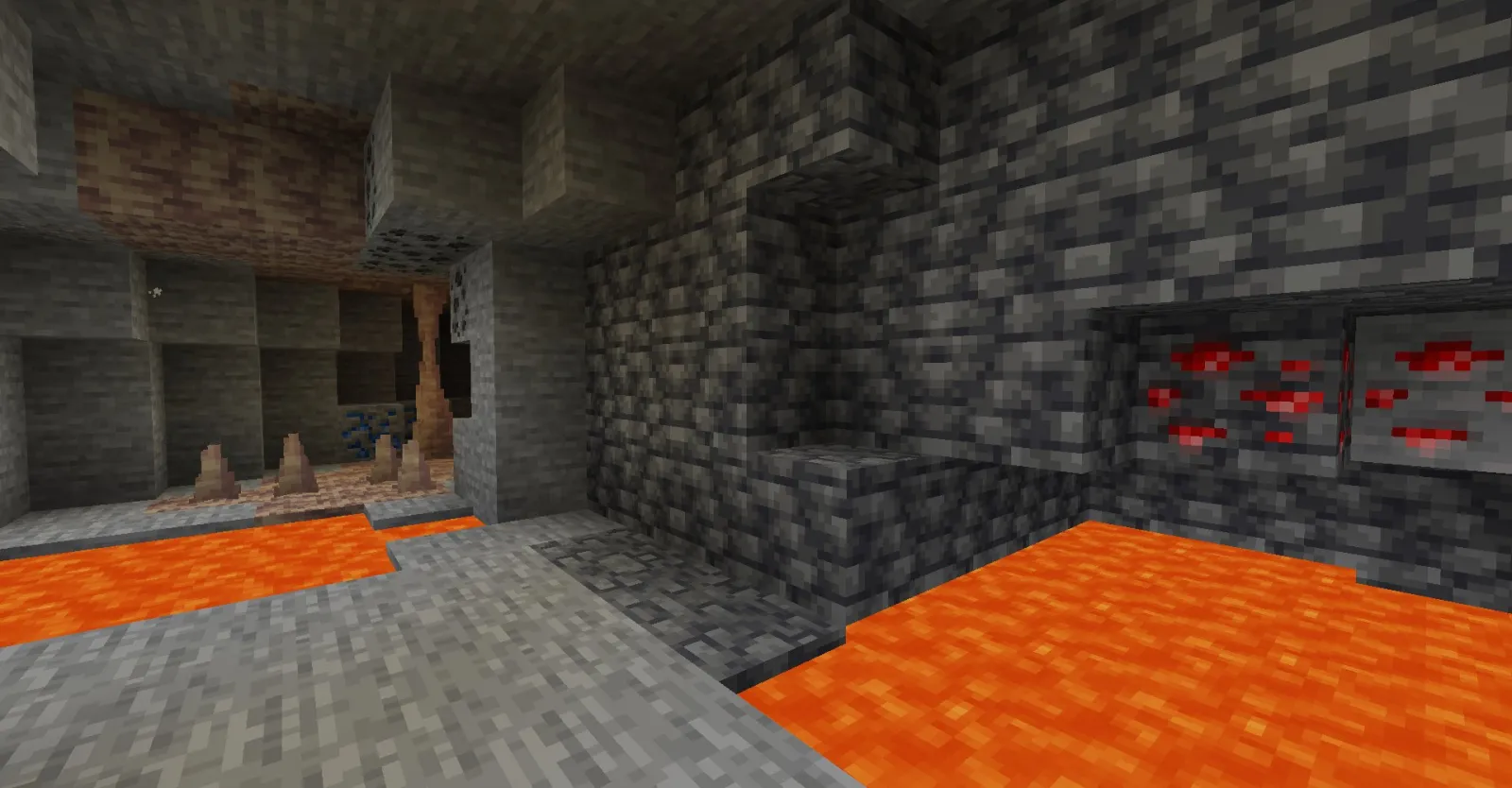
Конечно, ветвистая добыча делает свою работу. Но честно говоря, это скучно и неэффективно, как только вы понимаете систему пещер. В одном хорошем пещерном забеге вы увидите больше разнообразия руд, чем за три часа ветвистой добычи. Вы получаете медь, варианты глубинных камней, геоды и иногда пещеры с густой растительностью или глубокими темными пещерами, которые содержат оборудование, которое буквально невозможно найти где-либо еще.
Настоящее преимущество? Пещеры быстры, менее требовательны к киркам, и действительно весело исследовать. Вы не кликаете повторно - вы сплавничаете, избегаете мобов, и решаете навигационные головоломки. Кроме того, пещеры естественным образом подвергают вас воздействию различных биомных вариаций, с которых поверхностная добыча никогда не даст.
Найти пещеры: где искать и почему
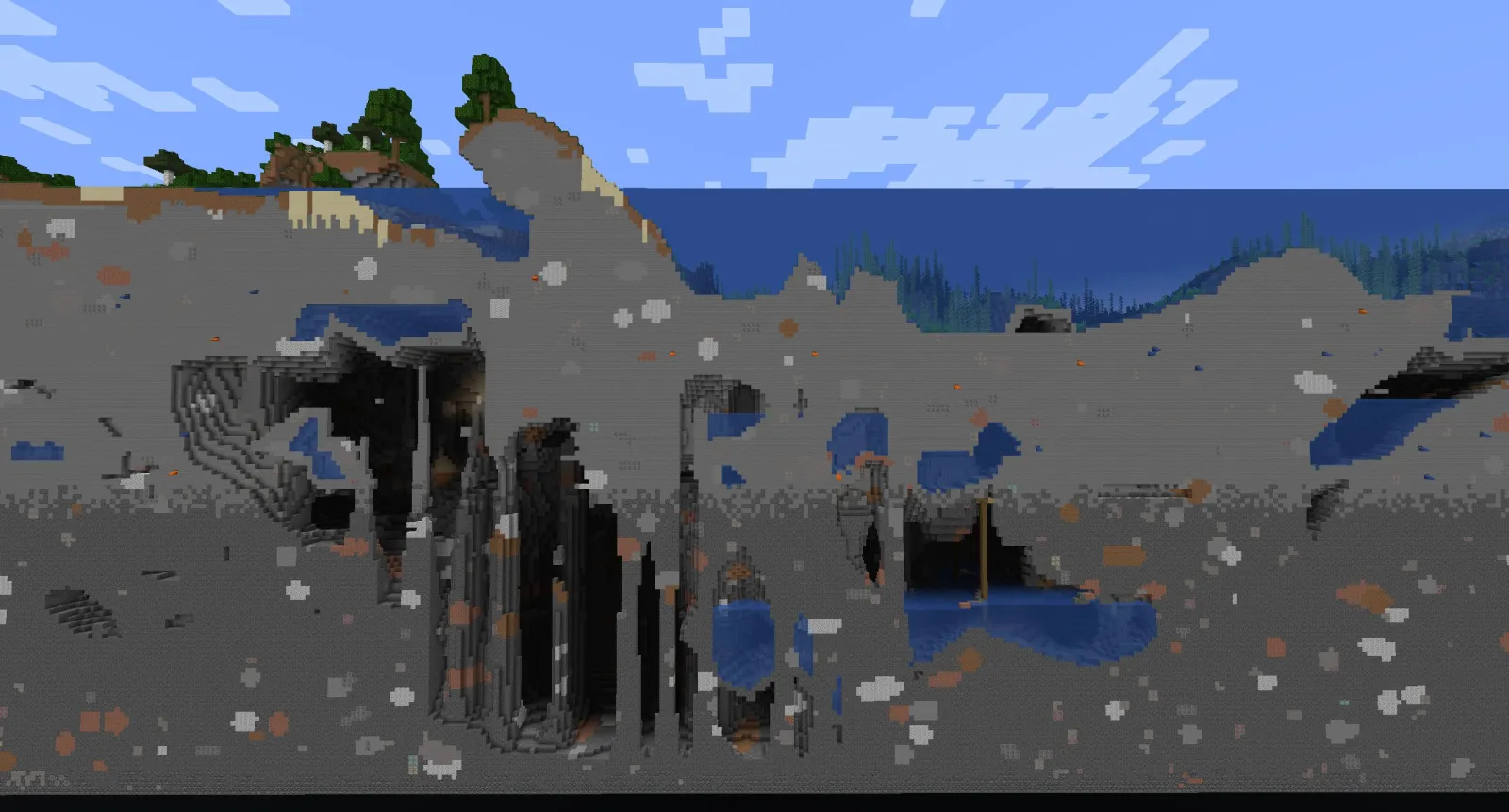
Первое правило простое: следуйте за звуком. Если вы слышите отражение воды или шелест мобов, вы рядом с входом в пещеру. Большинство пещер в Minecraft порождаются между уровнем Y -64 и Y 256 в зависимости от биома, но серьезная добыча обитает глубже. Уровень Y 0 до -64 - это то место, где вам нужно быть для алмазов и древних обломков.
Не входите в первую попавшуюся пещеру. Разведайте местность. Пещеры с водой обычно безопаснее (меньше ловушек с лавой), но иногда менее наградные. Пещеры возле биомов с густой растительностью могут содержать светящиеся ягоды, медь и аксолотлов - полезно, если вы строите ферму. Глубокие темные пещеры? Они требуют осторожности; они опасны, но содержат лучшие зачарованные книги.
- Уровень Y 5 до -16: Сладкая точка для алмазов. Большинство руд появляются здесь регулярно.
- Уровень Y -32 до -64: Древние обломки, глубинные алмазы, кластеры геод.
- Пещеры с густой растительностью: Светящиеся ягоды, дриплиф, мох - строительные материалы и еда.
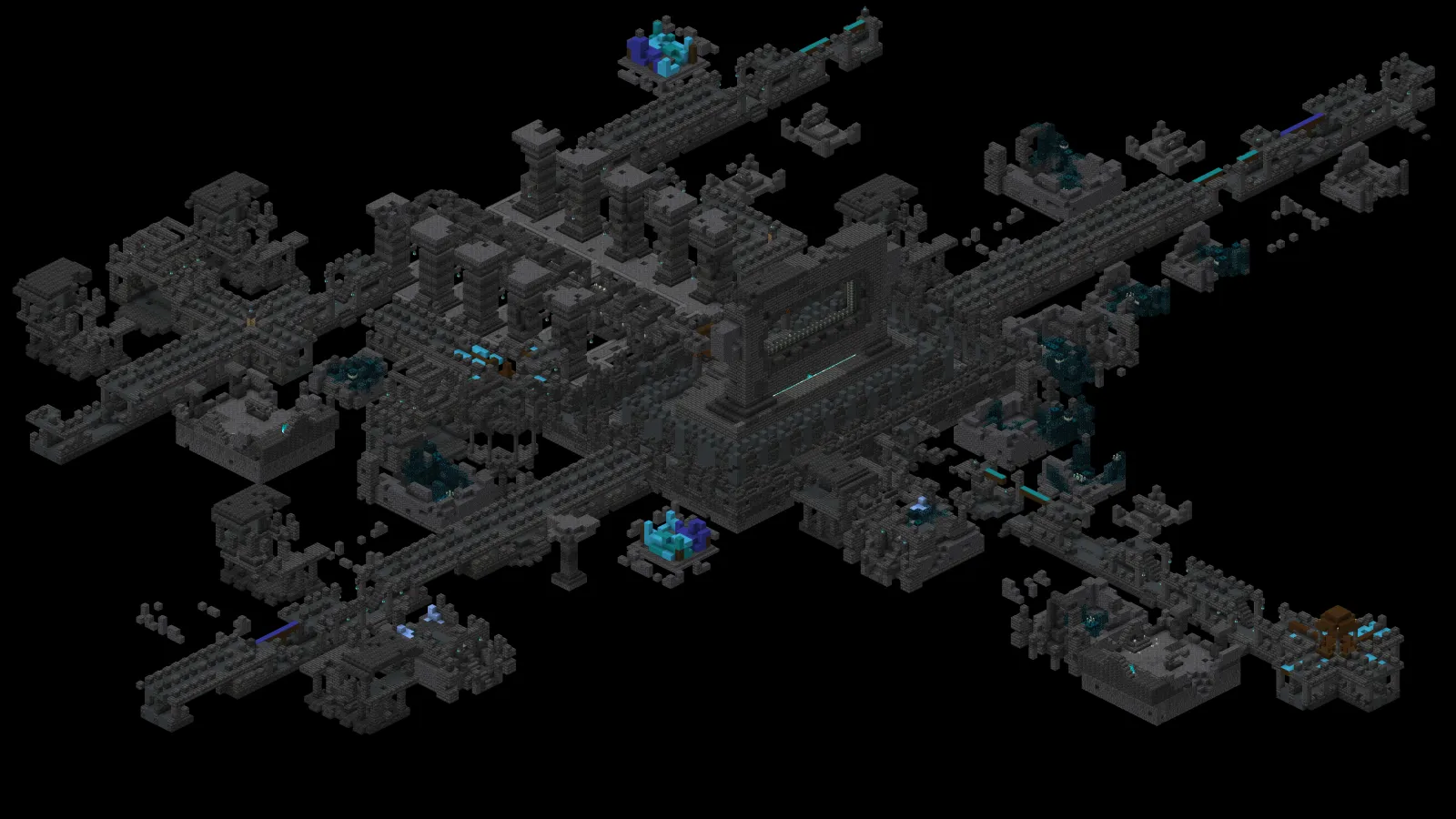
- Глубокие темные пещеры: Отзвучные фрагменты и древние керамики фрагменты. Возьмите меч и броню.
Что такое важная добыча
Не всякая пещерная добыча создана равной. Алмазы очевидны; все хотят их. Но древние обломки имеют приоритет, если у вас мало Нитерита. Один древний обломок превращается в Нитеритовые обрезки, и четыре обрезки плюс четыре золота делают Нитеритовый слиток. Это оборудование не изнашивается, как алмаз.
Медь недооценивается. Я вижу, как игроки пропускают ее постоянно, но если вы строите что-то амбициозное, медь - ваш лучший друг - молнии, двери, эффекты окисления. Глубинные изумрудные камни бесполезны (придерживайтесь поверхностной добычи для них). Геоды с аметистовыми кластерами ценны только если вы увлечены декорацией или строительством.
То, что вы действительно хотите охотиться: алмазы, древние обломки, зачарованные книги (особенно из глубоких темных шкафов), и медь. Все остальное - бонус.
Для отслеживания, какие руды порождаются на каких глубинах, инструмент Minecraft Block Search на нашем сайте разбивает точные уровни Y и биомное порождение, чтобы вы не угадывали.
Подготовка: снаряжение и стратегия
Вам нужна правильная настройка, или вы умрете повторно. Это не паранойя - пещеры убивают неподготовленных игроков постоянно.
Упакуйте каменную кирку (желательна железная), меч, 20+ факелов, еду, ведро с водой, и запасные материалы для крафта. Не приносите лучшее снаряжение; приносите дубликаты. Если вы умрете в пещере, восстановление вещей - кошмар. Я узнал это трудным путем на сервере, где моя первая железная кирка и я расстались на уровне Y-30.
Размещение факелов критически важно. По мере спуска размещайте факелы на правой стене последовательно. По пути назад, следуйте факелам. Звучит просто? Вы будете поражены, сколько игроков пропускают это и оказываются потерянными в трехстороннем узле на уровне Y-50 с половиной полосы голода.
Для серверов Генератор свойств сервера может помочь вам настроить сложность и другие параметры, если вы проводите многопользовательскую пещерную экспедицию с друзьями и хотите сбалансировать вызов.
Маршруты добычи, специфичные для биомов
Разные поверхностные биомы создают разные пещерные структуры ниже. Горные биомы имеют глубокие пещеры с открытими алмазами. Океанские биомы имеют затопленные пещеры (проблематичные, но иногда насыщенные геодами). Биомы лесов порождаются пещерами с густой растительностью, если вы идете достаточно глубоко.
Злые земли, если вы можете найти одну, сумасшедшие по меди. Глубокие темные пещеры порождаются под любым биомом, если вы достигаете уровня Y-35 или ниже и имеете блоки скалка. Отзвучные фрагменты появляются исключительно в глубоких темных пещерах и необходимы для компасов восстановления.
Но честно говоря? Начните с горного биома. Они наиболее дружественны для начинающих, поскольку естественно открывают пещеры. Вы увидите точки входа, поймете структуру и привыкнете к навигации пещер без наводнения.
Избежание смерти в пещерах
Кримеры - ваше настоящее враги - не скелеты, не пауки, кримеры. Честно говоря, они взрывают ваш маршрут выхода и уничтожают вашу руду, прежде чем вы сможете собрать ее. Носите щит, носите броню с Защитой IV, если возможно, и никогда не туннельте прямо вверх (песок и гравий падают на вас, асфиксия реальна).
Лава избегаема. Храните горячее ведро с водой и используйте его сразу. Глубокие темные пещеры не имеют лавы, но там есть стражи - один удар и вы получаете 15 урона. Возьмите целебные зелья или не агрессируйте их.
И вот то, о чем никто не упоминает: истощение от добычи жестоко. Если вы в глубоких темных пещерах и попадаете в скульк-сенсор или скульк- крик, вы突然 становится очень медленными. Тогда вы умрете. Или возьмите ведра с молоком или избегайте скулька entirely, пока не станете уверенными.
Этикет добычи на многопользовательских серверах
Если вы на сервере с другими игроками, пещеры - это оспариваемое пространство. Некоторые серверы имеют заявленные пещерные регионы; некоторые нет. Проверьте правила, прежде чем идти глубоко. Ничто не хуже, чем потратить три часа на очистку пещеры и обнаружить, что кто-то заявил на нее.
Отметьте свои туннели. Если вы создаете новые проходы, отметьте их факелами по-другому, чтобы другие игроки знали, что это исследовано. Собирайте руду, но оставляйте один блок как «эта область обработана» маркер.
Один последний момент: возвращайте то, что находите. Оставление алмазов и древних обломков на земле для других, чтобы они могли их подхватить, просто расточительно. Если вы заблокированы инвентарем, используйте гопперы и сундуки у входов в пещеры.

Lead writer at minecraft.how. Long-time Minecraft player running a small SMP server, testing every build, mod, and seed before writing about it.
Have a Question or Tip about this Guide?Community Q&A
Ask a question or help other players below. Join the discussion and share your Minecraft tips!
Комментарии
Пока нет комментариев. Станьте первым, кто поделится своим мнением!