Minecraft Nether Wart в 2026: где найти и выращивать
Nether Wart - культура Нетера, которая растёт только на soul sand, встречается естественным образом в крепостях Нетера и развалинах бастионов, и важна потому, что большинство серьёзной варки зелий начинается именно с неё. Начните выращивать пораньше, и будущее я вам спасибо скажет.
Основы Nether Wart в Minecraft в 2026
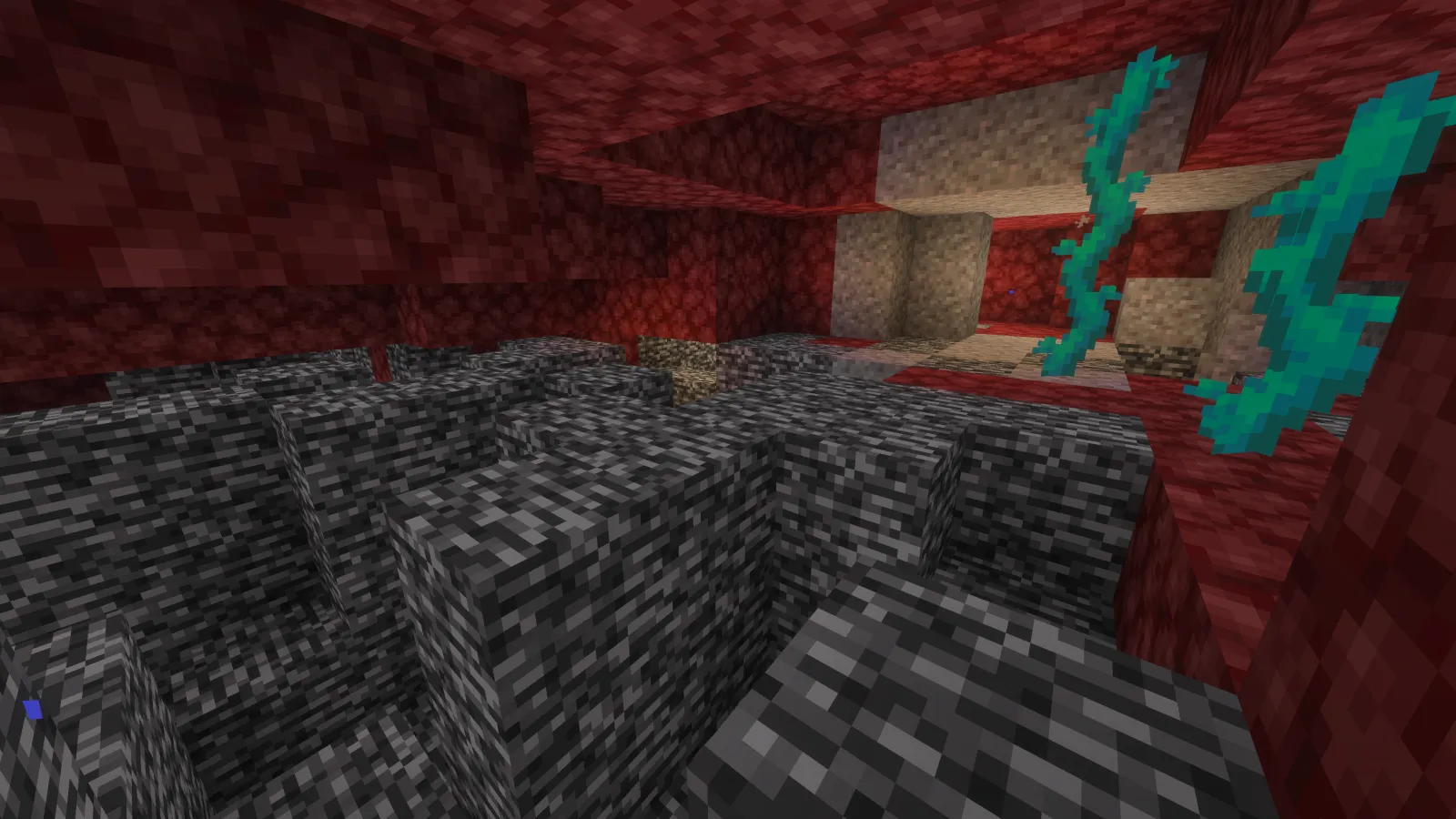
Если запомните одно правило, пусть это будет: Nether Wart растёт только на soul sand. Не на soul soil. Эта ошибка с блоками всё ещё ловит игроков, потому что текстуры похожи - как гаст и воздушный шар оба летают, но только один портит крышу.
В Minecraft Wiki по-прежнему указано то же поведение в 2026. Nether Wart растёт в любом измерении, не требует воды, игнорирует уровень света, а костная мука на неё вообще не действует. Я проверял маленький участок на выживании, в одиночном мире и на Bedrock Realm - культура была одинаково упрямой везде.
Собирайте только когда полностью выросла, на четвёртом этапе с массивным тёмно-красным видом. Зрелое растение даёт больше верта, и Fortune на инструменте может увеличить количество, поэтому сбор рано - это просто добровольное согласие на лишние походы в крепость.
А походы в крепость - это весело, пока не надоест.
Где быстро найти Nether Wart
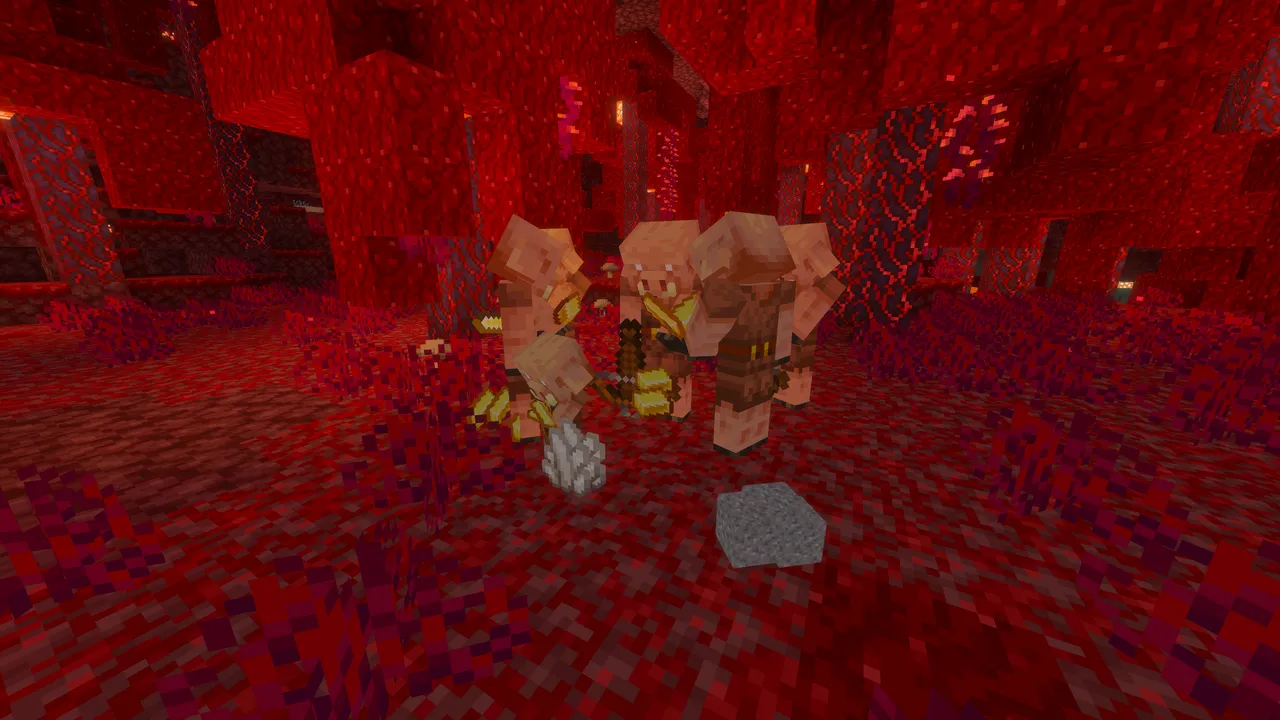
Большинство игроков берут первый Nether Wart из крепости Нетера. Ищите маленький сад на soul sand рядом с лестницами и внутренними коридорами, возьмите верт и украдите несколько блоков soul sand пока вы там. Если уже в бастионе, вариант жилого района может также генерировать сады Nether Wart, что полезно когда мир решил, что крепости - миф, придуманный чтобы вас расстроить.
Есть более быстрый способ думать о поиске, и это останавливает обычное блуждание по кругу:
- Приоритизируйте первую безопасную крепость и проверьте посаженные сады перед тем как грабить каждый сундук.
- Оставьте хотя бы один собранный стак нетронутым для пересадки, потому что есть семена - это пик рано-игровой глупости.
- Откройте сундуки крепости всё равно, так как верт может там спавниться и сбережёт второй поход.
Я обычно иду с кучей негорючих блоков, луком и нулевой верой что пиглины будут заниматься своим делом. Если вам нравится соответствовать атмосфере набега на Нетер, скин Netheriteninja и скин NetherMoBs_UnitE необычно хорошо подходят для прохождения мостов крепостей.
Одной культуры достаточно чтобы начать реальную ферму. Вам не нужно вычищать весь сад крепости как будто вам платят за верт.
Как выращивать ферму Nether Wart
Лучшая ферма Nether Wart - по-прежнему скучная. Прямоугольник soul sand, хорошая видимость и достаточно места для пересадки без топтания по собственной раскладке бьёт большинство редстоун-contraptions. Я видел игроков которые строят автоматизированные чудовища для этой культуры, и честь им за это, но ручная сборка обычно быстрее чем ремонт машины сделанной из стресса.
Простая раскладка которая работает
Положите soul sand рядами, оставьте себе путь из одного блока каждые пару линий, и посадите каждую клетку. Вот и всё. Вам не нужны водяные каналы, трюки с глоустоуном, или ритуал с тремя компараторами и раскаянием.
- Положите компактный участок рядом с варочной стойкой или основным хранилищем.
- Используйте только soul sand, затем посадите каждый верт сразу чтобы циклы роста начались вместе.
- Ждите зрелого, объёмного красного этапа перед сбором.
- Пересадите на месте и храните избыток в сундуке рядом с фермой.
Я собирался сказать что можете просто оставить ферму где-нибудь и вернуться позже, вообще не совсем верно. Nether Wart растёт через случайные тики, поэтому область должна быть загружена. Если чанк выгрузился потому что вы ушли копать медь для не связанного побочного задания, культура не работает в ускоренном режиме без вас.
Это замечание о загрузке чанка более важно чем освещение, потому что освещение здесь вообще не важно. Строите ферму в Верхнем мире, в Нетере, или в маленьком каменном бункере за комнатой портала. Мое любимое место - рядом с варочной зоной, в основном потому что сессии зелий всегда начинаются со слов "мне нужно только одно неловкое зелье", и заканчиваются двенадцатью splash potions и без свободного места.
Для стиля, теплица в стиле Нетера выглядит отлично вокруг этой культуры. Я видел игроков которые строят грядки soul sand за малиновыми люками и арками из чёрного камня, и вид работает ещё лучше если вы используете что-то вроде скина WoodenNetherite, скина netherrack, или скина Ninjanether. Небольшой отвлекающий фактор конечно, но если вам нужно смотреть на ферму часами, она может хотя бы выглядеть как вы это имели в виду.
Хотите примерный целевой размер? Участок 5 на 5 достаточен для случайного зеленоварства. Комната 9 на 9 или больше держит SMP в запасе, если только на вашем сервере нет того одного PvP гремлина что пьёт Fire Resistance как компот.
Костная мука по-прежнему не поможет. Никогда не поможет, и это любит вас разочаровывать.
Для чего используется Nether Wart
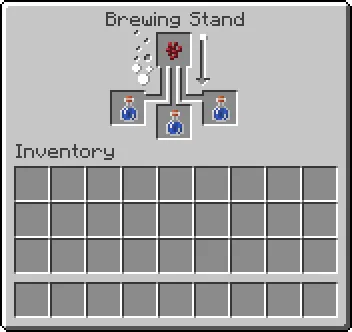
Здесь Nether Wart зарабатывает своё место. Большинство линий зелий начинают с превращения бутылки воды в неловкое зелье, и Nether Wart - ингредиент который это делает. Сила, Регенерация, Скорость, Ночное зрение, Огнеустойчивость, Дыхание водой, Урон, Исцеление, Вред, Медленное падение, Мастер черепахи, коррекция Слабости? Вообще забудьте про последнее. Слабость большое исключение, потому что может быть создана без Nether Wart.
Старая официальная статья Minecraft.net о редких рецептах указывает на ту же реальность варенья: если вам важны зелья, вам важен Nether Wart. Вот почему опытные игроки на выживание спешат с ним раньше чем ожидают новички. Сама культура выглядит второстепенной, но она разблокирует огромный кусок утилиты середины игры.
Кроме варения, Nether Wart также используется в паре рецептов строительства. Можно создать nether wart blocks для украшения и red nether bricks для постройки. Просто будьте осторожны с рецептом блока, потому что это одностороннее создание. Превратить весь ваш стак в красное украшение перед установкой варенья - это сорт ошибки который заставляет вас смотреть в экран в молчании полную минуту.
Если вам нравится выжимать ценность из всего, мастер-уровневые священники могут покупать Nether Wart в некоторых торговых установках, но я рассматриваю это как бонус а не главный план. Варенье всё ещё причина выращивать. Торговля больше похожа на красивый маленький побочный заработок, как найти свободные алмазы в сундуке после того как вы уже решили реальную проблему.
Распространённые ошибки с Nether Wart которые игроки всё ещё делают
Большинство проблем с Nether Wart самонанесённые. Культура простая, но простая механика создаёт очень повторяющиеся ошибки.
- Посадка на soul soil вместо soul sand.
- Сбор слишком рано потому что текстура "выглядит достаточно красной".
- Ожидание что вода или костная мука ускорят.
- Размещение фермы далеко, затем удивление почему выгруженный чанк ничего не вырос.
- Создание nether wart blocks перед тем как вы скопили варочный сундук.
- Игнорирование Fortune при сборке зрелых растений.
Когда-нибудь вернулись с майнинг-поездки и думали что ваша ферма сломана? Девять раз из десяти, она просто не была загружена. В десятый раз, вы вероятно посадили на неправильный блок. Nether Wart не сложный, он просто наказывает нетерпение с необычайной последовательностью.
И если вы на Bedrock, не зацикливайтесь на различиях платформы. Поведение фактически одно и то же для обычного выращивания, даже если ощущение от управления инвентарём и сбора рядов немного неловче на контроллере. Это проблема консоли, не проблема культуры.
Nether Wart в Minecraft в 2026, есть изменения?
Короткая версия: не совсем. График более быстрых выпусков Mojang держит игру в движении, и PCGamesN сообщил что следующий выпуск ожидался около марта 2026, но ничего из недавних публичных разговоров не указывает на переработку Nether Wart. Поэтому если вы узнали эту ферму годы назад, скелет по-прежнему держится.
Поддержка платформ изменилась больше чем сама культура. The Loadout освещал более ранний толчок Mojang в сторону нативной версии PS5, которая важна в основном для более гладкой игры Bedrock на консоли, не потому что Nether Wart ведёт себя по-другому там. Одна культура, один soul sand, одно наглое маленькое растение которое отказывается беспокоиться какое у вас современное железо.
Поэтому лучший выбор прямо сейчас - скучный и надёжный: совершите рейд одну крепость или жилищный бастион, создайте компактный участок soul sand рядом с варочной стойкой, используйте Fortune на зрелых сборках, и перестаньте тратить верт на украшение пока ваша варочная комната не отсортирована. Вот весь трюк. Остальное просто избежание лавы достаточно долго чтобы это наслаждаться.

Lead writer at minecraft.how. Long-time Minecraft player running a small SMP server, testing every build, mod, and seed before writing about it.
Часто задаваемые вопросы
На чём растёт Nether Wart в Minecraft?
Где найти Nether Wart в первый раз?
Когда собирать Nether Wart?
Ускоряет ли костная мука рост Nether Wart?
Нужен ли свет или вода для выращивания Nether Wart?
Все ли зелья в Minecraft требуют Nether Wart?
Комментарии
Пока нет комментариев. Станьте первым, кто поделится своим мнением!