Why Your Bug Reports Matter More Than You Think
Bug reports aren't complaints thrown into a void. They're the backbone of game development. Every crash log, every exploit, every detailed feedback post gives developers the information they need to improve Minecraft. Your observations directly shape how the game evolves for millions of players.
The Feedback Loop That Works
Here's the thing about development that most players don't see: developers can't fix what they don't know is broken. You might think a crash is obvious, but if it only happens under specific conditions on your machine with your mods and settings, the dev team has no way to reproduce it without you.
That's where bug reports come in. They're not bureaucracy.
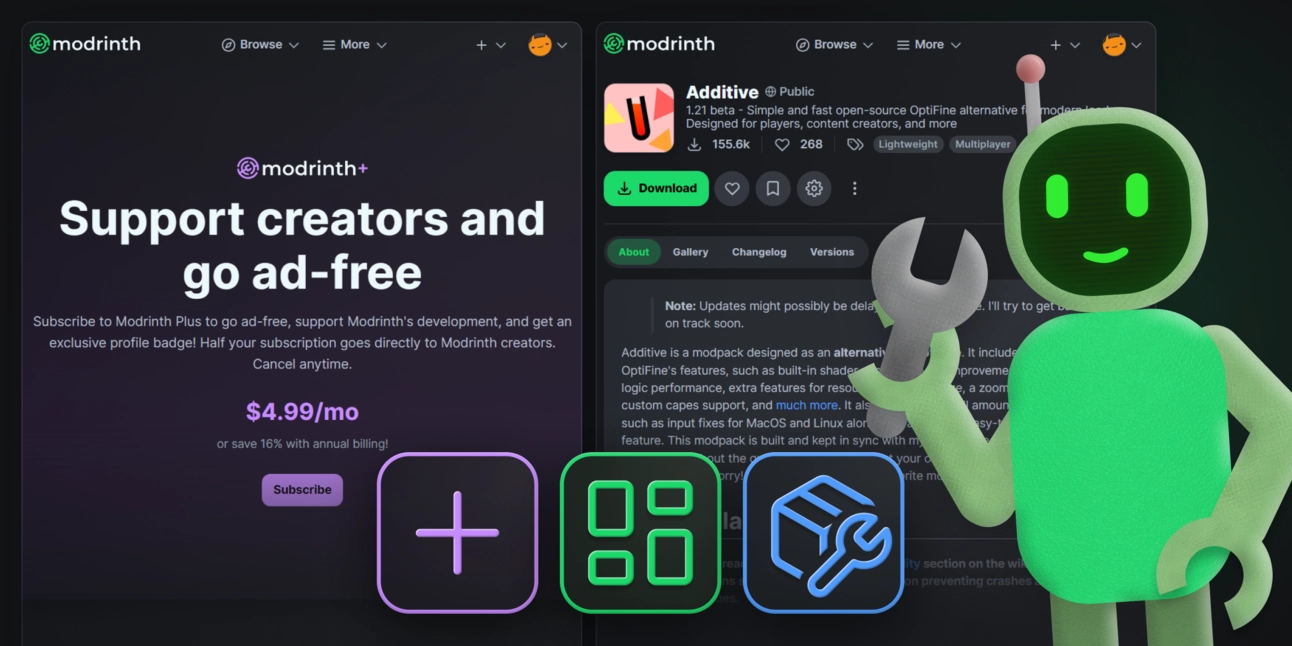
When platforms like Modrinth underwent major design refreshes, they didn't just guess what the community wanted. They listened to feedback. Same with QuiltMC improving their mappings system - community reports on what was missing or confusing drove those updates. The pattern is consistent across every game and mod platform that matters: players who speak up shape the roadmap.
Your detailed bug report gets added to an internal database. It gets triaged. What you get gets linked to other similar reports. Sometimes it merges with someone else's report from a different country, and suddenly the devs realize a crash affects 50,000 players, not five. The priority changes. A fix gets scheduled.
What Developers Are Looking For
Not all bug reports are created equal. A one-liner like "game crashed lol" doesn't help anyone. But you don't need to be technical to write a useful report.
What devs need:
- Reproduction steps - exactly what you did before it broke
- Your setup - game version (26.1.2 is current), mods you're using, graphics settings
- The actual error or behavior - screenshots, crash logs, specific numbers
- When it started - new issue or something you've lived with for weeks?
That's genuinely it. You don't need to be a programmer. Anyone just need to think like someone troubleshooting your computer at home, because that's exactly what a developer does next. They'll ask themselves: "Can I reproduce this? What's different about their setup? What changed in that version?"
Real Changes From Real Reports
Minecraft Java 26.1.2 exists in its current state because players reported issues in snapshots. The server stability improvements? Player feedback. The combat rebalancing? Thousands of reports from PvP communities. Even the graphical glitches nobody talks about often - they got fixed because someone took five minutes to report them properly.
Server-side bugs get reported just as much.
If you're running a server and encounter strange behavior - players can't connect despite what the server status checker shows, or permission systems act weird under load - those aren't just inconveniences. They're development data. Report them, include your server software version and plugin list, and you're directly contributing to the next patch that fixes it for thousands of other server admins.
Even tool improvements come from this. The MOTD creator got better because community feedback showed people wanted easier color support and preview features. This isn't unique to Minecraft either. Every successful mod platform and server tool you use came from the same cycle: users report what's broken or missing, maintainers listen, things get better.
Where Reporting Gets You Results
Official channels matter. The Minecraft launcher has a built-in feedback system. A Mojira issue tracker is where Java Edition bugs live. Bedrock has its own feedback site. Yes, these systems sometimes feel slow. Yes, sometimes reports sit for months. But that's where the actual developers look.
Community spaces (Reddit, Discord, forums) are great for commiseration and troubleshooting. Real talk, sometimes a mod maintainer will hang out there too. But if you want your bug to reach the people who code the game, you need the official trackers.
Actually, here's a tip: search first. Check if someone already reported it. If they did, add your reproduction steps as a comment. Multiple reports of the same issue with different setups move the needle.
You're Part of Development Now
The best part about modern game development is how transparent it's become. You're not external to the process anymore. Snapshot releases exist specifically so players can catch bugs before they go live. Beta builds for Bedrock, pre-release versions of Java - these aren't finished products. They're invitations.
Report bugs in snapshots, and you prevent millions of players from experiencing them months later in the actual release. That's not a small thing.
And look - not every bug report gets fixed tomorrow. Some get marked "won't fix" because the dev team decided it's working as intended, or it's too niche to prioritize, or fixing it would break something else. That's fine. Development is about tradeoffs. But the reports themselves? They're always valuable data. They always inform decisions.
So next time you hit a bug, take two minutes. Write down what happened, what version you're on, what you were doing. Post it on the official tracker. Don't worry about sounding stupid or technical. You're not writing a bug report for other programmers. You're writing it for someone who wants their game to work better for you and everyone else playing it.
That's how Minecraft gets better. Not from decisions made in a boardroom. From thousands of players saying "this broke, here's how."

Lead writer at minecraft.how. Long-time Minecraft player running a small SMP server, testing every build, mod, and seed before writing about it.