How to Build a Floating Island in Minecraft
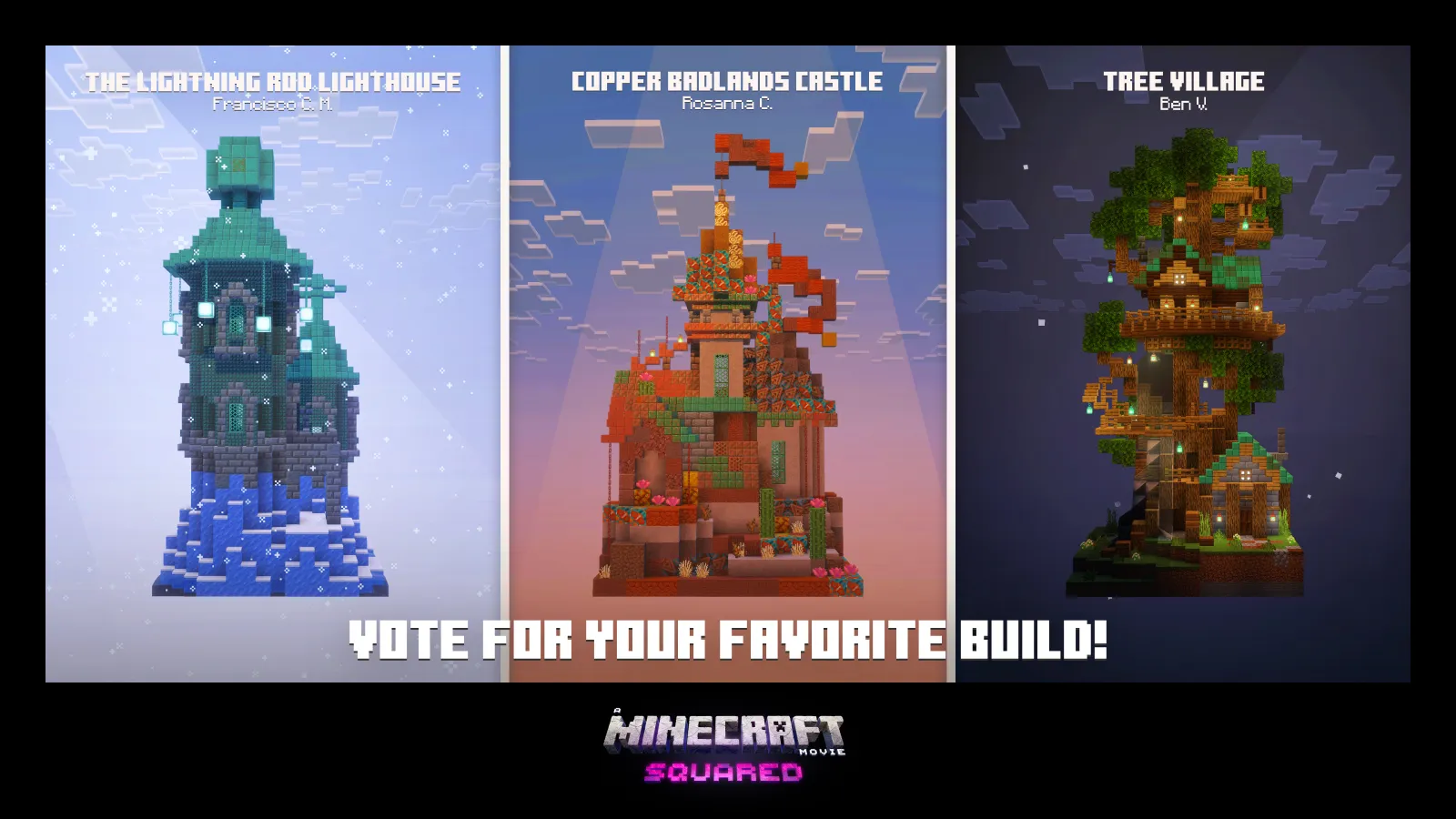
Floating islands are one of the most visually satisfying builds you can create in Minecraft, and they're more achievable than you might think. Whether you want a cozy sky base, a floating garden, or something that looks like it walked out of a fantasy world, I'll walk you through the entire process.
Planning Your Floating Island
Before placing a single block, you need to decide what you're actually building. Are you going for a massive continent in the sky, a small intimate outpost, or something in between? Size matters here because bigger islands require more support and look awkward if the foundation doesn't match the scale.
Location is where most people mess up. You'll want to find flat terrain or an area with room to work, ideally 50+ blocks above ground so your island has breathing room. Going too high makes it annoying to work on, but too low and you'll run into trees or mountains that clip through your design. I usually build mine around y-level 120-150 in Java Edition, which gives enough clearance without feeling disconnected from the world below.
Think about the theme early.
A lush island needs different terraforming than a barren sky fortress. Our seed library includes the "Offshore Floating Village" seed (118823198 for 1.21) if you want inspiration, and it's a great reference for how different biome styles work at height.
Creating the Foundation and Structure
This is the critical part that separates good floating islands from ones that look like they're held up by invisible string. You need internal support. Most builders make the mistake of building a hollow island with just a shell, and it looks completely flat and fake from certain angles.
Start by marking out your island's footprint with temporary blocks, then decide on internal structure. Look, i usually create a few thick "pillar" sections using stone or the primary block of my island theme - these run from the core outward and create the skeleton your terrain will hang from. If your island is round, imagine three or four support columns. If it's irregular, place them strategically at weight-bearing points (kind of like how real architecture works, actually, though we're overthinking pixels here).
- Use varied stone types for natural-looking depth
- Mix in dirt and grass at the core level
- Create uneven height variations so the underbelly isn't perfectly flat
- Leave some gaps and overhangs for visual interest
The underside of your island is half the build.
Most players only focus on the top and leave the bottom looking like a pancake. Spend real time sculpting the underside with cliffs, caves, and hanging gardens. It completely changes how the island reads from a distance.
Terraforming and Natural Landscape
Once your structural skeleton is solid, you build the landscape on top. Start with raw terrain shape using dirt and grass blocks, then layer in stone where cliffs exist. This is where the build either looks amazing or mediocre, so don't rush it.
Add variation constantly. Minecraft's charm is its blocky aesthetic, but repetition kills immersion. Mix grass with dirt patches, add gravel paths, scatter stone. Use different grass colors if you're on Bedrock (actualgrass varieties help a lot). Create natural-looking cliffs with stone, deepslate, and cobblestone at different heights. If you want to push further, texture packs can add depth - resources like those covered by PCGamesN show how packs enhance the natural feel of terrain without changing your build itself.
Water features work incredibly well on floating islands. Waterfalls cascading off the edge are dramatic, and a small lake in the center grounds the space. Just remember water will fall off the edge if you're not careful, so plan your waterfall routes before placing water.
Adding Buildings and Functional Spaces
Here's where your island becomes more than just scenery. What's the island for? A base needs shelter. A farm needs flat open space. A sanctuary might have minimal structures and maximum nature.
I typically zone my islands: one side for living quarters, another for farming or industry, and a third for decoration or storage. This keeps things organized and makes the island feel purposeful rather than slapped together.
Build your structures into the landscape instead of plopping them on top. A house looks natural when it's partially carved into hillside, with terrain flowing around it. Same with farms - tier them into slopes instead of laying them flat on top. Your eye will thank you.
Consider aesthetics from multiple angles. Walk around your island at ground level, view it from distance, then fly up and look down. What looks good straight-on might look hollow from above. Every angle matters.
Lighting and Visual Effects
Lighting transforms a floating island from decent to spectacular. Lanterns placed throughout the landscape at dusk add warmth without looking artificial. Soul lanterns work great for spookier islands. If you've built caves underneath, strategic lighting inside creates glowing effects visible from outside.
Glow berries, amethyst clusters, and sculk blocks (in newer versions) add magical atmosphere if your island has that vibe. Copper blocks patina over time and add visual depth as they age - planning oxidation patterns takes patience but pays off.
Water and lighting play together beautifully. A glowing cave underneath your island reflecting in a central pool creates depth you didn't expect. Let the light hit from multiple directions if possible.
Server Performance and Testing
Big floating islands can lag if they're not built efficiently. Avoid massive hollow spaces filled with entities, minimize redstone contraptions, and don't overload one chunk with decorations. If you're building on a multiplayer server, check the current status of your host first using a Minecraft Server Status Checker - a laggy server makes fine-tuning your build impossible.
Test your island at different times of day and weather conditions. Build at night to see how your lighting reads in darkness. Build in rain to see how water flows. These details matter.
Fine-Tuning and Personal Touches
After the basics are done, take a step back. What feels empty? What could use more detail? This is the phase where floating islands transform from good to incredible.
Small details are what separate finished builds from rough drafts. Path variations, scattered objects (bones, flowers, broken wood), small shelters for animals, hanging vines from overhangs - these seem minor until you place them and suddenly your island feels alive. I spend almost as much time on detail work as I do on the structural build.
If you're struggling with terraforming precision, there's no shame in using world edit or similar tools on single-player - it saves hours of repetitive work. For vanilla survival builds, patience wins.
One last thought: floating islands work best when they feel like part of a world, not floating in void. Consider what's below. Is it ocean? Clouds? A darker realm? The context around your island makes it feel grounded even though it's literally floating. Add distant mountains in the distance, create an understory effect with lower islands, or frame it against a specific sky condition you find beautiful.
Build your floating island, then step back and look at it fresh the next day. You'll spot improvements you missed while deep in the work. And honestly? That's the best part of building - watching your vision improve over time.
Source: Read the referenced page.

Lead writer at minecraft.how. Long-time Minecraft player running a small SMP server, testing every build, mod, and seed before writing about it.
Sıkça Sorulan Sorular
What height should I build my floating island at?
How do I make the island foundation look natural?
Can I build a floating island in creative or survival mode?
What blocks work best for floating islands?
How do I prevent lag with a large floating island?
Yorumlar
Henüz yorum yok. Düşüncelerinizi paylaşan ilk kişi olun!