Minecraft Cave in 2026: Biomes, Loot Routes, and Survival

A minecraft cave in 2026 is still the fastest way to get early iron, mid-game diamonds, and late-game XP, if you route it right. You want smart lighting, a shield-first mindset, and biome-aware pathing, not random tunnel spam that ends with a creeper crater and regret.
Minecraft cave basics in 2026: what matters
Caves feel bigger, noisier, and way more vertical than old-school branch-mine days. If you haven't played seriously since pre-Caves and Cliffs terrain, the biggest adjustment is movement, not mining speed. You're climbing ledges, dropping water buckets, and deciding which dark pocket is worth the risk.
And yes, your first hour still decides your whole run.
My rule is simple: go underground as soon as I've stone tools, food, and at least one stack of torches. On my survival server (we call it Basalt & Bread because naming things is hard), players who delay cave runs usually fall behind on enchant timing by day two.
Want the quick priority list?
- Early game: iron, coal, and enough copper for utility builds
- Mid game: diamonds, lapis, redstone, and dripstone access
- Late game: XP loops, mob drops, and route-safe transport corridors
That's the practical definition of a minecraft cave run now: controlled greed. Take what moves your next milestone, skip what burns time.
Best cave biomes and how to play each one
Not all caves are equal, and treating them the same is how players lose gear. Some cave biomes reward speed, others punish it.

Lush caves
Lush caves are beginner-friendly and still useful late game. You get natural light from glow berries, clay, and often easier water movement. Axolotls can also make underwater fights less awful. I use lush areas as resource hubs, then connect them to deeper strip routes.
But don't confuse pretty with safe. Open ceilings mean surprise skeleton angles.
Dripstone caves
Dripstone caves are amazing for renewable lava setups and trap ideas, but they chew through armor durability if you move carelessly. Falling stalactites are rare enough that people ignore them, right until they don't. Bring blocks for stable walkways and don't sprint-jump every gap like you're speedrunning a montage clip.
Deep dark zones
Deep dark is where discipline matters most. Crouch movement, wool block placement, and ranged distraction are still the safest approach. If your plan is "I'll just wing it," your plan is actually "I'll donate my inventory to the void and complain in chat."
I avoid fighting Wardens unless we're testing mechanics for fun. Loot can be excellent in nearby structures, but noise control beats combat every time.
Standard caverns and mixed layers
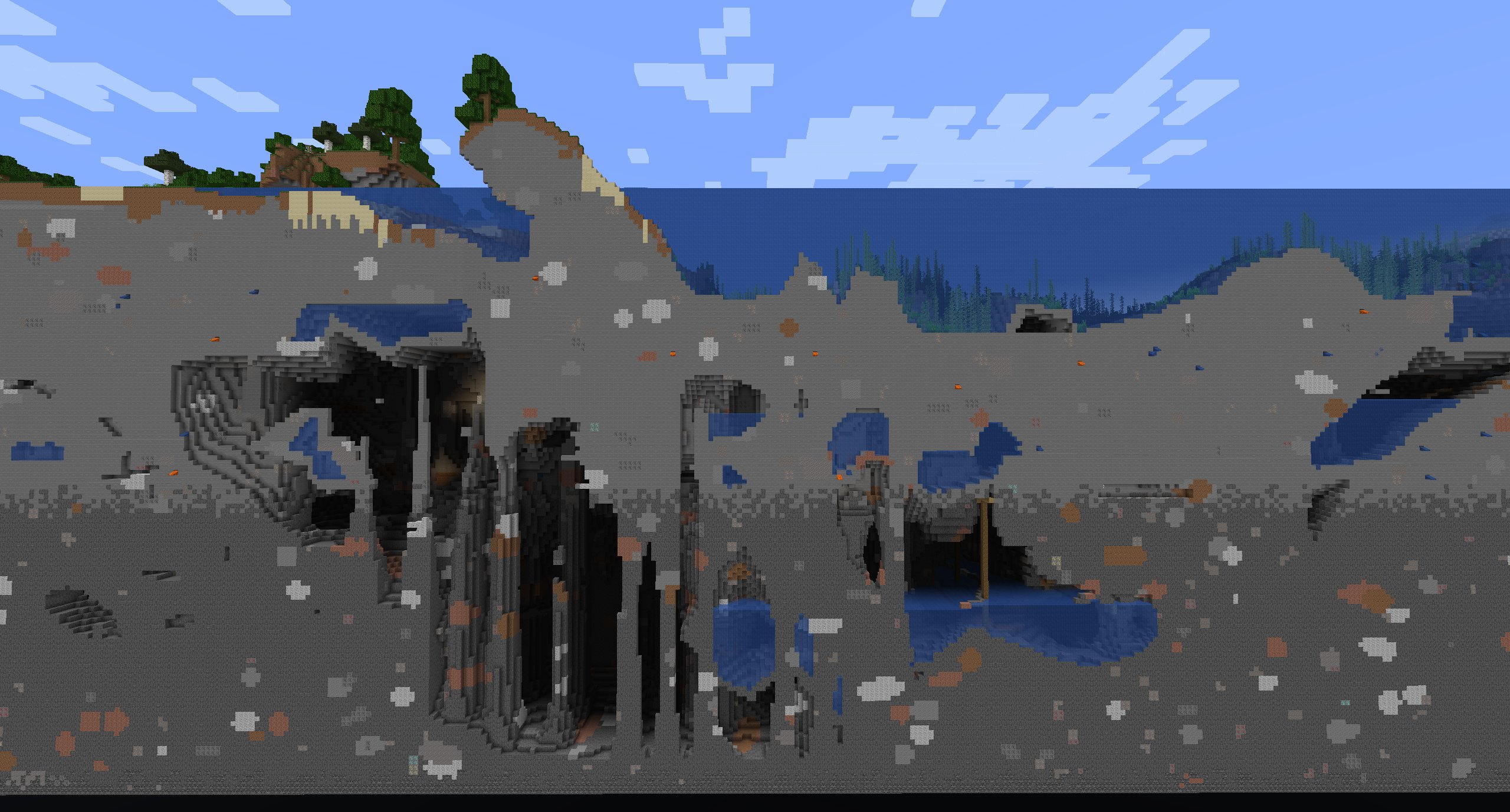
Most real mining happens in mixed cave networks, where standard stone, water pockets, and occasional biome transitions overlap. This is where efficient players separate from loot tourists. Place markers, close dead ends, and establish one return lane to surface storage.
Loadout and prep for safer cave runs
Let's make this practical. If you're dying in caves, it usually isn't because your sword is weak. It's because your prep is sloppy.

Here's the default kit I use before serious exploration:
- Iron armor minimum, shield always
- Water bucket and at least one stack of blocks
- Torches plus backup fuel
- Bread or cooked food, not berries-only
- One chest for emergency dump near entrance
For Bedrock players, cave combat timing can feel slightly different on controller. Actually, that's not quite right for Bedrock as a whole, it's more about your device performance and input delay than edition alone. Still, if hits feel "off," test shield timing in a safe mob farm first.
One tiny habit that pays off fast: carry signs. Mark "home," "lava," and "deep route" at forks. Sounds silly, saves lives.
Fast mining routes that don't get you blown up
The fastest minecraft cave strategy is a loop, not a straight push. Drop into a large cavern, clear a controllable ring, then spiral into deeper pockets while keeping your exit visible. Every time players ignore this, they overextend, panic, and sprint into the first creeper they've "definitely already killed."
So, route like this:
- Light the perimeter first, then center paths
- Mine exposed ore during security passes
- Return to base chest every 12-15 minutes
- Expand only when food and shield durability are stable
Short version, your life is worth more than one extra vein.
I tested three patterns on two SMPs and one private world: random wander, branch from cave walls, and perimeter loop. Perimeter loop won for survival rate and total ore per hour, while still feeling less boring than classic strip mining. Branching is fine for targeted diamond layers, but it drags if you're also hunting coal and mob drops.
And if you're doing multiplayer cave runs, assign roles. One player lights and marks. One mines. One covers with bow or crossbow. Coordination sounds sweaty, but five minutes of planning beats thirty minutes of corpse retrieval.
Cave style, skins, and roleplay builds underground
Not every cave session has to be pure efficiency. Some of my favorite base projects started as accidental holes with bad lighting and great vibes.

If you're leaning into a cave-themed identity, skins help set tone fast. I like mixing moody stone palettes with a themed look, especially for screenshots or server intros. Try a darker explorer style like Cave Minecraft Skin for underground survival builds, or go playful with CaveClash Minecraft Skin with bold cave-runner colors.
For roleplay servers, niche choices stand out more than polished defaults. I've seen players use gooncaves Minecraft Skin for chaotic cave faction themes and somehow make it work (somehow). If you want softer tones, Cavetown_ Minecraft Skin for cozy underground towns fits lush-cave settlements nicely. Weird but memorable? Concaveapple Minecraft Skin for quirky cave character concepts.
Build-wise, cave bases look best when you stop flattening everything. Keep natural arches, hang lantern chains at varied heights, and use water channels instead of perfectly square hallways. Caves should feel lived in, not like a stone office park.
Recent update context and what to expect next
Cave gameplay doesn't sit still because platform updates and drop cadence keep nudging how people play. PCGamesN reported that Minecraft's newer drop model has been landing on a roughly quarterly rhythm, with the 1.26.1 "Tiny Takeover" window estimated around March 2026. That cadence matters because smaller, frequent updates can quietly affect mob pressure, pathing habits, and resource pacing.

Over on console, The Loadout covered Mojang's PS5 native version testing and rollout plans, originally tied to improving parity with current-gen Xbox performance. Better frame stability doesn't just look nice in caves, it changes reaction windows during crowded fights and vertical traversal.
Will every drop reinvent caves? Probably not. But frequent tweaks mean your old "perfect" route might age out faster than before, so retest patterns after major patches.
My pick right now is boring but reliable: master one safe loop, then add risk in controlled layers. That's how you keep progress steady, even when update notes throw curveballs.