Minecraft Yaratıcı Sunucuları - En İyi Seçimler 2026
Minecraft yaratıcı sunucuları 2026'de büyük inşa etmenin, daha hızlı öğrenmenin ve yabancılardan akıllı fikirler öğrenmenin en kolay yolu. Eğer büyük arsa dünyaları, daha iyi araçlar ve survival meşakkatinden uzaklaşmak istiyorsanız, burası başlamak için ideal bir yer, ve boş bir kasabada akşamınızı harcamamanın yolu.
Yaratıcı mod basit görünse de bir halka açık sunucuya girdiğinizde on iki arsa komutu, üç rank sistemi ve tüm Venedik'i kuvars ile yeniden inşa eden biri olduğunu fark edersiniz. Aslında bu çekiciliğin temeli. İyi yaratıcı sunucuları Minecraft'ı kısmen kum kutusu, kısmen sosyal inşa laboratuvarı, kısmen tesadüfi mimarlık sınıfına çeviriyor.
Evet, solo oyun dünyaları, şemalar ve harita editörleri her yerde olsa bile yine de alakalı. Halk yaratıcı sunucuları solo inşanın asla tam olarak başaramadığı bir şeyi yapıyor: context veriyor. Ölçeği, tempoyu, renk paletini ve redstone tuhaflığını gerçek zamanlı olarak görebilirsiniz. Bazen ilham verici. Bazen de senin "modern ev"in sadece taahhütlerle karışmış beyaz bir kutu olduğunun çok halk önü hatırlatmasıdır.
Minecraft yaratıcı sunucuları gerçekte nedir?
Temel seviyede, bunlar Creative modu etrafında kurulu çoğunlukla arsa sistemleri, ücretsiz inşa araçları ve topluluk vitrini olan multiplayer sunuculardır. Hayatta kalmak, eziyet çekmek veya PvP yapmak yerine, alan talep edersiniz ve istediğinizi inşa edersiniz. Yeterince basit.
Ama daha iyi sunucular yapı ekler. Rank ile ölçeklenen arsa boyutları, kontrollü şekillerde WorldEdit erişimi, temalı inşa yarışmaları, güvenilir inşaçı rolleri ve redstone, pixel art veya mega inşalar için ayrı dünyaları düşünün. Bu, ciddi bir yaratıcı sunucuyu bir flat dünya toss'u yapan ve bunu içerik olarak adlandıran rastgele bir ağdan ayıran şeydir.
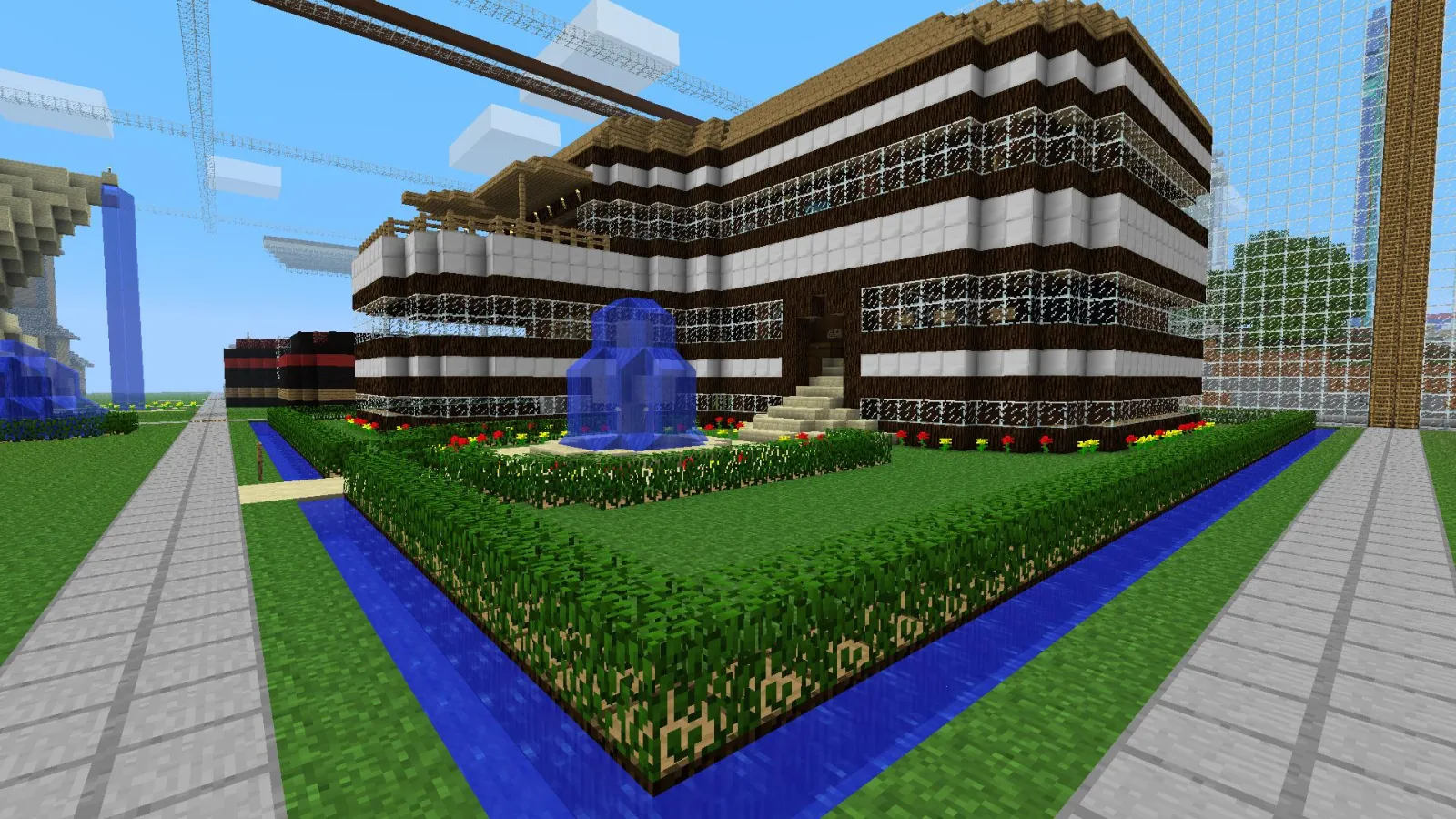
Arsa tasarımının yanıp sönen branding'den daha önemli olduğunu düşünüyorum. Yollar garip ise, arsa sınırları çirkin ise veya sunucu temel araçları çok fazla engel arkasında gizliyse, insanlar deneme yapmayı bırakırlar. Bir çeşme inşa ederler, belki şüpheli derecede büyük bir anime yüzü, sonra giderler.
Neden 2026'de yaratıcı Minecraft sunucuları oynamaya değer
Minecraft'ın kendisi daha küçük, daha sık düşüşlerle değişmeye devam ediyor, bu pek çok oyuncunun fark ettiğinden daha fazla sunucu zamanlamalarını etkiliyor. PCGamesN, Mojang'ın daha yeni üç aylık ritmine dayanarak Minecraft 1.26.1, "Tiny Takeover" düşüşünün Mart 2026 civarında beklenmesini bildirdi. Yaratıcı sunucuları için bu önemlidir çünkü her içerik düşüşü paletleri, dekoratif seçimleri ve plugin uyumluluğunu sarsar.
Yeni bloklar ve mob varyantları sadece survival oyuncularına yardımcı olmaz. Builders doku yoğunluğu, renk geçişleri, aydınlatma hileleri ve bir blok sonunda paletinde o sinir bozucu boşluğu çözeceği konusunda önemli. Doğru set var olmadan vanilla bloklar ile detaylı bir mutfak inşa etmeye çalıştınız mı? Evet, zor.
Platform tarafı da var. Haziran 2024'te The Loadout, Mojang'ın yerel bir PlayStation 5 versiyonu test etmeye başladığını bildirdi. Bu kendi başına bir yaratıcı sunucu özelliği değil, elbette, ancak daha geniş bir eğilime işaret ediyor: Minecraft hala modern donanımlar arasında daha düzgün multiplayer için ayarlanıyor. Daha iyi performans, daha fazla insanın konsollarının yerçekimi ile pazarlık yaptığını hissetmeden büyük halka açık inşa alanlarına atlaması anlamına geliyor.
Yani 2026 sessiz bir bakım yılı değil. Aslında yaratıcı sunuculara katılmak için iyi bir zaman çünkü inşa araç kutusu gelişmeye devam ediyor ve kurulu topluluklar geçmişte yaptıklarından daha hızlı uyum sağlamayı biliyor.
En iyi Minecraft yaratıcı sunucuları nasıl seçilir
Çoğu liste bunu yanlış yapıyor çünkü size önce odaklanırlar. Oyuncu sayısı önemli, evet, ama inşa kalitesi, moderasyon ve sunucunun gerçekten inşaçıların zamanına saygı gösterip göstermediği kadar değil.
On dakikadan fazla bir sunucuya bağlanmadan önce aradığım şeyler:
- Arsa sistem kalitesi: Temiz talep, açık izinler ve posta kutusu kadar iddialı bir şeyden daha fazla inşa etmek için yeterli alan.
- Araç erişimi: Sınırlı WorldEdit veya fırça araçları bile büyük fark oluşturabilir. Her kullanışlı komut para duvarının arkasındaysa, genellikle giderim.
- Aktif moderasyon: Grief önleme açık, ama sohbet kalitesi de önemli. Çıkılmaz sohbeti olan yaratıcı sunucu çabuk bıkılır.
- Vitrin kültürü: İyi sunucular inşaları gezmek, arsa oylama veya etkinliklere katılmayı kolay kılar. İlham deneyimin içine yerleştirilmeli.
- Performans: Düşük gecikme, kararlı chunk yükleme ve iyi render mesafesi. Temel şeyler, ama pek çok sunucu yine de bunu berbat ediyor.
Ve insanların atladığı kısım: günün farklı saatlerinde iki kez katılın. Bir sunucu peak saatlerde canlı hissedebilir ve sonra tamamen terk edilmiş. Sadece 200 oyuncu çevrimiçi olduğunda çalışıyorsa, aslında sizin için iyi bir ev sunucusu olmayabilir.
Aslında bir kaçamak. Eğer bir Bedrock oyuncusuysan, crossplay desteği ayrı olarak kontrol etmeye değer. Bazı Java sunucuları geniş uyumluluğu yertanını yapsa bile, Geyser gibi köprüler aracılığıyla deneyim basitleştirilebilir veya garip olabilir. Oynanabilir, evet. İdeal, her zaman değil.
Yeşil bayraklar ve kırmızı bayraklar
Yeşil bayraklar halk inşa turlarını, sık arsa spotlamalarını, sunucuda gerçekten inşa eden personeli ve kopyalanan çalışma hakkında açık kuralları içerir. Yaratıcı topluluklar itiraf etmekten daha fazla güvene dayanır.
Kırmızı bayraklar da kolayca görülür: on bağış NPC'si ile boş spawn, eski menüler, ölü Discord ve paralandırma tarafından tutulan nota gibi okur bir rank merdiveni. Sunucu WorldEdit blokları daha fazla tutmanın yirmi yolunu satıyorsa ama yarışmalar nasıl çalıştığını açıklayamıyorsa, bu sizin işaret.
Popüler yaratıcı sunucu türleri
Her yaratıcı sunucu aynı işi yapmaya çalışmıyor ve bu iyi. Sadece trendingte ne var olduğundan değil, aslında ne inşa ettiğinize dayanarak bir tane seçmelisiniz.
Arsa yaratıcı sunucuları standart seçenektir. Kare veya dikdörtgen bir alan talep edersiniz ve içinde serbestçe inşa edersiniz. Gayrı resmi inşaçılar, test fikirler ve hızlı sosyal etkileşim için en iyisi.
Serbest inşa yaratıcı sunucuları daha gevşek hisseder. Düzgün arsa yerine, daha organik aralıklı paylaşılan bir dünyada inşa edersiniz. Bunlar şehir projeleri ve işbirlikçi bölgeler için inanılmaz olabilir, ancak moderasyon daha sıkı olması gerekir.
Profesyonel veya vitrin sunucuları daha yüksek hedefler. Genellikle portföyler, sunucu hub'ları, komisyonlar veya etkinlik haritaları yapan deneyimli inşaçılar tarafından kullanılır. İlham için harika, benlik-saygın için biraz korkutucu.
Redstone ve teknik yaratıcı sunucuları contraption'ları, çiftlikleri ve mekaniği test etmeye odaklanır. Keyifin piston zamanlamasını kırk dakika boyunca hata ayıklamak olduğu fikriniz varsa, bunlar sizin insanlarınız.
Bazı topluluklar tüm bunları karıştırırlar. Bunlar genellikle en iyi uzun vadeli seçeneklerdir, çünkü casual ev inşaadan daha büyük projelere sunucuyu terk etmeden geçebilirsiniz.
Yaratıcı sunucudan daha fazla alma yolları
Yaratıcı sunucuları keyif almak için elit inşa becerilerine ihtiyacınız yok, ama "blokları koy ta bir şey olana dek" den daha iyi bir yaklaşıma ihtiyacınız var. Bunu yaptım. Çoğunlukla kimlik krizli çatılar üretir.
İstediğinizden daha küçük başlayın. Bir sokak köşesi, bir vitrin, bir sera, tekli oda iç. Sunucular tamamlanan işleri terk edilmiş megaproje röaşlemeneden daha ödüllendirir. Birkaç daha küçük inşa yaptıktan sonra ölçek duyunuz hızla iyileşir.
Diğer arsaları amaçlı olarak turun. Sadece spawn'ın yanında göz kamaştırıcılar değil. İnsanların gradyanları, derinliği, pencereleri, peyzajlandırmayı ve malzeme arasında garip geçişleri nasıl işlediklerini görün. Bir dev tamamlanmamış şatoda daha fazla öğrenebilirsiniz.
Ve çevreleyen Minecraft topluluğunu yakıt olarak kullanın. Ciltleri tarama ilgisiz görünse de, bir karakter konsepti şaşırtıcıdır. Bir futuristik laboratuvar ServerSyncer Minecraft Skin ile güzel çalışır, temizleyici tech-city stili ServerSided Minecraft Skin uyar. Eğer daha aydın ve oyuncu bir şey planlıyorsanız, CreativeHours Minecraft Skin ve CreativePixel Minecraft Skin her iki tarafından o inşaçı-enerji görünümü var. Ve bütün "kesinlikle sunucu sekmelerini karşılaştırırken çok zaman harcıyorum" hali sevenlerin için ServerSeekerV2 Minecraft Skin tuhaf bir şekilde temada.
Aramaya başlayacak bir yer lazım mı? Minecraft Server Listesi on farklı dizin arasında atlamadan toplulukları, oyuncu sayılarını ve stilleri karşılaştırmak istiyorsanız açık ilk durak.
Bir şey daha. İnşalarınızın ekran görüntülerini giderken kaydedin. Derin sanat tavsiyesi olmadığından, halk sunucuları değişir, arsalar sıfırlanır ve bazen gurur duyduğun tek proje bir güncelleme veya etkinliliğin tembelliğinden sonra kaybolur. Herhangi bir uzun süreli inşaçıya sorun. Hepimizin hâlâ şikayet ettiğimiz kayıp bir inşa var.
Minecraft yaratıcı sunucuları SSS basit İngilizce
Oyuncular genellikle aynı birkaç soruyu sorarlar ve makul, çünkü sunucu reklamları nadiren onları açık cevaplarlar.
Yaratıcı sunucuyu keyif almak için ranklar lazım mı? Genellikle değil. İyi bir sunucu varsayılan rankda eğlenceli olmalı. Ücretli ranklar daha büyük arsalar veya ekstra komutlar için güzel olabilir, ama free deneyim dar ve sinir bozucu hisserse, sorun tasarım.
Yaratıcı sunucuları sadece usta inşaçılara mı uygun? Hayır, en iyi olanlar asla öyle hissettirmez. Sağlıklı toplulukların bazısında yeni başlayanlar minik kafeler inşa ederken kulağa delice detaylı cyberpunk horizonları yatırlar. Bu cazibenin parçası.
Güncellemeler yaratıcı sunucuları bozar mı? Bazen, kısaca. Yeni Minecraft düşüşleri plugin güncellemelerini geciktirebilir veya geçici kısıtlamaya zorlar. Kararlı sunucular bu erken iletişim yerine her şeyin yarısını komutları patlatırken iyidir.
Survival inşaları test etmek için bunları kullanabilir miyim? Kesinlikle. Özellikle çiftlik, interyörler veya şehir düzenlerine survival'da taahhüt etmeden geri bildirim istiyorsanız, yaratıcı multiplayer için en akıllı kullanımlardan biri.
Öyleyse benim açık tavsiyem ne? İyi arsaları, aktif personeli ve görünür inşaçıları olan bir sunucu seç. Hype sayılarını görmezden gel. Bir oturumu keşfetmede, biri inşa etmede ve bir tanısında sunucu topluluğu gerçekten kullanışlı hissederse karar verme. Bu genellikle bir sahibi bulup bulmadığınızı veya sadece çok holoğram'la başka bir lobi bulunduğunu söylemeye yeterli.
Kaynak: Kaynak sayfayı görüntüle.

Lead writer at minecraft.how. Long-time Minecraft player running a small SMP server, testing every build, mod, and seed before writing about it.
Sıkça Sorulan Sorular
Minecraft yaratıcı sunucu nedir?
2026'da Minecraft yaratıcı sunucularına katılmak neden mantıklı?
İyi bir yaratıcı sunucuyu nasıl seçerim?
Yaratıcı sunucularda hangi kırmızı bayraklara dikkat etmeliyim?
Bedrock oyuncuları Java yaratıcı sunucularına girebilir mi?
Yaratıcı sunucularda yeşil bayraklar nelerdir?
Yorumlar
Henüz yorum yok. Düşüncelerinizi paylaşan ilk kişi olun!