Minecraft XP Farmı 1.21: 2026 Seviye Kasma Rehberi
2026'daki en iyi minecraft xp farmı 1.21 kurulumu hâlâ aşamalı bir yaklaşımdan geçiyor: Erken oyunda başlangıç fırını veya yaratık kesme alanı, oyunun orta ve geç safhalarında ise bir Enderman veya altın farmının yanı sıra istikrarlı seviyeler için güvenli bir köylü ticareti döngüsü. Önce kendi platformunuz için inşa edin, ardından maksimum verimin peşine düşün.
2026'da hâlâ liderliğini koruyan Minecraft xp farmı 1.21 seçenekleri
Eğer sadece tek bir farm yapacaksanız, bunun gerçekten bakımını üstlenebileceğiniz bir şey olmasına dikkat edin. Oyuncuların devasa bir YouTube şeması kopyaladığını, tek bir yarım bloğu koymayı unuttuğunu ve sonra verimin neden yerlerde olduğunu merak ettiğini çok görüyorum. 1.21 sürümünde temel XP motorları oldukça tanıdık: Düşman yaratık kesme alanları, Enderman farmları, altın farmları, guardian farmları ve köylü ticaret merkezleri. Canlanma, yol bulma ve XP düşme davranışlarıyla ilgili mekanikler, sırf 2026 yılına geldik diye bir anda tamamen yabancılaşmadı.
Kısa bir gerçeklik kontrolü yaparsak, "en iyisi" sizin hedefinize bağlıdır. Her oyuna girdiğinizde tamir mi etmeniz gerekiyor? Ticaret yapmak ve bir Enderman farmı, devasa bir dünya üstü yaratık kesme alanından daha iyi hissettirir. Büyü yapmak ve örs işleri için ham seviyeye mi ihtiyacınız var? Enderman hâlâ ezip geçiyor. Tek bir yerde pasif yakıt ve XP mi istiyorsunuz? Eritme sistemleri sıkıcıdır ama tuhaf bir şekilde güvenilirdir.
Çoğu oyuncu için benim tercihim, ham hız için hâlâ Enderman, ardından stressiz bakım için köylü ticareti.
Ve evet, yöntemleri birleştirebilirsiniz. Çoğu rehberin atladığı kısım da tam olarak bu.
En hızlı erken oyun xp farmı 1.21 yolu (ilk geceden elmas aletlere)
Erken oyun mükemmeliyetle değil, hız kazanmakla ilgilidir. 30 yığın gözlemciye ve bir elektronik tabloya ihtiyacınız yok. Çoğu oyuncunun ihtiyacı olan şey, siz taşları düzenlerken bir creeper tarafından patlatılmayacağınız güvenli bir XP kaynağıdır.
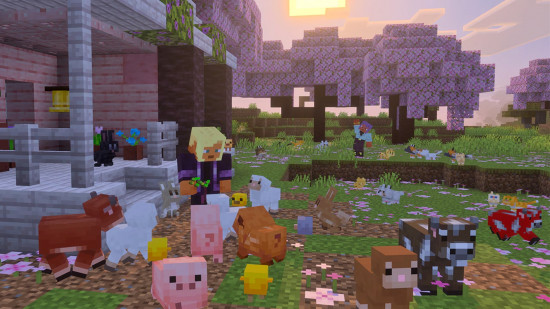
İşte yeni dünyalarda kullandığım ilerleme sırası, buna üç oyuncunun tam büyüye ulaşmak için yarıştığı küçük bir SMP'deki test sürüşümüz de dahil:
- 1. Adım: Kes ve pişir döngüsü. Kömür kazın, yemek veya taş pişirin, fırın XP'lerini biriktirip tek seferde toplayın.
- 2. Adım: Gökyüzü yüksekliğinde temel bir karanlık oda yaratık farmı, tek vuruşluk düşüş odasına giden basit bir su akıntısı.
- 3. Adım: Yedek XP ve gıda güvenliği için küçük bir tarım + hayvan döngüsü ekleyin.
İnsanlar fırın XP'siyle dalga geçiyor ama bu yöntem ilk birkaç büyüyü tahmin ettiğinizden daha hızlı hallediyor. Ardından temel düşman yaratık farmınız devreye girer. Mümkünse bunu gökyüzünün çok yukarısında veya bir okyanusun üzerinde tutun, yakındaki mağaraları aydınlatın ve canlanma platformuna çok yakın durmayın.
Peki trial chambers? Harika ganimetler, eğlenceli bir kaos ama amacınız saf verimlilikse dakika başına her zaman istikrarlı bir XP sağlamazlar. Sürekli farm temeliniz olmaktan ziyade, arada bir yapılacak hareketli bir aktivite olarak daha iyidirler.
Java ve Bedrock gerçeklik kontrolü
Java genellikle daha sıkı canlanma optimizasyonu ile size daha tutarlı bir klasik farm davranışı sunar. Aslında Bedrock da iyi çalışabilir, ancak bu her dünya tohumu ve simülasyon mesafesi kombinasyonu için tam olarak doğru değildir. Bedrock'ın canlanma davranışı daha seçici gelebilir, bu nedenle kopyalanan Java düzenleri uyarlanmadığı sürece genellikle düşük performans gösterir. Önce kreatif modda test edin, ardından kaynaklarınızı harcayın.
Sizi oyundan soğutmayan orta oyun ve AFK farmları
Burası çoğu dünyanın ya uçuşa geçtiği ya da terk edildiği yerdir. Demiriniz var, belki yakında elytra'nız olacak, düzgün ekipmanlarınız var ve kötü tasarımları yeniden inşa etmek için hiç sabrınız yok. Bu yüzden başka işler yaparken açık bırakabileceğiniz farmlar inşa edin, ardından XP'leri kontrollü şekillerde toplayın.
Kullanışlı bir orta oyun listesi:
- Canlandırıcı farmı (eğer bir zombi veya iskelet canlandırıcısı bulduysanız): İstikrarlı XP, kolay bakım.
- Otomatik fırın XP bankası: Kaktüs, yosun veya madenleri eritin, ardından birikmiş XP ödemesi için fırınlardan manuel olarak toplayın.
- Köylü ticaret merkezi: Yenilenebilir XP ve ekipman ilerlemesi için kütüphaneciler, okçular, zırhçılar ve rahipler.
Köylü ticareti, sadece gösterişli kesim odalarına önem veren oyuncular tarafından hafife alınıyor. Üstelik ihtiyaç anında XP, tamir kitapları, zümrüt ekonomisi ve kaçınılmaz olan "o Enderman'e kesinlikle bakmadım" anlarından sonra yedek ekipman sağlar.
Seviye kasarken temalı bir üs yapıyorsanız, bu durum karakter görünümlerini değiştirmek ve işleri daha az tekrarlı tutmak için iyi bir bahanedir. Oyuncuların köylü merkezi tasarımlarında kırsal bir ticaret estetiği için Farmer Minecraft Skin for villager hall builds kullandığını, ardından devasa buğday ve havuç döngüleri yaparken tarla rolü yapmak için Macdonaldsfarmer Minecraft Skin for crop station roleplay görünümüne geçtiğini gördüm. Aptalca mı? Biraz. Uzun AFK seanslarını daha az sıkıcı kılıyor mu? Kesinlikle.
Ufak bir parantez: Köylülerinize isim vermek moralleri yükseltir. Eski sunucumuzda "Mendrick" ve "Vergi Memuru" üç baskından sağ kurtulmayı başardı ve bu durum bir şekilde ticaret merkezini ulusal bir anıt gibi korumamı sağladı.
Akılalmaz seviyeler için oyun sonu minecraft xp farmı 1.21 tasarımları
End'e ulaştığınızda ve düzgün malzemeleriniz olduğunda, Enderman farmı çoğu oyuncu için hâlâ kraldır. Verimine kıyasla ucuzdur, anlaşılması kolaydır ve iyi bir canlanma engellemesiyle çok büyük ölçeklere ulaşır. Ana adanın kenarından 128+ blok uzağa inşa edin, bir Endermite yem sistemi kullanın, tek vuruşluk bir platforma yönlendirin ve kendinize güvenmiyorsanız kurulumu yaparken oyulmuş balkabağı takın.
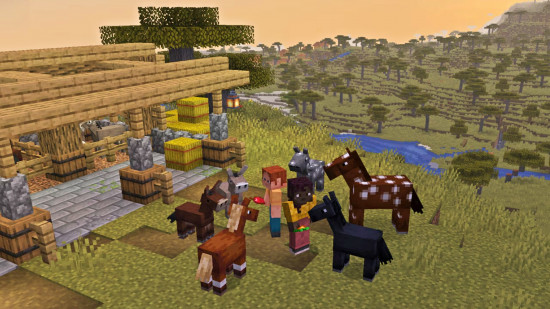
Altın farmları da diğer devasa seçenektir. Harika XP, tonlarca altın ve güçlü piglin takası sinerjisi sunar. Ancak bakımları daha gürültülü olabilir, bazı sunucularda chunk sınırlarına karşı hassastır ve bir parçası bozulduğunda sorun gidermesi daha sinir bozucudur.
Guardian farmları, özellikle prizmarin de gerekiyorsa doğru inşa edildiğinde inanılmazdır. Yine de kurulum zahmeti gerçektir. Suyu boşaltmak ve tapınak hazırlığı yapmak ücretsiz mesai gibi hissettirebilir.
2026'da tek bir oyun sonu farmı seçecekseniz, kurulum karmaşıklığına olan toleransınıza göre seçim yapın:
- En iyi hız-maliyet oranı: Enderman farmı.
- En iyi çift amaçlı ekonomi: Takas istasyonlu altın farmı.
- En iyi uzun vadeli blok üretimi: Guardian farmı.
Çiftçilik yaparken tarz mı kazanmak istiyorsunuz? Oyuncuların yaratık farmı seanslarında NarutoSasuke1218 Minecraft Skin for mob-farm sessions gibi savaş temalı görünümler veya gece geç saatlerdeki XP koşularında ürkütücü bir farm estetiği için herobrine_121 Minecraft Skin for late-night XP runs kullandığı PvE ağırlıklı sunucular gördüm. Ve eğer kızıltaş odaklı optimizasyon yapıyorsanız, teknik üs projeleri için TATTO1210 Minecraft Skin for technical base projects bu havaya tam uyuyor.
Görünümler oranları değiştirir mi? Hayır. Altı saatlik bir inşa sürecini daha az yıpratıcı hale getirir mi? Yine hayır... ama aslında biraz evet.
XP oranlarınızı içten içe düşüren yaygın hatalar
Çoğu kötü farm gizemli hatalardan değil, sıkıcı nedenlerden dolayı başarısız olur. Neredeyse hepsini tek bir geçişte düzeltebilirsiniz:

- Canlanma engellemesi eksik: Yakındaki mağaralar, çatılar ve çıkıntılar yaratık sınırını doldurur.
- AFK noktası yanlış: Canlanma platformlarına çok yakın veya çok uzak.
- Varlık birikmesi veya yol tıkanıklığı: Yaratıklar gruplanır ve öldürme bölgesine akışı durdurur.
- Toplama tasarımı güvensiz: XP toplarken ölürsünüz, sonra farmın kötü olduğunu söylersiniz.
- Sürümler arası kopyala-yapıştır: Değişiklik yapılmadan Bedrock'a uygulanan Java rehberleri.
Ben farmları şu sırayla test ederim: Canlanma kontrolü, ölüm odası akışı, AFK mesafesi ve ardından depolama taşması. Bunu tersten yapmak saatler kaybettirir. Ve yapıyı sıfırdan yeniden yazmadan önce simülasyon mesafenizi veya sunucu görüş mesafenizi kontrol edin.
Bir şey daha, tamir işleyişini göz ardı etmeyin. Büyük miktarda XP veren ancak yakınında kullanışlı bir örs, bileme taşı veya tamir döngüsü olmayan bir farm, günlük kullanımda yine de hantal hissettirecektir.
2026 için sürüm notları ve 1.21 farmlarının hâlâ çalışmasının nedeni
Minecraft artık sık sık temalı güncellemelere yöneldi. Bu da insanların her güncellemede paniklemesine ve farmların bittiğini varsaymasına neden oluyor. Genellikle durum böyle değil. PCGamesN, üç aylık yayınlama döngüsü ve Mojang'ın son dönem ritmine uyan beklenen 1.26.1 zamanlaması hakkında haber yaptı. Bu önemli çünkü daha küçük güncellemeler her XP sistemini sıfırdan yeniden yazmak yerine içerik odağını ince ayarlarla değiştirmeye meyillidir.

Konsol performans bağlamı da önemlidir. The Loadout, Mojang'ın PS5 yerel sürüm planlarını ele aldı ve platform performans iyileştirmeleri, mekanikler değişmese bile farmların daha akıcı hissettirmesini sağlayabilir. Daha iyi kare hızları ve kararlılık, yaratık sınırını sihirle artırmaz ancak pratik farm seanslarınızı daha az takılmalı hale getirir.
Yani evet, temel kurallara göre inşa ederseniz minecraft xp farmı 1.21 tasarımları 2026'da hâlâ geçerlidir: Canlanma kuralları, güvenli toplama ve platforma özel ayarlamalar.
Önce akıllıca inşa edin. İkinci olarak optimize edin. Üçüncü olarak ekran görüntülerini paylaşın.

Lead writer at minecraft.how. Long-time Minecraft player running a small SMP server, testing every build, mod, and seed before writing about it.
Sıkça Sorulan Sorular
Hayatta kalma modunda inşa edilmesi en kolay Minecraft 1.21 XP farmı hangisidir?
Enderman farmı 2026'da hâlâ en hızlı XP yöntemi mi?
Java ve Bedrock için farklı XP farmı tasarımları mı gerekiyor?
Köylü ticareti, XP için yaratık farmlarının yerini alabilir mi?
XP farmım neden neredeyse hiç yaratık üretmiyor?
Have a Question or Tip about this Guide?Community Q&A
Ask a question or help other players below. Join the discussion and share your Minecraft tips!
Yorumlar
Henüz yorum yok. Düşüncelerinizi paylaşan ilk kişi olun!