Building a Dappled Forest Base Without Destroying It
The Dappled Forest is gorgeous. There's no getting around it. These new biomes Mojang added in the recent update showcase some of the prettiest vanilla terrain I've seen in years, and the temptation is always there to just clear-cut everything and build your dream base. Don't do that. I'm serious. There's actually a smarter way to work with the landscape instead of against it.
I spent a weekend testing this on my server. Built three different bases in the same biome, each one respecting the trees differently. Real talk, by the time I was done, the successful one didn't look like it had been "built" so much as "discovered." That's the goal here.
What Makes the Dappled Forest Worth Preserving
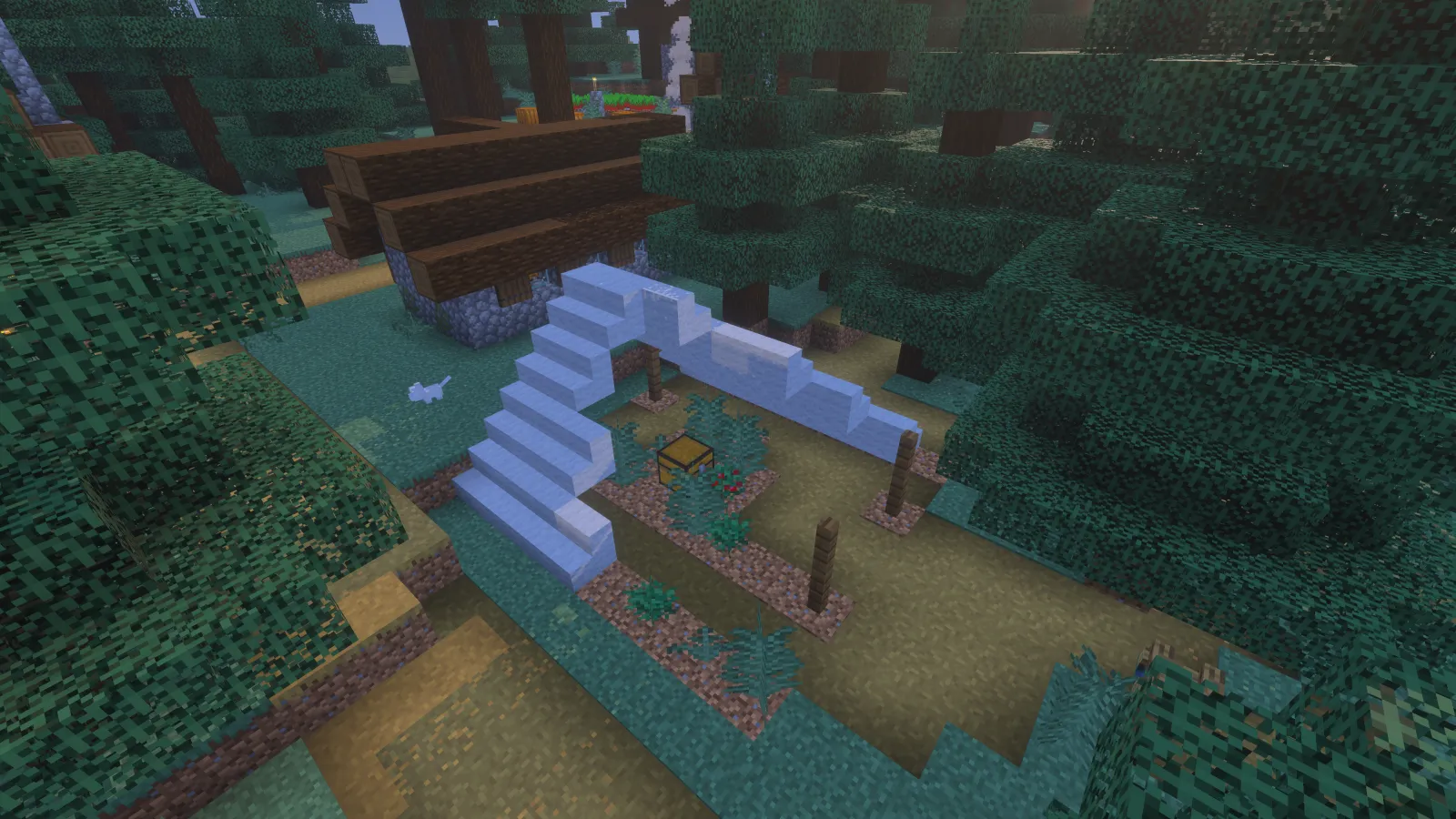
The Dappled Forest isn't just another pretty biome. But this mix of oak and birch trees creates natural depth. Flowers cluster in ways that actually feel intentional. There's this soft, almost storybook quality to the whole thing that falls apart the second you start mining out massive terraces for your base.
PCGamesN reported that Mojang added this biome alongside new building materials specifically designed to work with it. We've got Poplar Wood now, plus Wool Stairs and Slabs that integrate beautifully with the existing palette. Even the Shelf Mushrooms add character (they're bouncy too, which is weirdly fun).
So here's my take: the blocks Mojang made for this update weren't accidents. They're hints about how you should actually build here.
Building Around the Trees, Not Over Them
This is where most people go wrong. They see a nice flat area and immediately think "base here, trees gone." What actually works is the opposite direction.
Start by walking the biome without mining anything. Seriously. Just explore. Look for natural clearings that already exist. You'll find spots between trees, small meadows, areas where the terrain creates alcoves. These are your real estate.
If you find the perfect spot but there's one tree in the way, fine. Take that tree. But if your ideal base location needs more than 15-20 trees removed, pick a different spot. Your future self will appreciate it when you're actually living there and not looking at a scarred landscape.
I tested building a small cottage-style base by using existing tree clusters as natural privacy walls. The three birch trees to the south became a windbreak. This oaks to the north created shade. No terraforming required. And it sounds obvious when I write it out, but in practice most builders don't think this way.
New Blocks That Fit
Here's where the recent Minecraft 26.2 update becomes useful beyond just "new stuff to craft."

Poplar Wood is the sleeper hit. It doesn't scream "new biome materials," but if you mix it with the natural oak and birch, it slots in perfectly. The grain is distinct enough to add visual interest without clashing. I'd use it as trim or accent walls if you're worried about overdoing it.
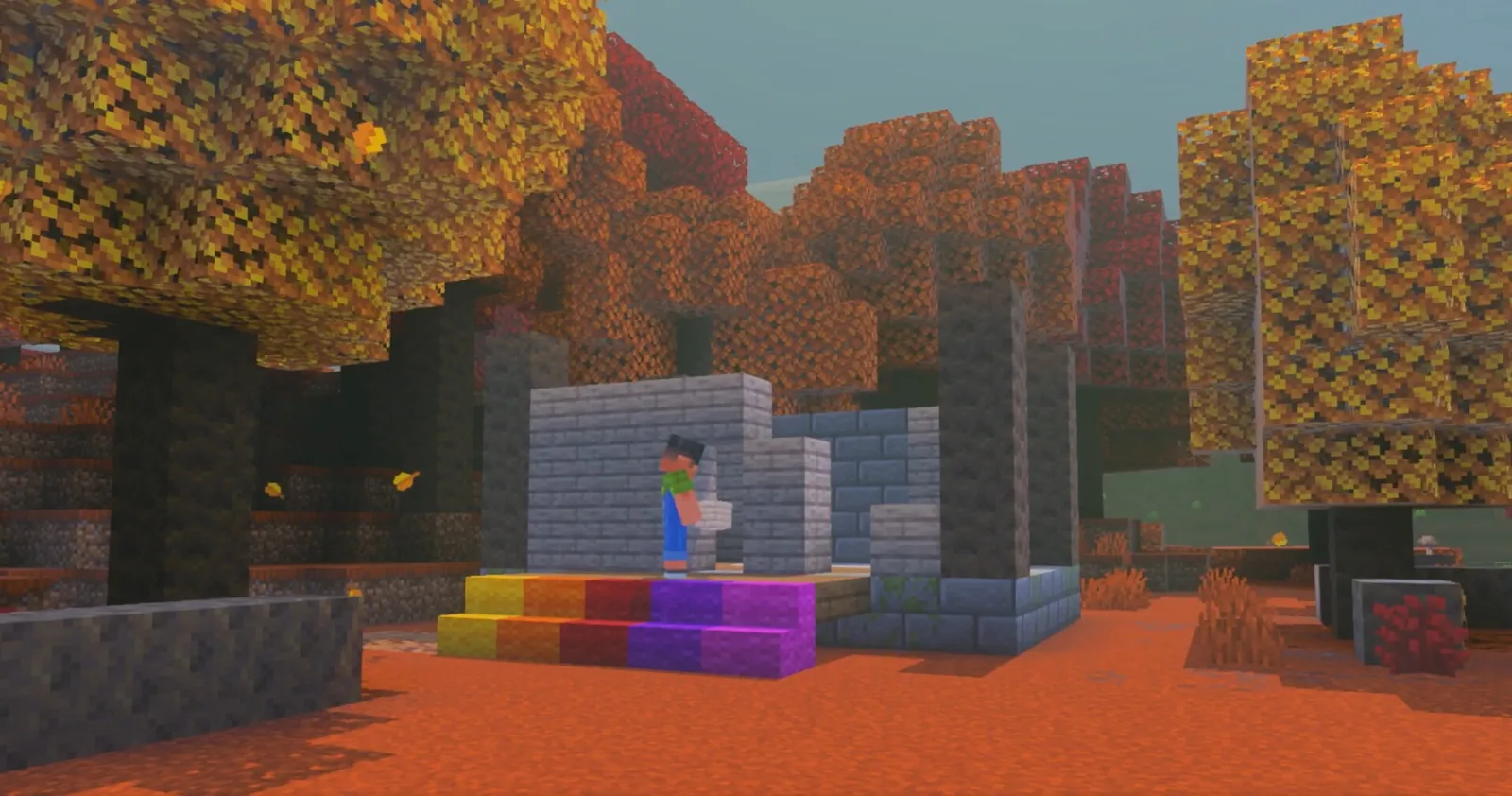
Wool Stairs and Slabs opened up possibilities I wasn't expecting. They soften edges. A roofline that would normally look harsh in stone or wood becomes almost cozy with wool elements. Plus, wool's already got color options, so you can match your base's theme.
Shelf Mushrooms are weird and wonderful. Okay, they're technically bouncy blocks, but functionally they work as visual breaks. Build a mushroom garden between your base and the forest edge. It's decorative and it creates a natural buffer zone.
Layout Strategy Without Clearing
The key to preservation is vertical thinking. Taller isn't always better, but it is smarter. Your base footprint should be smaller than you think is necessary.
Build upward. Build into hillsides. Use the terrain itself as part of your structure. If there's a slope, use it. Stone and wood can blend with height in ways that flat sprawling bases can't. A two-story cottage tucked into a gentle hill reads as "part of the biome" rather than "somebody's fort planted here."
One more thing: consider splitting your base into smaller buildings rather than one large structure. A main house, a workshop, storage building scattered through the clearing. This breaks up the visual impact and you can position each building to work around existing trees rather than against them.
A Specific Example
I built a test base last week. Main cottage roughly 12x14 blocks, positioned to keep three oak trees standing to its left. Small workshop 8x8, separate structure about 12 blocks to the south. Storage and animal pen tucked against the eastern forest edge.
The whole thing required clearing maybe 800 square blocks of surface area across a much larger footprint. If I'd done conventional base-building, I would've cleared triple that. The final result still felt open, still had sight lines, still let me build what I wanted. But it also looked like it belonged there.
Practical Details That Make a Difference
Use fencing strategically. Fencing doesn't require wood blocks but it still defines space. A fence line around your property edge keeps it feeling intentional without requiring mass deforestation.

Plant intentionally. The Dappled Forest's existing flora is beautiful, yeah, but don't be afraid to add more. Extra flowers, shrubs, grass. You're not destroying the biome's character, you're extending it. This fills the gap where your base is.
Consider leaving some areas totally wild. You don't need to develop every part of your property. A small grove of untouched forest right next to your house actually makes your build look better by contrast. It proves you could've cleared it but didn't.
The rules on your server matter. If you're playing multiplayer, make sure your guidelines protect the biome. We use the Whitelist Creator on our server, which helps manage access, but a simple rule like "don't clear more than your building's footprint" goes a long way. Document it, enforce it consistently, and the whole area stays beautiful.
For aesthetic inspiration, look through our community's collection of custom Minecraft skins. Sounds unrelated, but the people who build thoughtfully in forest biomes usually customize their player appearance too. It's all part of the philosophy: intentionality matters.
Why This Matters
You could absolutely crater the Dappled Forest and build whatever fortress you want. Vanilla Minecraft doesn't punish you for it. But there's something genuinely satisfying about working with the landscape instead of conquering it.
The Dappled Forest is new enough that it still has character. Build respectfully now, and in a month when everyone's got a base there, yours will stand out because it actually fits. That's worth the extra planning.

Lead writer at minecraft.how. Long-time Minecraft player running a small SMP server, testing every build, mod, and seed before writing about it.
Frequently Asked Questions
Can I completely avoid cutting any trees when building in the Dappled Forest?
What's the best block palette for blending with the Dappled Forest?
Should I build above ground or underground to minimize damage to the Dappled Forest?
How do I protect a Dappled Forest biome on a multiplayer server?
What's the minimum amount of space I need to clear for a functional base?
Have a Question or Tip about this Guide?Community Q&A
Ask a question or help other players below. Join the discussion and share your Minecraft tips!