
Copper is one of Minecraft's most versatile building materials, prized for its striking orange appearance and unique oxidation mechanic that lets you customize how it looks over time. It's useful both decoratively and functionally (hello, lightning rods), making it worth understanding properly.
Where to Find Copper and How to Mine It
Copper ore shows up in most Minecraft biomes between Y-level -16 and 112. You'll find it spawning pretty frequently, honestly more than you'd probably want on my SMP server (we had some strip mining sessions that turned into copper dumps). It comes in clusters that are generally larger than most ore types, which is actually convenient for gathering.
To mine it, you need a stone pickaxe or better. Grab a wood or gold pickaxe and you'll just get the dust animation without actually collecting anything (yeah, I learned that one early on a friend's server). Once you've got the right pickaxe, you'll get the raw copper item that you can then process.
Raw copper blocks exist too if you're building and want the unprepared version. Most players just smelt their raw copper in a furnace to get actual copper ingots. Smelting takes about 10 minutes per ingot, which is standard for most ore smelting (same as iron, basically). A single ore block gives you one raw copper, and one raw copper yields one ingot after smelting. Pretty straightforward ratio, no wasting materials.
Pro tip: if you're on a server or in a world where you're building extensively with copper, stockpile it early. You'll need more than you think once you start committing to copper roofs or copper trim on structures.
Understanding Copper's Oxidation States
Here's where copper gets interesting. Unlike most blocks that stay the same forever, copper oxidizes over time in a natural weathering process. This isn't a bug or something you've to prevent (well, unless you want to). It's actually the main reason people use copper so much for building - it creates this gradual, organic aesthetic that feels alive.
Copper goes through four distinct oxidation stages as it ages:
- Fresh copper - that bright, vibrant orange color when you first place it or mine it
- Exposed copper - develops a slightly darker, uneven tone as it starts oxidizing and weathering begins
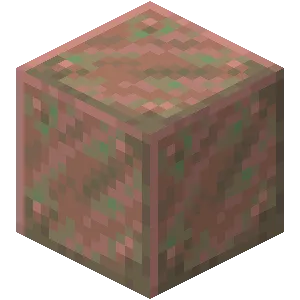
- Weathered copper - becomes a lovely turquoise-green color with visible patina
- Oxidized copper - fully green, like old pennies that have sat around for centuries in a collection
The oxidation happens gradually in game, not instantly when you place the block. If you place a copper block and come back a few Minecraft days later, you'll notice it's started changing. Eventually it'll reach that full green oxidation. On a regular survival world, expect the full progression to take quite a while overall (we're talking weeks of playtime, not hours). It's subtle and rewarding if you're patient.
Each stage also has a "cut" variant for copper stairs and slabs, giving you even more visual variety. You get different looks at each oxidation level, which is brilliant for builders who want to create aged, weathered structures or intentionally mix colors for a specific theme. Some builds look better with that fresh orange, others shine in full green, and plenty look incredible as a gradient across all four stages.
Copper Blocks and Decorative Building
Copper is honestly one of the best decorative materials in vanilla Minecraft right now, and I'm not exaggerating. The color progression alone makes it special, but there's more flexibility than that.
You can craft copper blocks, stairs, slabs, and trapdoors. All of these come in each oxidation stage, giving you incredible flexibility for any aesthetic. Trapdoors especially work great for copper because they give you that thin, refined look that works for decorative accents on buildings.
Mixing oxidation stages creates depth and visual interest that's hard to achieve with other materials. I've seen builders use fresh copper with weathered copper to create striped patterns that look intentional rather than naturally aged over time. You can also cut stairs and slabs at different angles, which adds even more variation to your palette. Look, try building a whole wall with a gradient from fresh to oxidized - it's harder than it sounds to get it to look genuinely good, but when it does work, it's absolutely stunning.
Raw copper blocks serve a purpose too. They're darker and denser looking than the regular copper blocks, useful when you want something that feels heavier or more industrial in appearance. Combine them with oxidized copper for a nice contrast between the orange-brown of raw copper and the deep green of oxidized.
Copper doors and trapdoors are particularly useful for detailing. They can add character to builds that would otherwise feel flat. Imagine a big wooden structure with copper trim and doors - the warmth of the wood against the cooling tones of oxidizing copper creates something visually interesting. I've also seen people use copper blocks as kitchen fixtures and appliances on servers, which works surprisingly well if you're creative about it.
Lightning Rods and Practical Uses
Okay, so copper isn't just for looks. Lightning rods are genuinely useful blocks that do an actual job in your world beyond decoration.
A lightning rod protects a 32-block radius sphere around it from lightning strikes, diverting that lightning to the rod itself instead of striking randomly around it. If you're building something valuable near a tall structure (or in plains biomes where lightning hits way too often), planting a few lightning rods around it's smart survival strategy. They're made from copper ingots stacked vertically, and they come in that fresh orange color by default.
The rods don't need to be waxed if you don't care about their appearance, but since they oxidize just like any copper block, you'll probably want to decide early whether you're going for a fresh look or letting them age naturally. Some builders use the oxidation stages to visually distinguish between active and inactive rods in more complex redstone setups, which is pretty creative thinking.
On multiplayer servers where weather can wreck your builds unexpectedly, lightning rods become actual infrastructure investment. If you're running a big project, especially something tall like a tower or beacon structure, you want protection. That's where lightning rods earn their place beyond just looking cool. Check out our Minecraft Server Status Checker to find communities where protecting your builds matters most.
Waxing Copper to Stop Oxidation
If you want to keep copper at a specific oxidation stage, waxing is your solution. You'll need honeycomb (drops from beehives when you harvest them with a silk touch pick or just break them), or you can use waxed copper items if you're being resourceful.
Just apply honeycomb to a copper block with a right-click and it locks in at that stage. No more oxidation.
It won't change colors, won't progress, stays exactly as it was. This is crucial if you're building something and want consistency throughout the project.
Actually, I should clarify here: the waxing itself doesn't reverse oxidation. If you've already got oxidized copper and you wax it, you're stuck with oxidized copper forever (or until you remove the wax with an axe). If you want to lock in that gorgeous turquoise stage, you need to wax it at the weathered stage before it goes full oxidized. Plan ahead if you care about getting a specific color.
You can remove wax from copper using an axe - just hit it and the wax pops off, allowing oxidation to resume from that stage. This means you can wax copper at one stage, then unwax it later to let it continue oxidizing to the next stage. It's got practical applications for specific builds where you want staged color changes without waiting weeks for natural progression.
One last thing: browse our skin gallery if you want a copper-themed character to match your copper builds. Might be overkill, but the aesthetic consistency is nice when you're grinding for materials.