Taming Nautilus in Minecraft: Breeding Guide
You can't tame Nautilus like wolves or cats in Minecraft, but you can breed and farm them for their valuable shells. Here's how to find these elusive sea creatures in warm oceans, breed them with sea grass, and set up an efficient nautilus shell farm in version 26.2.
What Exactly Are Nautilus?
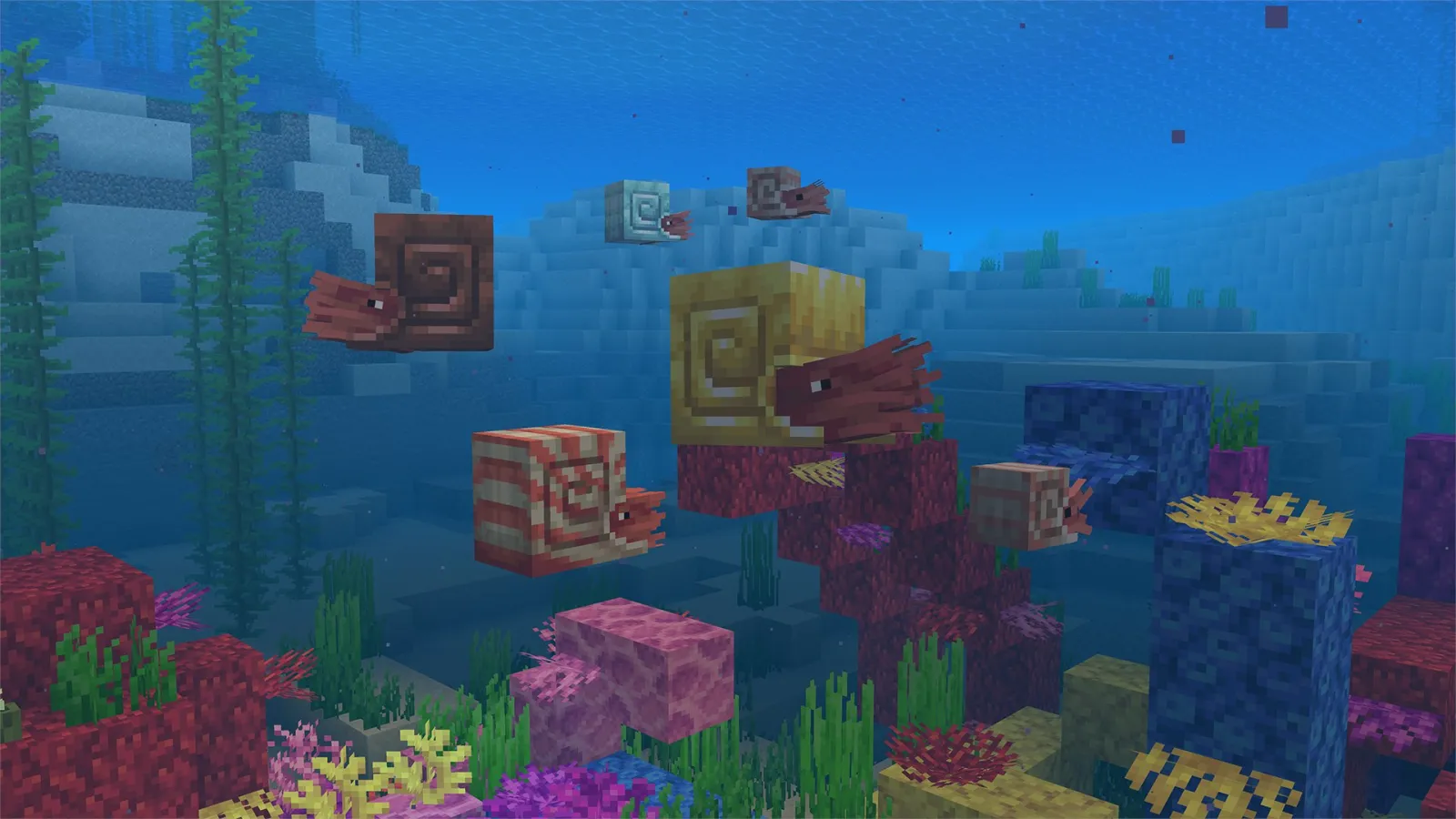
Nautilus are passive mobs that live exclusively in warm ocean biomes. They're small, spiral-shelled creatures with tentacles - think of them as the underwater equivalent of rabbits or axolotls. They were added in the Aquatic Update way back when and honestly haven't needed much tweaking since then.
Here's the thing that confuses most players: they search for "how to tame nautilus" because they expect the same mechanics as wolves or cats. The answer? They can't be tamed in that traditional sense. You can't right-click them with anything and claim ownership. What you can do is breed them, which gets you the actual item everyone wants - nautilus shells.
Nautilus shells are the entire reason anyone bothers with these mobs.
Where to Find Nautilus in the Wild
Nautilus spawn exclusively in warm ocean biomes. You'll find them floating around in loose groups, typically at Y-levels between 0 and 64. The biome temperature matters completely - they won't appear in cold or lukewarm oceans no matter how hard you search. I've wasted way too much time in the wrong biome to tell you this confidently.
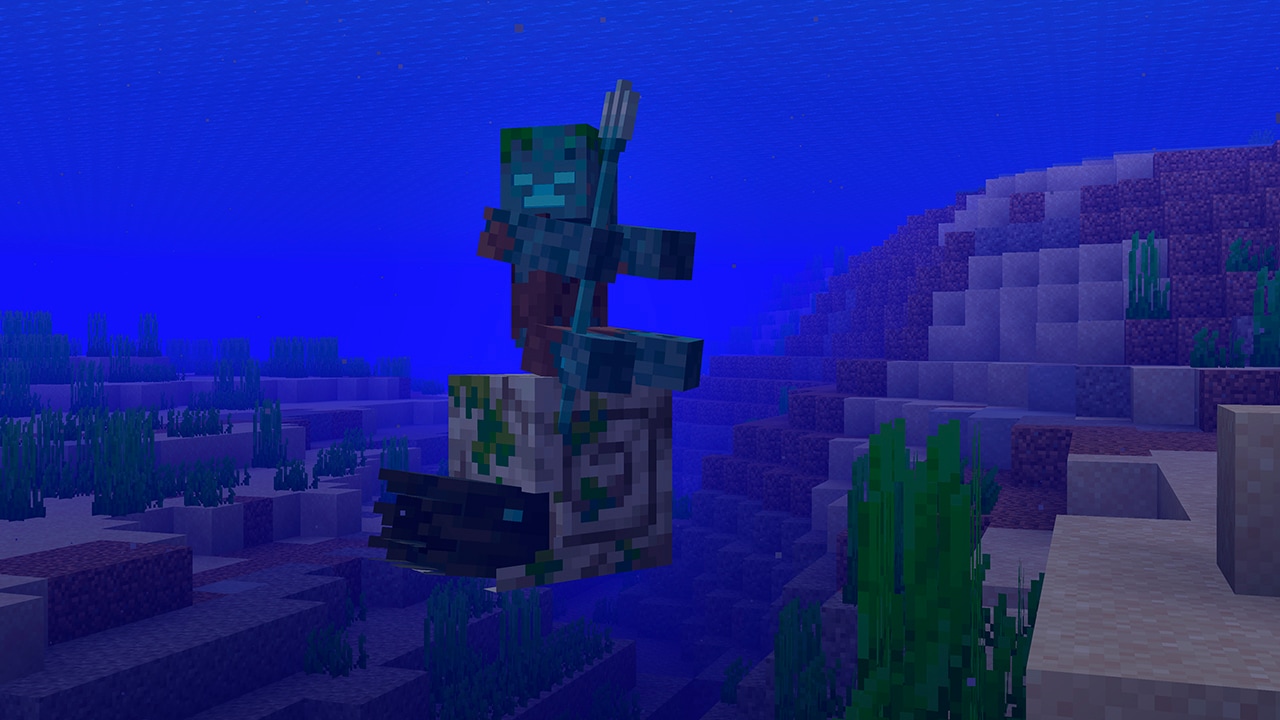
Finding the right ocean biome is half the battle. If you're struggling to locate warm ocean blocks nearby, you can use our Minecraft Block Search tool to identify ocean biome blocks in your area and navigate to the right location faster. It saves serious time when you're exploring unfamiliar terrain.
They spawn about as frequently as axolotls or tropical fish, so expect to check multiple ocean areas before finding a good population. Swimming around at night in warm oceans gives you better visibility. Build a quick observation tower or platform so you can scan large water areas without constantly diving. Another practical tip: bring building blocks to create waypoints or shelters while exploring. It makes the whole process less tedious.
Breeding Nautilus - The Core Mechanic
Breeding nautilus is straightforward once you've collected at least two of them. The key item is sea grass - that's it. You can either harvest sea grass naturally found in ocean biomes (they grow on sand or dirt underwater) or cultivate your own by placing sea grass blocks in shallow water. Once you've sea grass ready, approach two Nautilus and feed one, then feed the second. They'll breed instantly and produce a baby nautilus plus 1-7 experience points.
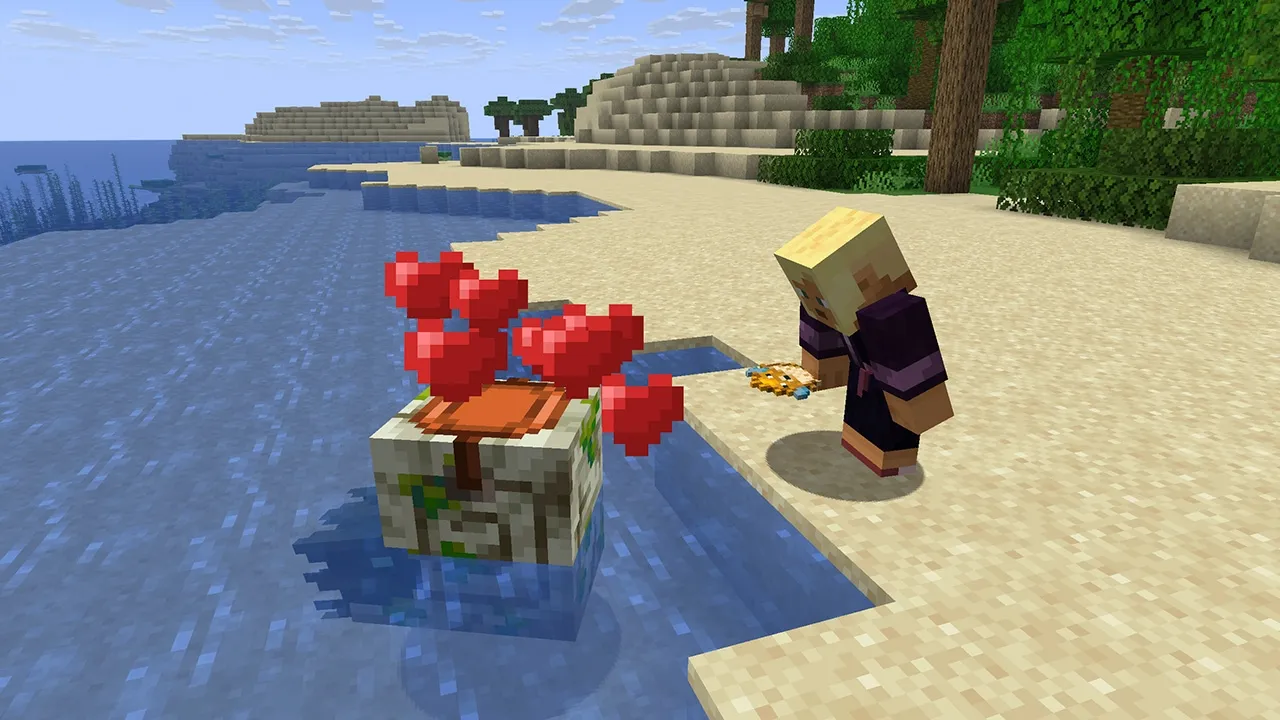
No special rituals or conditions needed. Just sea grass, proximity, and hope.
The breeding cooldown is approximately 5 minutes per pair, so if you're building any kind of farm operation, having multiple breeding pairs dramatically increases your production rate. Baby Nautilus take about 20 minutes to mature into adults that can breed themselves. Keep your breeding setup simple - a water pool with sea grass distributed throughout and enough open space for babies to roam without being cramped. Overcrowding actually reduces breeding rates, so more space is always better.
Building an Efficient Nautilus Shell Farm
If you want consistent shell drops for multiple players or regular supply, a farm is absolutely worth building. I constructed one on my SMP that's frankly overengineered with multiple layers and automatic collection systems. Look, here's a much simpler version that still produces plenty: create a large water pool - think at least 25x25 blocks - in a warm ocean biome (or build an artificial warm ocean if you prefer). Stock it with 20-30 nautilus by hand, which is tedious but necessary. Place sea grass liberally throughout the pool and set up water currents or hopper systems to channel dropped shells toward collection points.
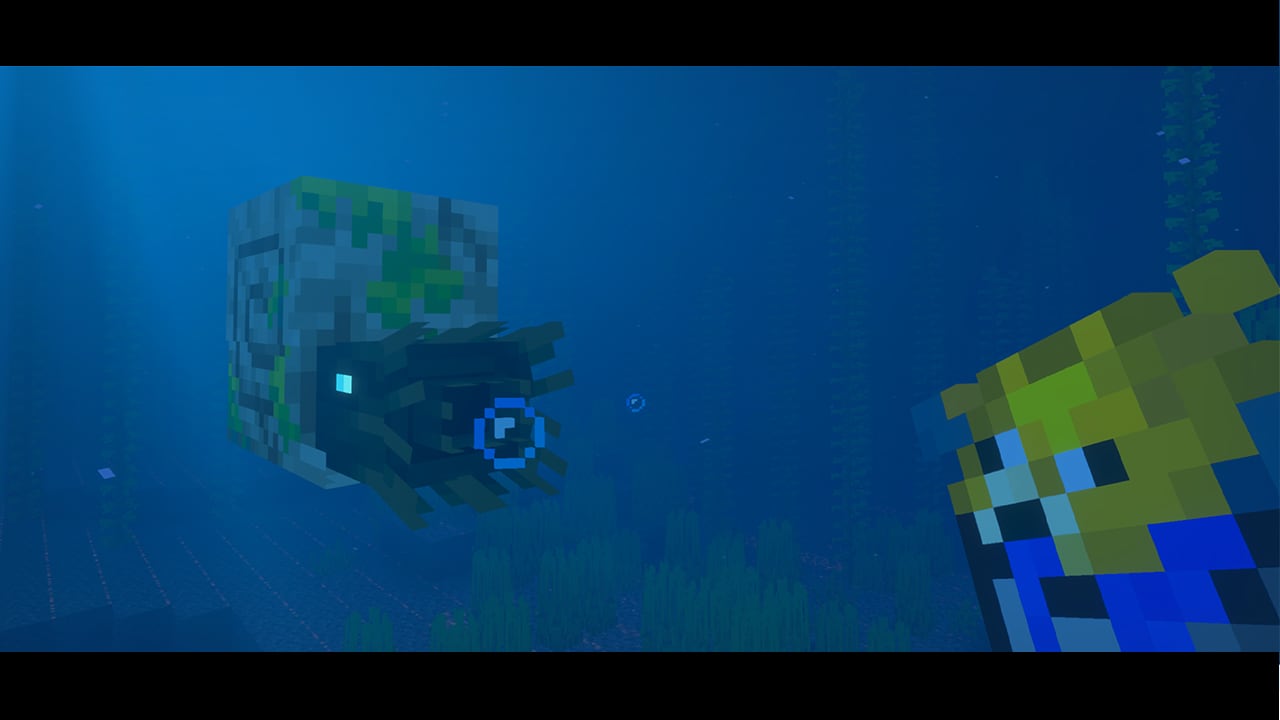
The real challenge isn't the farm design - it's getting enough nautilus to stock it initially. Here's what actually works: don't try to do this in one session. Spend 20-30 minutes each day collecting a few nautilus from the wild, move them to a separate breeding tank, let them breed for a day or two, then transfer the baby nautilus to your main farm. After 3-4 weeks of consistent effort, you'll have a self-sustaining system that produces thousands of shells. It requires patience more than skill.
Even a completely manual operation - where you hand-feed nautilus periodically and collect drops manually - produces decent results. Some players on our server list, like CraftMC, actually prefer lower-tech solutions for aesthetic reasons. The point is that shell production doesn't require crazy engineering.
What Nautilus Shells Are Used For
Nautilus shells have one primary purpose in vanilla Minecraft: crafting Nautilus armor trims. They're the exclusive ingredient for this specific trim pattern, making them functionally valuable for players who care about armor customization. The trim applies to helmets, chestplates, leggings, and boots, so a single shell farm can supply multiple players for extended periods.
Beyond armor trims, shells work fine for decoration or trading with villagers, but honestly, the trim is what drives demand. If you're running a multiplayer server and want to keep players engaged with gear customization options, a nautilus shell farm becomes a critical server resource. If you're setting up a custom server and want to inform players about your farm locations or server rules, our Minecraft MOTD Creator lets you design professional-looking server messages that catch attention when players connect.
Common Problems and How to Fix Them
Nautilus sometimes seem to disappear from farms, but it's usually one of three things: either they're dying from block updates or suffocation, the farm is overcrowded and they've stopped breeding, or hostile mobs have killed them. Lighting helps protect them from hostile spawns, even though they're peaceful mobs themselves. Make sure your farm has adequate depth and width - cramped conditions kill breeding rates instantly.
Another issue is sea grass sustainability. Don't just rely on naturally generated grass - actually cultivate it in your farm. Place dirt or sand blocks, add water, and let sea grass grow. This ensures you never run out and can scale up production without hunting for new supplies constantly.
Is the Effort Worth It?
Honestly, farming nautilus isn't the most exciting Minecraft activity. Finding them takes real time, breeding them is passive waiting, and shell collecting feels tedious after the first hundred shells. But once you've a reliable shell supply, you unlock armor customization that most vanilla players skip entirely.
And that's actually worth the time investment.

Lead writer at minecraft.how. Long-time Minecraft player running a small SMP server, testing every build, mod, and seed before writing about it.