Minecraft Guide Collection: Complete Guide for 2026

A solid Minecraft guide collection isn't luxury anymore - it's survival. Between vanilla changes, mod compatibility updates, and console versions shipping natively this year, having curated resources on hand separates players who know what they're doing from those just stumbling through. Here's what actually matters right now.
What Should Be in Your Collection?
Start by asking yourself what you actually play. Building? Survival? Multiplayer on servers? The guides that matter for hardcore PvP aren't the same ones for creative building, and trying to keep everything generic is just noise.
Your core collection should've: a current survival guide (updated for the latest version patches), resource management tips, building technique references, and honestly, at least a few mod guides even if you don't mod yet. Things change fast. Last year's "best practices" might be obsolete by summer.
And then there's the weird stuff you don't think about until you need it. Redstone logic. Farm optimization. Mob spawning mechanics. Entity cramming. These aren't flashy topics, but when you're trying to figure out why your design doesn't work, they become essential.
Survival and Building Foundations
The vanilla game is honestly richer than people give it credit for. Most new players skip straight to mods, but understanding what vanilla Minecraft offers first saves frustration later.

Survival guides worth having cover:
- Early-game resource gathering and tool progression (this changes with each major update)
- Biome navigation and where to find specific materials
- Food farming and health management in different difficulty modes
- Mining patterns and ore distribution at various Y-levels
- Combat mechanics if you're venturing into the Nether or End
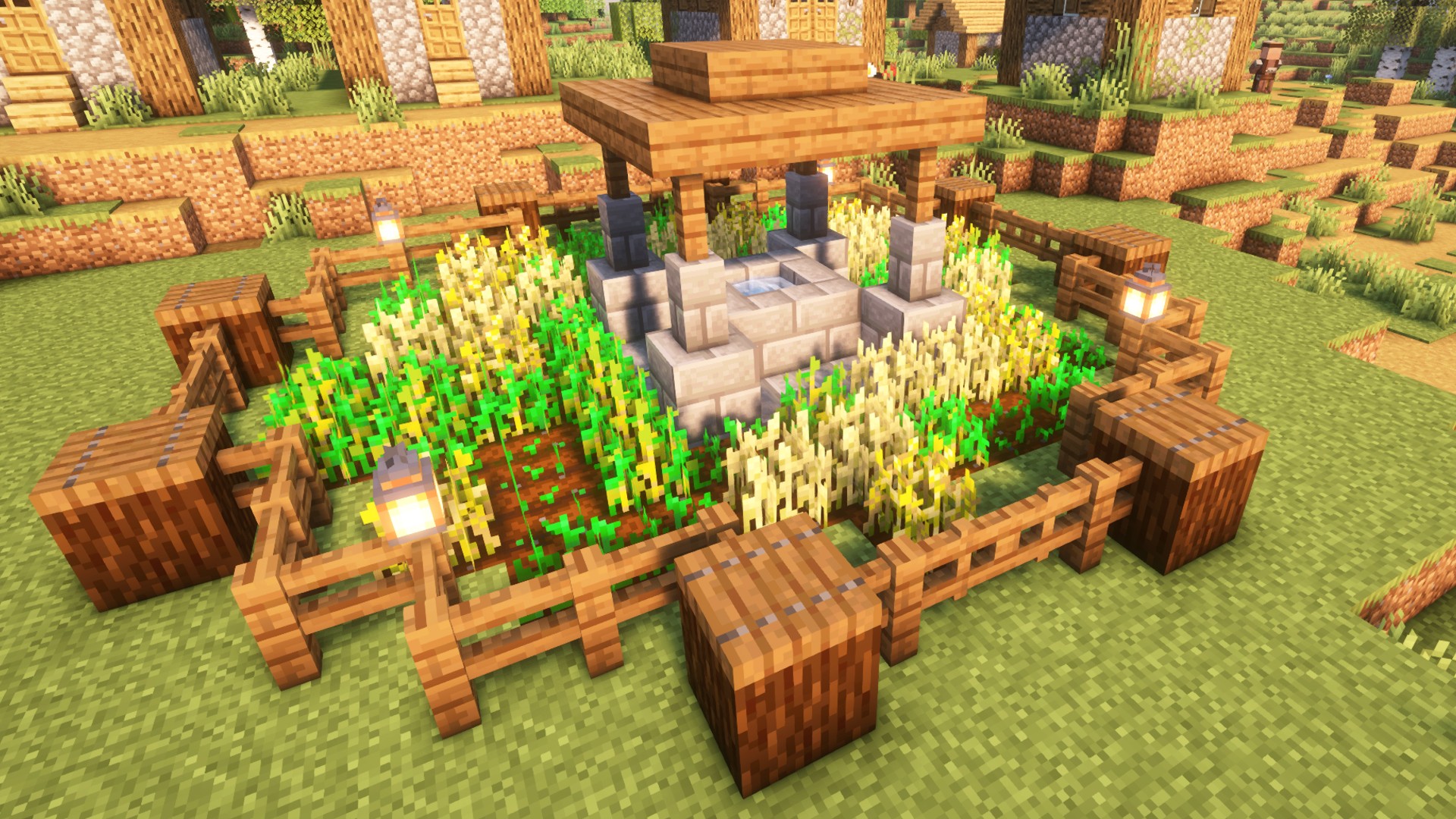
Building guides are trickier because aesthetics are subjective. But mechanics-focused guides matter: how to use slabs and stairs for clean lines, terraforming approaches that don't look flat, custom tree designs that feel organic. The technical side of building is what separates "that's nice" from "wait, how did you do that?"
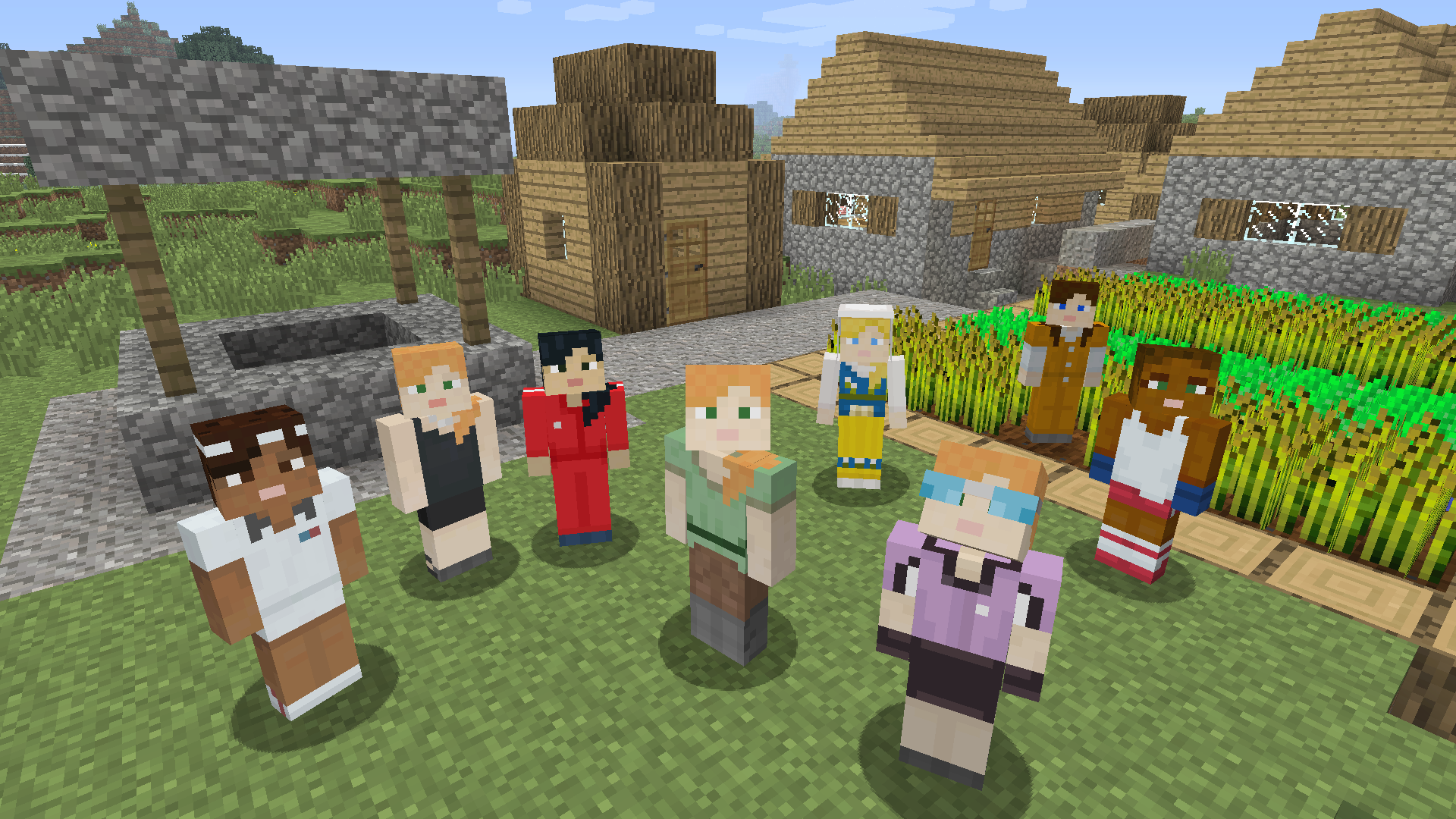
One thing people often overlook - skin guides. Yeah, visual customization isn't gameplay, but it ties into how players express themselves. If you're looking for inspiration on creating or using skins, the CarrotCollection skin is worth studying for its detail work.
Modding and Performance Guides
Here's where things accelerate in 2026.
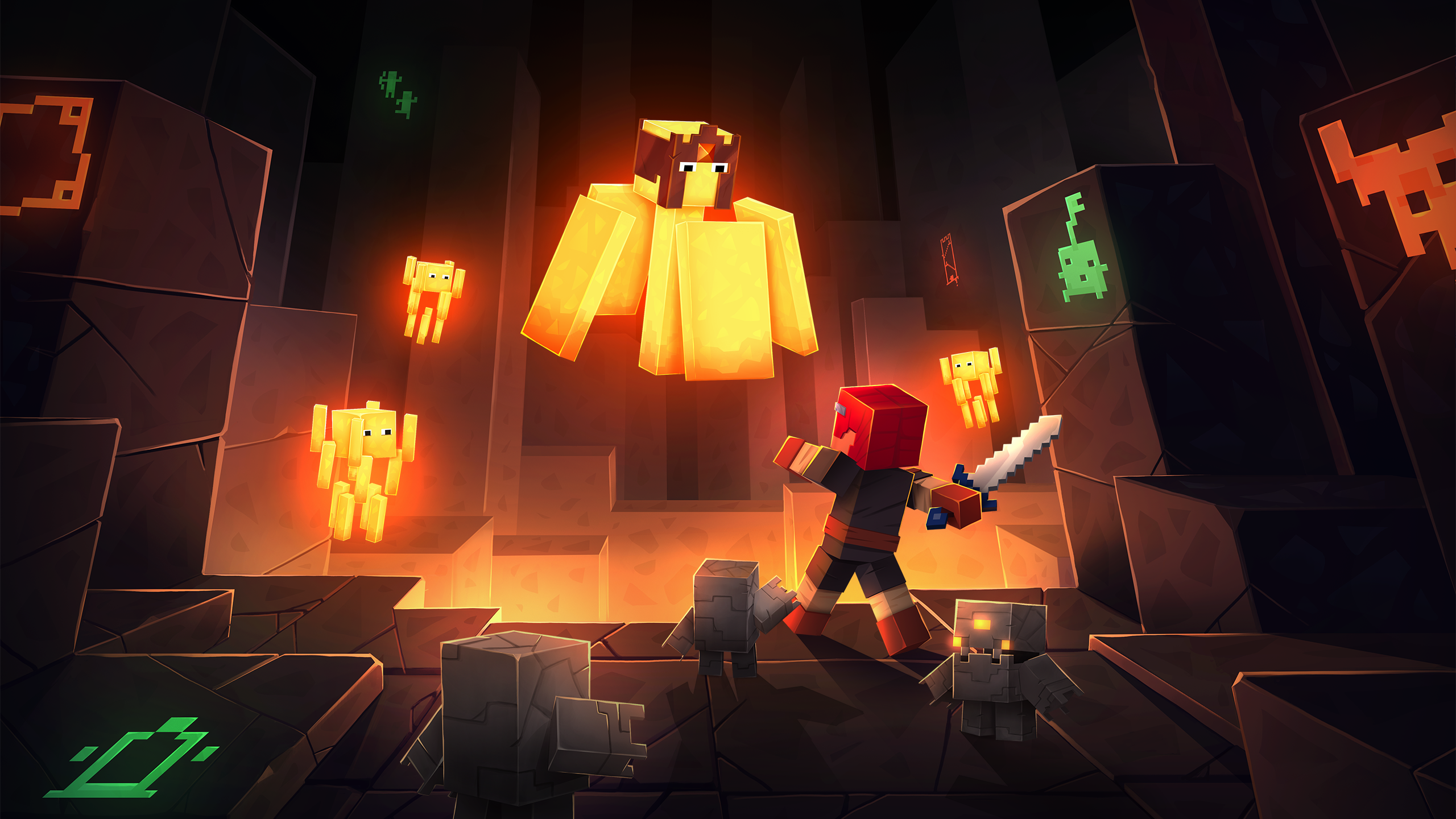
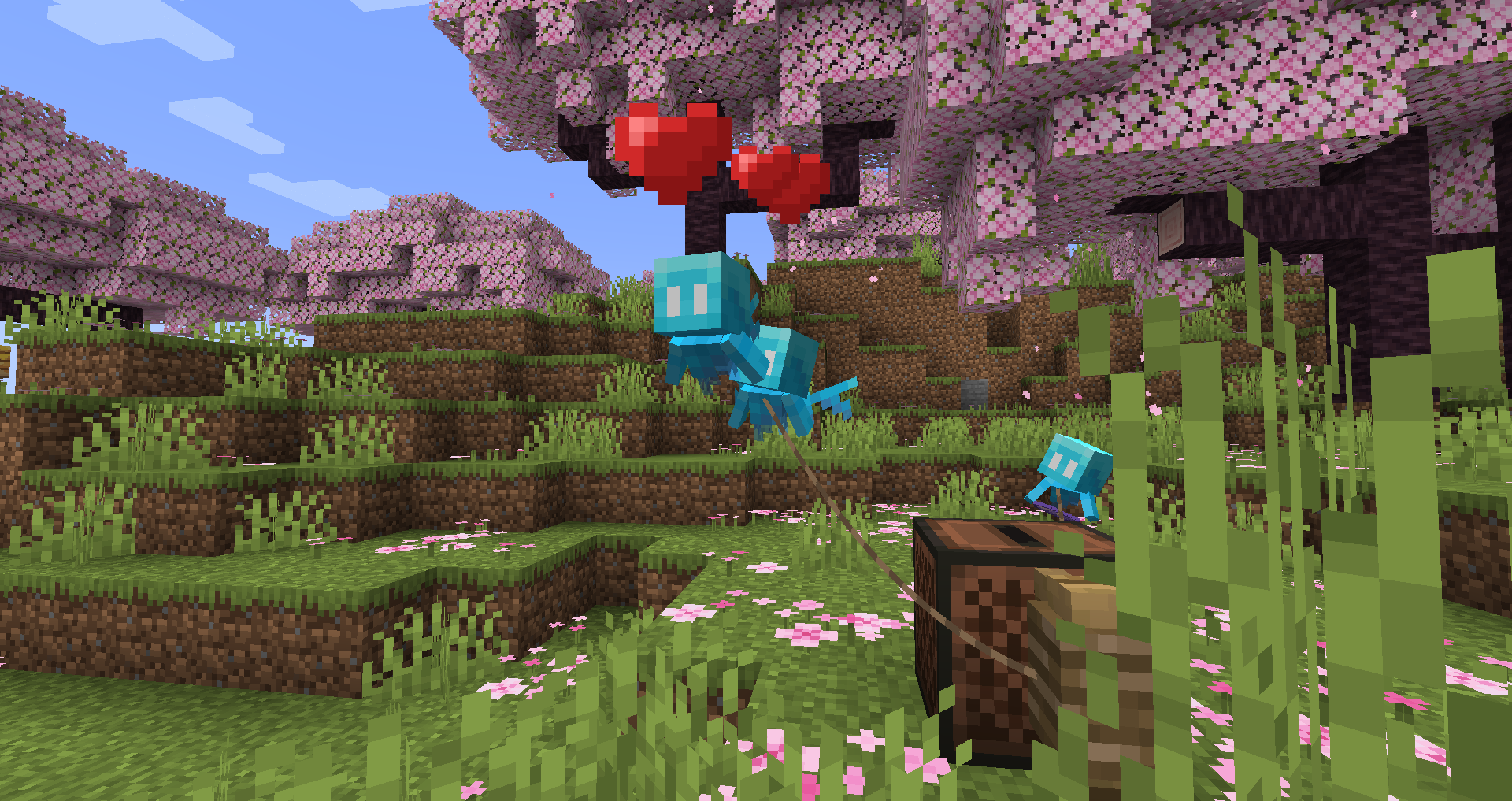
The modding ecosystem exploded over the past few years. Massive modpacks like Quark have become so customizable that players can cherry-pick exactly which features they want - vertical slabs, new building blocks, automated systems, Bedrock parity features, new mobs, biomes, tools, whatever. It's not a take-it-or-leave-it situation anymore. You're genuinely building your own mod experience.
Collections like All the Mods 10 represent another approach: throwing together hundreds of compatible mods that work together. Performance takes a hit, but some players want maximum content over optimization.
Your guide collection here should include:
- How to identify which modpacks match your playstyle
- Common compatibility issues and how to debug them
- Performance optimization tweaks (render distance, lighting, particle settings)
- Shader pack recommendations and their performance impact
- Texture pack installation and the right resolution for your hardware
Performance guides matter more this year. With native PS5 support rolling out and Xbox continuing 60fps improvements, the bar for what smooth gameplay looks like is rising across platforms. Even on PC, knowing the difference between a Sodium install and vanilla rendering can mean the difference between playable and slideshow.
Technical Knowledge Worth Keeping
Server administration. Redstone automation. Command scripting. These aren't casual topics.

If you're running a multiplayer server or playing on someone else's, understand how the backend works. Tick rates, server.properties optimization, how bans and whitelist management function. Server guides aren't fun reading, but when your server's running at 5 TPS instead of 20, you'll be grateful you have them.
Redstone gets its own category because the game doesn't teach it well. Minecraft's wiki has solid technical documentation, but it reads like a manual. Better guides explain the logic behind circuits before diving into specific designs. Knowing why something works beats memorizing that this pattern creates that output.
Command guides matter too if you're running custom content or managing a server. Summon syntax, scoreboard mechanics, advancement triggering - these tools are powerful but the learning curve is steep without decent references.
Specialized Resources Most Players Miss
Mining guide? Obvious. But what about the stuff that gets buried?
Enchantment optimization guides are weirdly underrated. Most players just slap Efficiency, Unbreaking, and Mending on tools without thinking about the mechanics. There's actual strategy in enchantment prioritization depending on what you're using the tool for.
Potion brewing guides usually get overlooked too. You don't need potions for casual survival, so new players skip them entirely. But specific brewing chains - like using different ingredients to modify potion effects - open up whole strategies for exploration and combat.
Speedrun guides. Even if you're not trying to beat the game in under 10 minutes, speedrun routing teaches you the absolute fastest way through the progression. That's useful context even for casual play.
And honestly, keep some lore guides in the collection. Minecraft storytelling is subtle - written in structures, in biome distribution, in the progression itself. Understanding that context makes the world feel less random.
Building and Organizing Your Collection
Don't just bookmark everything.
Create a system. Whether that's a spreadsheet, a wiki you maintain, or a Discord server where you dump links with notes - organize by category and update frequency. Some guides age like wine, others like milk. Flag which is which.
Cross-reference. When a building guide mentions a mod that could solve the same problem, link between them. When survival tips contradict (they'll, because things change), make a note about which version they apply to.
Version matters. Minecraft updates several times a year now. A guide for 1.20 might still apply to 1.21, but structural changes break guides quickly. Always timestamp your collection items and mark when they were last verified.
Mix video and text guides. Video is great for visual learners and step-by-step tutorials. Text is searchable and better for quick reference. You'll want both.
One last thing - don't hoard. A bloated collection of 500 guides you've never read is useless. Start focused on your actual playstyle, add intentionally, and revisit annually to prune what you're not using. Quality beats quantity every time.