Minecraft Sound Design: New Audio Added in 2026
Minecraft's sound design got a serious refresh in 2026
Minecraft added significant audio improvements this year, ranging from subtle biome ambience to completely reworked mob sounds. Some changes hit harder than others, but even the quiet upgrades matter if you've spent thousands of hours listening to the same cave drip.
The big ambient sound overhaul
Here's what actually changed: every biome now has layered, context-aware ambient sounds. Lush caves don't just sound wet anymore, they sound alive. You'll hear dripping water echo differently in dripstone caverns versus regular caves. Deep dark ambience became more oppressive (in a good way). And the Nether? Genuinely unsettling now instead of just repetitive.
The caves got the most attention, which makes sense. We spend more time down there than anywhere else. Mojang apparently listened to feedback about how the same three ambient tracks were driving people to mute the game.
Sound design in 2026 finally acknowledged that biome context matters.
Mob sounds: what sounds different
New mobs got new sounds (obviously), but that's not the interesting part. What's interesting is they remixed existing mob audio. The warden's audio cues got more granular. Creepers now have a subtle background frequency before they explode, which gives you an extra half-second to react if you're paying attention. Drowned don't all sound identical anymore.
Honestly, some of these changes feel subtle until you play without them. Then you realize how much you'd gotten used to the samey audio landscape. Endermen sound more distinctly alien. Phantoms actually sound tired and damaged when they swoop at you, which is a nice touch I didn't expect to care about.
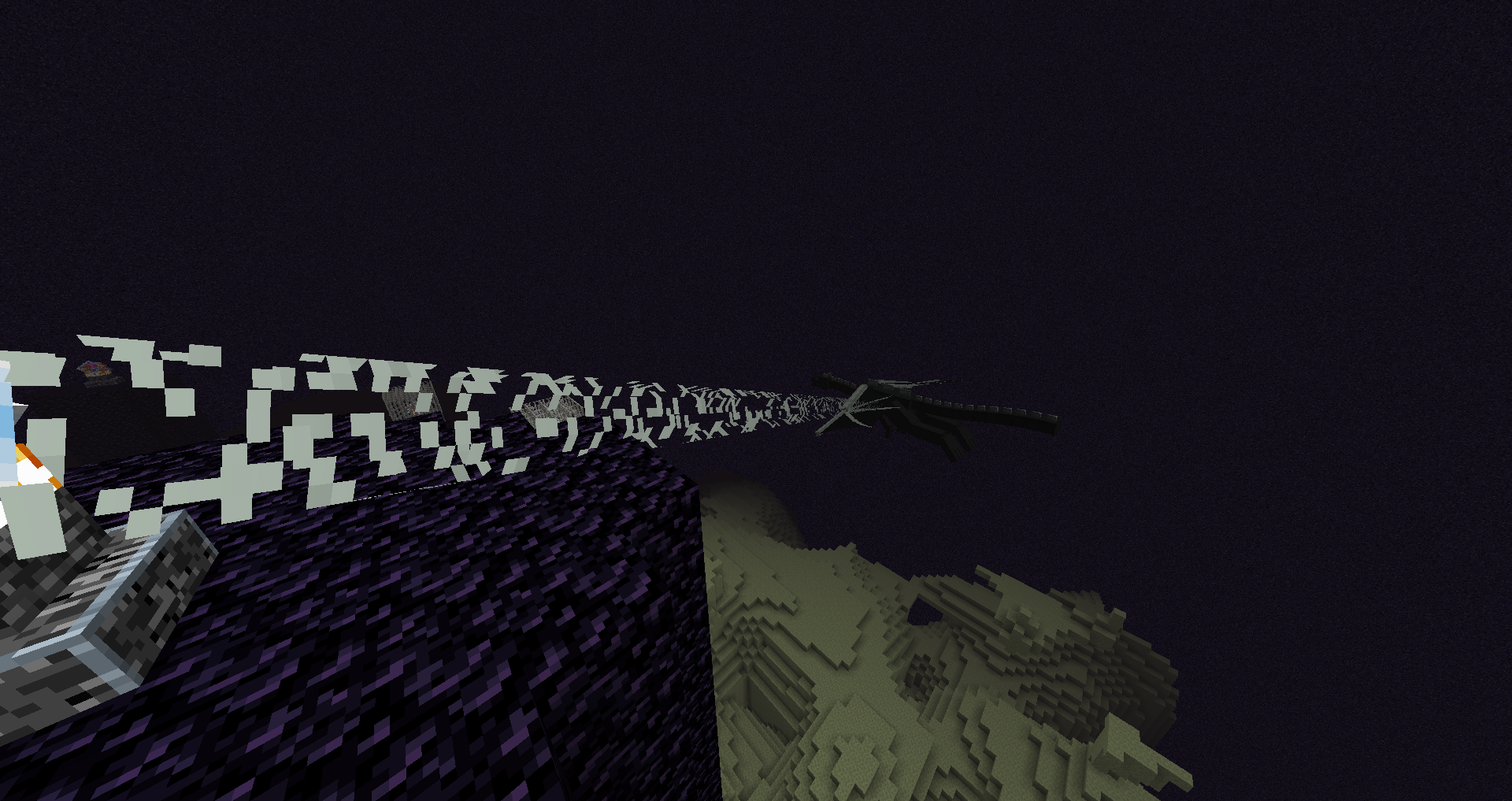
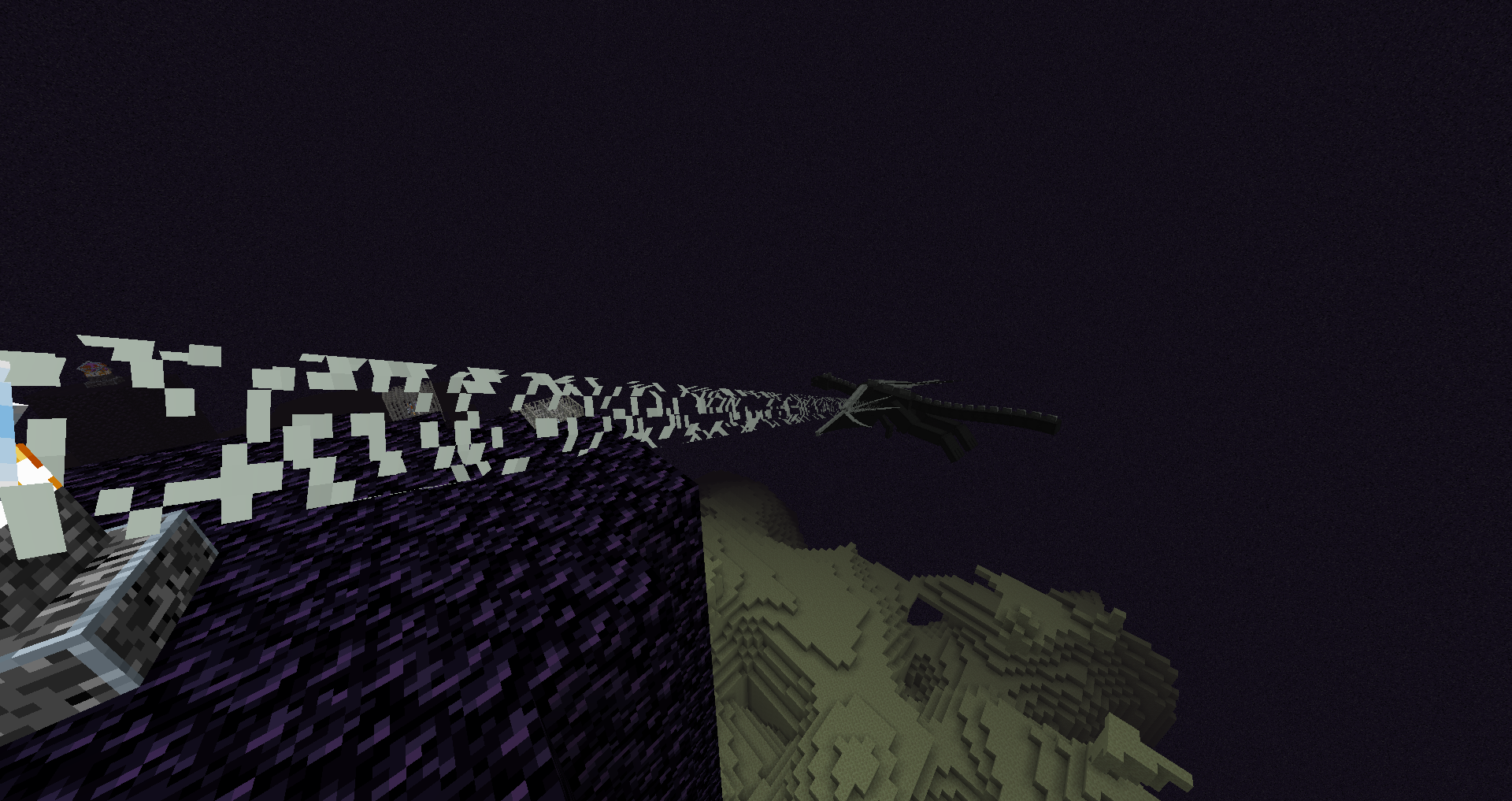
The Ender Dragon's final death sound changed too. Here's the thing, won't spoil it, but it hits different.
Java vs. Bedrock parity finally matters
For the first time, Mojang actually synced audio between editions. If you've bounced between Java and Bedrock, you've probably noticed they sound completely different. That gap closed this year. Bedrock got a bunch of Java's ambient sounds, and Java got some Bedrock-exclusive feedback audio that actually improves gameplay (like better footstep variation on different blocks).
This shouldn't be controversial, but it apparently was. People are weird about which edition sounds "better." Turns out they both sound good when they're not fighting each other.
Block sounds and footsteps got personal
Walking across different block types now produces genuinely varied footsteps. Copper oxidizes sonically. Packed mud squelches. Sculk blocks have that creepy whisper sound that escalates when you're near the warden. You can actually navigate dark caves partly by ear now, which is either neat or terrifying depending on your tolerance for horror elements.
If you're running a vanilla server or just playing solo survival, this changes how you experience the landscape. The audio becomes another layer of world-building instead of background noise.
One caveat: all this audio processing does add a tiny bit of lag on older systems. Nothing dramatic, but if you're running Minecraft on a potato, you might want to dial back sound processing in settings. Haven't noticed it on anything from the last five years, though.
Music disc upgrades and new tracks
New music discs exist now. They're sparse by design, which actually works in their favor. When you find one, it feels like a real discovery instead of another jukebox track. The new compositions fit specific moods: one for building, one for exploration, one that's weirdly energetic for combat scenarios.
The original tracks got remastered too. Higher quality encoding, better mixing. If you've been listening to "Sweden" on loop since 2009, you'll notice the difference immediately.
Settings and customization expanded
Sound sliders got more granular. You can now adjust biome ambience separately from mob sounds, which sounds nerdy but is genuinely useful. Some players want cave sounds but not the low-frequency rumble. Now they can have that. Another option lets you customize how loud water ambience gets, since apparently that was driving people bonkers.
The UI for audio settings is actually organized now instead of being an incomprehensible wall of sliders. Small win.
What this means for your servers and builds
If you're running a multiplayer server, the audio updates hit everyone simultaneously. That means everyone's experiencing the same soundscape. For atmosphere-heavy builds (think horror maps or cinematic projects), this year's improvements genuinely help. Use the free Minecraft DNS tools to optimize your server's regional latency while you're at it, since audio consistency depends on everyone hearing cues at the right moment.
Adventure maps benefit heavily from the new sound design. Puzzle maps that rely on audio cues become viable in ways they weren't before. Exploration maps feel less repetitive when biomes actually sound distinct.
And if you're the type to build elaborate portal setups, the Nether portal ambience has been updated to feel more intentional. Not essential knowledge, but if you're planning a portal calculator for transport networks, you'll at least be listening to improved audio while testing routes.
Is it worth paying attention to?
Sound design is one of those things that reveals itself gradually. You won't notice it all at once. You'll be mining, and you'll suddenly realize the dripping sounds are creating actual spatial awareness. Or you'll hear a mob and know exactly which direction it came from without turning. That's when you'll appreciate this year's work.
For casual players, it's a nice quality-of-life upgrade. For atmosphere-focused players, it's a real enhancement. For competitive players? Honestly irrelevant. You've probably muted Minecraft anyway to hear Discord.
The changes feel like Mojang finally took audio seriously instead of treating it as an afterthought. That matters.

Lead writer at minecraft.how. Long-time Minecraft player running a small SMP server, testing every build, mod, and seed before writing about it.