Minecraft Warden Drops: A Complete 2026 Guide

The Warden drops sculk catalysts, sculk sensors, and sculk shriekers when defeated in Minecraft. These sculk-based items let you replicate the deep dark biome elsewhere, craft advanced redstone contraptions, or just decorate with the game's spookiest blocks.
What the Warden Drops
Here's the thing about the Warden: it doesn't drop equipment or weapons. Instead, when you kill one, you get the sculk blocks that literally define the deep dark ecosystem. Specifically, it drops sculk catalysts, sculk sensors, and sculk shriekers. All three. You'll also get experience orbs (usually around 5 orbs), but the sculk items are the actual treasure.
The amounts are pretty generous. You're not getting just one of each block; you get a full stack or close to it, making it worthwhile to hunt them down if you want to build with sculk or set up vibration-detection redstone farms.
And this is important: sculk items have no other source in vanilla survival mode. You can't craft them. Most players can't find them naturally outside the deep dark. Most players can't trade for them. If you want these blocks on your base (and you probably do, because they look amazing), you need to deal with the Warden. That's the entire point of the design.
Where to Find Wardens and How They Work
The deep dark generates deep underground, typically at Y-level -16 and below. You'll need a serious mine or a lot of patience to find one. But here's what most people get wrong: Wardens don't just spawn because you entered the biome. They spawn because you triggered them.
A Warden emerges when you activate a sculk shrieker by walking near it or hitting it with projectiles. The shrieker detects vibrations and eventually summons the Warden after a few activations. Trigger multiple shriekers in quick succession, and you can spawn multiple Wardens. This isn't a glitch; it's intentional design to make the deep dark actually dangerous.
The Warden itself is interesting mechanically. It's basically blind and deaf at first. You can crouch-walk through the deep dark without triggering anything if you're careful. Step on wool to reduce vibrations. Place wool on the ground to muffle footsteps. But if you plan to actually kill the thing, you're going to make noise eventually.
Fighting vs. Trapping: Which Approach Works
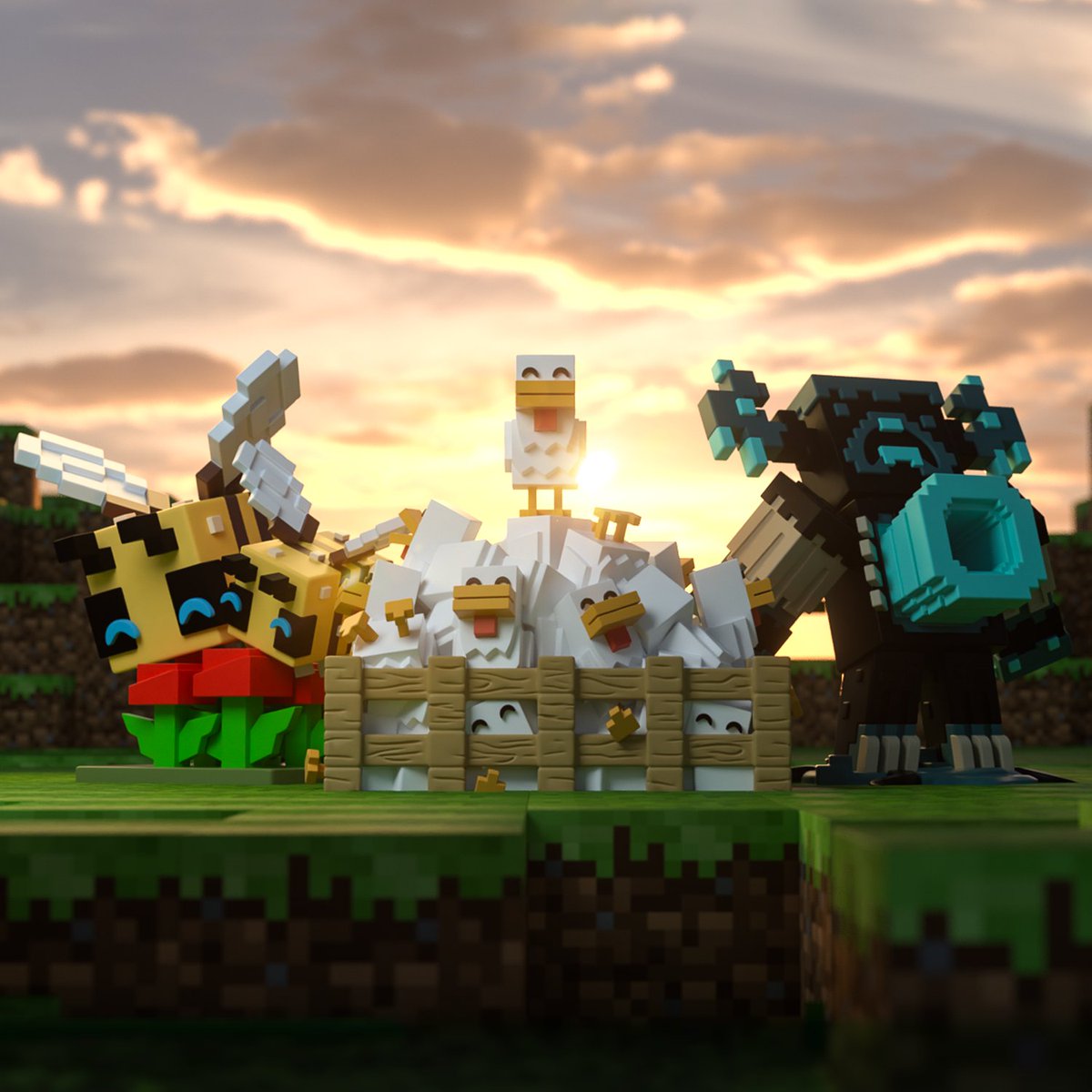
Wardens are legitimately one of the toughest mobs in the game. 250 health. 18 damage per hit (on Java). They can charge up a more powerful melee attack. You can't just walk up with your iron sword and expect a victory.
Direct combat is possible but brutal. You need healing potions (bring multiple stacks), strong armor, good weapons, and ideally some way to reduce the Warden's damage output. Crystal PvP tactics work here: strategically placed crystal explosions can deal environmental damage while keeping you safe. Keeping distance is essential. Never let it close the gap.
Poison damage is actually your best friend. Cave spiders deal poison, which doesn't trigger its healing. Poison potions work too. Wither effect is brutal as well. Anything that deals passive damage without you being in melee range helps level the playing field significantly.
Some players find it easier to skip direct combat entirely. Suffocation damage works fine. Dig a 2x2 hole in the ceiling, lure the Warden underneath, block it in from above. It suffocates. You get the drops. Not the most glorious victory, but you walk away alive.
Setting Up an Actual Farm
If you want consistent warden drops, you'll need a system. The most common approach involves building an arena with escape routes, triggering sculk shriekers from a distance using arrows or thrown projectiles, and handling the Warden on your terms.
The basic setup: underground chamber, sculk shriekers positioned strategically, redstone door or piston door for escape, healing station nearby, and enough space to kite around. Trigger the shrieker, let the Warden spawn, execute your strategy, collect the loot, repeat.
The whole process is tedious, honestly. If you want walls of sculk blocks, you're looking at multiple runs. Some builders have set up semi-automated farms that trigger shriekers and trap Wardens using pistons and redstone logic, but those are complex. Most players just do it manually. The efficiency of a manual farm depends entirely on your combat skill and your gear. With full Netherite and stacks of potions, you can farm pretty quickly. With diamond armor and no potions, you're going to die. Repeatedly.
What You Do With Sculk Blocks Once You Have Them
Sculk catalysts are mostly decorative (they're beautiful though). Place them where light filters through to create atmosphere. They're especially good as accent pieces in dark, moody builds.
Sculk shriekers have limited practical use. Their main function is summoning Wardens, which isn't what you want in your base. But you can disable the Warden summon mechanic and keep them for aesthetics. Some builders use them in spooky builds or horror-themed structures.
Sculk sensors are the real MVP. These things detect vibrations and emit a redstone signal. Mob detection farms, player proximity detectors, alarm systems, automatic doors that open when you approach... sculk sensors made all of that way easier. Late-game Minecraft automation is fundamentally different because of sculk sensors.
If you're building something sculk-themed, you've got options. Some players create full deep dark replicas on their bases. Others build around the aesthetic: dark walls, dark roofs, sculk accents, maybe a themed skin to match. Speaking of skins, if you're going all-in on the Warden theme, we've got some solid options. Wardenoftheend1 is a full-on Warden-inspired skin. WardenMan goes for a more grounded look. For something simpler, warden nails the minimalist approach. warden_guy brings casual vibes if you want something less intense. And MHF_warden is a solid default-style option for players who just want the theme without going full creature.
Why the Warden Matters
The Warden changed how Minecraft handles danger. Most mobs can be brute-forced if you have enough armor and healing. The Warden punishes that strategy. You can't just ignore vibrations and hope for the best. That design philosophy pushed the community toward actual strategy and caution.
The sculk system also created new redstone possibilities. Sculk sensors opened up late-game automation paths that weren't available before. Players who'd already completed most survival goals suddenly had new challenges and new building opportunities.
And culturally, the Warden's impact is huge. Speedrunners debate whether they should engage or avoid. Builders share sculk-heavy designs constantly. Horror creators love the deep dark's atmosphere. Minecraft's design philosophy of giving players options without forcing them into any specific path is on full display here.