Minecraft What's It? Full Guide for New and Returning Players

Minecraft is an open-world sandbox game where you gather resources, build anything you can imagine, survive monsters, and play your own way. In 2026, it's less about "winning" and more about choosing a style: peaceful builder, redstone engineer, explorer, speedrunner, or total chaos gremlin with friends.
Minecraft what is it, really?
If you're searching "minecraft what is it," here's the plain answer: it's a block-based sandbox where almost every goal is self-made. You can treat it like survival adventure, digital Lego, farming simulator, architecture lab, or weird social hangout where someone always sets the house on fire "by accident."
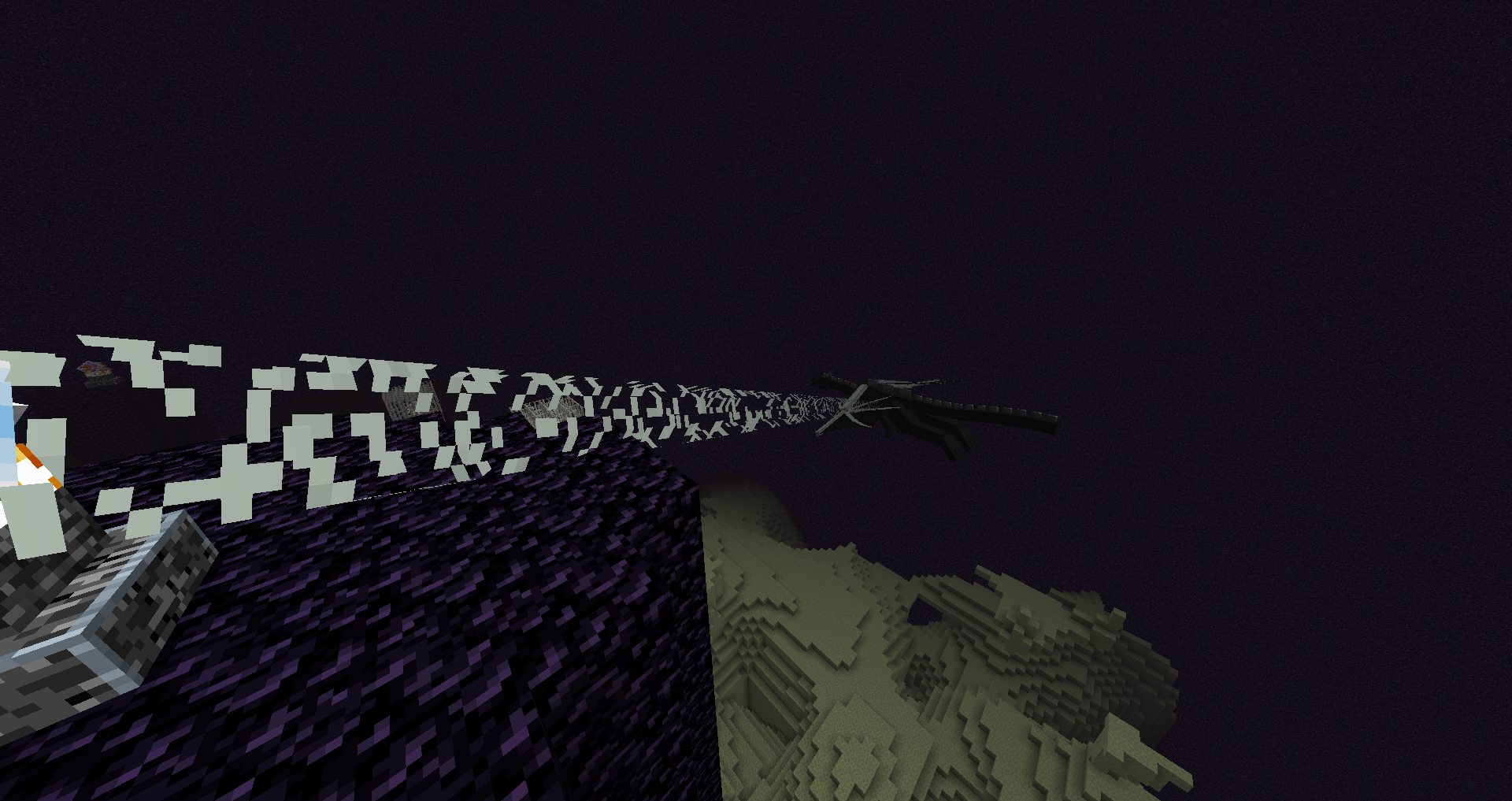
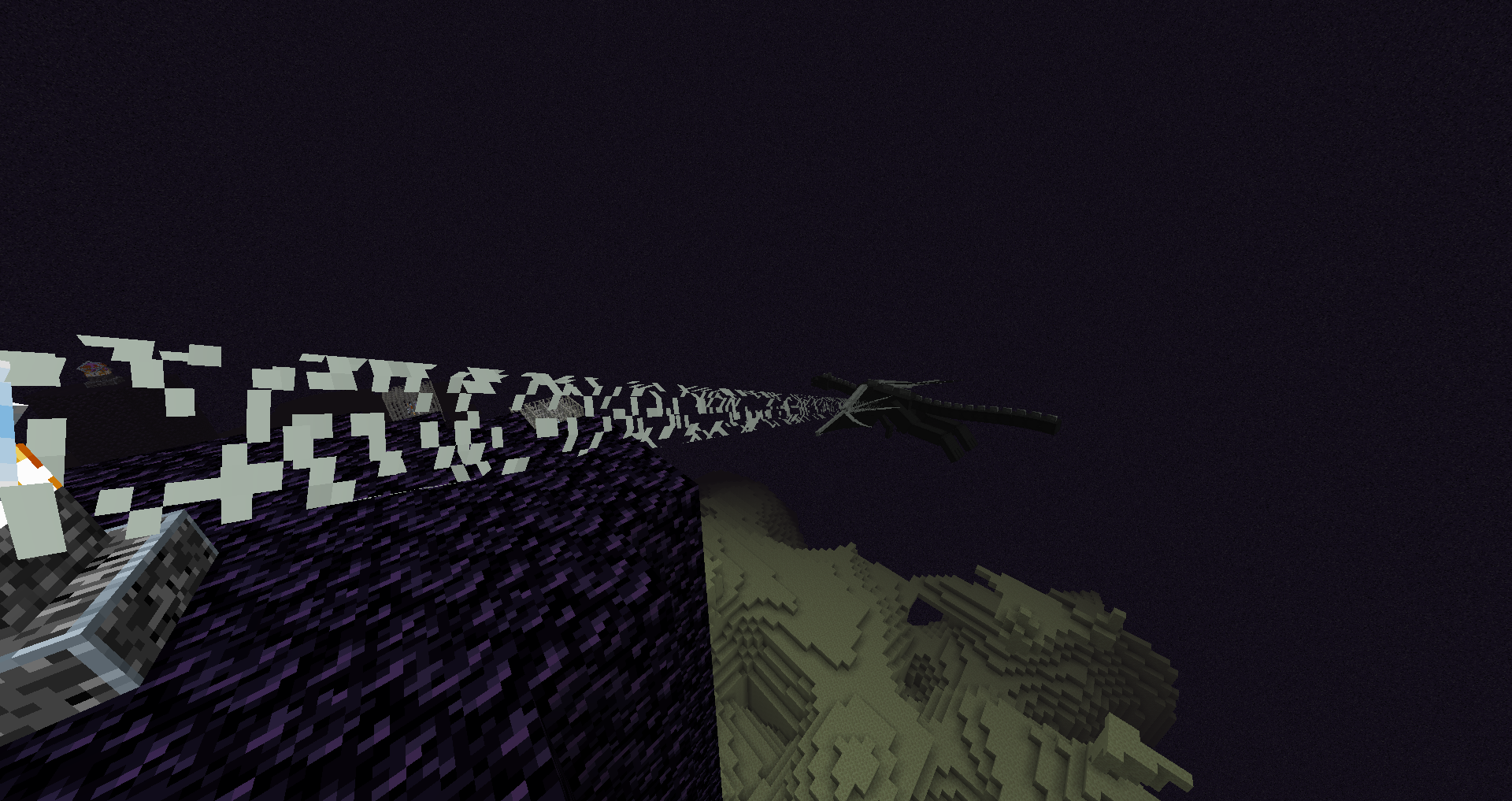
There's no forced campaign in the usual sense. Yes, there are bosses like the Ender Dragon and the Wither, but beating them doesn't end the game. It just unlocks more room to experiment.
I still remember joining a tiny SMP called BirchAndBrick and spending two hours arguing about roof gradients. That's Minecraft in a nutshell: total freedom, plus very opinionated friends.
And that freedom is why the game keeps pulling people back.
How Minecraft plays in 2026
At the start, you punch a tree. That meme is old because it's true. You collect wood, craft tools, get food, make shelter, survive your first night, then slowly scale up into villages, rail systems, mob farms, and absurd mega-bases you swear will be "small this time."
Core modes you'll see everywhere
- Survival: Health, hunger, danger, progression, and resource management.
- Creative: Unlimited blocks, flying, pure building freedom.
- Hardcore (Java): One life, hardest difficulty, no second chances.
- Adventure: Mostly for custom maps with restricted block breaking.
- Spectator (Java): Fly through blocks and observe worlds.
Most players bounce between Survival and Creative depending on mood. I do survival on my main world, then prototype ugly test builds in Creative where nobody can judge me (except they still do).
You'll also run into redstone, which is Minecraft's logic-and-machinery system. It can be simple, like an automatic door. Or it can become a full spreadsheet-powered rabbit hole. Ever tried building an item sorter at 2:00 a.m. and forgotten one repeater? Spiritual growth.
What makes it different from other games
Progress isn't locked behind strict quests. You decide what counts as progress. Maybe it's enchanting gear and fighting bosses. Maybe it's terraforming a mountain into a hanging city. Maybe it's breeding every animal variant because you like organized nonsense. All valid.
But here's the caveat: freedom can feel overwhelming at first. If you need structure, use advancements, build challenges, or server events to create direction.
What's new recently, and what comes next
Mojang's update rhythm changed over the last few years. Instead of one giant annual drop only, we now get more frequent themed "drops" that land roughly every few months, with bigger beats around Minecraft Live events.
PCGamesN reported in early March 2026 that Minecraft 1.26.1, called Tiny Takeover, is expected around March 2026 based on that quarterly cadence. The headline theme is baby mob chaos, which is either adorable or terrifying depending on how many baby zombies you've met.
Short version: updates are more regular now, and they're easier to digest than old all-or-nothing cycles.
Platform news matters too. The Loadout reported Mojang began testing a native PS5 version in 2024, positioning it as part of broader console improvements. Actually, let me correct that slightly: Bedrock players on PlayStation could already play Minecraft, but native PS5 support is about better optimization and feature parity, not first-time access to the game.
So if someone asks "minecraft what's it in 2026," part of the answer is this: same core sandbox, faster iteration, and better platform tuning than before.
Java vs Bedrock (and the platform reality check)
This is where most beginner confusion lives. Minecraft has two main editions today: Java and Bedrock. They're very similar at a glance, but the details matter.
- Java Edition: PC only, huge mod scene, deep technical community, best for custom servers and experimental setups.
- Bedrock Edition: Cross-platform (console, mobile, Windows), easier crossplay, smoother onboarding for mixed-device friend groups.
If your friends are split across phones, consoles, and PC, Bedrock is the practical choice. If you're obsessed with modpacks, advanced redstone quirks, and custom server tooling, Java is still king.
And yes, people argue about which one is better like it's a blood feud. Truth is, both are good, they just solve different problems.
One more reality check: performance and features can vary by device. A high-end PC Java setup with shaders is gorgeous, while older mobile Bedrock can feel cramped. Same game, different comfort level.
Why people stay: creativity, servers, and identity
Minecraft lasts because it keeps reinventing itself through players, not just official patches. Public minigame networks, private SMPs, roleplay realms, modded survival, challenge seeds, speedrun communities, build contests, education servers, all of it runs at once.
You also end up building a little identity in-game. Skins are a big part of that, and some players literally get recognized by their look before their username. If you're browsing options, check these community skin pages on minecraft.how:
- Whatasnipe Minecraft Skin for a sharp, recognizable look
- What Minecraft Skin with a clean classic style
- What_Max Minecraft Skin for a bold profile vibe
- Turbowhat1 Minecraft Skin if you want a high-energy design
- whateverdaniela Minecraft Skin with a playful character feel
Small thing, big effect. A good skin makes multiplayer feel more personal instantly.
Also, communities create their own "meta." On one server I played, the economy ran on pumpkins for six weeks because someone automated a massive farm early. Nobody planned it. Everyone adapted. That's the kind of emergent nonsense Minecraft is great at.
Beginner path: your first week without getting lost
If you're new and still asking "minecraft what's it supposed to be," here's a practical answer: it's a game where your early habits shape everything. Start simple, set short goals, and avoid trying to learn every mechanic on day one.
Day 1 to Day 3 priorities
- Gather wood, stone, food, and coal.
- Build a basic shelter before night.
- Craft a bed and set spawn.
- Find iron, make shield, bucket, and armor pieces.
- Mark your base with obvious landmarks.
That alone prevents most beginner frustration.
Day 4 to Day 7 priorities
- Start a tiny farm (wheat or potatoes), then add animals.
- Set up storage and label chests early.
- Mine safely with torches and backup food.
- Explore nearby biomes, villages, and caves.
- Pick one medium project, like an enchanting room or a nether portal route.
Don't rush "perfect" builds. Functional first, pretty later. Your first base should be useful, not Instagram-ready.
And if survival stress isn't fun, switch to Creative for a session. No shame there. Minecraft works best when you stop trying to play it the "correct" way and start playing it your way.
So, minecraft what's it? A sandbox with survival bones, building freedom, social chaos, and near-endless replay value. You can make it peaceful, technical, competitive, cozy, or wildly cursed. That's exactly why it still matters in 2026.