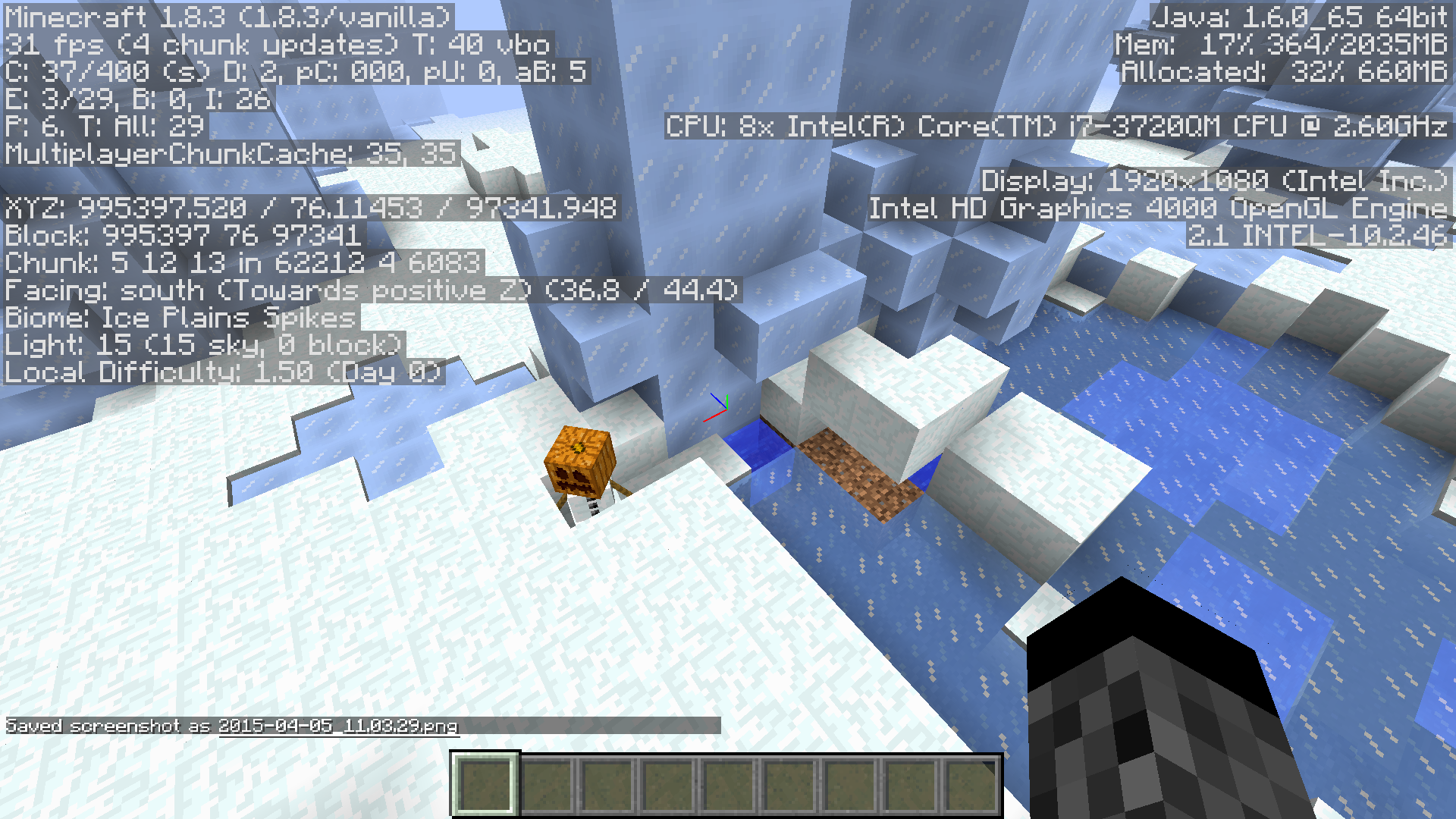
Minecraft Snow Golem Guide: Spawning, Drops and Farming

Snow golems are one of the easiest mobs to create in Minecraft, and they're surprisingly useful for mob farming and testing. Spawning one takes just two snow blocks and a pumpkin, they drop snowballs and seeds, and setting up a farm to mass-produce them takes about an hour of work. Here's everything you need to know.
How to Spawn a Snow Golem
It's almost embarrassingly simple. Stack two snow blocks vertically, then place a pumpkin (or carved pumpkin, or jack-o-lantern) on top. The snow golem spawns immediately, ready to roam and attack nearby hostiles. Direction doesn't matter, snow won't matter, and honestly it's one of the few mob spawning recipes that doesn't involve staring at a wiki screen mid-game.
The catch? You need snow blocks, not snow layers. Actually, that's not even really a catch - you can mine snow blocks with a shovel, they're everywhere in snowy biomes, and you can craft them with 4 snowballs if you're desperate. And pumpkins? Grow them like you'd grow anything else, or find them in taiga villages. The resource cost is basically zero.
What matters is placement.
The Location Problem Nobody Talks About
Snow golems have one serious limitation that ruins farms in wrong biome. They melt in warm biomes. Not slightly uncomfortable - they literally take damage and die if the temperature is too high. This means deserts, jungles, and the Nether are out. You need a cold or temperate biome. Snow biomes obviously work. Taiga, windswept terrain, and dark forests are all fine. Underground in a cold biome works too, actually - wait, no, biome temperature is what matters, not location, so altitude doesn't protect you in a warm biome.
In Minecraft 26.1.2, here's the thing: snow golems also generate snow where they walk, which is fun for aesthetics but means your farm will gradually fill with snow. Look, not a problem if you're harvesting them fast. Bigger problem? They take knockback from blazes and striders, they get stuck on terrain easily, and they refuse to cross water without your help.
This is why most farms are built vertically with water elevators.
What Snow Golems Drop
Snowballs. Tons of them. A single snow golem drops 4 to 6 snowballs on death, which seems small until you understand snowballs are useful for testing, knockback experiments, and... well, honestly, that's about it for serious players. Snowballs don't turn into powder or sell for anything meaningful. But in creative or on multiplayer servers where you're trying to grief someone with knockback, snowballs are hilarious. They're genuinely worthless for survival.
Here's what actually makes snow golem farming worth considering: if your farm is in a grassy biome, they drop seeds. Any seeds. Wheat, melon, pumpkin seeds from torches and crops nearby - whatever's growing around the farm gets seeded when snow golems die. This is renewable seed farming, and it's better than most methods if you set it up right.
The third drop is the pumpkin you placed on top, which respawns if it's water-transported properly.
Building a Real Snow Golem Farm
Choose a cold biome or find a shaded underground area in a temperate zone. Open terrain is fine. You'll need:
- A platform where snow golems spawn (two snow block pairs)
- Water current pushing them toward a central shaft
- A vertical drop into a dark chamber (kills them via fall damage or suffocation)
- Hoppers at the bottom collecting drops
- A chest system for storage
The spawn platform should be flat and loaded. If you're AFK farming, stay within about 128 blocks or use a chunk loader if your server allows. Snow golems spawn passively on snow blocks without any special spawning mechanics, so you don't need dark rooms or spawning platforms like you would for mob grinders. Just stick them in a walkable space and let the water do the work.
Water pushes them toward a central shaft that drops them 25-30 blocks into a collection chamber. At that height they die instantly without needing to be killed. Hoppers funneling into double chests mean you can AFK for hours. It's not complicated, which is honestly the appeal.
The Snowball Economy and Real Farming
Let's be honest: snowball farms aren't meta. But they work for specific situations. If you're playing on a whitelist server and you've got friends trying to knock each other around, snowballs are infinite ammunition. If you're testing knockback mechanics for a build, farm a stack quickly. If you're doing a snowball-only challenge run (yes, those exist), you need a farm.
The seed farming angle is actually stronger. Combine your snow golem setup with planted crops around the farm chamber, and you're generating seeds faster than you'd expect. This pairs surprisingly well with composter systems if you're trying to push crops. Seed to bone meal to tree farming - it's not a direct path, but it works.
For efficiency? Sugarcane or kelp farms beat this by a mile. Mob grinders produce more drops per hour. But snow golems are stupid simple and require almost zero maintenance once built. That simplicity has value on survival servers where complexity kills progress.
Making Snowballs Useful
This is where it gets weird. Snowballs don't stack to 64 in Java Edition - they stack to 16, which was always baffling. So a massive farm produces hundreds of snowballs you can't fit in a double chest. Is that a bug? Unclear. Mojang's never explained it. Just take note if you're farming large scale.
Where snowballs shine: they're perfect for creative testing, multiplayer pranks, and knockback situations. If you've got a PvP arena on your server, snowballs let newer players practice without needing swords. They deal no damage, so nobody's upset about balance, and they create a learning curve for knockback combat that actual swords can replicate later.
You can also use them in comparators and redstone circuits as items for logic gates, but that's niche and usually harder than alternatives.
Why Bother?
Fair question. If you're playing single-player vanilla Survival and optimizing for efficiency, snow golem farms are a waste of time. Their drops don't feed your economy. But if you're on a multiplayer server, testing mechanics, or just want something mindless to build while listening to music, they're perfect. They require almost zero materials, they work in any cold biome, and they're so simple that even new players can understand them at a glance.
Plus, if you're into creating custom server experiences, snow golems are a building block. Use them as part of a larger system - maybe combine snowball drops with knockback traps, or seed farming with your crop renewal system.
One more thing: if you're running a server and want to encourage new players to explore creative building, snowball wars are genuinely fun. Hand them a stack of snowballs and a safe arena, and watch them figure out knockback combat without the stress of actual combat.
Tools to Build Around Your Farm
If you're building a whole server ecosystem, you'll want consistent tools for your players. Use the Minecraft Skin Creator to let players build their own skins before joining - more invested players engage with content better. And if you're managing a whitelist, the Minecraft Whitelist Creator makes administration painless instead of tedious text editing.
Snow golem farms fit into that same philosophy: simple tools that unlock creativity. They're not about maximum efficiency. They're about having fun with what Minecraft offers.