
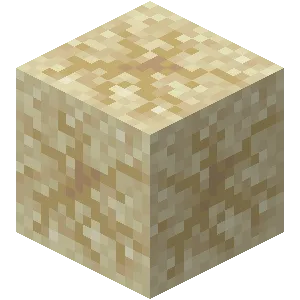
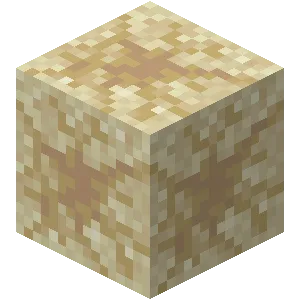
Suspicious sand is a decorative block found in desert temples and other structures that hides ancient treasures inside. You'll need a brush tool to slowly extract items from it. It's basically Minecraft's way of making archaeology feel rewarding without just handing you everything at once.
What Makes Suspicious Sand Different
So suspicious sand arrived in Minecraft 1.20, and it fundamentally changed how we explore desert structures. It looks almost exactly like regular sand when you're walking past, but get close enough and you'll notice particles floating around it, hinting that something's buried underneath. That's your cue to grab a brush and start the painstaking process of excavation.
The block itself is fragile in a specific way. Unlike normal sand that falls to the ground when unsupported, suspicious sand drops as an item if you break it with a shovel or your hand. That's intentional design. Mojang wanted to encourage you to use the brush instead, which slowly reveals what's inside without destroying anything. It's archaeology, not strip mining.
Here's what caught me off guard initially.
Suspicious sand only appears in specific structures, not scattered randomly through the world. In Java 26.1.2, you'll find it in desert temples, underwater ruins (sometimes called ocean ruins), and trail ruins. Each location has different treasures waiting inside, which makes hunting them all genuinely addictive. Bedrock has similar structures with suspicious variants of sand and gravel, depending on the environment.
Finding Suspicious Sand in Your World
Desert temples are the obvious starting point. You know those pyramid structures with the blue concrete blocks on top? Head inside and you'll spot suspicious sand in the chamber beneath the main floor. Break through carefully into that underground area (watch out for the pressure plate trap if you're not paying attention), and you'll find suspicious sand blocks scattered throughout. The texture's noticeably different from the sandstone walls around it, so it's hard to miss once you know what you're looking for.
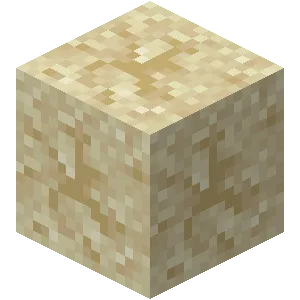
The amount varies depending on the temple's design. Some have just a couple of suspicious blocks, others have much more. I've dug through temples where the entire chamber floor was covered in them. It's worth taking your time to brush every single one because the loot difference between blocks is huge.
Underwater ruins require different preparation.
You'll need either a bucket, water breathing potions, or an oxygen system to explore these properly. The structures themselves are smaller and more spread out than desert temples, scattered across ocean and river floors. Suspicious sand appears alongside suspicious gravel in these underwater temples, making it straightforward to spot the archaeological sites. The loot quality is lower than desert temples but still worth collecting.
Trail ruins are the newer structures, and they're honestly the most interesting archaeologically. These are naturally generated pathways with suspicious blocks embedded in various materials. Different regions of trail ruins have different loot tables. That means you might want to explore multiple ones to get complete pottery collections. Here's the thing, you'll find them in wooded, sandy, and snowy biomes depending on the region.
If you want to systematically locate all structures in your world, the Minecraft Block Search tool helps you find suspicious sand and other blocks without wandering endlessly. It's saved me countless hours when I'm working on large-scale collection projects on my server.
The Brush: Your Archaeological Tool
Mining suspicious sand with a brush takes patience. We're talking about 40 game ticks, roughly two seconds, of holding right-click to extract each item hidden inside. It's slow enough to make you feel like you're carefully uncovering ancient artifacts, not so tedious that you'll abandon the hunt.
Crafting a brush requires a feather, a copper ingot, and a stick. Arrange them on a crafting table and you've got yourself an archaeology tool. The brush is durable enough for serious digging sessions, though it'll eventually break. You'll want to keep materials handy if you're planning on excavating multiple structures.
Each suspicious block can contain multiple items.
They don't all pop out at once. Instead, they reveal one at a time as you continue brushing, which creates actual suspense. You might extract three pottery shards, then a diamond, then an enchanted book from a single block. The variety keeps each excavation interesting. Different structure types have different loot pools, so desert temple contents never feel repetitive compared to what you'll find in underwater ruins or trail ruins.
One thing I appreciate: suspicious sand doesn't require the brush to be in perfect condition. A nearly-broken brush works just as well as a fresh one, you just need to replace it sooner. Planning loot runs is easier when you're not worrying about tool durability mid-excavation.
Treasures Worth Hunting
Desert temples are the prize destination. You're looking at pottery shards, enchanted books, gold ingots, diamonds, iron ingots, and emeralds. Some players hunt desert temples specifically for treasure because the loot genuinely outperforms basic mining. A well-excavated temple might yield more diamonds than you'd find in hours of strip mining.
Pottery shards deserve special attention because they're unique to archaeology. You can't get them anywhere else in survival mode. Four matching pottery shards combine to create a decorated pot, which is a legitimately nice decorative block for building. Different designs are found in different structures, so completing full collections actually takes effort and planning.
Underwater ruins offer less flashy loot but are still worthwhile. You'll find pottery shards, books, copper items, and occasional valuable materials. They're easier to excavate than desert temples (no traps) but typically contain less treasure per structure.
Trail ruins are the newest addition to archaeology.
They're packed with pottery shards of different colors, torches, books, and occasional emeralds. Different regions of trail ruins have different loot tables, which means you might want to explore multiple areas. A trail ruins in a desert biome has different contents than one in a taiga, making them genuinely worth revisiting as you explore new terrain.
Building and Decorating with Suspicious Sand
Don't think of suspicious sand purely as a loot source. Some builders use it as a deliberate building block, and honestly, the visual difference from regular sand actually works. The slightly different texture creates visual interest, especially when you're creating desert ruins or archaeological dig sites.
I've seen servers where players create fake excavation museums. They'll place suspicious sand blocks deliberately in designed spaces and let visitors extract the loot, turning archaeology into a social activity. It's creative problem-solving that extends the block's usefulness beyond its original function.
If you're building these kinds of spaces, the Minecraft Text Generator helps you create custom signage and labels for your dig sites. Professional-looking placards explaining what's being excavated add atmosphere and context to your builds.
Here's the real talk though.
Once you've collected all the pottery shards and treasures you actually need, suspicious sand becomes less urgent as a mining target. But that doesn't mean it's done being useful. The block has genuine character and visual interest that plain sand lacks. In the right context, it looks amazing as a building material.
Tips for Efficient Archaeology
Bring multiple brushes when exploring large structures. A single brush won't last through an entire temple, and you don't want to be stuck mid-excavation with a broken tool.
Gather all your suspicious blocks first before brushing them. It's actually more efficient to clear an entire structure of suspicious sand, then sit down and brush them all at once. You'll get into a rhythm and finish faster than bouncing between blocks.
Different structures reward different play styles.
Desert temples are one-time jackpots where you get everything in a single location. Underwater ruins require more swimming and organization but are safer. Trail ruins are scattered widely but renewable in a sense because there are always more out there in unexplored terrain. Pick your strategy based on what you're actually trying to collect.
Mark your structures on a map or use coordinates if you're exploring with friends. Archaeology is better as a shared activity, and you'll want to remember where good dig sites are for future visits.