2026年最もすばらしいマイクラ水中ベースを紹介
Underwater bases are some of Minecraft's most visually striking builds, combining survival challenges with creative design. From glass domes to coral-themed structures, there are countless ways to build below the surface in Minecraft 26.2. Here are the best approaches and designs you can try today.
Why Build Underwater Bases?
Honestly, it took me years before I attempted my first underwater base. I was intimidated, thought the water mechanics would be a nightmare, and figured there were easier things to build. But once I actually tried it? I got hooked.
The appeal comes down to a few things. First, underwater bases look genuinely incredible. There's something about the way water interacts with light, the way fish swim past your windows, and how the environment feels completely different from surface builds. Second, they solve a real problem for many players: how do you build something that feels truly hidden? An underwater base is naturally protected, off most players' usual flight paths, and way harder to stumble upon.
You also get unique building constraints that force creativity. Can't just slap down blocks without dealing with water flow. Can't use certain materials that would look terrible underwater. These limitations actually make designs more interesting, not less.
And here's the thing nobody mentions: underwater bases are social currency on multiplayer servers. People farm for hours for that one cool base everyone wants to visit.
Best Biomes for Underwater Bases
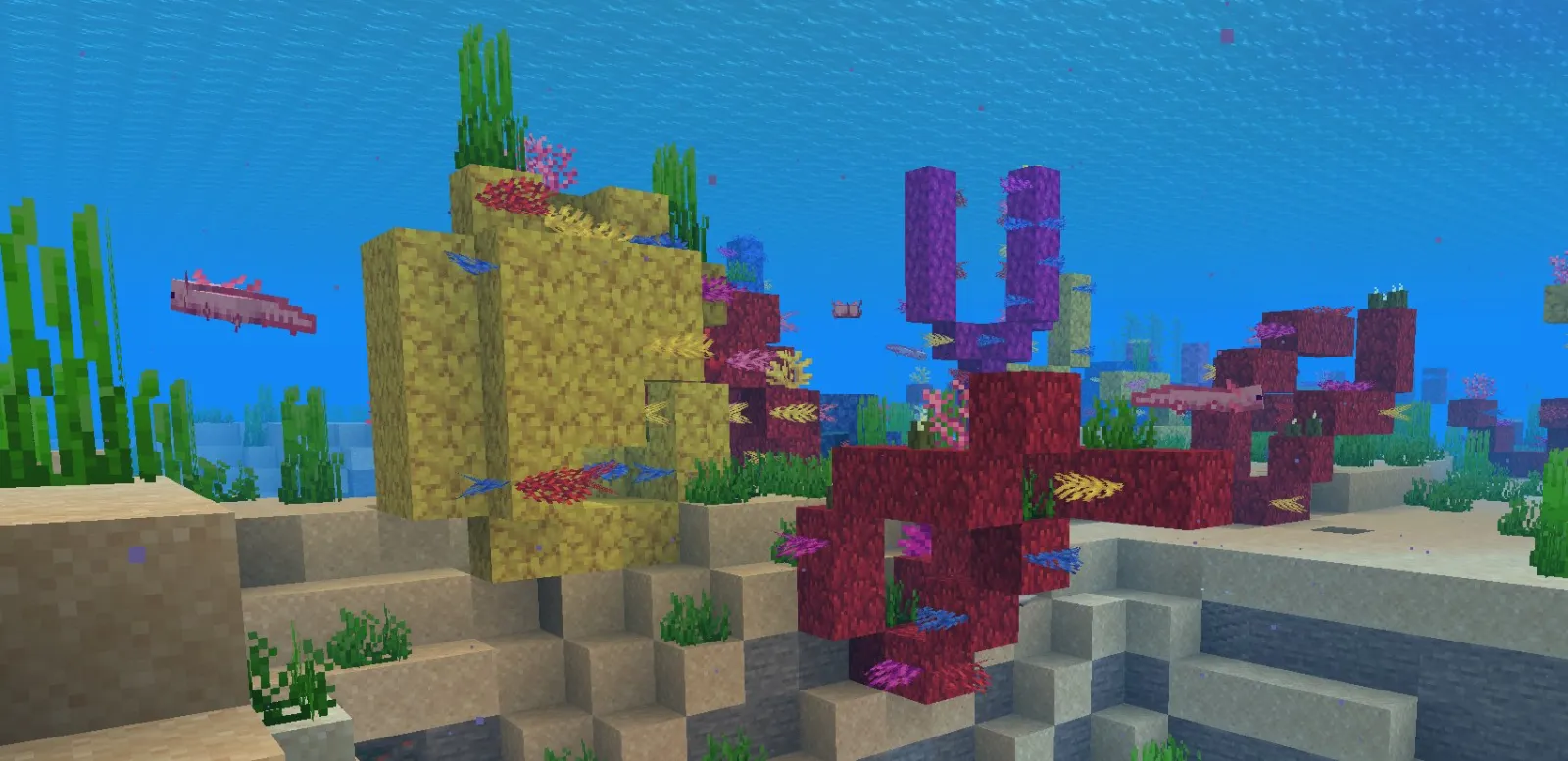
Not all oceans are created equal in Minecraft. Warm oceans with their coral and tropical vibes are the obvious choice, and yeah, they're gorgeous. But I'd argue they're also the most overdone. If you've seen three underwater bases on the same server, two of them are probably in warm oceans.
Deep cold oceans offer something different: darker water, colder aesthetics, and way fewer players building there. The bioluminescence from deep sea structures can look haunting in the right way. Deep ocean biomes also have significantly less coral noise, which means your build is actually the focal point instead of fighting with the landscape.
Lush caves connected to water? Now that's where the really creative stuff happens. You're not technically underwater, but you're building in this hybrid space with water features, glowing vines, and moss. Players who go this route tend to make the most unique bases I've seen.
Warm oceans work great for beginners though, if I'm being honest. More light, more visual reference points, and the coral naturally complements your builds.
Essential Materials and Tools
You're going to want glass. Lots of it. Tinted glass is the real MVP here because it blocks light without looking like your base is wrapped in frosted plastic. Regular glass works too, obviously, but it washes out underwater. Copper and dark prismarine create excellent accent walls. Blackstone gives you that deep-sea feel without being too heavy.
For functional blocks, you'll need a respiration strategy. Look, the easiest approach is creating air pockets using doors, trapdoors, or soul sand columns to push water up. Respiration potions work but they wear off. Soul sand bubble columns are honestly the most elegant solution if you're building in a place where you can afford to dedicate space to them.
If you're setting up a multiplayer server to build with friends, you might want to configure custom rules. Our server properties generator makes it quick to dial in spawn rates, difficulty, and other settings that matter for base building.
Bring sponges. Sponge blocks absorb water in a radius and dry out in the Nether. They're essential for creating large air pockets without needing every block to be a door.
Design Ideas You Can Execute
The glass dome is the beginner's dream and with good reason. It works. A circular dome with sand or terracotta on the ocean floor creates an instant "base" feeling. Scale matters here: small domes look like science experiments, massive ones feel like actual homes. Aim for at least 15 blocks in diameter if you want the space to feel right.
Spiral builds are underrated. Imagine a tall tower that corkscrews down into the ocean floor. The spiral doesn't need to be purely aesthetic either. You can use it to funnel water, create different levels, and develop the base vertically instead of horizontally. This saves space and honestly looks cooler from the outside.
Coral farm bases are practical and beautiful. Your base functions as the farm structure itself. You grow corals, build around them, create harvesting mechanisms, and suddenly you've got a base that's actually generating resources. Visitors think it's intentional design instead of "oh they just built where the corals are."
Ship bases are harder than they look but absolutely worth it. The key is deciding early if you're going realistic or fantasy. Realistic ships need proper weight distribution and proportions or they look off. Fantasy ships can get away with more creative shapes.
Custom skins from our skin creator tool can actually enhance the roleplay aspect of underwater bases. Build a pirate ship and dress as a pirate. Run a research facility and wear a lab coat. Silly? Sure. Does it make the experience better? Absolutely.
Technical Tips That Matter
Water physics are weird. They're not mysterious though, just specific. Water flowing into a one-block hole creates a full source block. This matters. You can use it to create infinite water sources or to control water flow in your designs.
Lighting underwater is where most people stumble. Normal torches work but they look amateur. Glowstone, amethyst clusters, and sculk sensors with glowing blocks create way more atmospheric lighting. Candles placed on lily pads are surprisingly effective too. The key is layering light sources at different heights so the whole space feels lit, not just bright.
Mobs don't spawn underwater, which is both a blessing and a problem. Blessing: you don't need defensive lighting. Problem: your underwater base feels empty and dead. Solution: create mob spawning chambers above water level where you can see them, or accept the emptiness as part of the aesthetic.
Sand and gravel fall through water. And this seems obvious until you're trying to build something and both materials keep dropping through your floor. Either commit to blocks that don't fall, or plan your build knowing these materials will need support.
Drowned mobs are attracted to vibrations from redstone contraptions. If you're planning automated systems, try to locate them away from your actual living space. Nobody wants a surprise invasion of undead villagers at midnight.
Getting Started Without Overthinking It
Don't plan too much. Seriously. Pick a location that catches your eye. Mark it out. Start with basic shapes. You can make a beautiful underwater base in an afternoon if you stop second-guessing every block choice.
Start small. A 20x20 chamber feels huge underwater because depth tricks your perception. You can always expand later once you understand the space.
The first underwater base you build will probably look rough compared to what you see online. Build it anyway. The second one improves dramatically because you actually understand the constraints.

Lead writer at minecraft.how. Long-time Minecraft player running a small SMP server, testing every build, mod, and seed before writing about it.
Have a Question or Tip about this Guide?Community Q&A
Ask a question or help other players below. Join the discussion and share your Minecraft tips!