How to Build Your Own Desert Temple in Minecraft
Desert temples are one of Minecraft's most iconic structures, and building your own is entirely possible with the right materials and planning. This guide covers everything you need to know about constructing a desert temple from scratch, including design principles, materials, and creative variations to make it truly yours.
Understanding the Desert Temple Structure
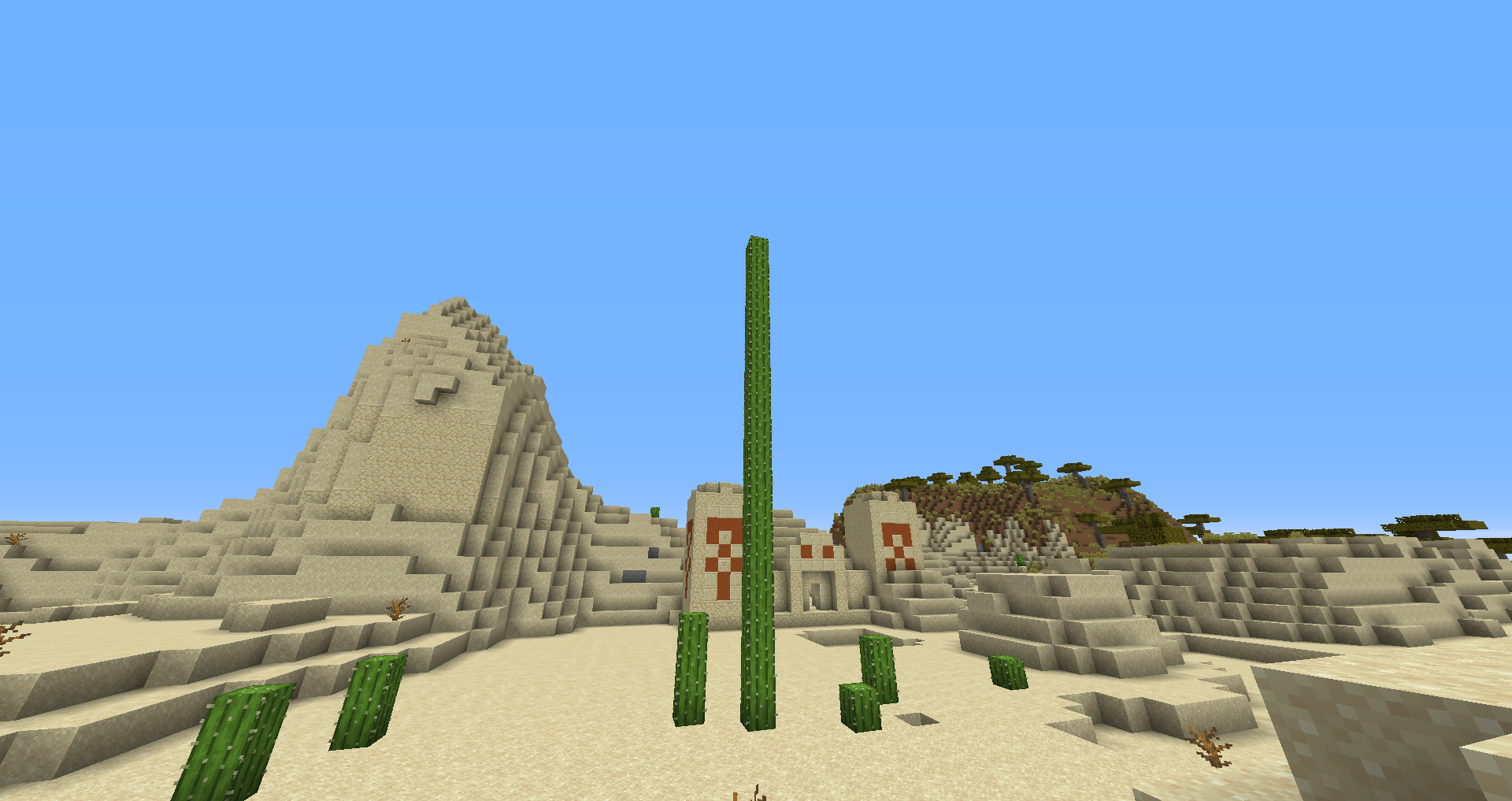
You've probably stumbled into naturally generated desert temples before, right? Those massive sandstone structures with the hidden treasure chamber underneath. But building one yourself gives you complete control over the design, size, and details. The classic desert temple features a pyramidal exterior made of sandstone blocks, with four towers at the corners and a flat top. Underneath sits a hidden chamber with traps and loot, though you can absolutely skip the deadly bits if you prefer.
The basic shape is a square pyramid.
Before you start placing blocks, spend some time thinking about what attracts you to desert temples in the first place. Is it the aesthetic? The challenge of recreating it accurately? Or maybe you want to build something inspired by the design but completely your own? I tested this approach on my own SMP server, and players responded way better to custom variations than exact replicas. The proportions matter more than pixel-perfect accuracy.
The typical temple rises about 60-80 blocks tall from base to peak, though you can build smaller or larger depending on your vision. Each layer is slightly smaller than the one below, creating that stepped pyramid effect. The corner towers extend higher than the main structure, giving it visual punch and making it visible from far away.
Gathering Your Materials
Here's where you'll need to commit some time to mining or building a farm. The primary material is sandstone, specifically smooth sandstone for the main structure. You'll want chiseled sandstone for details and visual interest. Most builds use a base of about 8,000-12,000 blocks depending on size, though obviously if you go bigger you'll need way more.
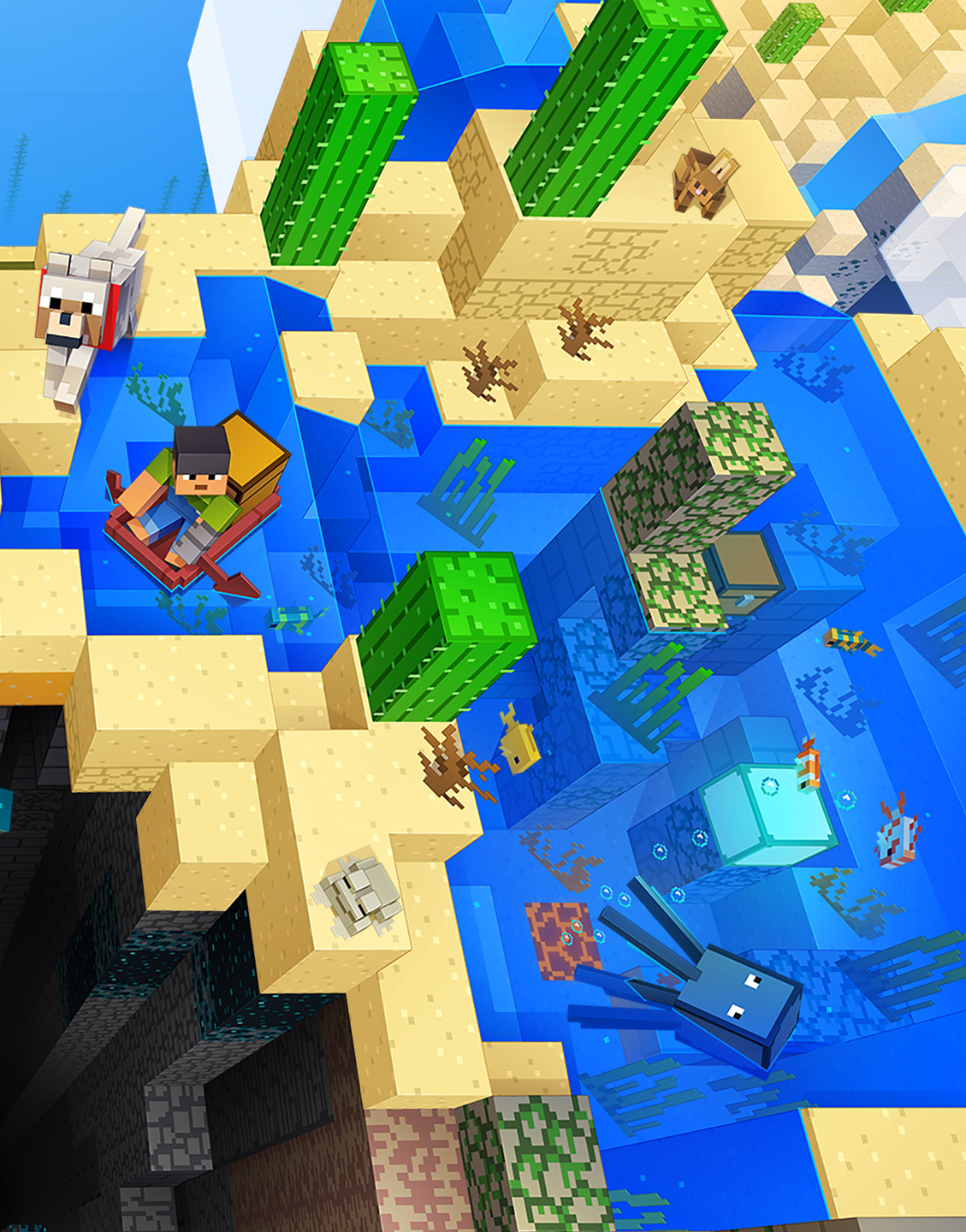
Stone bricks work great for the interior and any hidden chambers. Sandstone stairs and slabs add texture and prevent the flat surfaces from looking boring. If you're playing on a server where creative mode isn't an option, consider setting up a sandstone farm or using a mob grinder that drops sand for conversion into sandstone blocks. Actually, that's not the most efficient approach for pure mining servers - you'd be better off strip mining in a desert biome, but I'm getting ahead of myself.
Secondary materials include:
- Stone bricks for interior chambers and detailed work
- Terracotta in various colors for decorative patterns
- Dark oak or acacia wood for doors and support beams
- Deepslate tiles for underground chamber flooring
- Carpet or rugs for interior touches
Don't forget about lighting. Torch placement is crucial for both aesthetics and function. If you're adding that underground chamber, you might want soul lanterns for an eerie vibe, or regular lanterns for visibility.
Finding the Perfect Location
Location matters more than most players realize.
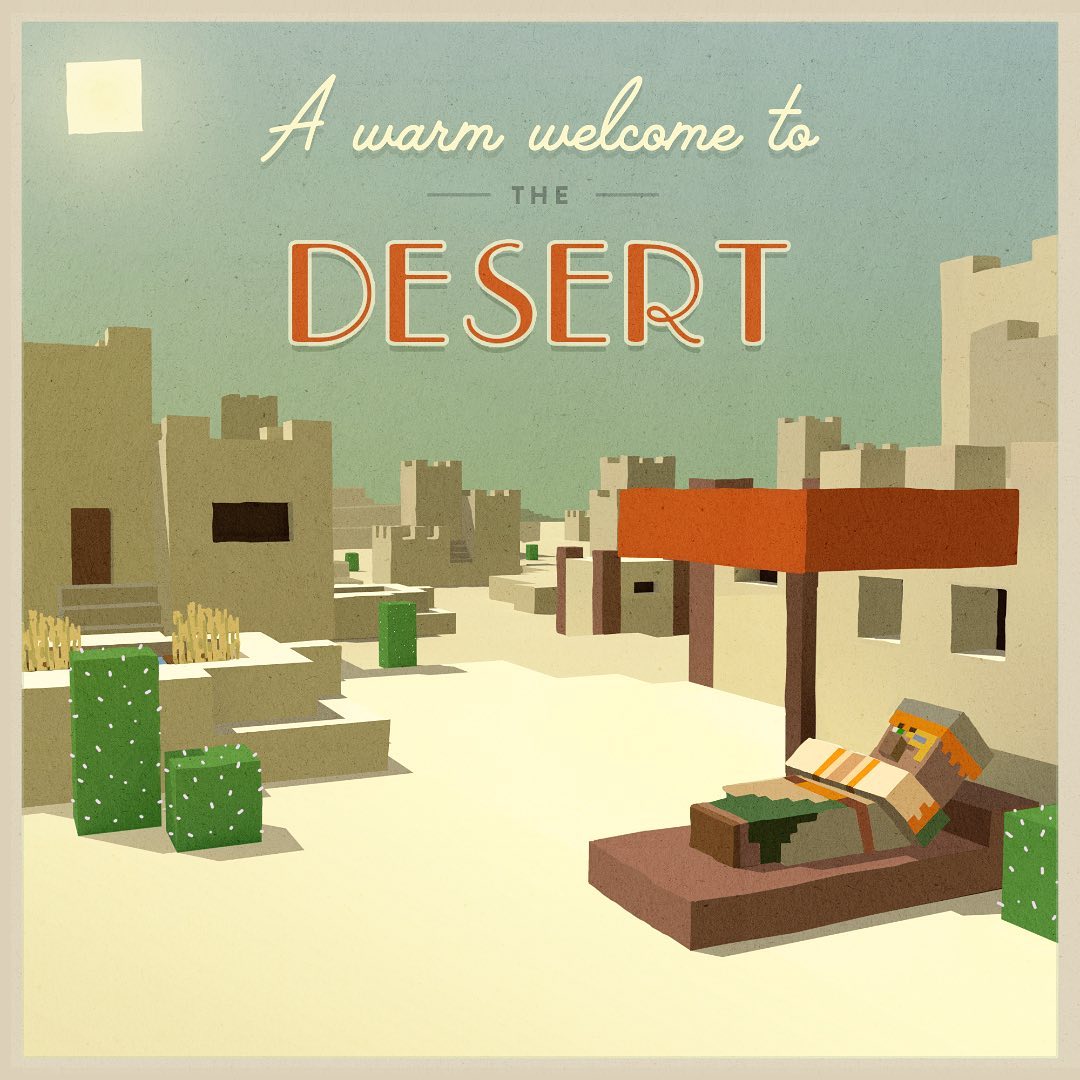
A desert biome is the obvious choice, but I've seen some incredible desert temples built in mesas, badlands, and even savanna biomes with slight tweaks to the color palette. The key is finding a spot with relatively flat terrain so you don't have to do massive terraforming work beforehand. High ground gives your temple more presence on the landscape. If you're building on a multiplayer server, check out our Minecraft server list to find communities that support large-scale building projects like this.
Consider sight lines. Will players see your temple from the spawn area? From common travel routes? A temple visible from across the map becomes a landmark. When I was testing build locations on CraftMC, the temples placed near main pathways got way more visitors than those hidden in remote corners.
Elevation also affects how impressive it looks. Building on top of a 20-block hill gives your pyramid more drama than placing it on flat ground. You're essentially extending the height without building as much.
Building the Exterior
Start with a foundation. Mark out your base layer with the full footprint of your temple - let's say a 60x60 block square for a medium-sized temple. Lay down your main sandstone blocks first, then work upward layer by layer. Each successive layer should be 4-6 blocks smaller than the one below, creating that classic step pyramid look.
Use smooth sandstone for the main surfaces and chiseled sandstone for accent areas. Place chiseled blocks at regular intervals - maybe every 10 blocks along each face - to break up the monotony. Add sandstone stairs along the edges of each level for visual depth and to prevent mobs from climbing too easily (they'll slide off the stairs).
The four corner towers need special attention.
These are where your temple gets its personality. Make them 8-12 blocks taller than the main pyramid peak. Use a different sandstone variant or add terracotta details to distinguish them. Some builders incorporate stone brick elements here for contrast. On my server, we added small platforms at the top of each tower with lanterns to mark them at night.
For the top of the pyramid, create a flat chamber instead of tapering to a point. And this is where you might place a central decoration - maybe a large crafting area, a throne made of blocks, or just a viewing platform with railings. The flat top also makes it easier to add interior details without worrying about complex angles.
Don't neglect the sides. Sand can look dull by itself, so consider adding dark oak trapdoors or fence gates at regular intervals for a grid pattern. Terracotta in orange, brown, and tan shades creates natural-looking banding that mimics how sandstone erodes in real deserts. Look, i see this detail in like 30% of good desert temples, so it's worth doing.
Adding Interior Details
The underground chamber is where things get interesting. Dig down from the center of your pyramid - typically 20-30 blocks below the base level - and create a square room about 20x20 blocks. This is your treasure vault. Surround it with stone bricks and add some atmosphere with soul lanterns on pedestals.
You can make it dangerous or safe depending on your server's playstyle. The original temple features tripwire traps with arrows, but if you're building for a peaceful community server, skip the traps and just include hidden treasure chests. Many servers appreciate puzzles more than instant death traps anyway.
Add connecting tunnels from the main chamber to the corner towers if you want. These create visual interest and give the interior more purpose. You could include:
- Storage areas with organized chests
- A brewing room with cauldrons and bottle stands
- A meditation chamber with just lanterns and carpet
- Library shelves with books for aesthetics
Upper chambers inside the pyramid can serve as meeting areas, shops (if you're running a server), or just decorative rooms that reinforce the size of the structure. Use wooden doors, dark oak trapdoors, and soul lanterns to create that ancient temple atmosphere.
Making It Your Own
Exact replicas are fine, but variations are way more memorable. Change the color palette entirely by using red sandstone instead of yellow. Add Egyptian-inspired hieroglyphics using item frames and paintings on interior walls. Create a secret entrance using a piston door hidden behind sandstone blocks.
Some builders incorporate custom trees around the base to suggest an oasis, using jungle wood and leaves. Others add a moat made from blue concrete or water. The sky's genuinely the limit here. One player on our server built a desert temple with a rotating top using slime blocks - obviously impractical, but it looked awesome and showed real creativity.
Consider the size too.
Not every temple needs to touch the clouds. A smaller 40x40 base version looks just as good and takes way less time to complete. It's actually easier to nail the proportions when you're working at a tighter scale.
If you're managing a server and want to set specific parameters for community builds, tools like the Server Properties Generator can help you configure the right settings for large-scale creative projects.
Final Tips Before You Start
Test your design in creative mode first. Build a small section, step back, and see if you like the proportions and color scheme. What looks good up close might feel off from a distance. Light things up properly - sandstone can feel dingy without adequate lighting. And honestly? Have fun with it. Desert temples don't have to be perfect. They just need to feel like something worth exploring.

Lead writer at minecraft.how. Long-time Minecraft player running a small SMP server, testing every build, mod, and seed before writing about it.