마인크래프트 Biomes O' Plenty: 2026년 최고의 가이드
Minecraft Biomes O' Plenty는 2026년에도 여전히 최고의 바이옴 모드입니다. 50개 이상의 탐험할 가치 있는 장소를 추가하고, Minecraft의 원본 느낌을 유지하며, 이제 Java 플레이어와 Bedrock 사용자 모두를 위한 더욱 명확한 옵션을 제공합니다. 바닐라 탐험이 지루하다면, 지금 최고의 해결책입니다.
Minecraft Biomes O' Plenty가 추가하는 것
Biomes O' Plenty는 Minecraft를 완전히 다른 게임으로 바꾸려고 하지 않습니다. 이것이 오래 지속되는 큰 이유입니다. 생존 위에 이상한 진행 시스템을 쌓는 대신, 월드 생성, 풍경, 식물, 나무, 건축 재료에 집중합니다.
공식 Modrinth와 GitHub 설명은 여전히 이를 50개 이상의 커스텀 바이옴이 있는 바이옴 확장 모드로 설명합니다. 오버월드, 네더, 그리고 엔드를 포함하며, 추가 꽃, 단풍, 나무, 장식 블록이 있습니다. 따라서 홍보 문구는 간단합니다. 더 나은 장소와 더 나은 건축 자료입니다.
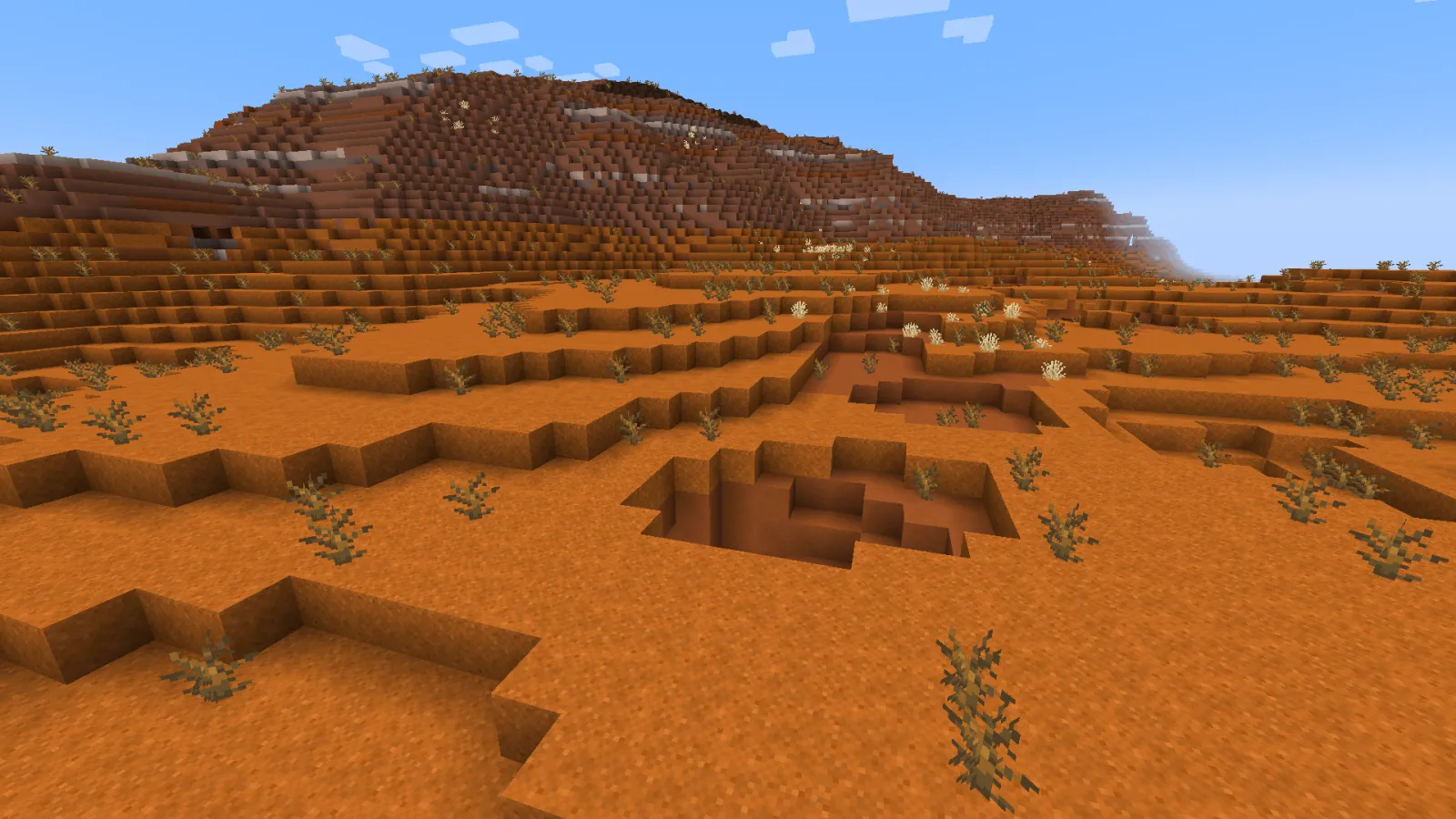
기본적으로 들릴 수도 있지만, 잘 작동합니다. 편안한 건축을 위한 밝고 고요한 바이옴, 으스스한 생존 시작을 위한 어두운 바이옴, 그리고 무작위로 시끄러운 것보다 정성스럽게 선택된 지형이 많습니다. 라벤더 들판, 레드우드 숲, 옥석 절벽, 과수원, 불길한 숲, 화산 지역은 사람들이 스폰 지점을 떠나 베이스를 떠난 이유를 잊게 만드는 장소입니다.
한 가지 일을 정말 잘합니다.
그것은 지도를 다시 걸을 가치 있게 만드는 것입니다.
Minecraft Biomes O' Plenty가 2026년에도 중요한 이유
Minecraft는 이제 더 빠르게 움직입니다. PCGamesN은 Mojang이 여전히 업데이트를 거친 분기별 리듬으로 처리하고 있으며, Tiny Takeover가 2026년 3월에 출시될 예정이라고 보도했습니다. 이것은 버전 지원을 몇 년 전보다 더 큰 문제로 만듭니다. 사랑받는 모드도 업데이트 흔적이 끊기면 박물관 조각이 될 수 있기 때문입니다.
Biomes O' Plenty는 차갑지 않습니다. 2026년 3월 현재, CurseForge는 Fabric, Forge, NeoForge에 대한 현재 1.21 빌드의 활성 파일을 여전히 표시했습니다. 이것이 오래된 월드젠 모드를 추천하기 전에 가장 먼저 확인하는 것입니다. 페이지가 버려진 것처럼 보이면, 다른 것으로 넘어갑니다. Minecraft는 이미 저녁을 낭비할 수 있는 충분한 방법을 가지고 있습니다.
스타일 문제도 있습니다. 많은 바이옴 모드는 10초마다 당신이 그들을 알아차리기를 원합니다. Biomes O' Plenty는 보통 그렇지 않습니다. 그것은 완전 변환 팩보다는 개선된 바닐라에 더 가까워 보입니다. 이는 생존 월드와 작은 SMP에 부드럽게 들어가며, 모든 것이 12개의 모드가 청크 생성기에서 싸우는 것처럼 보이지는 않습니다.
2026년에 Minecraft Biomes O' Plenty를 설치하는 방법
이 부분은 사람들이 보통 헷갈리는 부분입니다.
Java 싱글플레이
Modrinth는 현재 빌드가 Minecraft 1.20.4 이상에는 GlitchCore가 필요하고 1.18 이상에는 TerraBlender가 필요하다고 합니다. Fabric을 사용 중이라면, Fabric API도 필요합니다. 따라서 아니요, '한 개의 jar를 mods 폴더에 넣고 자신을 믿으세요'는 설정 방법이 아닙니다.
- 먼저 정확한 Minecraft 버전을 선택합니다.
- 일치하는 로더를 선택합니다. Fabric, Forge, 또는 NeoForge.
- 해당 버전의 올바른 Biomes O' Plenty 파일을 다운로드합니다.
- 필수 종속 항목 (특히 GlitchCore와 TerraBlender)을 추가합니다.
- 모든 것을 mods 폴더에 넣고 새 월드를 생성합니다.
마지막 단계는 사람들이 생각하는 것보다 더 중요합니다. Modrinth는 기존 월드가 새로운 바이옴으로 갑자기 채워지지 않는다고 지적합니다. 건드리지 않은 청크를 생성하거나 NBT 편집으로 조작하지 않는 한 말입니다. 원하면 그렇게 할 수 있습니다. 일반적으로 피할 수 있는 정리를 즐기지 않으면 제안하지 않습니다.
서버
최신 버전에서 서버 설정이 더 깨끗합니다. Modrinth에 따르면, 1.18 이상에서는 바이옴이 스폰되도록 하기 위해 특별한 server.properties 변경이 필요하지 않습니다. 참여하는 모든 사람이 여전히 동일한 모드 설정이 필요합니다. 명백하게도, Minecraft에는 많은 선물이 있지만, 초능력 종속성 동기화는 아닙니다.
구형 버전은 더 까다로우며 월드 타입 설정이 필요할 수 있습니다. 그러나 2026년에는 대부분의 플레이어가 특정 모드팩이 매우 좋은 이유를 주지 않는 한 현재 릴리스에 머물러 있는 것이 낫습니다.
보통 문제가 되는 것
바이옴이 나타나지 않으면, 원인은 보통 따분합니다. 잘못된 게임 버전, 잘못된 로더, 누락된 종속성, 또는 오래된 저장본에 모드를 붙이고 지형이 스스로 다시 쓰이기를 기대하는 것입니다. 드물게, 다른 월드젠 모드가 그것을 밟고 있습니다. 바이옴 모드는 공존할 수 있지만, 팩이 어느 정도의 절제심으로 만들어졌을 때만 가능합니다. 한번에 4개의 지형 오버홀을 설치하면, 결국 게임은 지도 편집기를 가진 유아처럼 행동하기 시작합니다.
Biomes O' Plenty의 최고 부분은 바이옴만이 아닙니다
사람들은 먼저 지형에 대해 이야기하며, 당연히 지형이 판매 포인트입니다. 그러나 건축 팔레트는 첫 주 후에 모드가 설치된 채로 남아 있는 이유입니다. 추가 나무, 관목, 꽃, 잎, 지면 덮개는 전체 판타지 팩에 강제하지 않으면서도 일반적인 건축물을 덜 반복적으로 보이게 합니다.
이 바닐라 친화적 모습은 멀티플레이 서버에서 중요합니다. 한 플레이어는 전체 목장 스타일로 가고, 다른 플레이어는 어떤 연기가 자욱한 화산 구석에서 요새를 지을 수 있으며, 두 기지 모두 여전히 Minecraft처럼 보입니다. 두 개의 관련 없는 게임이 씨앗을 공유하는 대신 말입니다.
- 레드우드와 전나무가 많은 지역은 실제로 월드에 뿌리내린 것처럼 보이는 거대한 롯지, 다리, 그리고 트리하우스 건축에 완벽합니다.
- 라벤더 들판, 과수원, 그리고 더 부드러운 숲 바이옴은 오두막, 온실, 그리고 풍경 경로가 많은 마을에 적합합니다.
- 불길한 숲과 죽은 숲 스타일은 마녀 오두막, 공포 지도, 또는 진정한 분위기가 있는 생존 시작에 이상적입니다.
- 열대 및 화산 지역은 유적, 리조트, 절벽 기지, 그리고 극적인 스크린샷을 위한 쉬운 재료를 제공합니다.
바닐라 블록만으로 실제 과수원을 만들어 본 적이 있습니까? 네, 가능합니다. 또한 잎에 대한 사소한 논쟁입니다.
더 밝은 판타지 모습을 원하신다면, Plentyofstars Minecraft 스킨은 BOP의 꽃이 많은 바이옴과 초대형 유리 건축과 어색할 정도로 잘 어울립니다.
그것이 진정한 매력입니다. 단순히 더 많은 발견 장소가 아니라, 실제로 그곳에 건축할 더 많은 이유입니다.
Minecraft Biomes O' Plenty는 Bedrock, PS5, 콘솔에 있습니까?
오랫동안, 빠른 대답은 'Java 전용'이었습니다. 실제로 이제 더 이상 완전히 정확하지 않습니다.
공식 Modrinth 페이지는 이제 플레이어들을 Bedrock 마켓플레이스 애드온 버전으로 안내하며, 이는 2026년의 실제 변화입니다. 따라서 Bedrock 플레이어들은 마침내 정당한 경로를 가지고 있습니다. 다만 Java 플레이어가 사용하는 것과 동일하지는 않습니다. Java에서는 jar와 종속성을 설치합니다. Bedrock에서는 마켓플레이스 규칙, 애드온 제한, 그리고 더 큐레이션된 시스템을 다루고 있습니다.
Mojang은 2024년 10월 22일에 PS5용 네이티브 Minecraft를 Bedrock 크로스플레이 및 마켓플레이스 액세스와 함께 출시했습니다. 이는 PS5 사용자를 포함한 콘솔 플레이어들이 더 이상 Biomes O' Plenty 아이디어에서 완전히 잠기지 않는다는 의미입니다. 그러나 Java는 개방형 모드 로더, 커스텀 팩, 그리고 더 적은 플랫폼 제약을 원한다면 여전히 전체 버전입니다.
한 가지 경고가 있습니다. Java 튜토리얼이 자동으로 Bedrock이나 콘솔에 적용되지는 않습니다. 누군가가 Fabric 모드를 PS5 설정에 떨어뜨리라고 말하면, 천천히 물러나세요.
Biomes O' Plenty는 2026년에 사용할 가치가 있습니까?
예, 바닐라 탐험에 지루했으며 전체 게임을 다시 쓰지 않고도 더 크고, 더 예쁘고, 덜 반복적인 세계를 원한다면 가치가 있습니다. 건축자들이 가장 많은 것을 얻고, 작은 SMP는 빠르게 이점을 얻으며, 캐주얼 생존 월드는 거의 즉시 더 잘 보입니다.
하지만 그것은 마술이 아닙니다. 추가 종속성을 싫어하고, 엄격한 바닐라 동등성을 원하거나, 이미 여러 바이옴 모드가 같은 청크 경계 위에서 싸우는 혼잡한 월드젠 스택을 실행하고 있다면, 이것은 빠르게 엉망이 될 수 있습니다. 대부분의 지형 충돌은 그때까지는 극적이지 않습니다. 그 다음에 당신은 마치 당신의 가족을 모욕한 것처럼 충돌 로그를 노려보고 있습니다.
내 2026년 선택은 여전히 더 많은 풍경을 원하는 플레이어를 위한 Biomes O' Plenty입니다. Minecraft를 다른 장르로 전환하지 않고. 가장 화려한 모드는 아닙니다. 이것이 포인트입니다.
그리고 모드가 이렇게 오래 관련성을 유지할 수 있고, 계속 업데이트하고, 탐험을 신선하게 느끼게 할 수 있다면, 그것은 뭔가 올바른 것을 하고 있습니다.
출처: 참고 페이지 보기.

Lead writer at minecraft.how. Long-time Minecraft player running a small SMP server, testing every build, mod, and seed before writing about it.